Culinary Delights from Mysore - Page 2
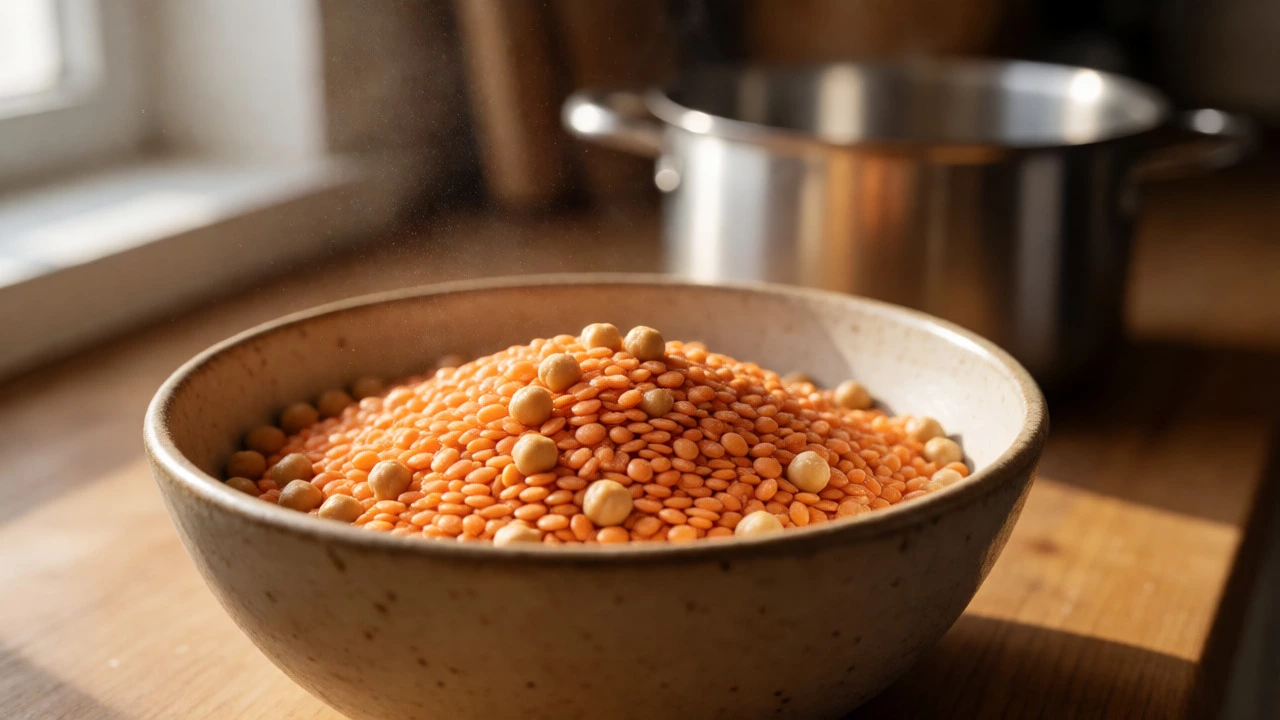
What Happens If You Don't Soak Pulses? A Guide to Perfect Dal
Skip soaking pulses? Think again. Learn how soaking impacts digestion, nutrient absorption, and texture in your dal recipes. Discover which pulses must be soaked and quick methods for busy cooks.
learn more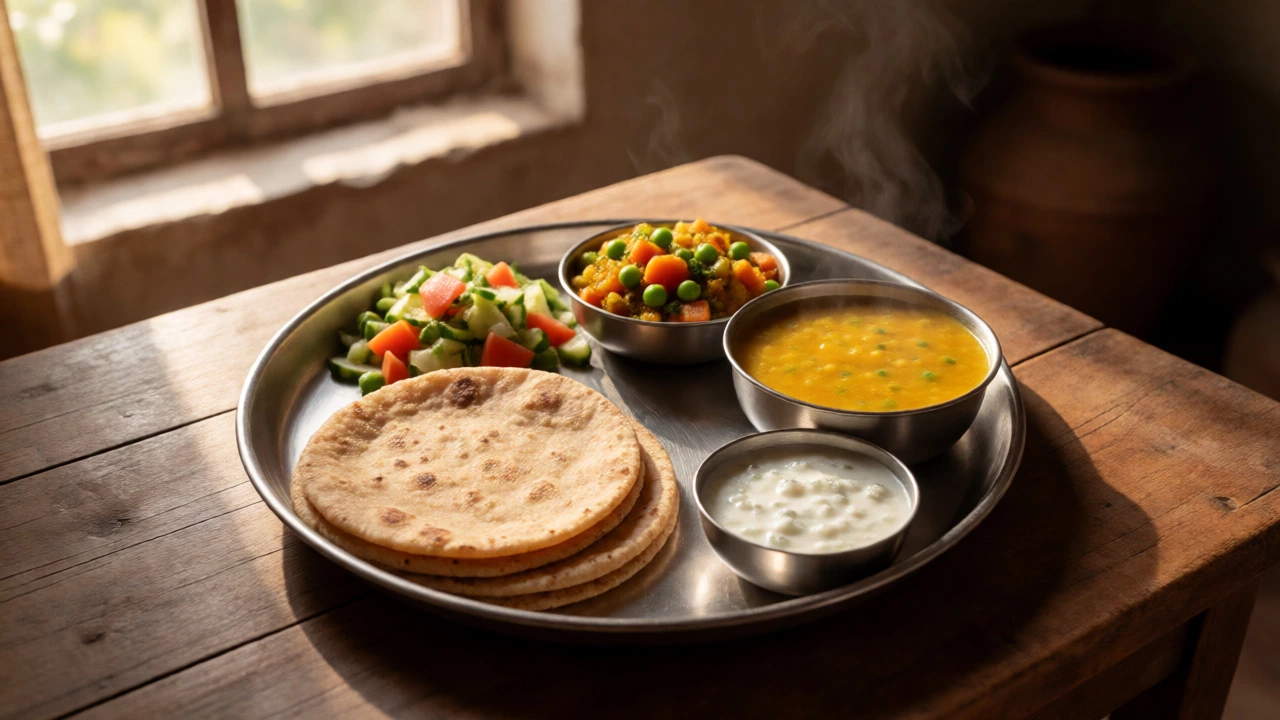
What is the Main Meal of the Day in India? Lunch vs Dinner Explained
Discover why lunch is traditionally the main meal in India, how regional differences shape eating habits, and tips for balancing modern lifestyles.
learn more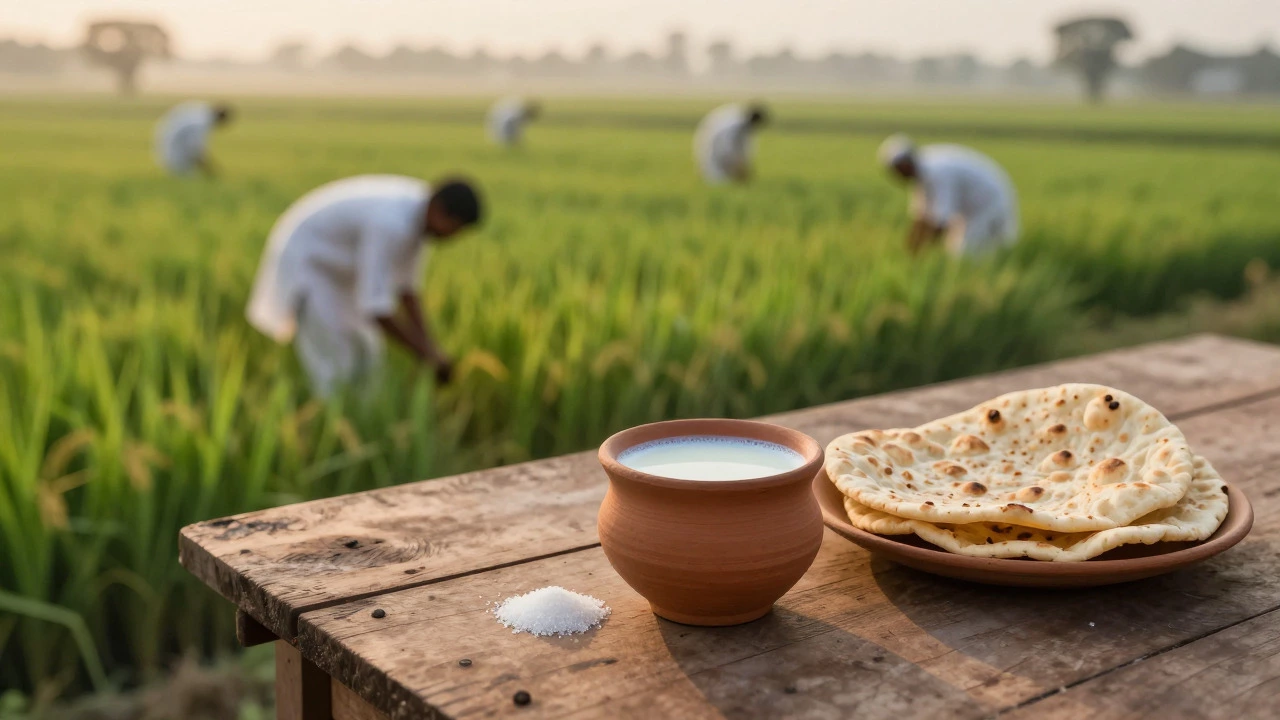
What Is the Most Important Meal in India? Breakfast Culture Explained
Discover why breakfast has become the most important meal in modern India. Explore regional staples, health benefits, and tips for building a balanced morning plate.
learn more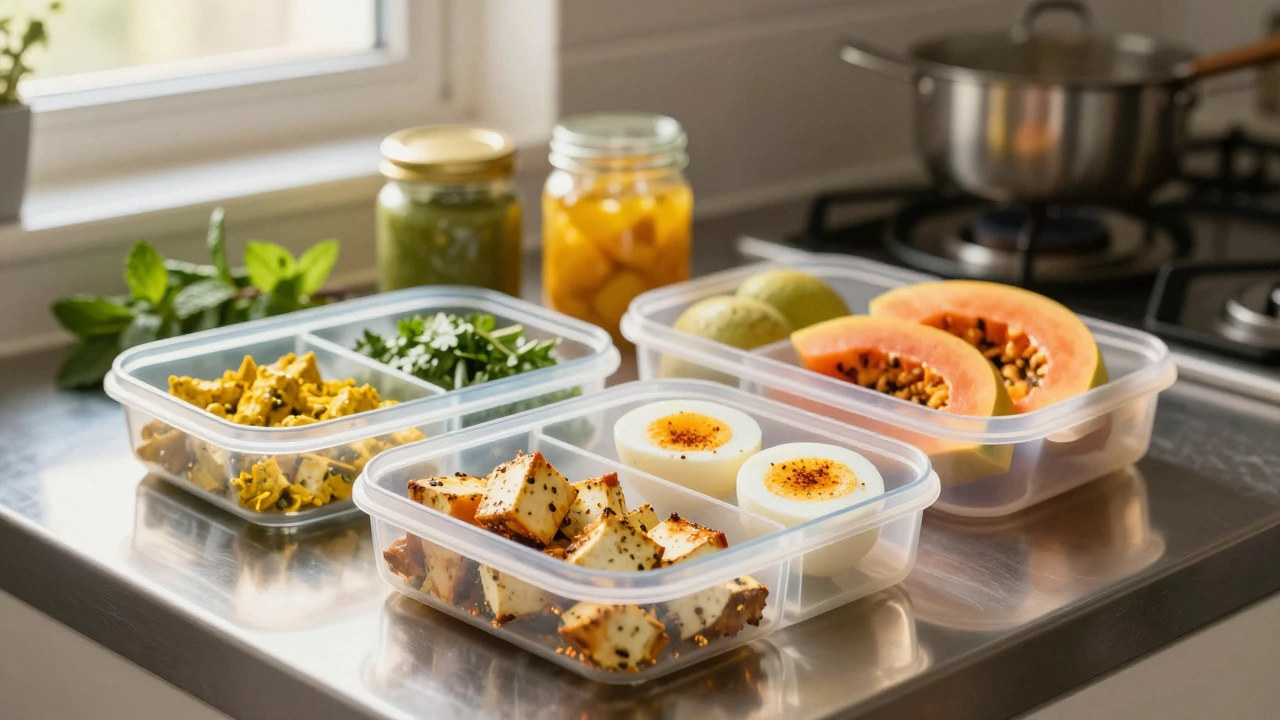
What is a Grab and Go Breakfast? Quick Indian Ideas for Busy Mornings
Discover how to create efficient, nutritious grab and go breakfasts using Indian ingredients. Learn packing tips, quick recipes, and strategies to save time in the morning.
learn more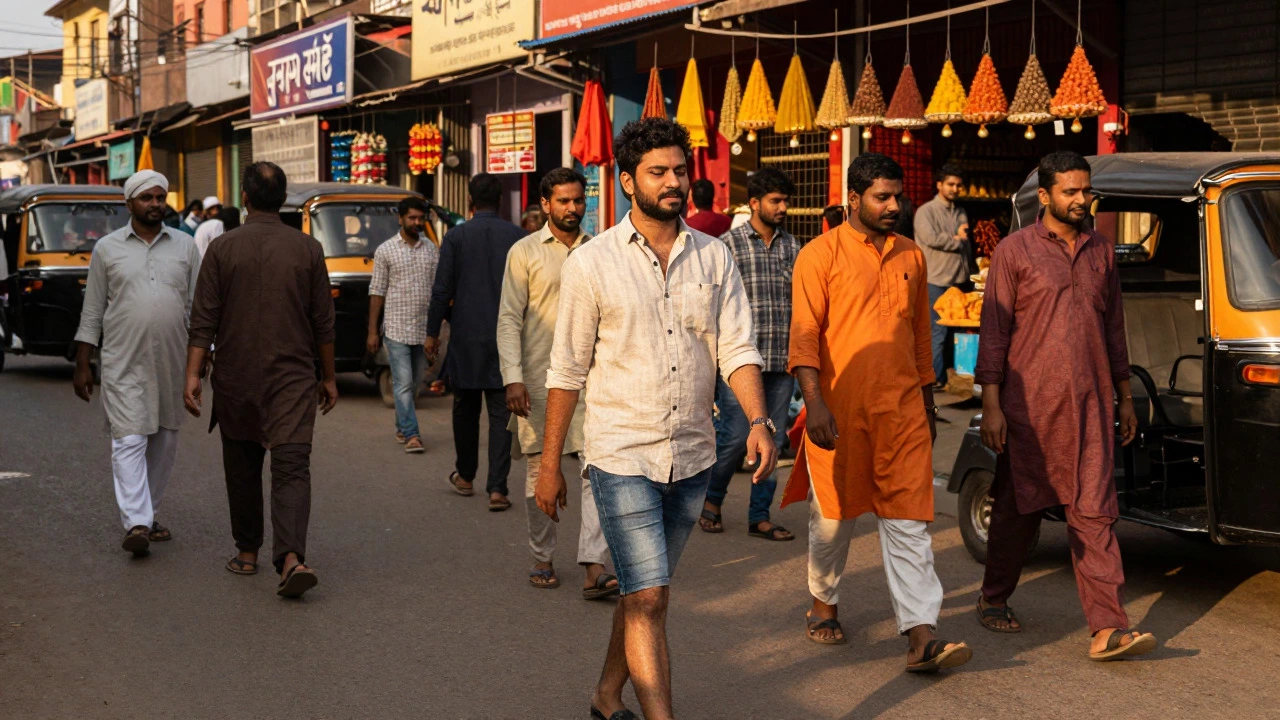
Can I Wear Shorts in India? A Practical Guide for Travelers
Wondering if you can wear shorts in India? Get clear guidance on where it's acceptable, when to switch to longer pants, and how to dress comfortably for street food stops and temple visits.
learn more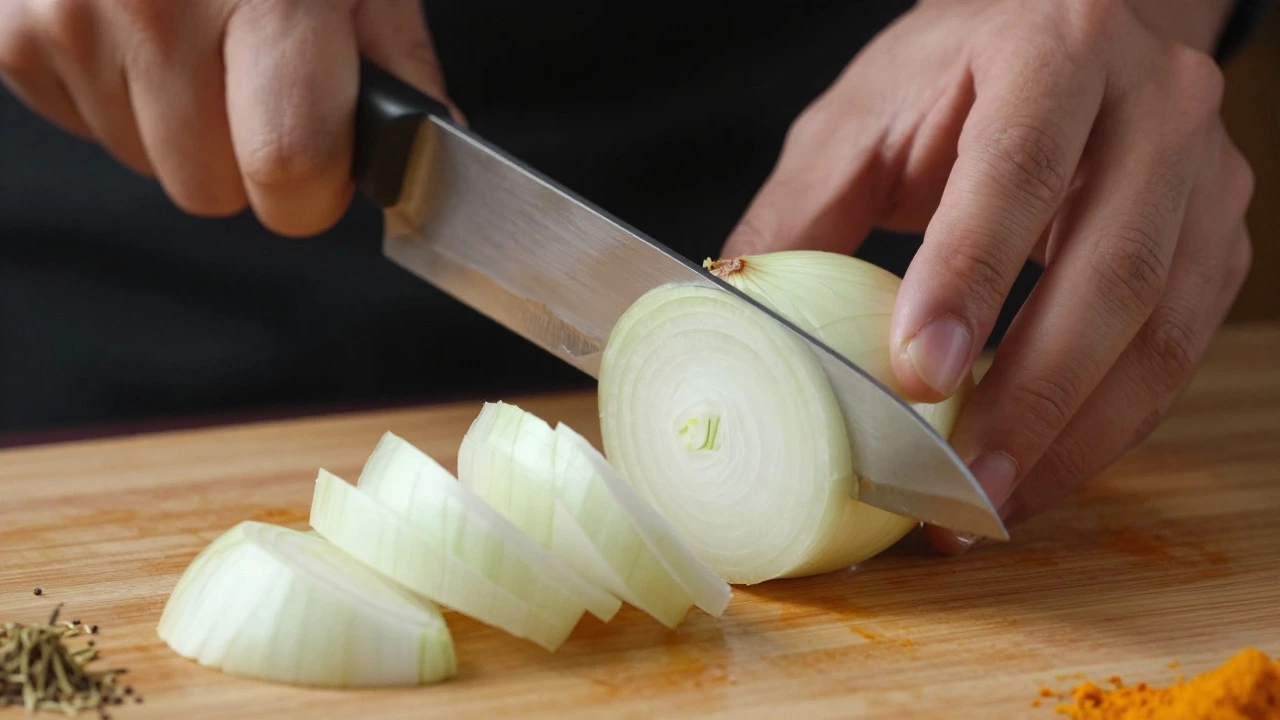
How to Cut Onions for Curry: The Right Technique for Perfect Texture
Learn the correct way to cut onions for a perfect chicken curry. Discover the ideal dice size, sautéing techniques, and common mistakes to avoid for a flavorful base.
learn more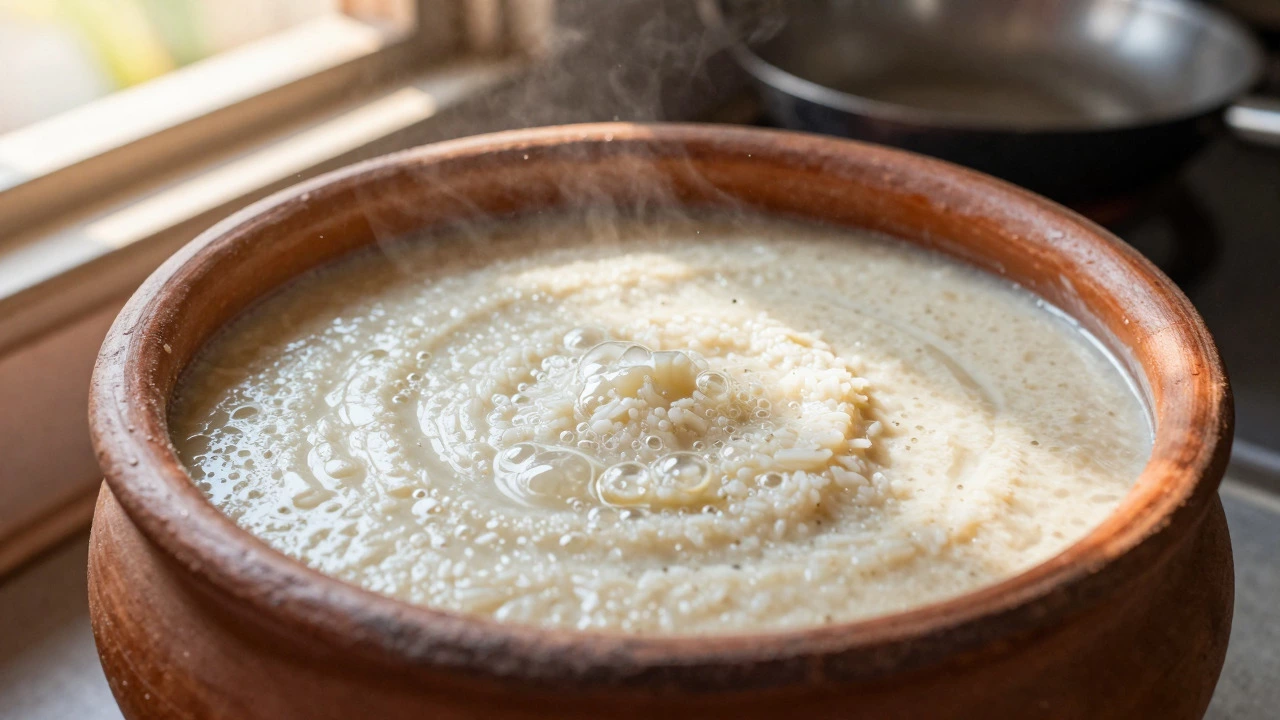
Is Dosa Healthy? The Truth About Nutrition, Digestion, and Smart Choices
Discover if dosa is truly healthy. We break down the nutrition facts, the power of fermentation, and how to make smarter choices for weight loss and diabetes management.
learn more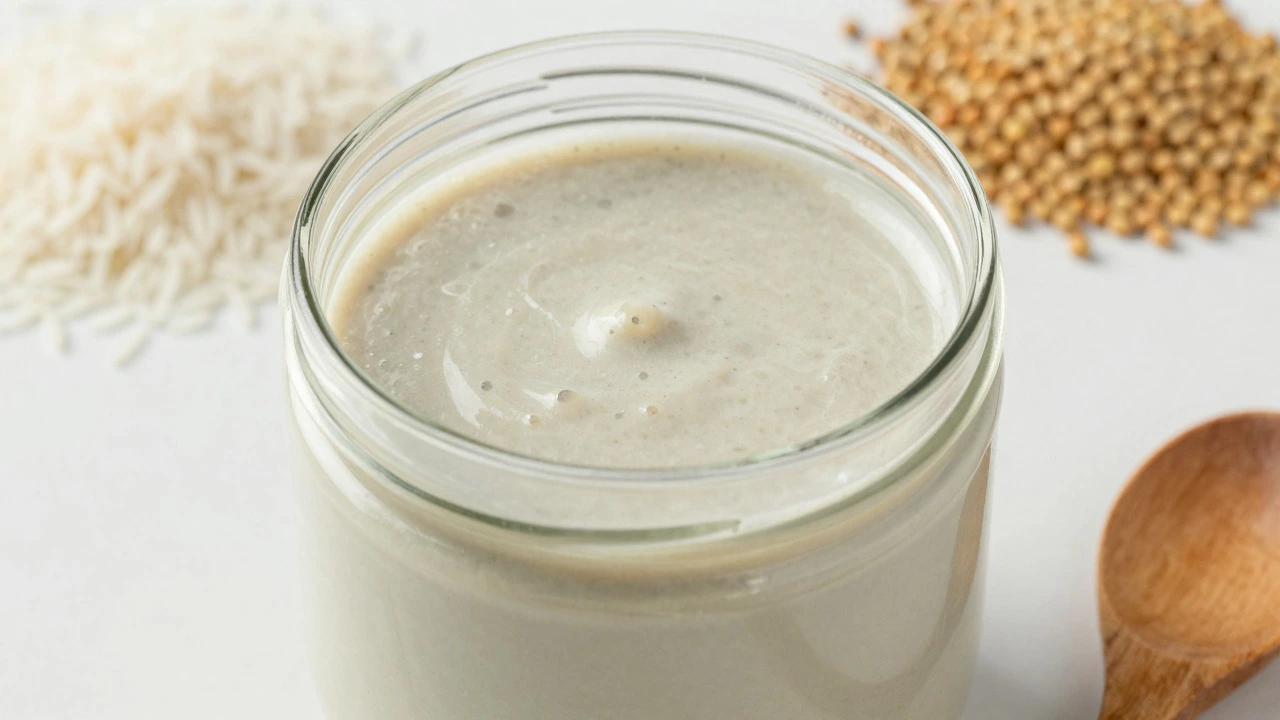
How Long Does Homemade Dosa Batter Last? Storage, Signs of Spoilage & Revival Tips
Discover how long homemade dosa batter lasts, proper storage techniques, signs of spoilage, and tips to revive sour batter for perfect dosas every time.
learn more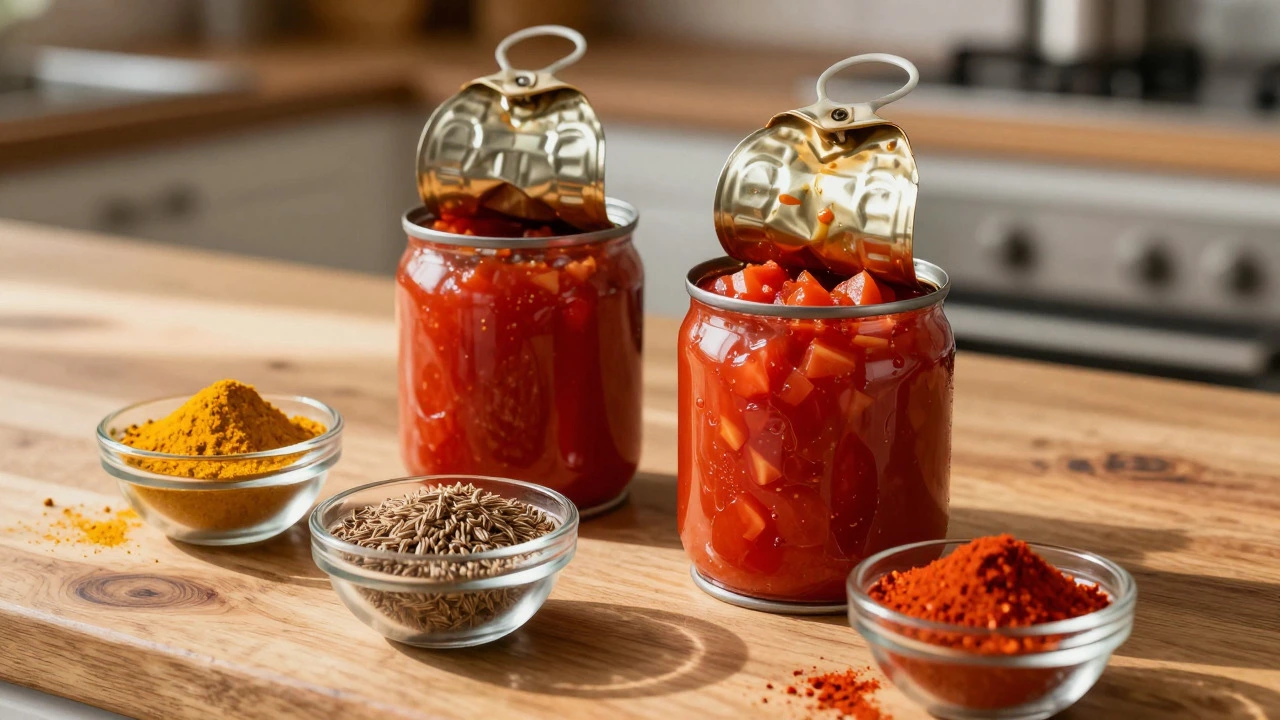
Crushed vs. Diced Tomatoes for Chicken Curry: Which One Makes Better Sauce?
Discover the key differences between crushed and diced tomatoes for chicken curry. Learn which type creates the best texture, flavor, and sauce consistency for various Indian recipes.
learn more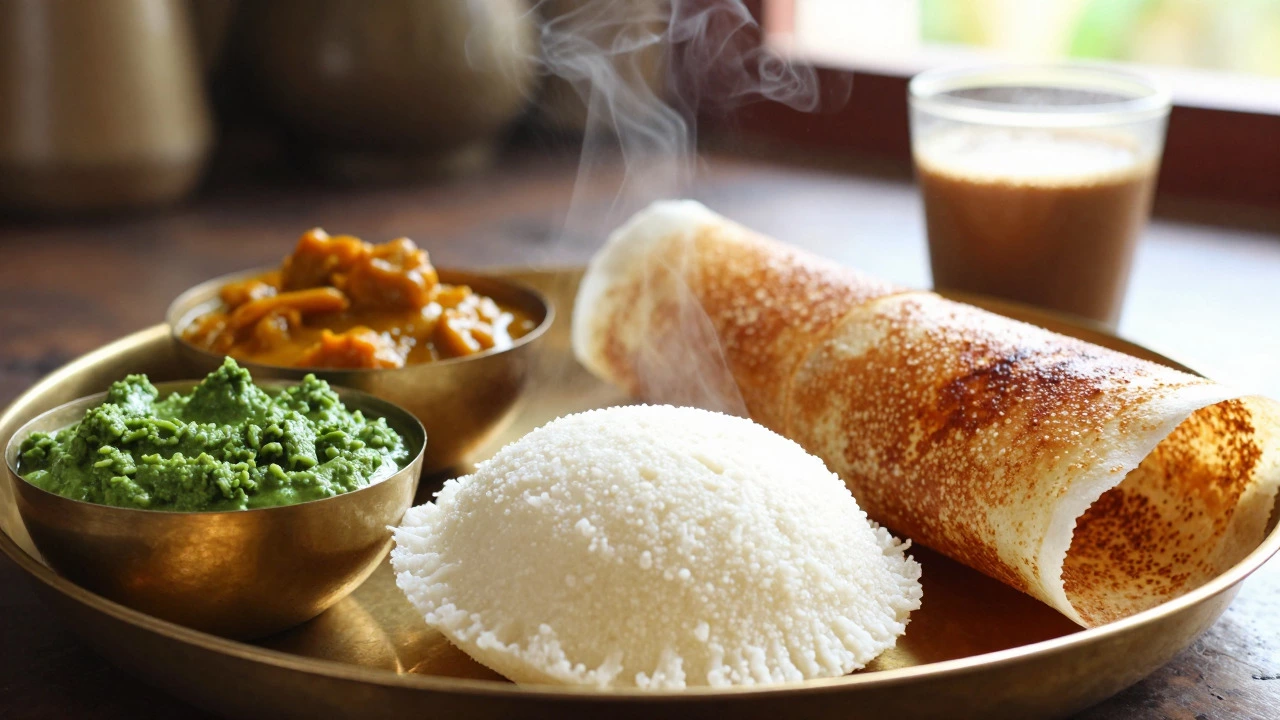
What's a Typical Breakfast in India? A Regional Guide to Morning Meals
Discover what a typical breakfast in India really looks like. From South Indian idli and dosa to North Indian parathas and Western poha, explore regional varieties, street food favorites, and healthy tips for making authentic Indian morning meals at home.
learn more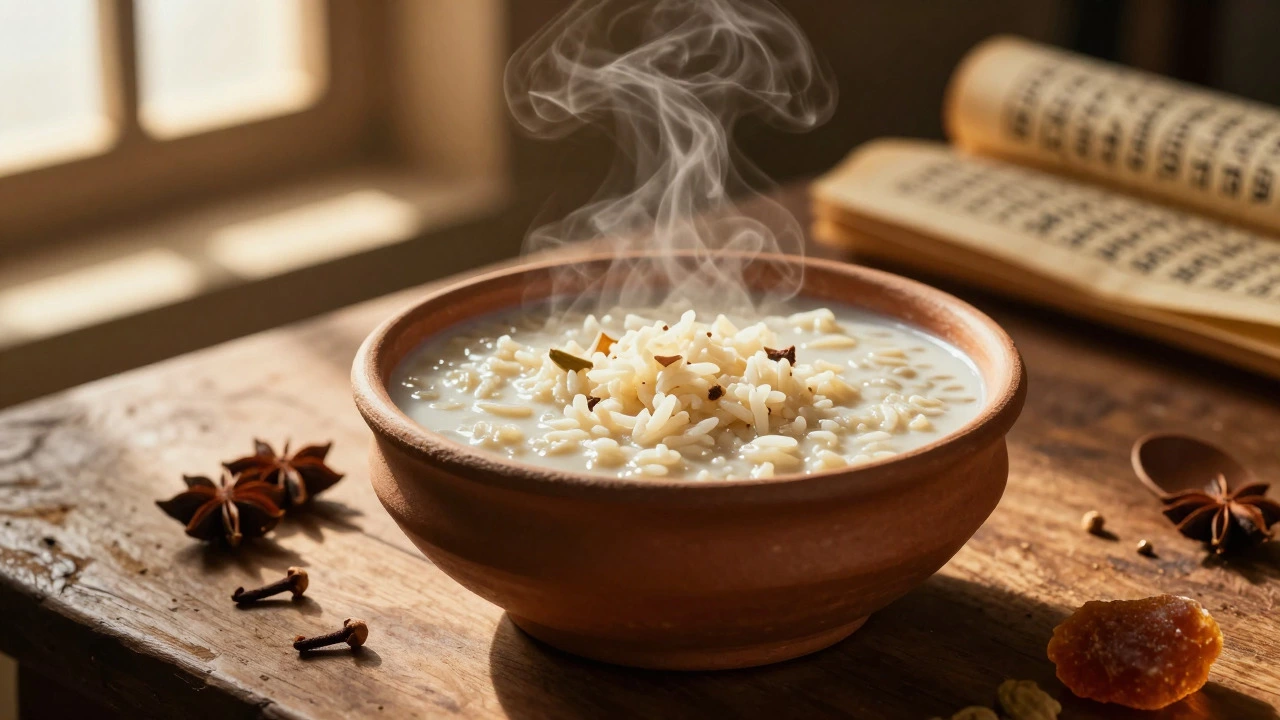
What is the Oldest Indian Sweet? History of Payasam, Rasgulla & More
Discover the oldest Indian sweet, likely Payasam, with roots in ancient texts. Explore the history of Laddus, Rasgulla, and how sugar transformed Indian desserts.
learn more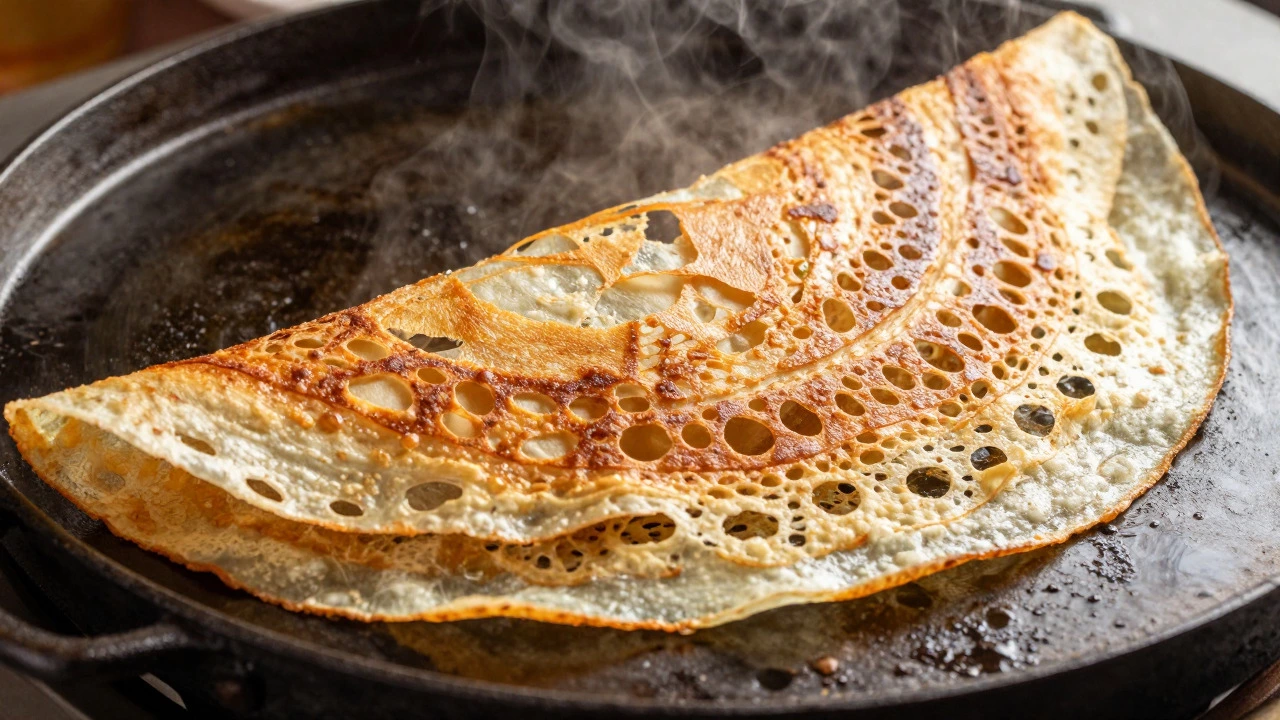
Why Is Your Dosa Not Crispy? 7 Common Mistakes and How to Fix Them
Struggling with soft dosas? Learn why your dosa batter isn't crispy, from fermentation errors to pan temperature mistakes. Get expert tips to achieve that perfect golden crunch every time.
learn more