Indian Breakfast Explorer
Discover what people actually eat for breakfast across different parts of India.
Select a region or criteria below to reveal the traditional morning meal.
North
Wheat & Dairy
South
Rice & Fermentation
West
Quick & Savory
East
Sweet & Spicy
Forget the idea that Indian breakfast is just one thing. If you walk into a home in Mumbai at 7 AM, you might smell buttery poha. In Chennai, it’s likely steaming rice flour cakes. In Kolkata, it could be spicy egg rolls or sweet semolina pudding. The question "What's a typical breakfast in India?" doesn't have a single answer because India is not a monolith; it’s a collection of distinct culinary zones, each with its own morning rituals.
As someone who has spent years exploring these flavors from Auckland, I’ve learned that the "typical" Indian breakfast depends entirely on where you are standing. It ranges from quick, savory street foods eaten on the go to elaborate, multi-course feasts prepared for family gatherings. This guide breaks down what people actually eat across different regions, why they eat it, and how you can bring these authentic tastes into your own kitchen.
The South Indian Staple: Rice, Lentils, and Fermentation
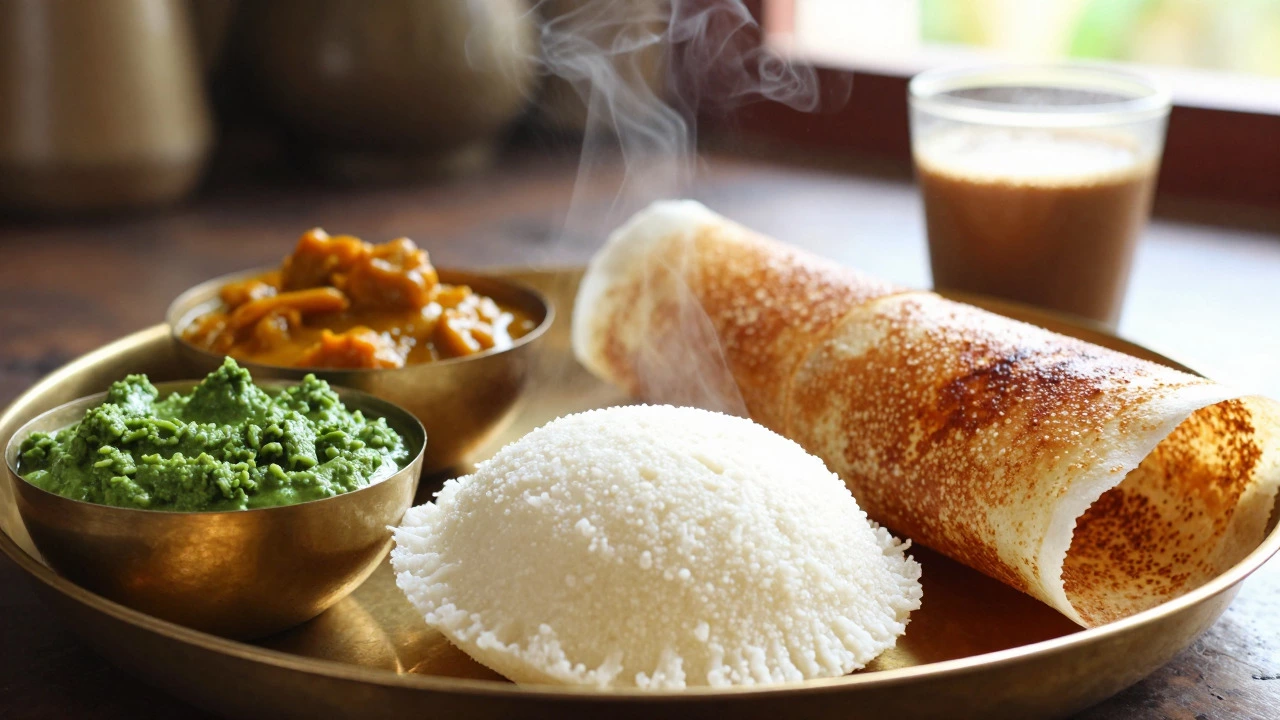
If you ask most international travelers about Indian breakfast, they will say idli and dosa. And for good reason. In states like Tamil Nadu, Karnataka, Kerala, and Andhra Pradesh, fermentation is king. These dishes are staples because they are light, easy to digest, and packed with probiotics.
Idli is a steamed cake made from fermented rice and black gram dal (urad bean). It is soft, spongy, and usually served with coconut chutney and sambar (a lentil-based vegetable stew). What makes idli special is the preparation process. You soak the rice and beans separately, grind them into pastes, mix them, and let them ferment overnight. This natural leavening process creates the airy texture without using yeast. It’s a perfect example of traditional food science at work.
Dosa, on the other hand, is a thin, crispy crepe. While the batter is similar to idli, the cooking method changes everything. Spread thinly on a hot griddle (tawa) and cooked until golden brown, dosa becomes crunchy on the outside and soft inside. There are dozens of variations:
- Masala Dosa: Stuffed with spiced potato filling.
- Set Dosa: Thicker, softer, and fluffier than the standard version.
- Rava Dosa: Made with semolina (rava) instead of rice, resulting in a lacy, crispy texture.
In Kerala, you might also find Puttu, which is steamed cylinders of ground rice layered with coconut, often served with kadala curry (black chickpea stew). This region relies heavily on coconut and rice, making their breakfasts distinct from the wheat-heavy north.
The North Indian Powerhouse: Wheat, Dairy, and Spices
Cross the Vindhyas range into Northern India, and the menu shifts dramatically. Here, wheat is the primary grain, and dairy plays a central role. Breakfasts in states like Punjab, Haryana, Uttar Pradesh, and Delhi are heartier, designed to fuel a day of physical labor or busy urban life.
Paratha is a whole wheat flatbread that is stuffed with various fillings and pan-fried with ghee or oil. It is the ultimate comfort food. Common fillings include:
- Aloo Paratha: Spiced mashed potatoes.
- Gobi Paratha: Grated cauliflower.
- Paneer Paratha: Crumbled cottage cheese.
You typically serve parathas with a bowl of white dahi (yogurt), pickle (achar), and sometimes butter. The combination of hot, spicy bread with cool yogurt balances the digestive heat, a concept rooted in Ayurvedic principles.
Another popular option is Puri Bhaji. Puri is a deep-fried puffed bread, while bhaji refers to a spiced potato curry. This is often considered a weekend treat or a festive meal because frying takes time and effort. However, you’ll find puris sold on street corners every morning, especially during winter festivals.
In colder months, Jalebi paired with Ghewar or simply milk is common. Jalebis are spiral-shaped sweets made from fermented batter, deep-fried and soaked in sugar syrup. They are best eaten fresh and hot, straight from the fryer.
The Western Quick Fix: Flattened Rice and Semolina
Western India, particularly Maharashtra and Gujarat, is known for its fast-paced lifestyle, reflected in its breakfast choices. These meals are quick to prepare, inexpensive, and incredibly flavorful.
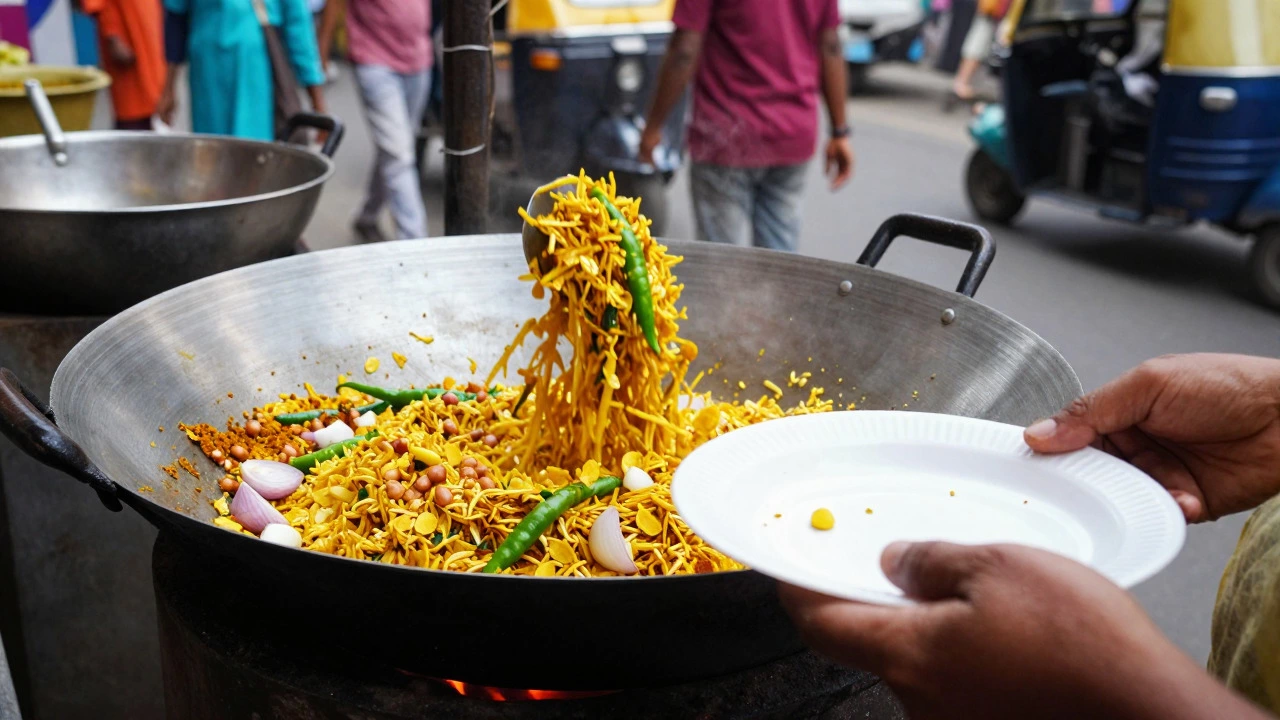
Poha is a dish made from flattened rice flakes, sautéed with onions, turmeric, peanuts, and green chilies. It is the quintessential Mumbai breakfast. Why? Because it cooks in under ten minutes. You rinse the flattened rice to remove excess starch, then temper spices in oil and mix it all together. It’s light, slightly tangy if you add lemon juice, and satisfyingly crunchy due to the peanuts.
In Gujarat, Thepla is a favorite. Thepla is a thin, unleavened flatbread made from wheat flour and fenugreek leaves (methi). Fenugreek gives it a distinctive bitter-sweet flavor and medicinal properties. Theplas are often rolled up with pickle and taken along for travel or work because they stay soft even after cooling.
Another western staple is Upma, which is technically South Indian but widely adopted across the west. Upma is a porridge-like dish made from roasted semolina (suji/rava) cooked with vegetables, mustard seeds, and curry leaves. It’s versatile-you can add carrots, peas, beans, or even paneer to make it more substantial.
The Eastern Twist: Fish, Eggs, and Sweet Puddings
Eastern India, including West Bengal, Odisha, and Bihar, offers a unique blend of vegetarian and non-vegetarian options. Unlike the predominantly vegetarian south, breakfast here often includes eggs or fish, especially among non-vegetarian communities.
In Kolkata, you’ll find Luchi Chora. Luchi is a soft, deep-fried white flour bread, similar to puri but lighter, served with chora-a dry potato curry with minimal gravy. It’s a beloved street food, often enjoyed with a cup of cutting chai (tea with strong spices).
For vegetarians, Chhana Poda or simple Macher Jhol (fish curry) with rice is common. But perhaps the most iconic eastern breakfast is Payesh or Rasabali. Payesh is a thick rice pudding made with milk, sugar, cardamom, and nuts. It’s rich, creamy, and often served during festivals like Durga Puja. For a quicker option, Singara (samosa) filled with potatoes and peas is a crunchy, savory snack that doubles as breakfast.
Street Food Culture: Eating on the Go
India’s street food scene is legendary, and breakfast is no exception. Millions of Indians start their day with food bought from roadside stalls. These options are affordable, diverse, and deeply embedded in local culture.
| Item | Region | Description | Key Ingredients |
|---|---|---|---|
| Vada Pav | Maharashtra | A spicy potato fritter sandwiched in a bread bun. | Potato, chili garlic chutney, bread |
| Kachori | Rajasthan/North | Deep-fried pastry filled with spiced lentils or kidney beans. | Wheat flour, moong dal, spices |
| Egg Roll | Kolkata/East | An egg omelet wrapped in a paratha with chutneys. | Egg, wheat flour, green chutney |
| Bhel Puri | West/Mumbai | A savory snack made from puffed rice, vegetables, and tamarind sauce. | Puffed rice, sev, tomatoes, onions |
Vada Pav is often called the "Indian burger." It’s messy, spicy, and addictive. The potato filling is seasoned with mustard seeds and curry leaves, giving it an aromatic punch. Wrapped in a soft pav (bread roll) and slathered with three types of chutney-green coriander, red garlic, and sweet tamarind-it’s a flavor explosion.
Kachori is another heavyweight. Originating from Rajasthan, these are dense, fried dough pockets filled with urad dal or rajma (kidney beans). They are heavy, so they’re usually eaten in small portions with pickles and tea.
Beverages: The Essential Companion
No Indian breakfast is complete without a drink. Tea is the national beverage, but coffee holds sway in the south.
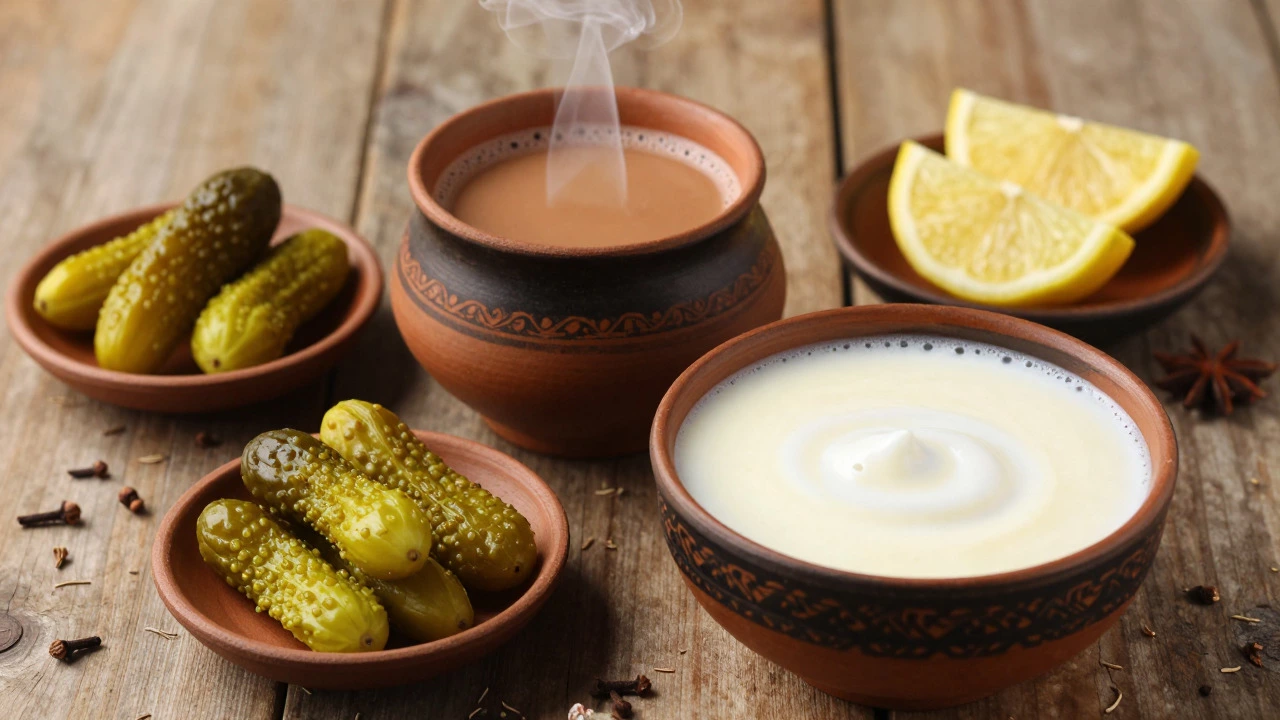
- Chai: Strong black tea brewed with milk, sugar, and spices like cardamom, ginger, and cloves. It’s consumed everywhere, from luxury hotels to railway platforms.
- Filter Coffee: Popular in South India, this is strong decoction of Arabica and Robusta beans mixed with boiling milk and sugar. It’s poured back and forth between two vessels to create a frothy top layer.
- Lassi: A yogurt-based drink from Punjab. It can be sweet (with mango or rose water) or salty (with cumin). It aids digestion and cools the body.
- Nimbu Pani: Lemonade, often salted rather than sweetened, providing electrolytes on hot mornings.
Health and Nutrition: Is Indian Breakfast Healthy?
Many people assume Indian food is heavy and oily, but traditional breakfasts are often surprisingly nutritious. Fermented foods like idli and dosa are low in fat and high in protein and fiber. They are also easier to digest due to the fermentation process breaking down anti-nutrients.
Dishes like poha and upma are light on the stomach, making them ideal for those with sensitive digestion. The use of spices like turmeric, cumin, and mustard seeds adds anti-inflammatory benefits. However, modern adaptations often involve excessive frying (like puris and vadas) and added sugar in beverages, which can negate some health benefits.
To keep it healthy:
- Opt for steamed or grilled options over deep-fried ones.
- Add more vegetables to your upma or dosa batter.
- Limit sugar in chai and coffee.
- Include a source of protein like curd or sprouts.
How to Make Authentic Indian Breakfast at Home
You don’t need to live in India to enjoy these meals. Many ingredients are available globally, and the techniques are straightforward once you understand the basics.
- Master the Batter: For idli and dosa, invest in a good blender. Soak rice and urad dal separately for 4-6 hours. Grind them to a smooth paste, mix, and ferment overnight in a warm place. The batter should rise and become airy.
- Tempering (Tadka): Learn to temper spices. Heat oil or ghee, add mustard seeds until they pop, then add curry leaves, asafoetida (hing), and dried red chilies. This technique infuses flavor into almost all Indian dishes.
- Use Fresh Spices: Ground spices lose potency quickly. Buy whole spices and grind them as needed for the best aroma and taste.
- Don’t Skip the Chutney: Coconut chutney and tomato-onion chutney are essential accompaniments. Blend fresh coconut with green chilies, garlic, and temper it with mustard seeds.
Start with simpler dishes like poha or upma before attempting fermented batters. These require patience and practice, but the reward is a taste of authentic Indian culture right in your kitchen.
What is the most common breakfast in India?
There is no single most common breakfast due to regional diversity. However, idli and dosa are widely recognized across the country, while poha and paratha are extremely popular in the west and north respectively.
Is Indian breakfast vegetarian?
Most traditional Indian breakfasts are vegetarian, especially in the south and west. However, in the east and northeast, eggs and fish are common breakfast items. Non-vegetarian options like egg rolls and chicken cutlets are also found in urban areas.
What do Indians drink with breakfast?
Tea (chai) is the most popular beverage nationwide. In South India, filter coffee is preferred. Lassi (yogurt drink) and nimbu pani (lemonade) are also common, especially in hotter climates.
Can I make idli and dosa without fermentation?
Yes, instant mixes are available that use baking powder or soda for leavening. However, traditionally fermented batter offers better texture, flavor, and nutritional benefits due to probiotics.
What is the difference between puri and paratha?
Puri is made from refined wheat flour (maida) or whole wheat, deep-fried until it puffs up. Paratha is made from whole wheat flour, stuffed with fillings, and pan-fried with oil or ghee. Puri is lighter and puffier, while paratha is denser and flaky.