Ancient Indian Sweets Timeline Explorer
Explore Sweet History
Click on any sweet to discover its origins, ingredients, and historical significance.
Payasam / Kheer
Pre-500 CEMilk-based pudding with rice and spices
Laddu
Vedic PeriodBall-shaped sweet from gram flour and ghee
Halwa
Post-Mughal EraSemolina or vegetable-based dessert
Rasgulla
18th CenturySpongy cottage cheese balls in sugar syrup
Select a Sweet
Choose from the timeline to learn about its history, ingredients, and cultural significance.
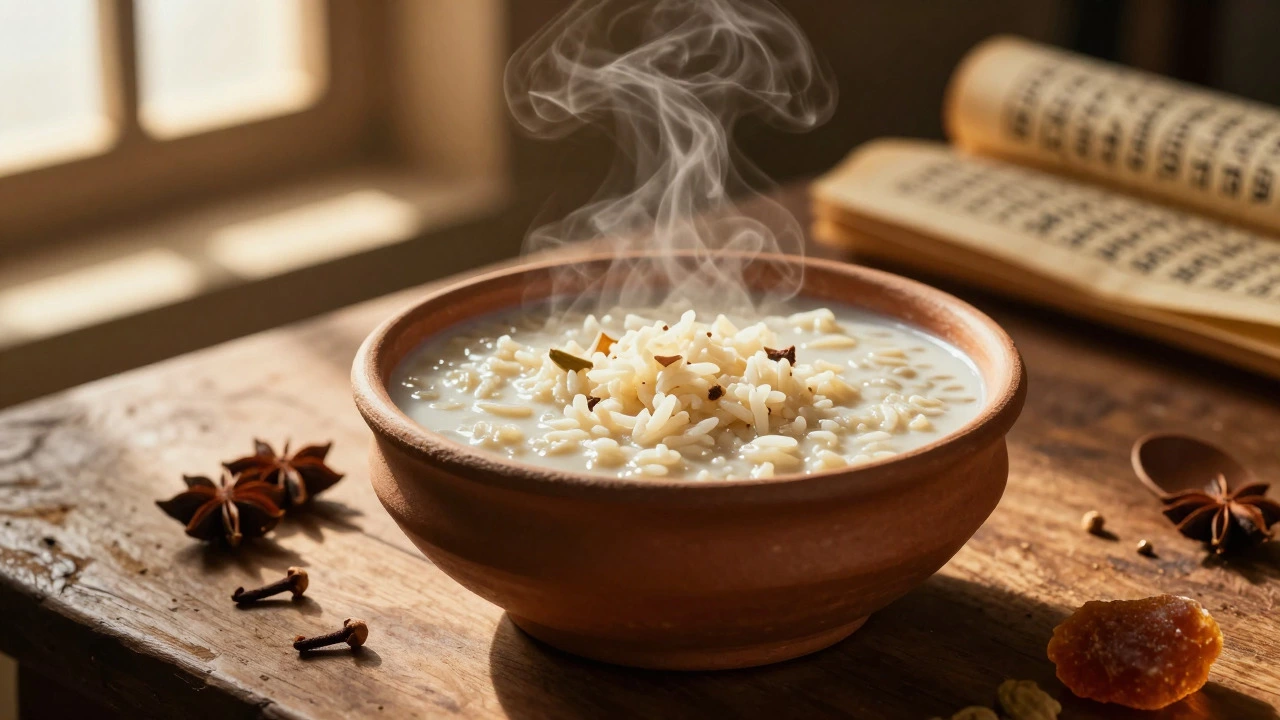
Imagine a world before refrigeration, before modern sugar refineries, and before global trade routes carried exotic spices to every corner of the globe. In that world, sweetness was rare, precious, and deeply tied to survival and celebration. When you ask, what is the oldest Indian sweet, you aren't just looking for a recipe; you are digging into thousands of years of culinary history. The answer isn't a single candy bar or a packaged chocolate. It’s likely a warm, spiced milk pudding called Payasam (or Kheer), which has roots stretching back over 2,000 years.
Indian sweets, or mithai, are not just snacks. They are cultural artifacts. Every festival, wedding, and religious ceremony involves them. But while today we have hundreds of varieties-from crispy Jalebi to soft Gulab Jamun-only a few can claim true antiquity. Understanding these origins helps us appreciate why certain ingredients like ghee, jaggery, and cardamom remain central to Indian kitchens today.
The Ancient Roots: Why Milk and Grains Came First
To find the oldest sweet, we have to look at what was available in ancient India. Long before refined white sugar became common, people used jaggery (unrefined cane sugar) and honey. Dairy was abundant, especially in the fertile river valleys of the Indus and Ganges. This combination led to the creation of milk-based desserts that were both nutritious and celebratory.
The most compelling candidate for the title of "oldest Indian sweet" is Payasam. References to rice cooked in milk with spices appear in ancient Sanskrit texts like the Sushruta Samhita (circa 600 BCE) and later in the Yogavastha. These texts describe dishes made for healing and offering to deities. Unlike fried sweets, which require significant oil production and refining technology, boiled milk and grain preparations were simpler and more accessible to households across the subcontinent.
Why does this matter? Because it shows that the foundation of Indian confectionery wasn't about indulgence alone-it was about nourishment. A bowl of Payasam provided calories, protein, and comfort. Over centuries, this basic concept evolved into regional variations: Kheer in North India, Payasam in South India, and Firni in the Mughal-influenced regions. Despite different names and slight ingredient tweaks, they all share the same ancient DNA.
The Contenders: Other Ancient Indian Desserts
While Payasam holds the strongest historical claim, other sweets also have deep roots. Let's look at some of the other contenders that often come up in discussions about ancient Indian cuisine.
| Sweet Name | Primary Ingredients | Estimated Origin Period | Historical Significance |
|---|---|---|---|
| Payasam/Kheer | Rice, Milk, Jaggery/Sugar, Cardamom | Ancient (Pre-500 CE) | Mentioned in Ayurvedic texts as medicinal food |
| Laddu | Gram flour, Ghee, Sugar/Jaggery | Ancient (Vedic Period) | Offered to gods; mentioned in Mahabharata |
| Halwa | Semolina, Flour, or Vegetables + Sugar | Medieval (Post-Mughal influence) | Evolved from Persian 'Halva' but adapted locally |
| Rasgulla | Cottage Cheese (Chhena), Sugar Syrup | 18th Century (Bengal/Odisha) | Relatively new; popularized in colonial era |
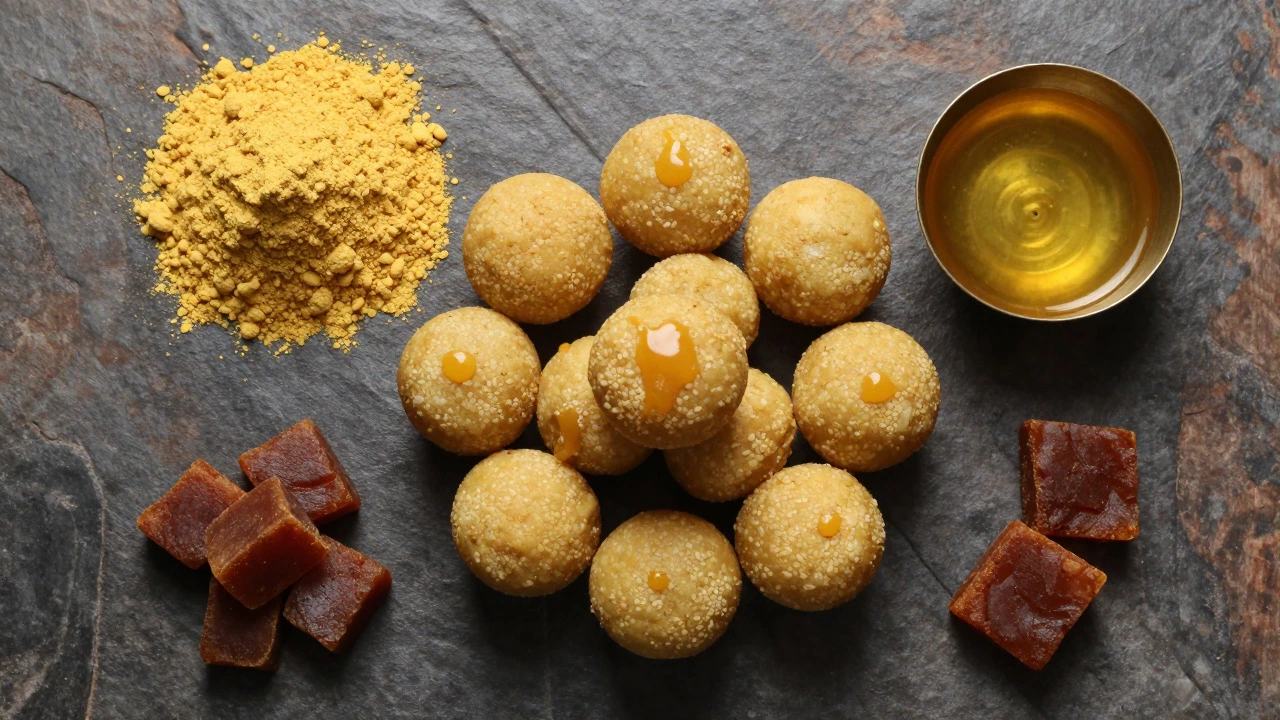
Laddu is another strong contender. You will find references to ball-shaped sweets made from gram flour (besan) and ghee in the Mahabharata. These were not just treats; they were offerings. The simplicity of rolling dough into balls makes Laddu one of the earliest forms of structured confectionery. Today, regional versions like Motichoor Laddu and Besan Laddu remain staples during Diwali and other festivals.
However, many sweets we associate with "ancient India" actually arrived much later. For example, Gulab Jamun is often thought to be ancient, but its direct ancestor, the Zarda or Sheer Khurma, gained popularity during the Mughal era (16th-19th century). The frying techniques required for Gulab Jamun needed advanced oil refinement and specific dough formulations that didn't exist in Vedic times.
The Myth of Rasgulla: A Modern Classic
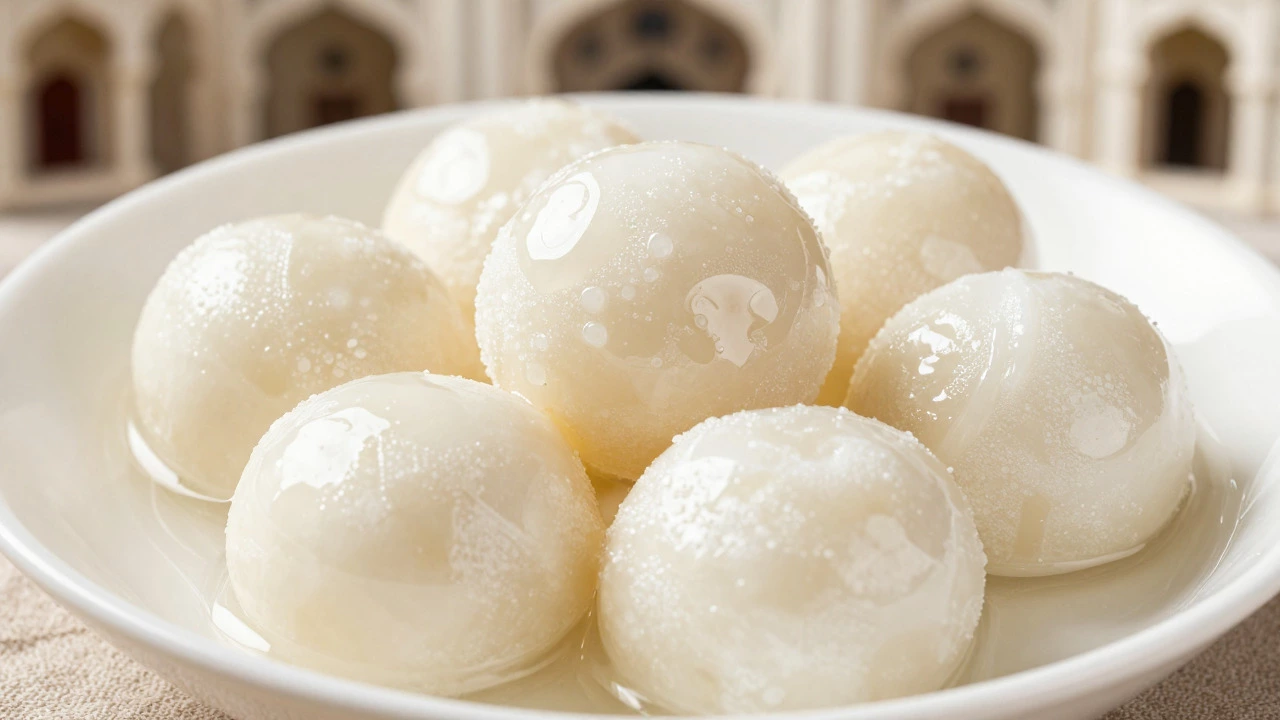
If you walk through any sweet shop in India, you will see Rasgulla. It is spongy, juicy, and incredibly popular. Many people assume it is one of the oldest sweets because it uses chhena (cottage cheese), a traditional Indian dairy product. However, historical evidence suggests otherwise.
Rasgulla, as we know it today, emerged in the late 18th or early 19th century in Bengal and Odisha. Before that, there were similar cheeses like Chhena Poda (baked cottage cheese) or Chhena Gaja, but the technique of boiling small balls of chhena in sugar syrup to create a sponge-like texture was a relatively recent innovation. Some historians credit Nabin Chandra Das, a confectioner in Murshidabad, with perfecting the recipe in the 1860s.
So, while Rasgulla feels timeless, it is actually a young player in the world of Indian sweets. Its rise coincides with the British colonial period, when sugar became cheaper and more widely available. This accessibility allowed chefs to experiment with high-sugar syrups, leading to the birth of this iconic dessert.
How Sugar Changed Everything
You cannot talk about the evolution of Indian sweets without talking about sugar. For millennia, Indians used jaggery, honey, and date palm juice for sweetness. These natural sweeteners have distinct flavors and textures. Jaggery, for instance, adds a molasses-like depth to sweets like Peda or Imarti.
The introduction of refined white sugar changed the game. It allowed for clearer syrups, brighter colors, and longer shelf lives. During the Mughal era, Persian influences brought new techniques like rose water infusion and pistachio garnishing. Later, British colonialism expanded sugar plantations, making refined sugar affordable for the middle class. This democratization of sugar led to an explosion of new sweet varieties in the 19th and 20th centuries.
This shift explains why many "traditional" sweets we eat today are actually less than 200 years old. The older sweets relied on jaggery and had shorter shelf lives, meaning they were consumed immediately after preparation, usually within the home or temple setting.
Regional Variations: One Sweet, Many Names
India's diversity means that even the oldest sweets have regional twists. Take Payasam again. In Kerala, it might include coconut milk and cashews. In Tamil Nadu, it could feature vermicelli (sevai) instead of rice. In Maharashtra, it might be thickened with semolina and flavored with nutmeg. Despite these differences, the core concept remains the same: milk reduced with grains and sweetened naturally.
Similarly, Barfi (a dense milk fudge) has countless regional versions. Kaju Katli (cashew fudge) from Gujarat, Nankhatai (nut cookies) from Rajasthan, and Mishti Doi (sweetened yogurt) from Bengal all reflect local agricultural products and cooking styles. Mishti Doi, for example, relies on clay pots for slow cooking, a technique passed down through generations in Bengal.
Preserving Tradition in Modern Times
Today, we face a challenge: how do we preserve these ancient recipes in a fast-paced world? Industrialization has led to mass-produced sweets that use artificial colors, preservatives, and low-quality fats. While convenient, these often lack the authentic flavor and nutritional value of their homemade counterparts.
Fortunately, there is a growing movement towards returning to basics. Home cooks are rediscovering the joy of making Payasam from scratch, using real jaggery and fresh cream. Restaurants are highlighting heritage recipes, educating customers about the history behind each bite. By understanding that Payasam is likely the oldest Indian sweet, we gain a deeper appreciation for its simplicity and elegance.
Next time you enjoy a bowl of kheer or a plate of laddus, remember that you are tasting history. You are connecting with ancestors who valued milk, grains, and natural sweetness. These sweets are not just food; they are a living link to India's past.
Is Payasam really the oldest Indian sweet?
Yes, Payasam (also known as Kheer) is considered one of the oldest Indian sweets. References to rice cooked in milk with spices appear in ancient Sanskrit texts like the Sushruta Samhita (circa 600 BCE). Its simple ingredients-milk, rice, and natural sweeteners-make it a likely candidate for the earliest form of Indian confectionery.
When was Rasgulla invented?
Rasgulla is a relatively modern sweet, emerging in the late 18th or early 19th century in Bengal and Odisha. It was popularized in the mid-19th century by confectioners like Nabin Chandra Das. While it uses traditional ingredients like chhena (cottage cheese), the specific technique of boiling cheese balls in sugar syrup is a recent innovation compared to ancient sweets like Payasam.
What is the difference between Payasam and Kheer?
Payasam and Kheer are essentially the same dish with regional naming differences. Payasam is the term used primarily in South India, while Kheer is common in North India. Both consist of milk reduced with rice or other grains and sweetened with sugar or jaggery, then flavored with cardamom and nuts. Regional variations may include coconut milk in Payasam or saffron in Kheer.
Are Laddus older than Gulab Jamuns?
Yes, Laddus are significantly older. References to ball-shaped sweets made from gram flour and ghee appear in ancient epics like the Mahabharata. Gulab Jamun, however, evolved from Persian-inspired fried dumplings during the Mughal era (16th-19th century) and became popular only after refined sugar became widely available in the colonial period.
Why did sugar change Indian sweets?
Before refined sugar, Indians used jaggery, honey, and date palm juice, which have strong flavors and limited shelf life. The availability of cheap refined sugar during the British colonial era allowed for clearer syrups, brighter colors, and longer-lasting sweets. This led to the creation of many modern favorites like Gulab Jamun and various Barfis, which rely on precise sugar concentrations for texture.