Dosa Batter Freshness & Safety Checker
Analyze your batter's condition step-by-step to ensure it's safe to eat or learn how to revive it.
Step 1: How long has the batter been in the refrigerator?
Recently made
Mid-week batch
End of week
Step 2: How was it stored?
- Clean glass container
- Tight lid / plastic wrap touching surface
- Stored in back of fridge (cold spot)
- Clean utensils used every time
- Plastic container or metal spoon used
- Lid loose or no wrap
- Stored in door/shelf near opening
- Dipped dirty spoons in main jar
Step 3: What do you observe? (Select all that apply)
There is nothing quite like the satisfaction of making your own dosa batter, a traditional South Indian mixture of rice and urad dal that ferments overnight to create thin, crispy crepes. But what happens when you make too much? Or perhaps you prepared it on a Sunday night for breakfasts throughout the week. The big question remains: how long does this precious fermented batter actually last before it goes bad?
The short answer is that homemade dosa batter typically lasts between 3 to 5 days in the refrigerator if stored correctly. However, time is not the only factor. Temperature fluctuations, container hygiene, and the natural progression of fermentation all play critical roles in determining whether your batter will yield perfect dosas or turn into a science experiment gone wrong. Let’s break down exactly how to keep your batter fresh, safe, and delicious.
Understanding the Fermentation Clock
To understand shelf life, you first need to understand what is happening inside that jar. Dosa batter relies on wild yeast and lactic acid bacteria naturally present on the rice and lentils. These microbes eat the starches and sugars, producing carbon dioxide (which makes the batter rise) and acids (which give it that signature tangy flavor).
This process doesn't stop just because you put the lid on. Even in the fridge, fermentation continues at a slower pace. This means your batter changes daily:
- Day 1-2: Peak freshness. The batter is light, airy, and has a mild sourness. This is the ideal window for making classic Masala Dosas or Paper Dosas.
- Day 3-4: The batter becomes significantly more sour. It may also lose some of its fluffiness as the gas escapes. This is still perfectly safe to eat but requires adjustment in cooking technique.
- Day 5: The edge of acceptability. The sourness might be overpowering for some palates. Check carefully for signs of spoilage before using.
- Day 6+: Risky territory. Unless you have kept it very cold and used sterile containers, bacterial overgrowth likely outweighs the beneficial fermentation.
If you live in a warmer climate, like Auckland during summer months, these timelines shrink. Heat accelerates fermentation. A batter that lasts five days in winter might only survive three in July. Always trust your senses over the calendar.
Best Practices for Storing Dosa Batter
Storage method matters just as much as time. Improper storage introduces contaminants and speeds up spoilage. Here is how to maximize the life of your batter:
- Use Glass Containers: Plastic can retain odors and scratches harbor bacteria. Glass is non-porous and easy to sanitize. Ensure the jar is completely clean and dry before adding batter.
- Avoid Metal Spoons: Reactivity with acidic fermented batter can alter taste and potentially leach metals. Use wooden spoons, silicone spatulas, or stainless steel utensils only if they are high-grade food-safe steel.
- Leave Headroom: Don’t fill the jar to the brim. As fermentation continues, gases build up. If there’s no space, pressure can force air back in when you open the lid, introducing mold spores. Leave about 2 inches of space at the top.
- Cover Properly: Use a tight-fitting lid. If you use plastic wrap, ensure it touches the surface of the batter to prevent oxidation, though a sealed glass lid is superior for long-term storage.
- Refrigerate Immediately: Once the initial fermentation is complete (usually 8-12 hours depending on temperature), move the batter to the fridge immediately. Do not leave it at room temperature longer than necessary.
Signs Your Dosa Batter Has Gone Bad
Spoilage isn't always obvious. Sometimes the batter looks fine but smells off. Other times, visual cues appear early. Here are the definitive signs that your batter needs to be tossed:
| Indicator | Fresh/Safe Batter | Spoiled/Bad Batter |
|---|---|---|
| Smell | Tangy, slightly sour, yeasty aroma | Rotten egg smell, pungent ammonia, or distinctly foul odor |
| Color | Uniform creamy white or pale grey | Pink, orange, green, or black spots/mold |
| Texture | Smooth, pourable consistency | Separation into watery layer and solid chunks that don't mix back together easily; slimy film on surface |
| Taste | Mild sourness, pleasant fermentation notes | Bitter, excessively sharp, or "off" flavor |
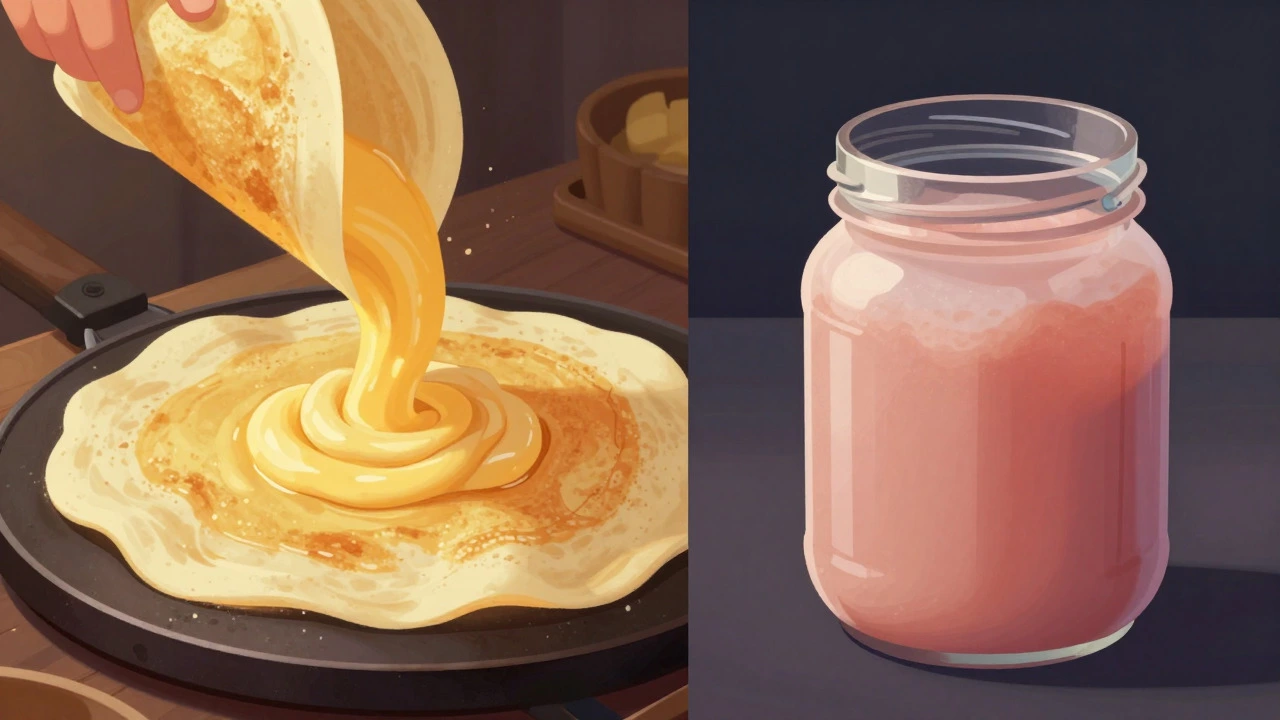
The Pink Surface Myth: You might notice a pinkish hue on the surface of your batter after a few days. This is often caused by Serratia marcescens, a harmless bacteria in many cases, but it indicates contamination from the air. While not always toxic, it suggests the batter is past its prime. If you see pink, toss it out. It’s not worth the risk.
Reviving Old Batter: Can You Save Sour Batter?
If your batter is day 4 or 5 and tastes overly sour but shows no signs of spoilage, don’t throw it away yet. You can balance the acidity and extend its usability with simple tricks:
- Add Baking Soda: For every cup of batter, add ¼ teaspoon of baking soda. Mix well. This neutralizes excess acid and helps the dosas puff up again. Note: The batter will become less tangy.
- Dilute with Fresh Batter: If you have a small amount of old batter, mix it with freshly ground, unfermented batter. The fresh batch acts as a buffer, diluting the sourness.
- Switch Recipe Types: Overly sour batter works beautifully for Set Dosa or Neer Dosa. Set Dosas are thicker and cooked slower, which mellows the sharpness. Neer Dosa uses very liquid batter, so the sourness is less concentrated per bite.
- Make Uttapam: Top your batter with onions, tomatoes, and chilies. The vegetables add moisture and sweetness, counteracting the sour base.
Freezing Dosa Batter: The Long-Term Solution
If you know you won’t finish the batter within five days, freezing is your best friend. Unlike refrigeration, freezing halts fermentation almost entirely.
How to Freeze:
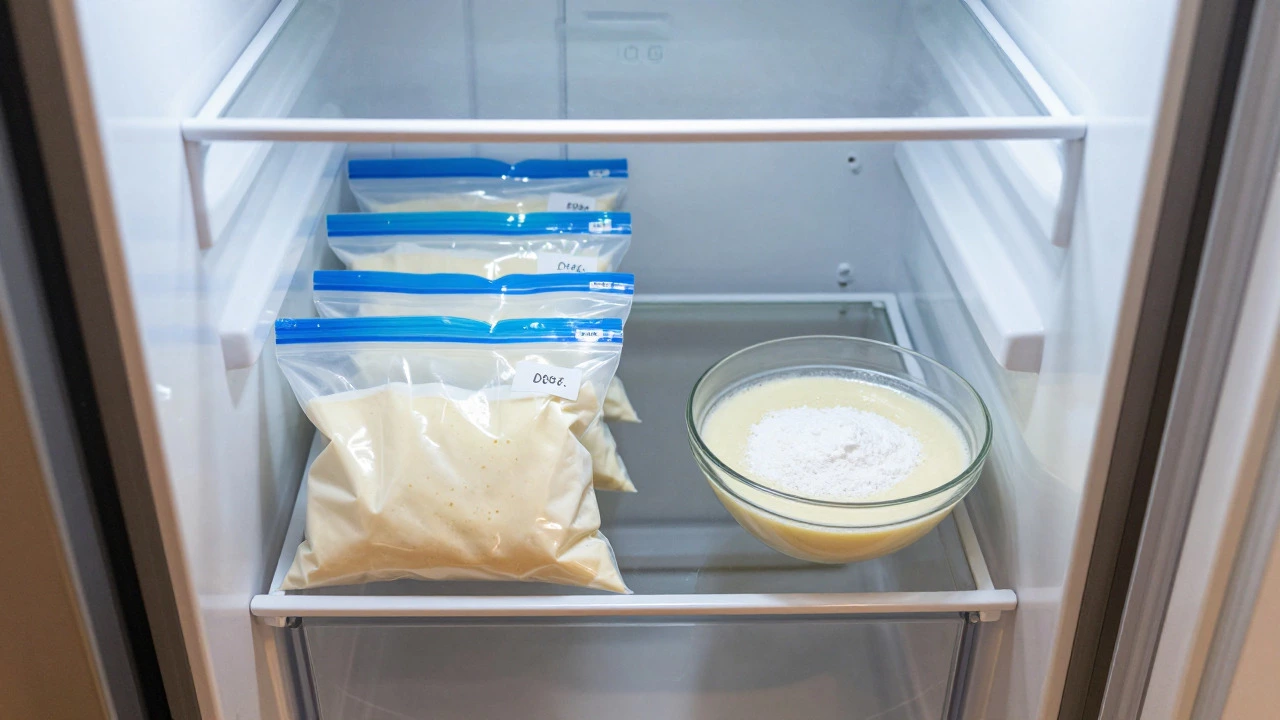
- Portion the batter into freezer-safe containers or heavy-duty ziplock bags. Remove as much air as possible to prevent freezer burn.
- Label with the date. Frozen dosa batter lasts up to 3 months.
- Thaw overnight in the refrigerator. Do not thaw at room temperature, as this restarts fermentation unevenly and can lead to spoilage.
Important Note: Thawed batter may separate. Stir it vigorously before use. You might need to adjust water content since frozen batter can thicken upon thawing. Also, expect a slight loss in fluffiness compared to fresh batter. Add a pinch of baking soda to help regain volume.
Common Mistakes That Shorten Shelf Life
Even with perfect storage habits, certain errors can ruin your batter quickly:
- Using Dirty Utensils: Every time you dip a spoon into the batter, you introduce bacteria. Always use clean utensils. Better yet, scoop out what you need for the day into a smaller container and leave the main jar untouched.
- Inconsistent Refrigerator Temperature: If your fridge door is opened frequently or the temperature fluctuates above 4°C (39°F), fermentation accelerates unpredictably. Keep the batter in the coldest part of the fridge, usually the back bottom shelf, not the door.
- Over-Fermenting Before Storage: If you let the batter ferment until it is extremely sour before putting it in the fridge, you’ve already pushed it close to spoilage. Store it once it has risen sufficiently, even if it’s mildly sour.
Conclusion: Trust Your Senses
While guidelines suggest 3-5 days, your nose and eyes are the ultimate judges. If the batter smells rotten, looks discolored, or tastes bitter, discard it. Food poisoning from spoiled fermented foods is no joke. Conversely, if it smells tangy and looks smooth, it’s likely safe, even if it’s been sitting for four days.
Remember, making dosa batter is an art that involves living cultures. Treat them with respect, store them properly, and enjoy the versatility of having fresh batter ready whenever cravings strike.
Can I keep dosa batter at room temperature?
Only for the initial fermentation period (8-12 hours). After that, it must be refrigerated. Leaving fermented batter at room temperature beyond 12 hours will cause it to over-ferment, become extremely sour, and eventually spoil due to bacterial growth.
Why does my dosa batter smell like alcohol?
A slight alcoholic smell is normal due to yeast activity during fermentation. However, if the smell is strong and accompanied by fizzing or excessive bubbling, the batter may be over-fermented. Try adding baking soda to neutralize it, or use it for thick dosas where the flavor is less prominent.
Does adding salt affect the shelf life of dosa batter?
It is generally recommended to add salt only before cooking, not during storage. Salt can inhibit fermentation initially but may draw out moisture later, affecting texture. Adding salt before storage doesn't significantly extend shelf life and can sometimes make the batter soggy.
Can I freeze dosa batter without fermenting it?
Yes! You can grind the rice and urad dal, mix them, and freeze the unfermented batter. When ready to use, thaw it in the fridge and let it ferment at room temperature for 8-10 hours before cooking. This gives you maximum flexibility in timing.
What should I do if my batter separates into water and solids?
Separation is common after refrigeration or freezing. Simply stir the batter thoroughly until the liquid and solids are fully combined. If it’s too thick, add a little water to achieve the desired pouring consistency. Do not worry unless the separation is accompanied by a bad smell or color change.