India Travel Wardrobe Advisor
You’re standing at the airport gate, suitcase in hand, wondering if that pair of denim cutoffs will get you stared down on a Mumbai street. It’s a valid worry. While India is not a strictly conservative nation in the way some travelers assume, wearing shorts there requires a bit more nuance than in Western countries. The short answer? Yes, you can wear them, but where and how matters just as much as what you choose.
Many first-time visitors feel uneasy about blending in, especially when heading to religious sites or rural areas. But here’s the thing: millions of tourists visit India every year, and most don’t face issues with their clothing choices-provided they respect local context. The key isn’t about hiding your legs; it’s about showing cultural awareness without overthinking every step.
Where Shorts Are Perfectly Acceptable
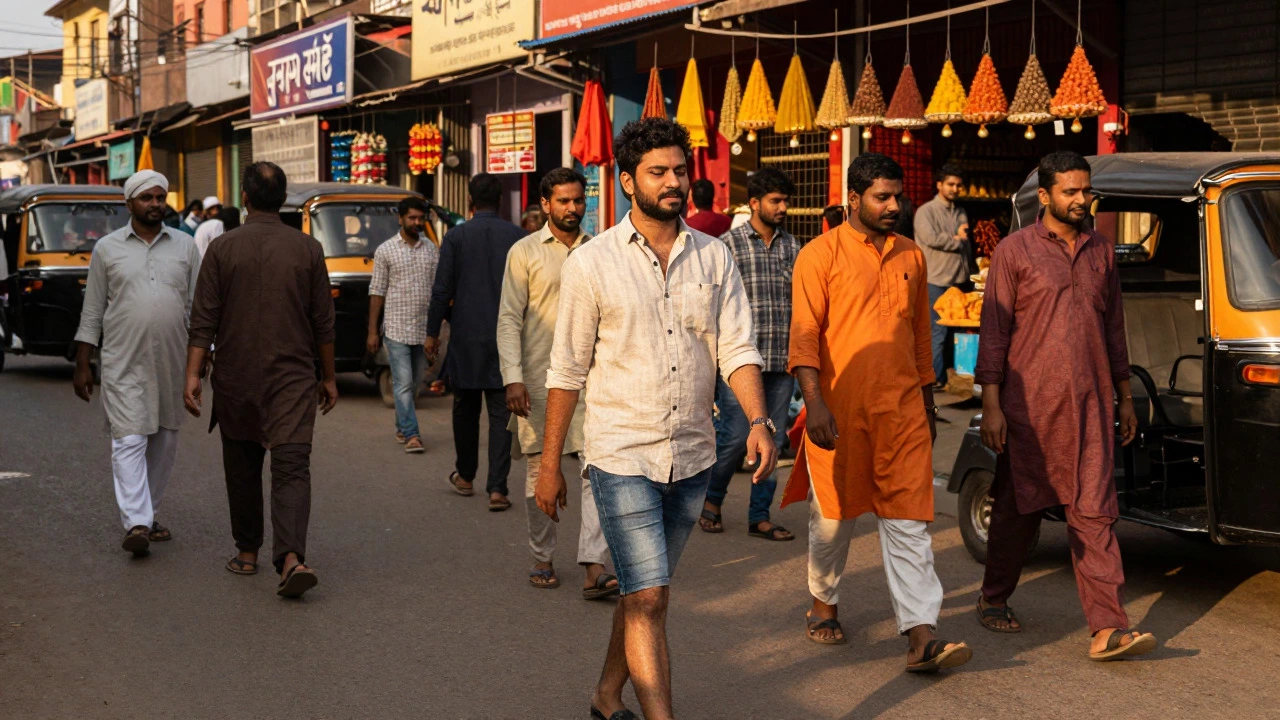
In urban centers like Delhi, Bangalore, Hyderabad, and Chennai, shorts are common among young professionals and students alike. You’ll see men and women wearing them in malls, cafes, and even office parks during hot summer months. If you’re staying in an air-conditioned hotel or spending your day exploring modern neighborhoods, shorts won’t raise eyebrows.
- Malls and shopping districts: Casual wear is the norm. Think jeans, t-shirts, and yes, shorts.
- Cafes and restaurants: Most casual dining spots have no dress code. Even mid-range eateries rarely enforce formality.
- Beaches and coastal towns: Goa, Kerala backwaters, and Andaman Islands are relaxed zones where swimwear and shorts are standard.
- National parks and trekking trails: Comfort beats convention. Hikers often opt for breathable shorts and quick-dry fabrics.
Even in places like Jaipur or Varanasi, which have strong cultural identities, you’ll notice locals adapting to global fashion trends. Young Indians frequently wear shorts, especially in college campuses and tech hubs. So if you’re under 35 and traveling solo or with friends, you’re likely in good company.
When You Should Probably Skip Them
This is where context becomes critical. Wearing shorts into certain spaces can signal disrespect, even if unintentional. Here’s where caution pays off:
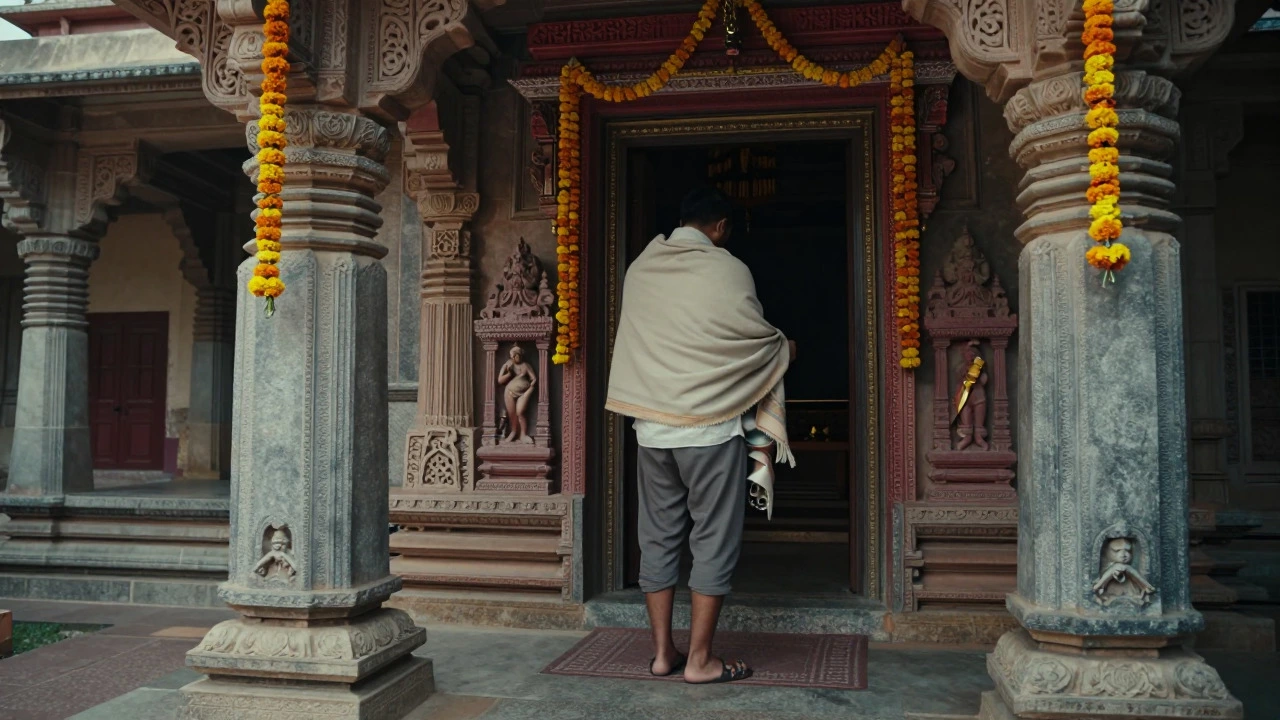
- Temples and religious sites: This is non-negotiable. Most Hindu, Jain, and Buddhist temples require covered knees and shoulders. Some even mandate removing shoes and wearing traditional garments like dhotis or saris. Check specific temple rules before visiting-for example, the Golden Temple in Amritsar expects modest attire, while smaller village shrines may be stricter.
- Rural villages and agricultural areas: In remote parts of Rajasthan, Bihar, or Odisha, long pants or skirts are the standard for both genders. Locals may view exposed legs as immodest, not because of religion, but due to generational norms.
- Farmers’ markets and open-air bazaars: These are bustling, dusty environments where practicality wins. Long trousers protect against sun, insects, and dirt. Plus, you blend in better with vendors who’ve been working outdoors since dawn.
- Formal events or weddings: Unless invited to a casual backyard party, err on the side of elegance. Kurta-pajamas for men and salwar kameez or gowns for women are safer bets.
A pro tip: Carry a light scarf or shawl in your bag. It doubles as a shoulder cover for temples and a windbreaker for chilly evenings. No need to buy new clothes-just adapt what you already own.
Street Food Stops and Clothing Choices
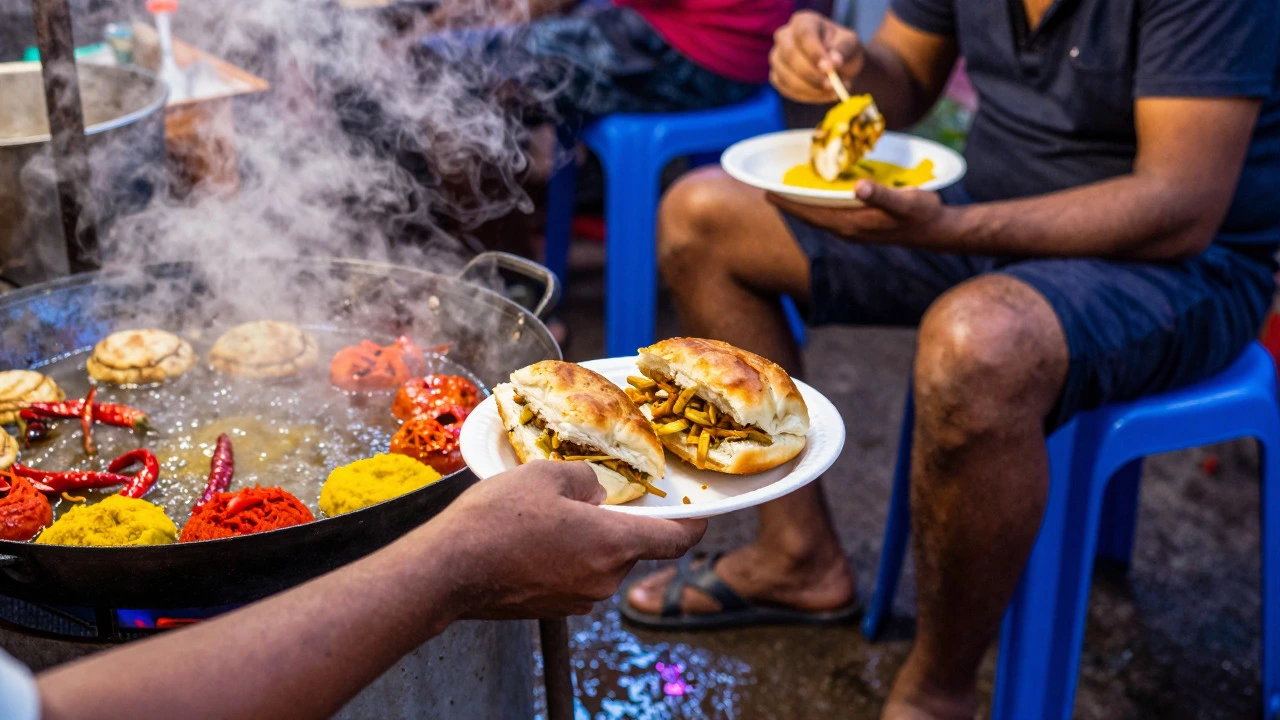
Since we’re talking about Indian culture, let’s connect this to something you’ll definitely do: eat street food. Whether you’re grabbing a plate of Pani Puri a crispy hollow shell filled with spiced water, potatoes, and chickpeas in Old Delhi or slurping Vada Pav a spicy potato fritter sandwiched in a bun, popular in Mumbai on a roadside cart in Kolkata, your outfit should prioritize comfort and hygiene.
Shorts can work here, but consider the environment. Street food stalls are often crowded, smoky, and close to traffic. Dust settles quickly, and spills happen. Light-colored shorts might show stains faster, and thin fabrics could stick to sweaty skin in humid weather. Instead, opt for:
- Breathable cotton or linen shorts in darker shades
- A loose-fitting top that allows airflow
- Closed-toe sandals or slip-on shoes (avoid flip-flops if walking long distances)
If you’re planning a full-day food crawl-say, starting with breakfast Dosa a fermented rice and lentil crepe, often served with chutney and sambar in Chennai, followed by afternoon snacks and evening thali meals-you’ll appreciate having one pair of versatile shorts and one pair of lightweight trousers. Swap between them depending on your location.
Gender-Specific Considerations
Do men and women face different expectations? Somewhat, but the gap is narrowing fast.
For women: You have more flexibility than older guides suggest. Skirts, capris, and shorts are all acceptable in cities. However, avoid very short hemlines (above mid-thigh) in conservative areas. Pairing shorts with a longer top or layering with a cardigan can balance casualness with modesty. Also, note that some women prefer leggings or joggers for ease of movement during travel days.
For men: There’s less scrutiny, but still, avoid athletic-style compression shorts outside gyms. Regular denim or cargo shorts are fine. If you’re heading to a temple, bring along a pair of clean trousers-even if you only wear them for an hour. Many travelers find that packing one extra pair of pants solves 90% of their wardrobe anxiety.
| Location Type | Shorts Acceptable? | Recommended Alternative | Key Reason |
|---|---|---|---|
| Urban Malls & Cafes | Yes | N/A | Casual culture is widespread |
| Temples & Religious Sites | No | Long pants/skirt + covered shoulders | Respect for sacred space |
| Rural Villages | Limited | Lightweight long trousers | Generational norms & dust protection |
| Street Food Stalls | Yes (with care) | Darker, durable fabrics | Hygiene & stain resistance |
| Beaches & Resorts | Yes | N/A | Relaxed, tourist-friendly zones |
Packing Smart for Indian Climates
India’s weather varies drastically by region and season. In August, monsoon rains make humidity high across most of the country. That means sweat is inevitable. Choose fabrics wisely:
- Cotton: Breathable but absorbs moisture slowly. Good for dry spells.
- Linen: Lightweight and airy, but wrinkles easily. Ideal for city exploration.
- Synthetic blends: Quick-drying but can trap heat. Best for trekking or beach days.
Pro tip: Pack one pair of convertible shorts (zip-off legs) for maximum flexibility. They turn into capris or full-length pants in seconds. Brands like Outward or REI offer affordable options that hold up well after multiple washes in hostel sinks.
Common Mistakes to Avoid
Even experienced travelers slip up sometimes. Here are three frequent errors:
- Wearing shorts to a wedding uninvited: If you’re crashing a friend’s celebration, ask ahead. Formality levels vary wildly.
- Ignoring temple entry fees: Some sites charge small fees for photography or guide services. Budget ₹100-₹500 per person for unexpected costs.
- Overpacking “just in case” outfits: You don’t need five pairs of trousers. One backup pair covers 95% of scenarios. Use laundry services in hotels-they’re cheap and efficient.
Remember, Indians are generally forgiving of minor cultural missteps. A smile and a nod go further than perfect attire. What matters most is your intention to respect local customs, not perfection.
Final Thoughts on Dressing for India
So, can you wear shorts in India? Absolutely-but with eyes open. Match your outfit to your destination, not just your comfort level. Cities welcome casual wear; rural and religious spaces call for modesty. And when you’re out tasting Biryani a fragrant rice dish layered with spiced meat or vegetables, slow-cooked in a sealed pot or sipping lassi from a clay cup, your clothes should let you enjoy the moment without distraction.
Pack smart, stay flexible, and trust your instincts. India rewards those who approach it with curiosity rather than rigidity. Your next meal might be waiting around the corner-and you’ll want to be comfortable enough to keep eating.
Are shorts allowed in Indian temples?
Generally, no. Most temples require covered knees and shoulders. Always check specific site rules, as some allow shorts if paired with a shawl, while others mandate traditional garments.
What should women wear in rural India?
Opt for long skirts, capris, or lightweight trousers. Avoid very short hemlines. Layering with a light jacket or shawl adds modesty and warmth during cooler evenings.
Is it okay to wear shorts in Delhi or Mumbai?
Yes, in urban areas like malls, cafes, and residential neighborhoods. However, switch to longer pants when visiting historical monuments or religious sites within these cities.
What fabric is best for shorts in Indian summers?
Linen and lightweight cotton are ideal for breathability. Darker colors resist stains better, which is useful for street food adventures. Avoid synthetic materials if you tend to sweat heavily.
Do I need to carry a change of clothes for temples?
It’s wise to pack one pair of long trousers or a skirt in your day bag. This ensures you’re prepared for spontaneous temple visits without needing to return to your hotel.