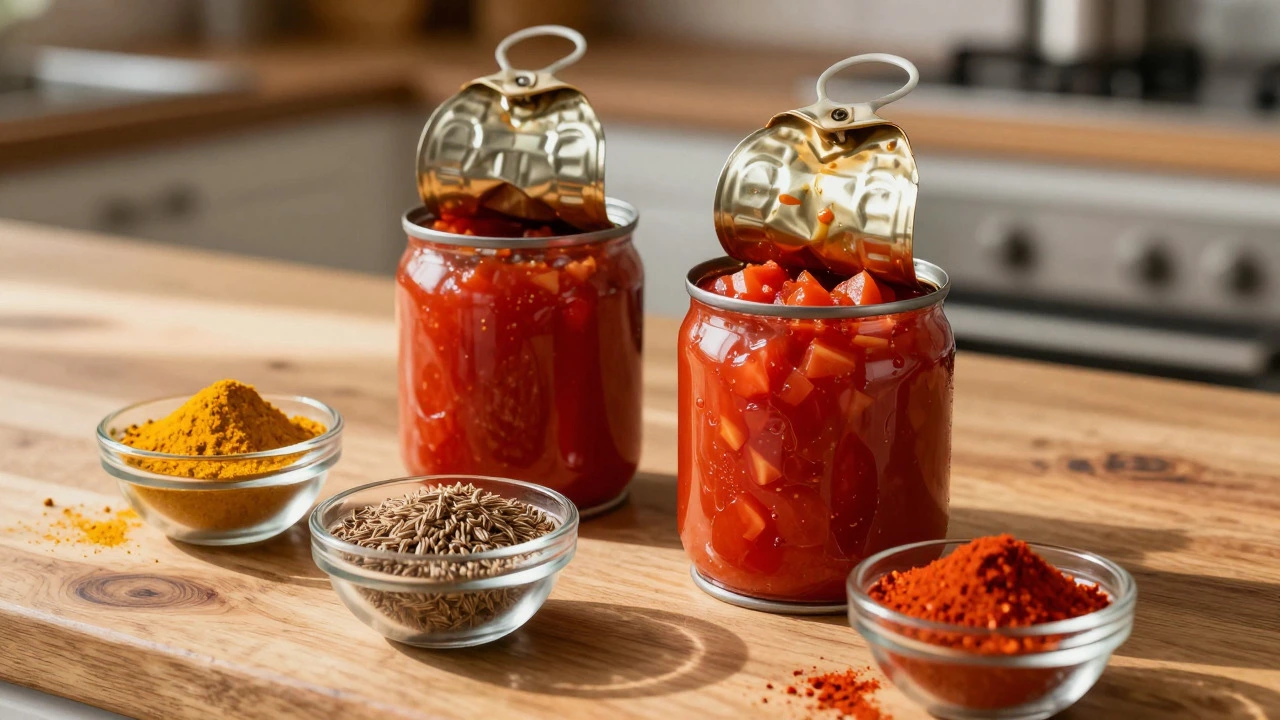
Curry Tomato Selector
Select your dish and preferences to get the perfect tomato recommendation.
Cooking Tips for This Choice:
There is a moment in every chicken curry recipe where the foundation of your dish is decided. You have sautéed your onions until they are golden brown. Your spices-cumin, coriander, turmeric, and garam masala-are blooming in hot oil, releasing that deep, aromatic scent that signals dinner is coming together. Now you reach for the can of tomatoes. Do you grab the smooth, pulpy crushed variety or the chunky, structured diced option? It feels like a small choice, but it changes the entire mouthfeel and finish of your meal.
I have spent years testing this exact variable in my kitchen here in Auckland. The humidity here affects how sauces reduce, and the quality of our local produce means we often supplement with canned goods for consistency. After making dozens of batches of murgh korma, butter chicken, and standard rogan josh, I have found that the answer isn't just about preference. It is about chemistry and texture control.
The Texture Difference: Smooth vs. Chunky
The primary difference between crushed tomatoes and diced tomatoes lies in their physical structure. Crushed tomatoes are essentially whole peeled tomatoes that have been mechanically broken down into a coarse puree. They contain skins and seeds mixed into a thick liquid base. Diced tomatoes, on the other hand, are cut into uniform cubes and packed in juice or puree. They retain their shape during short cooking times.
When you use crushed tomatoes in a curry, you are starting with a head start on emulsification. The sauce will naturally become velvety as it simmers because the cellular walls of the tomato have already been ruptured. This creates a glossy, cohesive gravy that clings beautifully to pieces of chicken. If you are aiming for a restaurant-style North Indian butter chicken or a creamy korma, crushed tomatoes integrate seamlessly without requiring extra blending time.
Diced tomatoes behave differently. They hold their integrity longer. If you add them directly to the pot and simmer for only ten minutes, you will still see distinct chunks of tomato in your final dish. For some curries, like a rustic Goan vindaloo or a hearty vegetable stew, this adds visual appeal and textural contrast. However, if you want a smooth sauce using diced tomatoes, you must plan to blend the mixture after cooking. Otherwise, your curry might look uneven, with pockets of bright red tomato floating in a darker spice broth.
| Feature | Crushed Tomatoes | Diced Tomatoes |
|---|---|---|
| Texture | Smooth, pulpy, consistent | Chunky, distinct pieces |
| Cooking Time | Integrates quickly (5-10 mins) | Takes longer to break down (15+ mins) |
| Blending Required? | No | Yes, for smooth sauces |
| Best For | Butter Chicken, Korma, Tikka Masala | Vindaloo, Chettinad, Rustic Stews |
| Sugar Content | Often higher (concentrated) | Natural balance with juice |
Flavor Concentration and Acidity
Beyond texture, the flavor profile shifts depending on which tomato product you choose. Crushed tomatoes are often more concentrated because the crushing process removes less liquid than the packing juice used for diced varieties. This concentration means the natural sugars in the tomato are more potent. In a curry, sweetness balances the heat from chili powder and the earthiness of turmeric.
If you find your curry too acidic, crushed tomatoes might exacerbate the issue if they are not cooked long enough to caramelize those sugars. Diced tomatoes come with more free-flowing water content, which can dilute the spice paste slightly. This isn't necessarily bad; it gives you more control over the thickness of the gravy. You can evaporate the excess water by simmering uncovered, allowing the flavors to concentrate gradually.
One trick I use in New Zealand, where our winters are damp and cold, is to roast fresh tomatoes instead of using cans when possible. But when sticking to tins, remember that crushed tomatoes often contain calcium chloride to maintain firmness, even though they are crushed. This doesn't affect taste but can impact how the sauce thickens. Diced tomatoes rarely have additives, making them a cleaner ingredient if you are watching for preservatives.
Which Curry Style Demands Which Tomato?
Not all curries are created equal. The type of tomato you should use depends heavily on the regional style of the dish you are preparing. Let's break down the most common chicken curry styles and match them with the right tomato form.
- Butter Chicken (Murgh Makhani): This dish requires a silky, orange-red sauce. Using diced tomatoes would result in a lumpy texture unless you blend everything at the end. Crushed tomatoes are ideal here because they create a uniform base that blends well with cream and butter. The smoothness allows the rich dairy fats to coat the chicken evenly.
- Chicken Tikka Masala: Similar to butter chicken, this popular export cuisine dish relies on a creamy, spiced yogurt-tomato base. Crushed tomatoes provide the necessary body without overwhelming the delicate yogurt flavor. If you use diced tomatoes, you risk curdling the yogurt if the chunks are too large and acidic.
- Chettinad Chicken: Originating from Tamil Nadu, this fiery South Indian curry features coarse-ground spices and distinct textures. Here, diced tomatoes work beautifully. The chunkiness complements the rough grind of the pepper and fennel paste. You don't need a smooth sauce; you want a robust, textured experience.
- Rogan Josh: This Kashmiri lamb or chicken curry is known for its deep red color and oily sheen. Traditionally, it uses dried Kashmiri chilies for color, but modern adaptations use tomatoes. Crushed tomatoes help achieve that vibrant, consistent hue without introducing unwanted chunks that distract from the tender meat.
- Goan Vindaloo: A vinegar-heavy, spicy pork or chicken dish. The acidity cuts through the fat. Diced tomatoes add a pleasant bite and texture that stands up to the intense heat of black pepper and garlic. The structural integrity of the dice prevents the sauce from becoming too thin and watery.
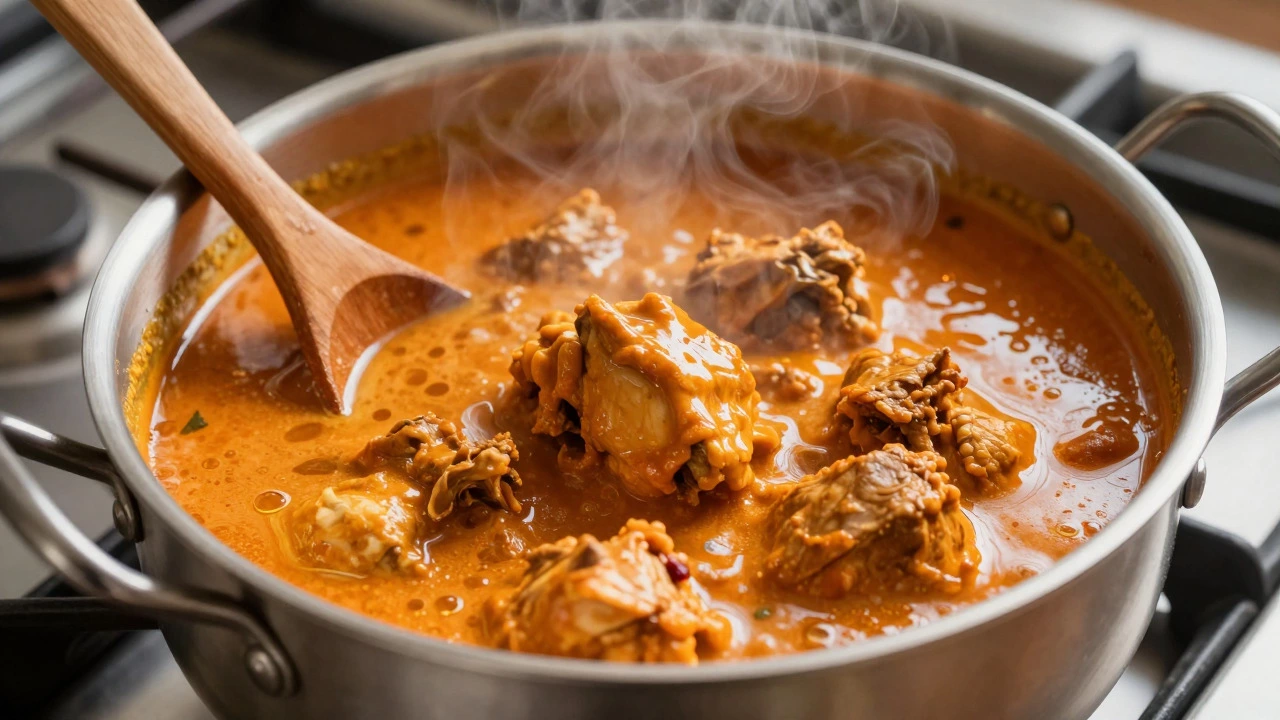
Technique Matters More Than the Can
You can make a great curry with either option if you adjust your technique. The biggest mistake people make is adding raw tomatoes to hot oil without proper preparation. Whether you choose crushed or diced, follow these steps to maximize flavor.
- Bloom the Spices First: Always cook your onion-garlic-ginger paste and dry spices until the oil separates and floats to the top. This indicates the moisture has evaporated and the flavors are concentrated.
- Add Tomatoes Off Heat: Adding acidic tomatoes to extremely hot oil can cause splattering and sometimes burn the spices. Reduce the heat to medium-low before adding your tomatoes.
- Simmer Until Oil Separates Again: This is the golden rule of Indian cooking. Cook the tomatoes until they break down completely and the oil begins to separate from the masala paste. For crushed tomatoes, this takes about 8-10 minutes. For diced tomatoes, it may take 15-20 minutes, or you may need to mash them with a wooden spoon to speed up the process.
- Blend if Necessary: If you used diced tomatoes but want a smooth sauce, remove the chicken pieces, blend the remaining sauce in a blender or with an immersion stick, then return the chicken to the pot.
If you prefer the convenience of crushed tomatoes but worry about the texture being too soft, try adding a tablespoon of tomato paste at the beginning of cooking. This intensifies the umami flavor and helps thicken the sauce further, giving it a richer depth that plain crushed tomatoes sometimes lack.
Fresh Tomatoes: The Third Option
In summer, especially here in New Zealand where our homegrown tomatoes peak from January to March, fresh tomatoes are unbeatable. However, they present their own challenges. Fresh tomatoes have high water content, which can dilute your curry. To mimic the intensity of canned crushed tomatoes, you should roast fresh tomatoes in the oven at 200°C (400°F) for 30 minutes before adding them to your curry. This concentrates the sugars and removes excess water, creating a flavor profile similar to high-quality canned crushed tomatoes.
If you are using fresh diced tomatoes, ensure they are ripe and red. Green or underripe tomatoes will add a grassy, bitter note that clashes with warm spices like cumin and cardamom. Ripe tomatoes bring natural sweetness that balances the heat of green chilies.
Common Mistakes to Avoid
Even with the right tomato, certain errors can ruin your curry. First, avoid adding salt too early when using canned tomatoes. Canned products often contain added sodium, and adding more salt upfront can lead to an overly salty dish as the sauce reduces. Taste and adjust seasoning at the end of cooking.
Second, do not boil your curry vigorously after adding cream or yogurt. High heat can cause the dairy to split, resulting in a grainy texture. Keep the heat low and stir gently. This applies regardless of whether you used crushed or diced tomatoes initially.
Finally, don't ignore the importance of finishing acids. A squeeze of lemon juice or a sprinkle of fresh cilantro at the end brightens the heavy, rich flavors of the tomato and spice base. This step lifts the dish and makes it feel fresh, countering any heaviness from the long cooking process.
Final Verdict: What Should You Choose?
If you want a quick, foolproof method for a creamy, restaurant-style curry like Butter Chicken or Tikka Masala, go with crushed tomatoes. They save you time and effort, providing a smooth, consistent texture without the need for blending. They integrate easily with dairy and create that signature glossy sauce.
If you are making a rustic, spicy, or texturally complex curry like Chettinad or Vindaloo, choose diced tomatoes. Their structure holds up better against intense spices and longer cooking times, adding visual interest and a pleasant chew to the dish. Just be prepared to blend them if you prefer a smoother finish.
Ultimately, the best tomato is the one that matches the style of curry you are trying to achieve. Experiment with both, keep notes on your preferred texture, and soon you will instinctively know which can to grab before you even open the pantry door.
Can I substitute diced tomatoes for crushed tomatoes in a curry?
Yes, you can substitute diced tomatoes for crushed tomatoes, but you will need to adjust your cooking method. Since diced tomatoes are chunkier, you should either mash them with a spoon while cooking to break them down or blend the sauce after it has simmered. Expect the cooking time to increase by about 5-10 minutes to allow the tomatoes to soften and release their juices fully.
Do crushed tomatoes make curry too watery?
Crushed tomatoes are actually thicker than diced tomatoes because they contain less free-flowing juice. They tend to create a richer, more concentrated sauce. If your curry becomes too watery, it is usually due to adding too much stock or water, not the tomatoes themselves. Simmer the curry uncovered to evaporate excess liquid.
Is it better to use fresh or canned tomatoes for curry?
Canned tomatoes are generally better for curries because they are picked at peak ripeness and processed immediately, preserving their flavor and consistency. Fresh tomatoes vary greatly in quality and water content. If you use fresh tomatoes, roasting them first helps concentrate their flavor to match the intensity of canned varieties.
Why does my curry taste metallic when using canned tomatoes?
A metallic taste can occur if the tomatoes were stored in a poor-quality tin or if the curry was cooked in a reactive metal pan like uncoated aluminum. Use stainless steel or cast iron pots for cooking. Additionally, ensuring the tomatoes cook long enough to caramelize their natural sugars can mask any subtle tinny flavors.
Should I drain the juice from diced tomatoes before adding them to curry?
No, you should not drain the juice. The liquid contains valuable flavor and nutrients. In fact, the juice helps create the base of your gravy. If you are worried about the curry being too thin, simply simmer it longer to reduce the liquid. Draining the juice wastes flavor and can result in a dry, pasty masala.
How long should I cook tomatoes in curry to remove acidity?
You should cook tomatoes for at least 10-15 minutes until the oil separates from the masala paste. This slow cooking process breaks down the acids and caramelizes the natural sugars, resulting in a sweeter, milder flavor. Rushing this step can leave your curry tasting sharp and sour.
Can I use tomato paste instead of crushed tomatoes?
Tomato paste is highly concentrated and should not be used as a direct 1:1 substitute for crushed tomatoes. It is best used as a flavor enhancer. Add one tablespoon of tomato paste to your onion-spice base to deepen the color and umami, then add crushed or diced tomatoes for the bulk of the sauce volume.
What is the best brand of canned tomatoes for curry in New Zealand?
In New Zealand, brands like Del Monte and local supermarket own-brands (such as Countdown or Pak'nSave) offer reliable crushed and diced tomatoes. Look for products labeled "whole peeled" or "crushed" without added sugar or citric acid for the cleanest flavor profile suitable for spiced dishes.