Morning Grab-and-Go Readiness Checker
Check off the steps you've completed to see how ready your Indian breakfast system is for a stress-free morning.
Readiness Score
Imagine it’s 7:45 AM. The school bus arrives in twenty minutes, your coffee hasn't even started brewing, and the kitchen counter is a disaster zone of yesterday's dishes. You need fuel, fast. This is where the concept of a grab and go breakfast is a pre-prepared meal that requires zero active cooking or heating upon consumption, designed for maximum convenience during rushed mornings becomes a lifesaver. It isn’t just about eating something; it’s about reclaiming ten to fifteen minutes of your day without sacrificing nutrition or flavor.
In the context of Indian cuisine, this idea moves far beyond the standard slice of toast. We are talking about leveraging the rich, complex flavors of our pantry into formats that travel well and stay fresh. Whether you are a parent juggling multiple schedules or a professional who skips breakfast at home but needs energy by noon, the right strategy can change your entire morning routine. The goal here is simplicity that doesn’t taste like a compromise.
The Core Principles of Efficient Morning Eating
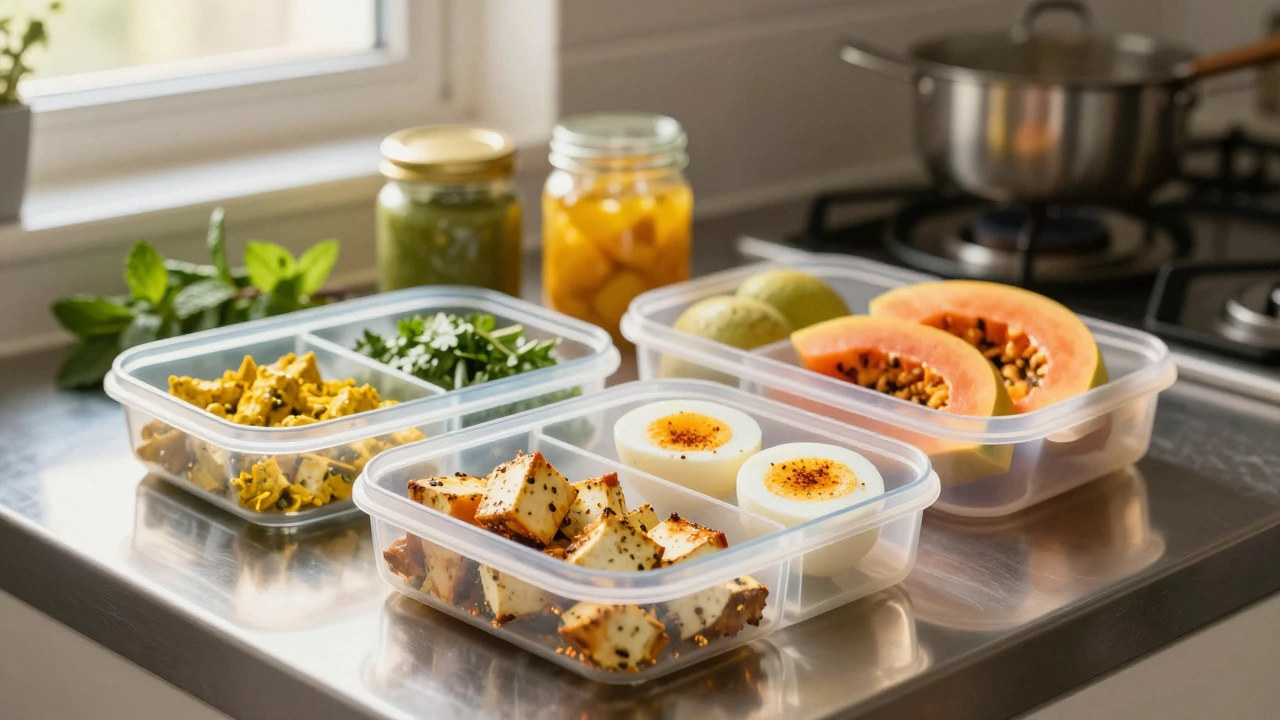
Before we look at specific recipes, let’s define what actually makes a meal "grab and go." It’s not just about speed; it’s about stability. A true grab-and-go option must withstand the transition from fridge to bag to mouth without turning soggy, cold, or unappetizing. This involves understanding food safety basics and texture management. For instance, wet ingredients like chutneys should be packed separately from dry components like crackers or parathas to maintain crunch. Similarly, proteins like paneer or boiled eggs hold their shape better than soft curries when stored overnight.
There is also the element of "passive prep." The best systems rely on work done the night before or on weekends. If you find yourself standing over a stove in the morning, the system has failed. Instead, think in terms of batch processing. Cook a large pot of dal or rice on Sunday. Portion it out. Reheat only what you need, or better yet, design meals that eat well at room temperature. This shift in mindset-from daily cooking to weekly planning-is the single biggest factor in reducing morning stress.
Top Indian Ingredients That Travel Well
Not all Indian foods behave well in a lunchbox. Some turn into mush, others lose their aroma, and some simply taste better hot. However, several staples are naturally suited for portable consumption. Understanding these helps you build a rotation that stays interesting.
- Paneer: Firm cubes of paneer don’t require reheating if marinated well. They retain moisture and flavor even after sitting in a fridge for 24 hours. Pair them with mint chutney for a protein-rich bite.
- Boiled Eggs: Hard-boiled eggs are the ultimate macro-balanced snack. Season them with chaat masala and black pepper for an instant flavor upgrade that feels indulgent despite being simple.
- Roti and Paratha: Whole wheat rotis keep well if wrapped tightly in parchment paper. They reheat in seconds in a microwave or toaster oven, making them a versatile base for quick wraps.
- Dry Dal Varieties: Unlike creamy lentil soups, dals cooked with less water (like a thick moong dal) hold up better. They thicken as they cool, which prevents sogginess in containers.
- Fruits and Yogurt: Fresh fruits like papaya or banana provide natural sweetness without added sugar. Greek yogurt mixed with seeds offers probiotics and protein, serving as a cooling counterbalance to spiced items.
Five Ready-to-Eat Combinations for Busy Days
Let’s move from theory to practice. Here are five specific combinations that balance taste, nutrition, and ease of preparation. Each one takes less than five minutes to assemble in the morning because the heavy lifting was done previously.
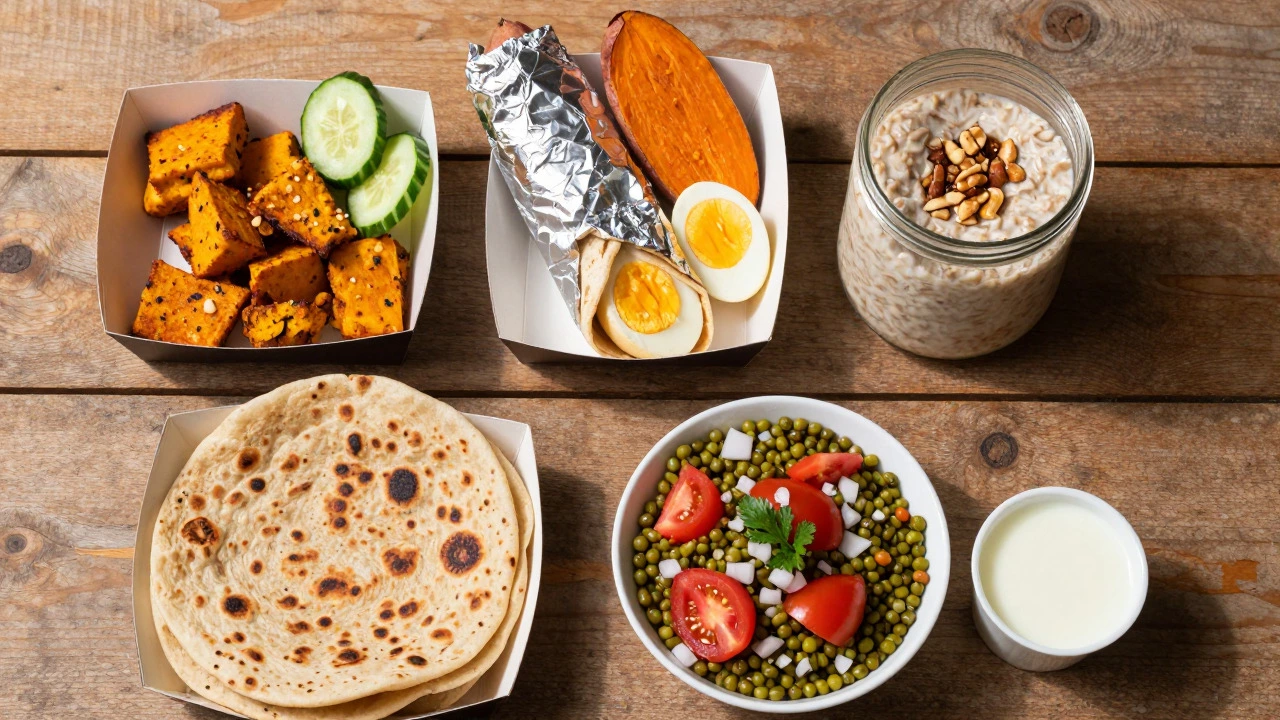
- The Paneer Tikka Box: Marinate cubed paneer in yogurt, turmeric, and cumin the night before. Roast or pan-fry in batches on Sunday. In the morning, pack four to five pieces with a small container of mint-coriander chutney and a few cucumber slices. It’s high-protein and requires no heating.
- Sweet Potato and Egg Wrap: Boil sweet potatoes until tender and mash them lightly with salt and chili powder. Roll them inside a pre-cooked whole wheat roti along with a sliced hard-boiled egg. Wrap in foil. This provides complex carbohydrates and fiber, keeping you full until lunch.
- Overnight Oats with Chai Spices: Mix rolled oats with milk, chia seeds, cinnamon, and cardamom. Let them sit in the fridge overnight. In the morning, top with chopped nuts and a drizzle of honey. It’s a twist on a Western staple that uses familiar Indian aromatics.
- Mung Bean Salad Bowl: Cook mung beans (moong dal) until soft but not mushy. Cool completely. Toss with diced tomatoes, onions, lemon juice, and coriander. Pack in a container. It’s refreshing, light, and hydrating, perfect for warmer months.
- Paratha and Pickle Combo: Keep a stack of flaky parathas in the freezer. Take one out the night before to thaw in the fridge. In the morning, toast it quickly (30 seconds) or eat it warm from the fridge if you prefer. Pair with a spoonful of mango pickle and a glass of buttermilk. Simple, savory, and satisfying.
Packing Strategies to Prevent Messes
Even the best recipe fails if it arrives at your desk as a brown sludge. Proper packing is a skill that separates a good experience from a bad one. The golden rule is separation. Never mix liquids with dry goods until the moment of eating. Use compartmentalized containers or separate zip-lock bags for sauces, pickles, and chutneys.
Temperature control matters too. If you’re carrying perishable items like paneer or yogurt, use an insulated lunch bag with an ice pack. This keeps bacteria growth low and maintains texture. For dry items like rotis or biscuits, ensure the packaging is airtight to prevent them from drying out or absorbing odors from other food items. Labeling your containers can also save mental bandwidth in the morning-knowing exactly what’s inside means no guessing games while you’re rushing out the door.

Nutritional Balance for Sustained Energy
A common pitfall with quick breakfasts is relying too heavily on refined carbs, leading to an energy crash by mid-morning. To avoid this, aim for a ratio that includes protein and healthy fats. Protein slows digestion and stabilizes blood sugar levels. Fats add satiety. When building your grab-and-go box, ask yourself: "Where is my protein?" If the answer is nowhere, add a handful of almonds, a boiled egg, or a portion of paneer. If the meal is mostly starch, add some vegetables for fiber. This balance ensures you don’t feel hungry two hours later, which is crucial for maintaining focus at work or school.
| Option | Prep Time (Night Before) | Assembly Time (Morning) | Primary Nutrient | Best For |
|---|---|---|---|---|
| Paneer Tikka Box | 15 mins (batch cook) | 2 mins | Protein | High-energy days |
| Overnight Oats | 5 mins | 1 min | Fiber/Carbs | Light mornings |
| Egg & Sweet Potato Wrap | 10 mins | 3 mins | Complex Carbs | Active lifestyles |
| Mung Bean Salad | 20 mins (cook) | 2 mins | Plant Protein | Vegetarian diets |
Troubleshooting Common Morning Failures
Things don’t always go to plan. Maybe you forgot to take the ice pack. Maybe the paratha got crushed. Here is how to adapt. If your food is colder than expected, drink warm water or chai alongside it to warm your body internally. If a wrap has become slightly dry, dampen a paper towel and wrap the food in it for a minute in the microwave if you have access to one at work. If you have absolutely no time to prepare anything, keep a emergency stash in your bag: a packet of roasted makhana (fox nuts), a bar of dark chocolate, or a bottle of coconut water. These are non-perishable, nutrient-dense options that beat skipping breakfast entirely.
Consistency is key. Start with one day a week where you prepare ahead. Once that habit sticks, expand to two or three days. The first week might feel tedious, but by the third week, it will feel like second nature. Your future self, standing in the kitchen with time to spare, will thank you for the effort put in now.
Can I eat paneer cold?
Yes, paneer tastes great cold, especially if it is marinated in flavorful spices or yogurt. It holds its texture well and does not require reheating. Just ensure it has been stored in the refrigerator to prevent bacterial growth.
How long do rotis last in the fridge?
Whole wheat rotis can last up to 3-4 days in the refrigerator if wrapped tightly in parchment paper or aluminum foil. They may become slightly firm, but they soften up quickly when toasted or microwaved.
What is the healthiest grab and go option?
A combination of boiled eggs, whole grain bread or roti, and fresh fruit is often considered the most balanced. It provides high-quality protein, complex carbohydrates, and essential vitamins without excessive calories or added sugars.
Do I need special containers for Indian food?
You don't need expensive specialized gear, but leak-proof containers with tight seals are essential. Since many Indian dishes involve oils and spices, airtight lids prevent smells from spreading and keep the food fresh. Compartmentalized boxes are helpful for separating chutneys from dry items.
Is it okay to skip breakfast if I'm busy?
While intermittent fasting works for some, skipping breakfast regularly can lead to overeating later in the day and lower cognitive function. If you truly have no time, opt for a liquid calorie source like a smoothie or a protein shake rather than nothing at all.