Indian Breakfast Builder
Select your preferred regional style and dietary needs to get a personalized breakfast recommendation that balances tradition with modern health science.
Step 1: Choose Your Region
Step 2: Dietary Preferences
Your Recommended Morning Plate
Main Dish
Essential Add-ons
You might have heard the old saying that breakfast is the most important meal of the day. In many Western countries, this means a heavy plate of eggs, bacon, and toast before you head to work. But if you ask someone from India, they will likely look at you with a mix of amusement and confusion. Why? Because for centuries, Indian culinary tradition has held a very different view on when you should actually eat.
The truth is, there is no single "most important" meal across the entire subcontinent. India is too vast, too diverse, and too culturally rich for one rule to apply everywhere. However, if we look at traditional Ayurvedic principles and modern nutritional science together, a clear pattern emerges. The consensus among health experts and cultural historians is that while lunch was historically considered the main event, breakfast has become increasingly critical in modern urban life, shifting from a simple tea-and-biscuit affair to a complex, regional powerhouse of nutrition.
The Historical Shift: From Lunch to Breakfast
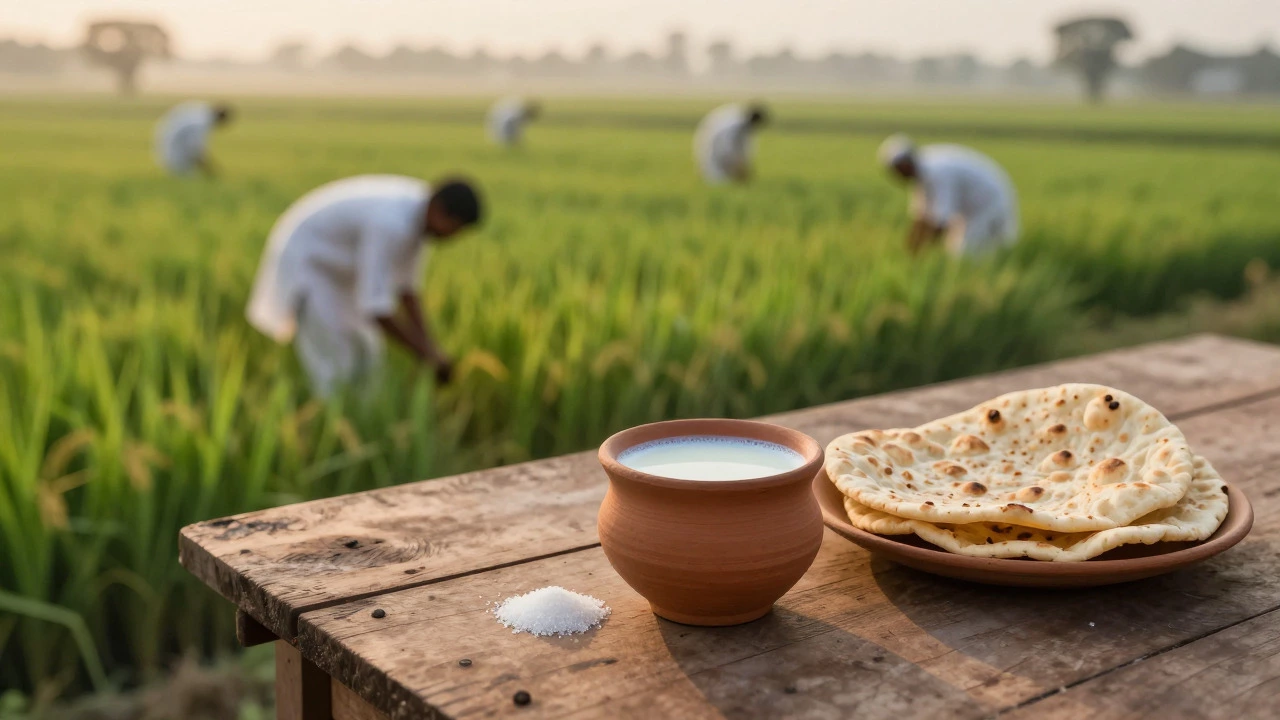
To understand why breakfast matters now, you have to look at where it came from. Historically, in agrarian societies across North and South India, the midday meal-lunch-was king. Farmers worked through the cool morning hours, broke their fast with a light snack or tea around 10 AM, and then sat down for a substantial meal after returning from the fields. This meal included rice or roti, lentils (dal), vegetables, and often curd. It provided the calories needed for the afternoon rest and evening chores.
Breakfast, known locally as nashta, was minimal. It was rarely more than hot milk with sugar, maybe some bread, or leftover flatbreads. The logic was simple: your body wasn't fully awake yet, so don't overload it. But industrialization changed everything. Office jobs replaced fieldwork. Commutes got longer. The luxury of a long lunch break disappeared for millions of people. Suddenly, skipping breakfast led to mid-morning crashes, poor concentration, and unhealthy snacking. Today, nutritionists argue that a balanced Indian breakfast is essential for metabolic health.
Why Lunch Still Holds Cultural Weight
Even though breakfast has gained importance, lunch retains its status as the social and caloric anchor of the day in many households. If you visit a home in Punjab, Gujarat, or Tamil Nadu at 1 PM, you are expected to eat. Refusing lunch can be seen as rude. This meal is typically the largest portion of carbohydrates and proteins consumed in a 24-hour period.
However, calling lunch the "most important" meal ignores the physiological reality of modern lifestyles. Many Indians now skip lunch due to tight schedules or intermittent fasting trends. When lunch is skipped or eaten hastily at a desk, the quality of nutrition drops. This is where breakfast steps in as the stabilizer. A protein-rich morning meal sets the blood sugar levels for the rest of the day, preventing the insulin spikes that come from sugary chai and biscuits.
Regional Diversity: What Does "Important" Look Like?
India doesn't have one breakfast; it has hundreds. What is considered a vital morning fuel in Mumbai is completely different from what powers a day in Kolkata or Hyderabad. Understanding these regional differences helps us see how local ingredients dictate nutritional value.
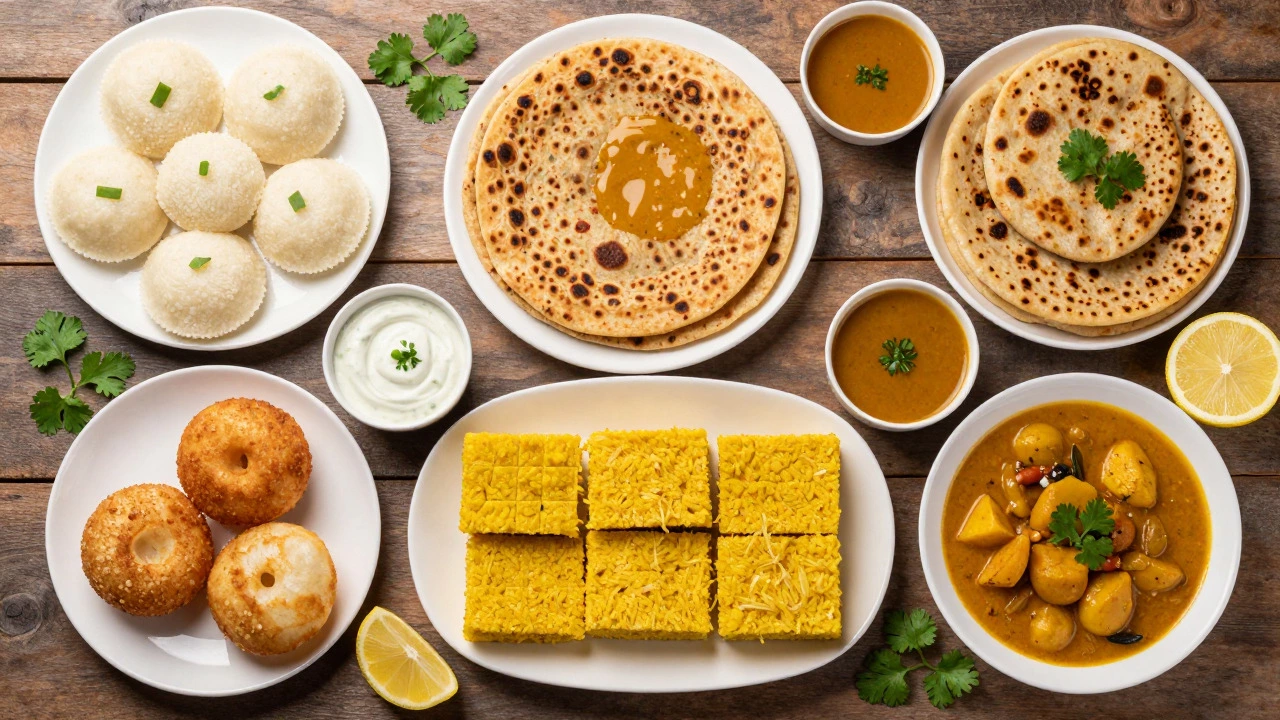
| Region | Staple Dish | Primary Ingredients | Nutritional Profile |
|---|---|---|---|
| South India | Idli & Dosa | Fermented rice batter, urad dal, coconut chutney | High probiotics, moderate carbs, low fat (if steamed) |
| North India | Paratha & Poha | Wheat flour, ghee, flattened rice, peanuts | High calorie, high carb, moderate protein |
| West India | Dhokla & Khaman | Chickpea flour, semolina, mustard seeds | High protein, gluten-free options available |
| East India | Luchi & Alur Torkari | Maida (refined flour) fried bread, potato curry | High glycemic index, lower fiber |
Notice the difference? South Indian breakfasts like Idli are fermented, which aids gut health-a concept gaining traction in global wellness circles. North Indian Parathas are calorie-dense, designed for cold winters and physical labor. West Indian Dhoklas are made from chickpea flour, offering a plant-based protein punch that many vegetarians miss elsewhere. There is no "best" option, only what suits your biology and lifestyle.
The Science of Morning Fuel
Why do doctors now push for a better Indian breakfast? It comes down to cortisol and insulin. Cortisol, the stress hormone, peaks in the morning. If you wake up stressed and drink only sweet tea, your blood sugar spikes and crashes within two hours. You feel tired by 11 AM. You reach for samosas or biscuits, spiking it again.
A proper meal breaks this cycle. Foods rich in fiber and protein slow down digestion. For example, adding boiled eggs to your toast, or mixing flaxseeds into your poha, creates satiety. Studies published in the Indian Journal of Endocrinology and Metabolism suggest that regular breakfast consumption is linked to lower rates of type 2 diabetes among urban Indians. Skipping breakfast correlates with higher visceral fat accumulation. So, while lunch may be larger, breakfast is the lever that controls your metabolic health.
Common Pitfalls in Modern Indian Mornings
Despite knowing better, many people fall into bad habits. Here are the three biggest mistakes:
- The Chai-Biscuit Trap: Tea with sugar and Marie biscuits offers almost zero nutritional value. It’s empty calories that leave you hungry an hour later.
- Over-Reliance on Refined Flour: Many urban families rely on white bread or maida-based parathas. These lack fiber and spike blood glucose rapidly. Switching to whole wheat or millet-based options changes the game.
- Ignoring Hydration: People often forget to drink water upon waking, opting straight for caffeine. Dehydration mimics hunger, leading to overeating later.
How to Build Your Ideal Morning Plate
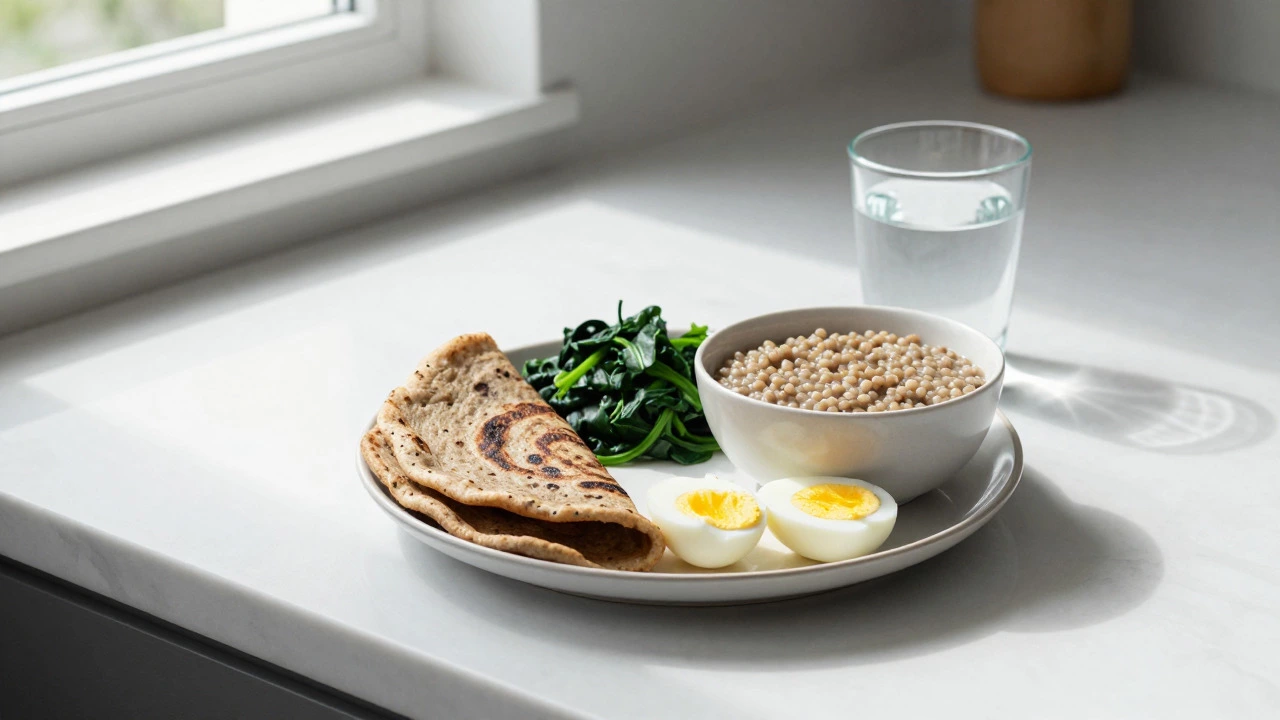
You don’t need to cook elaborate feasts every morning. The goal is balance. Aim for three components: protein, fiber, and healthy fats. Here is a quick guide based on common Indian staples:
- Protein First: Start with eggs, paneer, sprouts, or yogurt. If you are vegan, try tofu scrambles or moong dal chilla.
- Add Volume with Veggies: Don’t just eat dry parathas. Add a side of sautéed spinach, cucumber raita, or carrot salad. This adds micronutrients without extra calories.
- Choose Smart Carbs: Opt for oats, millets (like ragi or jowar), or whole grain rotis instead of white rice or refined flour. Fermented foods like idli and dosa are excellent because the fermentation process increases nutrient bioavailability.
If you’re short on time, prep ahead. Make batter for dosa or dhokla on weekends. Keep boiled eggs ready. The effort isn’t about cooking skill; it’s about planning.
Is Dinner More Important Than Breakfast?
This is a common counter-argument. In many cultures, dinner is the family gathering point. Psychologically, it feels important. But physiologically, late-night heavy dinners disrupt sleep and metabolism. Eating a large meal close to bedtime forces your body to digest when it should be resting. This leads to acid reflux and poor sleep quality. Compared to a heavy dinner, a lighter, earlier dinner paired with a robust breakfast is far superior for weight management and energy levels.
Final Thoughts on Prioritizing Your Meals
So, what is the most important meal in India? The answer depends on who you ask and how they live. Traditionally, it was lunch. Culturally, dinner binds families. But for health, longevity, and daily performance, breakfast has quietly taken the throne. It is the foundation upon which the rest of your day is built. Ignoring it risks metabolic chaos; prioritizing it unlocks sustained energy. You don’t need to abandon your favorite biryani or butter chicken, but start respecting the morning plate. Treat it not as a chore, but as the first investment in your day.
Is it okay to skip breakfast in India?
While some people practice intermittent fasting and skip breakfast successfully, for most Indians, skipping leads to overeating later. Traditional wisdom suggests a light morning intake, but modern health guidelines recommend a balanced meal to stabilize blood sugar and improve focus throughout the day.
Which Indian breakfast is the healthiest?
Fermented foods like Idli and Dosa are highly regarded for gut health due to probiotics. Millet-based dishes like Ragi Porridge or Jowar Roti are also excellent choices because they are high in fiber and have a lower glycemic index compared to wheat or rice-based options.
Why is lunch traditionally bigger than breakfast in India?
Historically, agricultural lifestyles required heavy energy during the working day. Lunch provided the necessary calories for afternoon labor. Additionally, the climate in many parts of India makes midday the natural pause point for the hottest part of the day, encouraging a sit-down meal.
Can I eat leftovers for breakfast?
Yes, eating leftover roti or sabzi (vegetable curry) is common and practical. Just ensure you add a fresh source of protein like an egg or yogurt, and perhaps some raw vegetables, to boost the nutritional profile and avoid monotony.
Does drinking tea count as breakfast?
No. Tea, especially with sugar and milk, is a beverage, not a meal. It lacks sufficient protein, fiber, and complex carbohydrates to sustain energy levels for several hours. Pairing tea with a nutritious solid food is essential for a complete breakfast.