Pulse Soaking Guide
Kidney Beans
Rajma
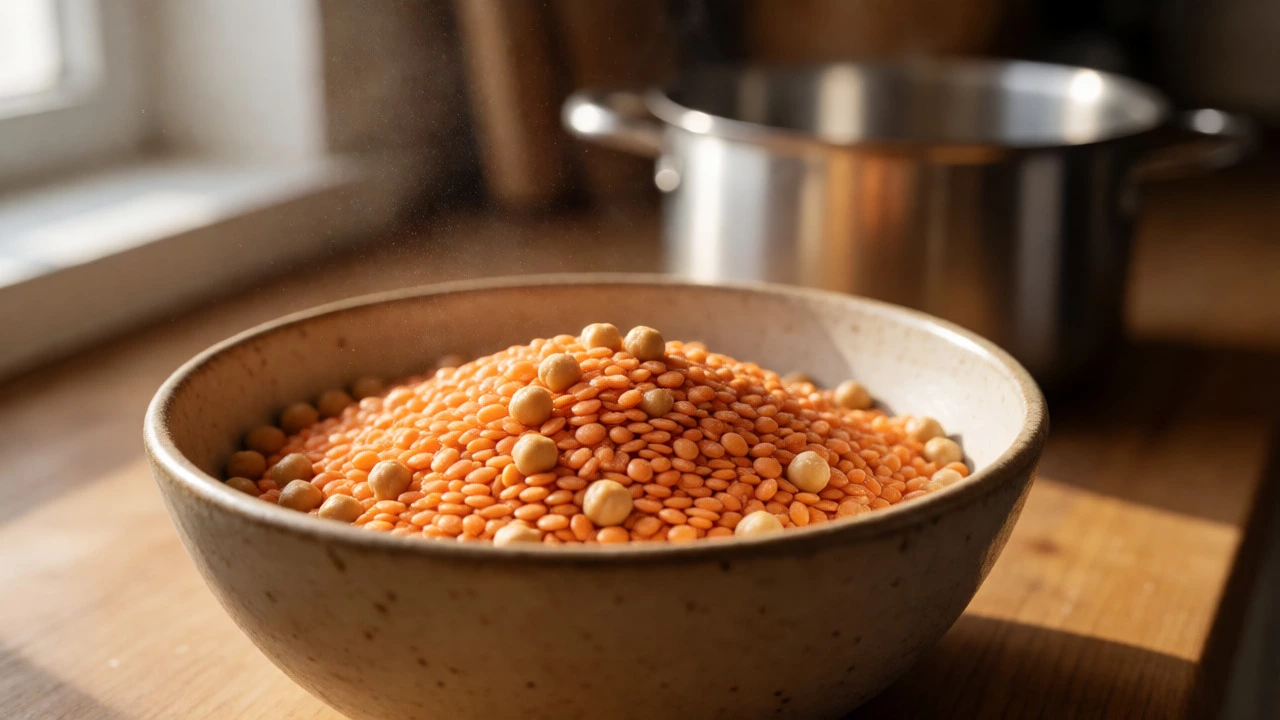
Red Lentils
Masoor Dal
Whole Mung
Sabut Moong
Chickpeas
Chana
Yellow Split Peas
Chana Dal
Black-Eyed Peas
Lobia
Soaking Requirement
Estimated Cook Time (Soaked)
Digestibility & Gas Risk
Quick Tip
You’re rushing to make dinner. The packet of red lentils is right there on the shelf, and you think, "Do I really need to soak these?" It’s a question every home cook asks at least once. We’ve all been tempted to skip that extra step to save time. But what actually happens if you throw dry pulses straight into the pot? Does the dal taste bad? Do you get gas? Or is it just a myth passed down by grandmothers?
The short answer: yes, it matters. Skipping the soaking process changes everything from the texture of your dal to how well your body absorbs nutrients. It’s not just about tradition; it’s chemistry. Let’s break down exactly why those few hours of soaking are worth it, and when you might actually get away with skipping it.
The Science Behind Soaking Pulses
Pulses-like chickpeas, kidney beans, and whole mung beans-are seeds. They contain natural defenses designed to protect them until they’re ready to sprout. Two of the main culprits here are phytic acid and tannins. These compounds bind to minerals like iron, zinc, and calcium, making them harder for your gut to absorb. This is often called the "anti-nutrient" effect.
When you soak pulses in water, you activate enzymes that start breaking down these compounds. It’s essentially pre-digestion. If you skip this step, you’re asking your digestive system to do all the heavy lifting. For many people, especially those with sensitive stomachs, this leads to bloating and discomfort. Soaking also helps leach out some of the oligosaccharides (complex sugars) that cause gas. By discarding the soaking water, you’re washing away a significant portion of the stuff that makes you feel uncomfortable after eating.
Texture and Cooking Time Differences
Beyond digestion, soaking drastically affects the final dish. Unsoaked pulses take much longer to cook. If you try to rush them, you often end up with a mushy exterior and a chalky, undercooked interior. This uneven texture can ruin a creamy dal or a hearty rajma.
Soaked pulses cook more evenly. The water penetrates the seed coat, softening the structure so heat can reach the center uniformly. This means you can use lower heat and shorter cooking times, which preserves the delicate flavors of spices. Try this experiment: cook half a cup of soaked chickpeas and half a cup of unsoaked ones in separate pots. You’ll likely find the unsoaked batch takes twice as long and still feels gritty between your teeth.
| Feature | Soaked Pulses | Unsoaked Pulses |
|---|---|---|
| Cooking Time | Shorter (30-60 mins) | Longer (1-2+ hours) |
| Digestibility | High (less gas/bloating) | Low (higher risk of discomfort) |
| Nutrient Absorption | Better (reduced phytic acid) | Poorer (minerals bound) |
| Texture | Creamy, even, tender | Potentially gritty or split skins |
| Flavor | Milder, absorbs spices better | Can taste "beany" or raw |
Which Pulses Need Soaking Most?
Not all pulses are created equal. Some have thin skins and low anti-nutrient levels, while others are tough nuts to crack. Here is a quick guide on what to prioritize:
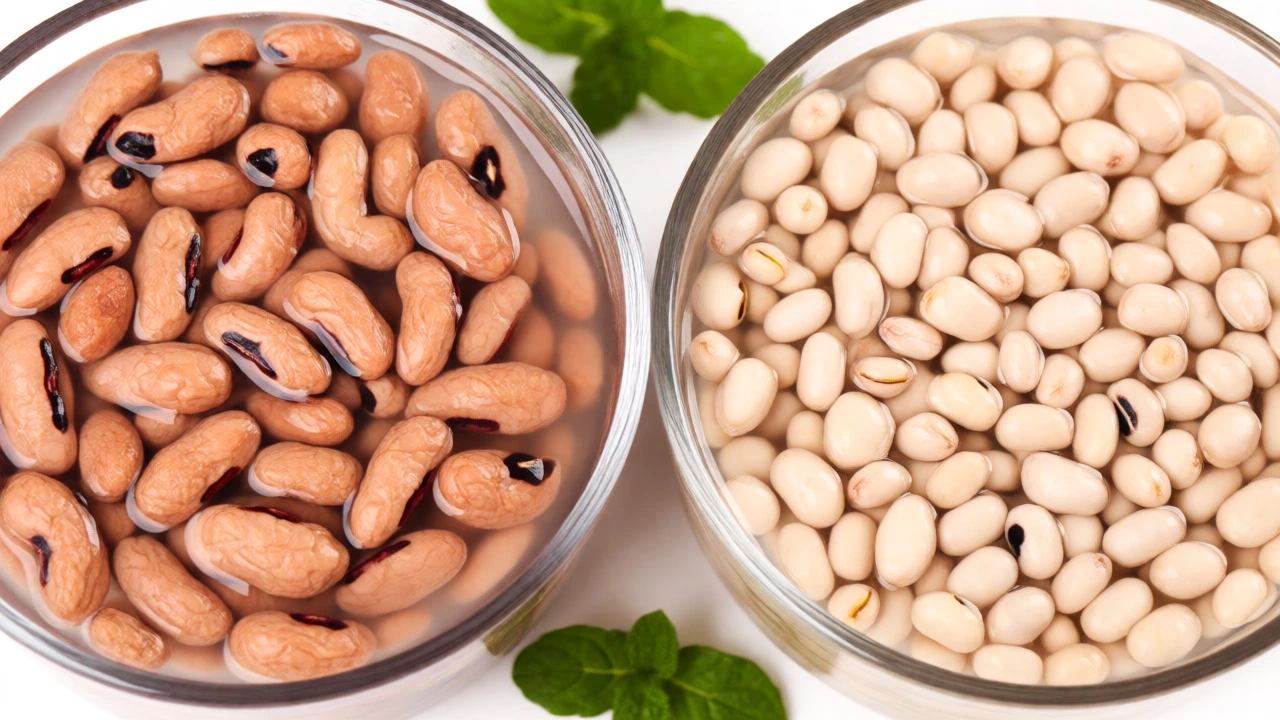
- Must Soak: Kidney beans (Rajma), Black-eyed peas (Lobia), and Chickpeas (Chana). These are dense and high in lectins. Undercooked kidney beans can actually be toxic due to phytohaemagglutinin, so proper soaking and boiling are critical for safety.
- Should Soak: Whole Mung Beans (Sabut Moong) and Whole Urad Dal. These benefit greatly from soaking to reduce cooking time and improve digestibility.
- Optional Soak: Red Lentils (Masoor Dal) and Yellow Split Peas (Chana Dal). Because their outer skin has been removed during processing, they cook quickly (15-20 minutes) and don’t require soaking for texture. However, a quick 15-minute rinse-and-soak can still help remove dust and slightly improve digestion.
The Quick-Soak Method: No Time? No Problem
If you forgot to plan ahead, don’t panic. You don’t need an overnight soak. There’s a technique called the "quick soak" that works wonders. Boil your pulses in plenty of water for two minutes. Turn off the heat, cover the pot, and let them sit for one hour. Drain and rinse. This method achieves about 80% of the benefits of a long soak. It breaks down the cell walls enough to speed up cooking and reduce the bitter tannins.
Another trick is using a pressure cooker. While soaking is still recommended for best results, a pressure cooker generates high steam temperatures that can break down tough fibers faster than a regular pot. Just remember to add extra water, as unsoaked pulses absorb more liquid during cooking.
Does Soaking Remove Nutrients?
A common fear is that soaking washes away vitamins. It’s true that some water-soluble B-vitamins may leach into the soaking water. However, studies suggest that the increase in mineral bioavailability (iron, zinc, magnesium) outweighs the minor loss of vitamins. Plus, you can always cook the pulses in fresh water rather than the soaking water to avoid re-introducing any dissolved anti-nutrients. The net gain for your health is positive.
Also, consider fermentation. In South Indian cuisine, idlis and dosas rely on fermented batter. Fermentation goes a step further than soaking, actively producing beneficial bacteria and significantly reducing phytic acid. If you’re looking for maximum nutrition and gut health, fermenting your pulses is the gold standard.
Practical Tips for Better Dals
Ready to upgrade your dal game? Here are a few rules of thumb from my kitchen in Auckland:
- Always Rinse First: Before soaking, rinse your pulses thoroughly. This removes dust, stones, and broken pieces. You don’t want grit in your soup.
- Discard Floating Skins: During rinsing, some skins will float. Skim them off. They can sometimes contribute to bitterness.
- Use Warm Water: If you’re short on time, soak in warm water instead of cold. It speeds up the enzymatic activity.
- Add Salt Late: Adding salt at the beginning of cooking can toughen the skins of some pulses, especially beans. Add it in the last 10 minutes for creamier results.
- Spice Timing: Bloom your spices in oil/ghee before adding the cooked dal. This ensures the flavor infuses deeply, compensating for any mildness lost through soaking.
Ultimately, soaking pulses isn’t just a chore-it’s an investment in your meal’s quality and your body’s comfort. Whether you’re making a simple weeknight masoor dal or a complex weekend rajma, taking those few hours (or minutes) to prepare your ingredients pays off. Your stomach-and your tastebuds-will thank you.
Can I eat unsoaked red lentils?
Yes, red lentils (masoor dal) have had their skins removed, so they cook very quickly and are easy to digest even without soaking. A thorough rinse is usually sufficient, though a brief 15-minute soak can still help with cleanliness and slight texture improvement.
Why do I get gas from eating dal?
Gas is primarily caused by oligosaccharides (complex sugars) in pulses that our bodies struggle to break down. Soaking pulses and discarding the water removes a significant amount of these sugars. Additionally, adding digestive aids like asafoetida (hing), ginger, or cumin during cooking can help reduce bloating.
How long should I soak kidney beans?
Kidney beans should ideally be soaked for 8-12 hours, or overnight. This ensures they soften properly and reduces the risk of foodborne illness from lectins. Never cook kidney beans from dry without adequate soaking and thorough boiling.
Does soaking remove protein?
No, soaking does not remove protein. Protein is not water-soluble in the way some minerals or vitamins might be. You retain the full protein content of the pulse, while gaining better absorption of other nutrients.
Is it safe to drink the soaking water?
It is generally recommended to discard the soaking water. It contains leached-out anti-nutrients like phytic acid and tannins, as well as dirt and impurities. Using fresh water for cooking results in a cleaner taste and easier digestion.