Dosa Nutrition & Health Calculator
Configure Your Meal
Nutritional Breakdown
Select your options and click "Analyze My Meal" to see the breakdown.
Smart Choice Tip
Fermentation in dosa batter increases Vitamin B1 by up to 50% and improves mineral absorption compared to non-fermented breads.
You’ve probably heard that dosa is a thin, crispy crepe made from fermented rice and lentil batter, originating from South India. It’s a staple breakfast across the subcontinent and a favorite snack worldwide. But is it actually good for you?
The short answer is yes. In fact, when prepared traditionally, dosa might be one of the most nutritious flatbreads you can eat. Unlike many fried snacks that are heavy on refined flour or deep-fried in oil, dosa relies on fermentation-a process that transforms simple ingredients into a nutritional powerhouse. However, like any food, its health impact depends heavily on how you make it, what you put inside it, and what you dip it in.
The Magic of Fermentation: Why Dosa Beats Regular Roti
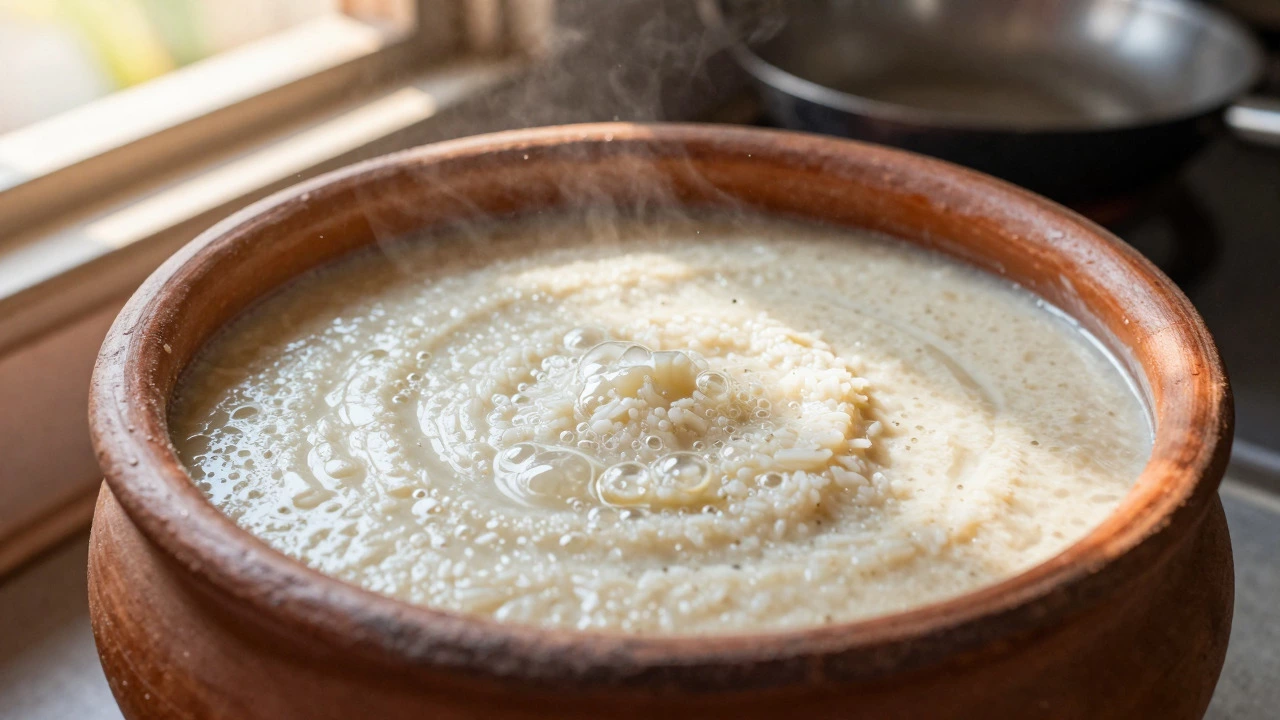
Let’s talk about why your grandmother’s dosa is better for you than a store-bought tortilla. The secret lies in fermentation, which is a biological process where microorganisms like bacteria and yeast break down carbohydrates into alcohol, organic acids, or gases.
When you mix rice and urad dal (black gram) and let the batter sit overnight, wild lactic acid bacteria and yeasts go to work. This isn’t just about making the batter fluffy; it’s a biochemical upgrade. Here is what happens:
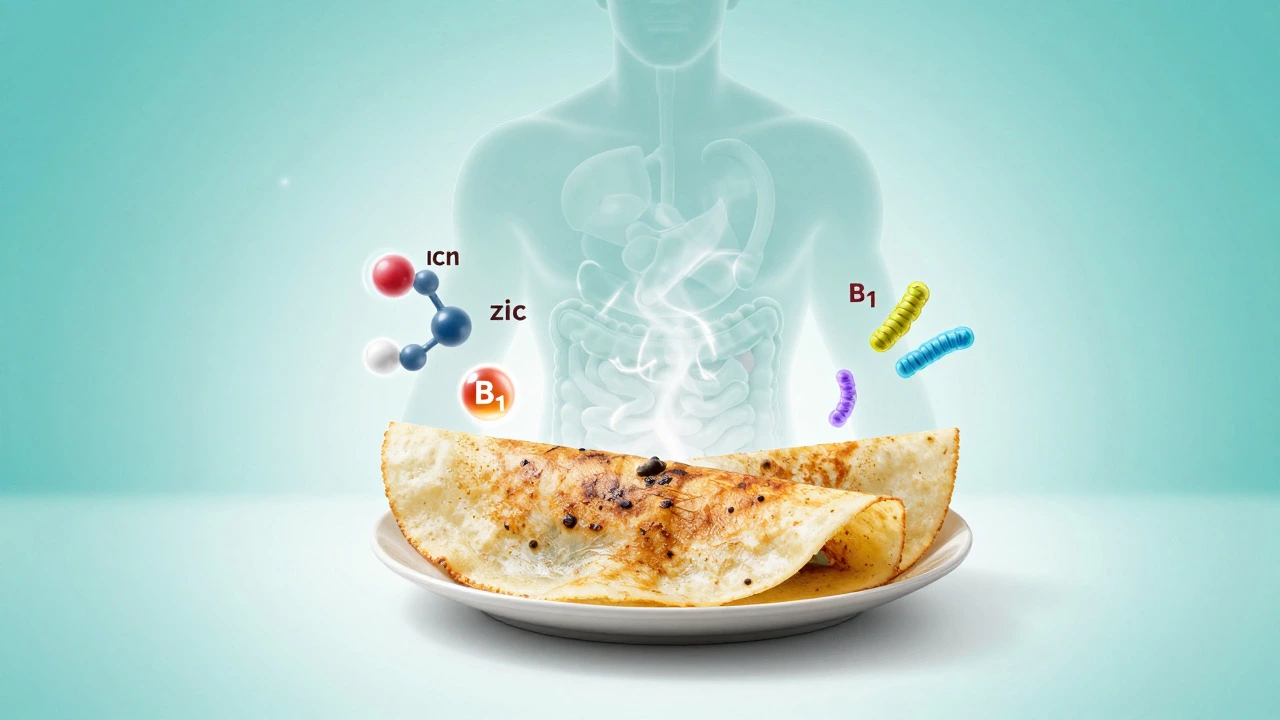
- Increased Bioavailability: Fermentation breaks down phytic acid, an anti-nutrient found in grains and legumes that blocks the absorption of iron, zinc, and calcium. By reducing phytic acid, your body absorbs significantly more minerals from the same meal.
- Predi-gested Carbs: The microbes start breaking down complex starches into simpler sugars. This means the digestive load on your stomach is lighter, which is why dosa feels so gentle on the gut compared to heavy, unfermented breads.
- Vitamin Boost: Studies have shown that fermented rice-lentil batters can increase levels of Vitamin B1 (thiamine) by up to 50% compared to non-fermented versions. Thiamine is crucial for energy metabolism and nerve function.
This natural process makes dosa a probiotic-rich food. While the heat of cooking kills the live bacteria, the postbiotic compounds remain, supporting a healthy gut microbiome. If you struggle with bloating or indigestion, switching from wheat roti to dosa might be the relief you’re looking for.
Nutritional Breakdown: What’s Actually in a Dosa?
To understand if dosa fits your diet, we need to look at the numbers. A standard medium-sized plain dosa (about 6 inches in diameter) typically contains approximately 150-170 calories. Let’s break down the macronutrients based on a traditional recipe using equal parts rice and urad dal by weight after soaking.
| Nutrient | Amount | % Daily Value* |
|---|---|---|
| Calories | 160 kcal | 8% |
| Carbohydrates | 30g | 11% |
| Protein | 4g | 8% |
| Fat | 2g | 3% |
| Fiber | 1.5g | 5% |
| Sodium | 15mg | 1% |
*Percent Daily Values are based on a 2,000-calorie diet.
The protein content comes primarily from the urad dal. While 4 grams doesn’t sound like much, it’s plant-based protein that complements the amino acid profile of the rice. Together, they form a near-complete protein source, meaning your body gets all the essential building blocks it needs for muscle repair and immune function.
However, the carbohydrate count is significant. For someone monitoring blood sugar, this matters. The glycemic index (GI) of a plain dosa is moderate, around 55-60, depending on the rice variety used. White rice has a high GI, but the fermentation process and the addition of lentils lower the overall glycemic response. Still, it’s not a low-carb food. If you are on a strict ketogenic or very low-carb diet, traditional dosa won’t fit unless you modify the recipe significantly.
How Ingredients Change the Health Picture
Not all dosas are created equal. The base ingredients play a huge role in whether this dish supports your health goals or hinders them. You can tweak the batter to target specific nutritional needs.
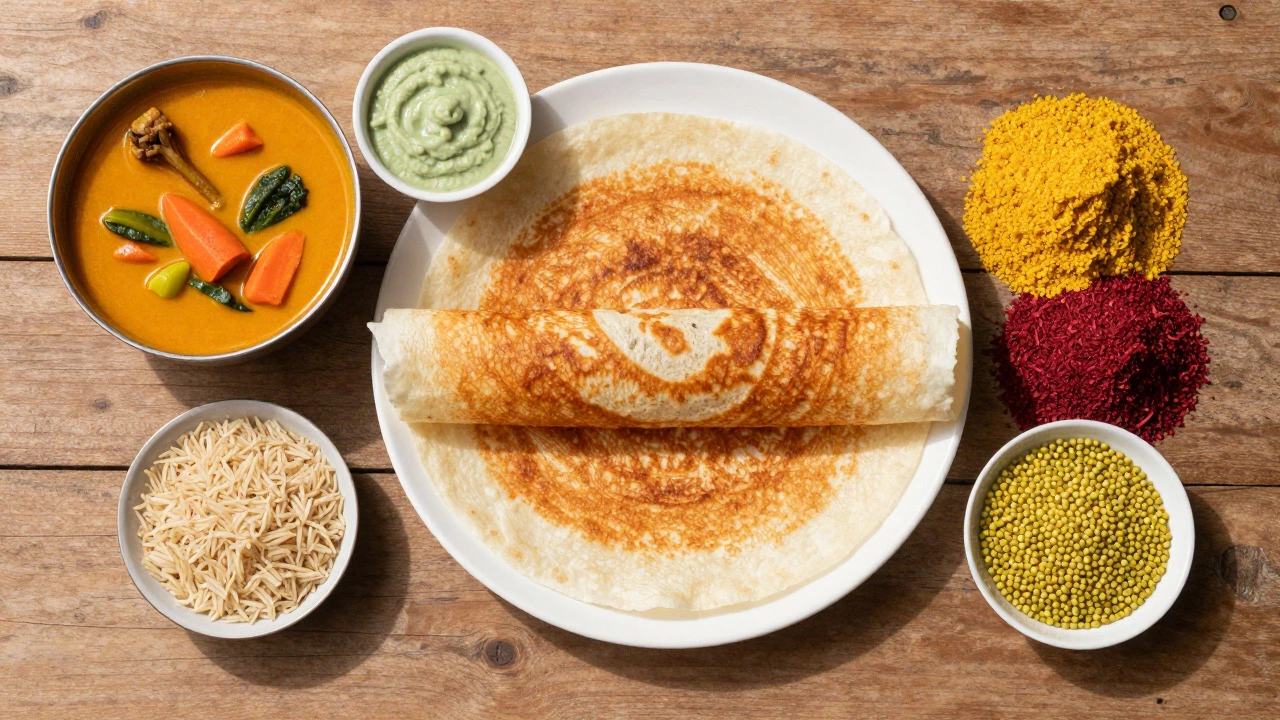
Rice Variety Matters: Most households use regular white polished rice. Switching to brown rice, red rice, or parboiled rice increases fiber and micronutrient content. Brown rice dosa takes longer to ferment and has a nuttier taste, but it offers sustained energy release rather than a quick sugar spike.
Lentil Substitutions: Urad dal is standard, but adding moong dal (green gram) or chana dal (split chickpeas) boosts protein and fiber. Moong dal is easier to digest and adds a slight sweetness. Some people add ragi (finger millet) flour to the batter. Ragi is incredibly rich in calcium and iron, making ragi dosa a superfood option for children and pregnant women.
The Oil Factor: Traditionally, ghee or coconut oil is drizzled over the dosa while it cooks. One teaspoon of oil adds about 40 calories and 4.5 grams of fat. While these fats provide flavor and help absorb fat-soluble vitamins (A, D, E, K), they also increase the caloric density. For a lighter version, use a non-stick pan and skip the oil entirely, or use a minimal spray of olive oil.
The Trap of Fillings and Chutneys
Here is where most people lose track of their health goals. A plain dosa is relatively lean. But once you start stuffing it or dipping it, the nutritional profile changes dramatically.
Stuffed Dosas: Masala dosa, filled with spiced potatoes, is delicious but calorie-dense. Potatoes are often fried in oil before being mashed and mixed with spices. A single masala dosa can easily jump from 160 calories to 300+ calories, plus added sodium from the potato filling. Other fillings like paneer (cheese) or cheese slices add saturated fats and calories. If you want to keep it healthy, opt for vegetable fillings like grated carrots, beans, or spinach sautéed with minimal oil.
Chutneys and Sambar: Coconut chutney is creamy and tasty but high in fat due to the coconut. Tomato-onion chutney is lighter but can be high in salt. Sambar, the lentil-based stew served with dosa, is actually very healthy-it’s packed with vegetables, tamarind, and turmeric. It adds volume and nutrients without many calories. Pairing your dosa with sambar instead of heavy coconut chutney is a smart move for weight management.
Who Should Eat Dosa? And Who Should Be Careful?
Dosa is versatile enough to fit into many diets, but some groups need to pay attention to specifics.
For Weight Loss: Yes, dosa can be part of a weight loss plan. It’s satiating due to the fiber and protein, and it’s lower in calories than many other breakfast options like idli-sambar-heavy meals or fried puris. Stick to plain or vegetable-stuffed dosas, limit oil, and pair with sambar. Avoid sugary chutneys or excessive potato fillings.
For Diabetics: Caution is advised. While fermentation lowers the GI slightly, dosa is still primarily a carbohydrate source. Diabetics should choose brown rice or millets (like ragi or jowar) in the batter to further reduce the glycemic impact. Portion control is key-one or two small dosas paired with a large bowl of sambar and a side of cucumber raita can help balance blood sugar spikes.
For Gluten-Free Dieters: Dosa is naturally gluten-free. Since it’s made from rice and lentils, it’s a safe and delicious alternative for people with celiac disease or gluten sensitivity. Just ensure no cross-contamination occurs if you’re grinding the batter in a shared facility with wheat products.
For Athletes: Dosa provides quick energy due to its carb content. It’s a great pre-workout meal if eaten 2-3 hours before exercise. Post-workout, pair it with a protein-rich side like boiled eggs or a glass of milk to aid recovery.
Common Myths Debunked
Myth 1: Dosa causes acidity. Fact: Actually, dosa is one of the easiest foods to digest. The fermentation reduces antinutrients and breaks down proteins, making it less likely to cause heartburn compared to heavy, oily, or spicy foods. If you experience acidity, it’s more likely due to the chutney or sambar spice level, not the dosa itself.
Myth 2: All dosas are unhealthy because they are fried. Fact: Traditional dosa is cooked on a hot griddle with minimal oil-often just a light smear. It’s not deep-fried like a vada or pakora. The cooking method is closer to baking or grilling than frying.
Myth 3: Instant dosa mixes are just as healthy. Fact: Not really. Many instant mixes contain preservatives, added sugar, and sometimes refined flour (maida) to improve texture and shelf life. They also lack the live fermentation culture, meaning you miss out on the probiotic and bioavailability benefits. Homemade batter is always superior for health.
How to Make Your Dosa Healthier Today
If you love dosa but want to maximize its health benefits, try these simple tweaks:
- Add Millets: Replace 20-30% of the rice with ragi, bajra, or jowar flour. This boosts fiber and minerals.
- Use Less Oil: Cook on a well-seasoned cast iron or non-stick pan. Use a brush to apply a tiny amount of oil only if needed for crispiness.
- Boost Protein: Add a handful of chopped nuts (almonds, cashews) or seeds (flax, chia) to the batter. Or serve with a side of curd (yogurt) for extra protein and probiotics.
- Load Up on Veggies: Instead of potato stuffing, try a mix of finely chopped bell peppers, onions, and tomatoes. Sauté them lightly and fold into the dosa batter before spreading.
- Control Portions: Two small dosas are better than one giant stuffed one. Pair with a large bowl of sambar to feel full without overeating.
Dosa is more than just a tasty street food; it’s a culinary example of how ancient wisdom aligns with modern nutrition science. Fermentation enhances nutrient absorption, reduces digestive stress, and creates a balanced macronutrient profile. As long as you watch your toppings and oil usage, dosa is absolutely a healthy choice that deserves a permanent spot in your weekly meal rotation.
Is dosa good for weight loss?
Yes, plain dosa can be part of a weight loss diet. It is relatively low in calories (around 150-170 per piece) and high in complex carbohydrates and moderate protein. To maximize weight loss benefits, avoid heavy oil, skip calorie-dense fillings like potato or cheese, and pair it with high-volume, low-calorie sides like sambar or cucumber salad.
Can diabetics eat dosa?
Diabetics can eat dosa in moderation. The key is to choose low-glycemic ingredients. Use brown rice, ragi, or other millets instead of white rice. Increase the proportion of lentils (urad dal) in the batter to boost protein and fiber. Always pair dosa with protein-rich sides like sambar or curd to slow down sugar absorption.
Is dosa gluten-free?
Yes, traditional dosa is naturally gluten-free as it is made from rice and lentils. It is a safe option for people with celiac disease or gluten intolerance, provided there is no cross-contamination during preparation with wheat-based foods.
Why is fermented dosa healthier than non-fermented?
Fermentation breaks down phytic acid, which improves the absorption of minerals like iron and zinc. It also increases the availability of Vitamin B1 and pre-digests carbohydrates, making the food easier to digest and reducing the risk of bloating and acidity.
What is the healthiest way to eat dosa?
The healthiest way is to eat a plain or vegetable-stuffed dosa made with whole grain flours (like ragi or brown rice), cooked with minimal oil, and served with a large portion of sambar and a light tomato-onion chutney. Avoid heavy coconut chutney and fried potato fillings.