Food and Culture in India
When you think about Food and Culture in India, the deep connection between what people eat and how they live, shaped by religion, region, and history. It’s not just about spices—it’s about timing, taboo, and tradition. There’s no single national dish, but khichdi, a humble rice-and-lentil stew eaten from villages to royal courts comes closer than anything else. Meanwhile, chutney, a tangy, spicy condiment that turns a simple snack into a meal isn’t just a side—it’s a cultural anchor, paired differently in Tamil Nadu than in Maharashtra. And then there’s coffee in India, a daily ritual more personal than tea, brewed strong and served in small cups, especially in the south. These aren’t random food choices. They’re inherited habits, passed down through generations, shaped by temples, markets, and family kitchens.
Why does Vrindavan ban non-veg food? Why does cheese barely exist when paneer is everywhere? Why do people in Karnataka eat idli by 7 a.m. while families in Delhi wait until 9 p.m. for dinner? These aren’t quirks—they’re answers to deeper questions about identity, faith, and climate. In Karnataka, breakfast isn’t a meal—it’s a statement of regional pride. In Guyanese-Indian weddings, the seven curries aren’t just food—they’re a living archive of migration and memory. Even garlic, often taken for granted, gets swapped out in some homes—not because it’s bad, but because it’s avoided for spiritual reasons. This isn’t a list of recipes. It’s a map of how food moves through Indian life: who eats it, when, why, and who gets to decide.
What you’ll find below isn’t a textbook. It’s real talk from real kitchens. You’ll learn which state truly has the best breakfast, why paneer won over cheese, what happens when you skip garlic in curry, and how a simple chutney can change the whole flavor of a meal. No theory. No fluff. Just the stories behind the food you’ve seen, tasted, or wondered about.

Why Do Indians Love Sweets? The Cultural and Scientific Reasons
Discover why Indians have such a deep love for sweets. From religious rituals like Prasad to historical dairy traditions and social bonding, explore the cultural and scientific reasons behind India's sweet tooth.
learn more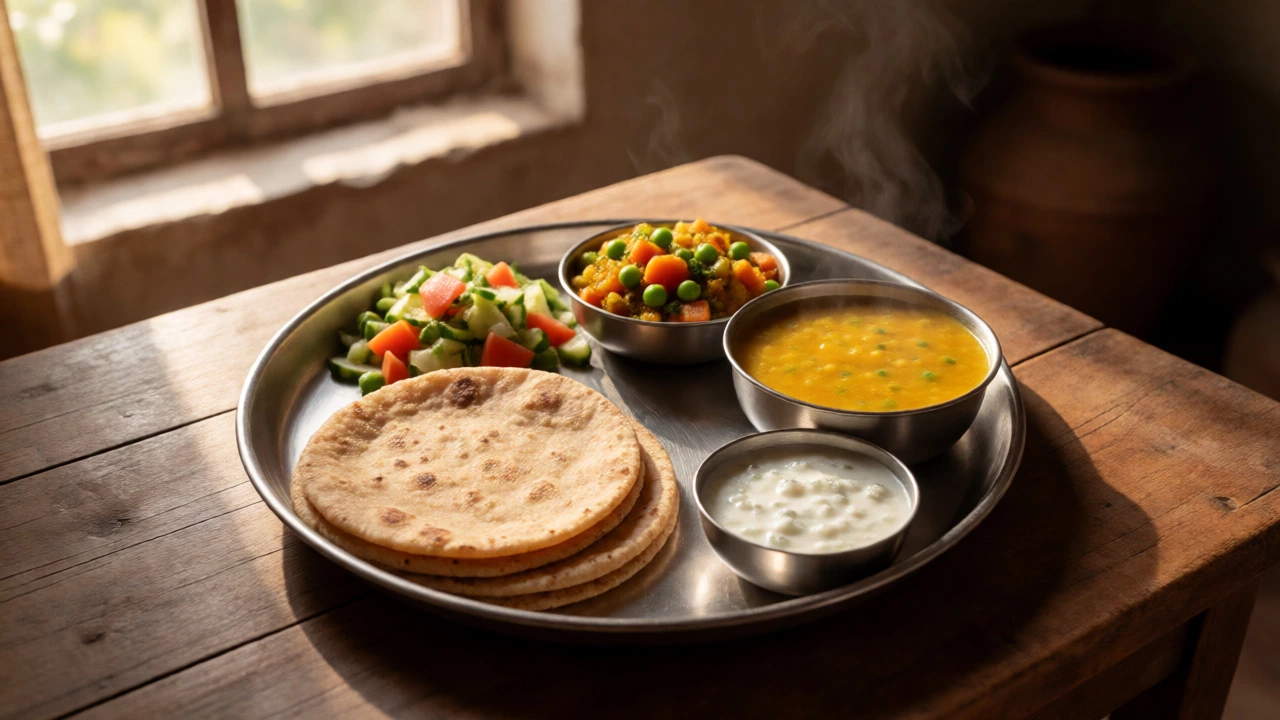
What is the Main Meal of the Day in India? Lunch vs Dinner Explained
Discover why lunch is traditionally the main meal in India, how regional differences shape eating habits, and tips for balancing modern lifestyles.
learn more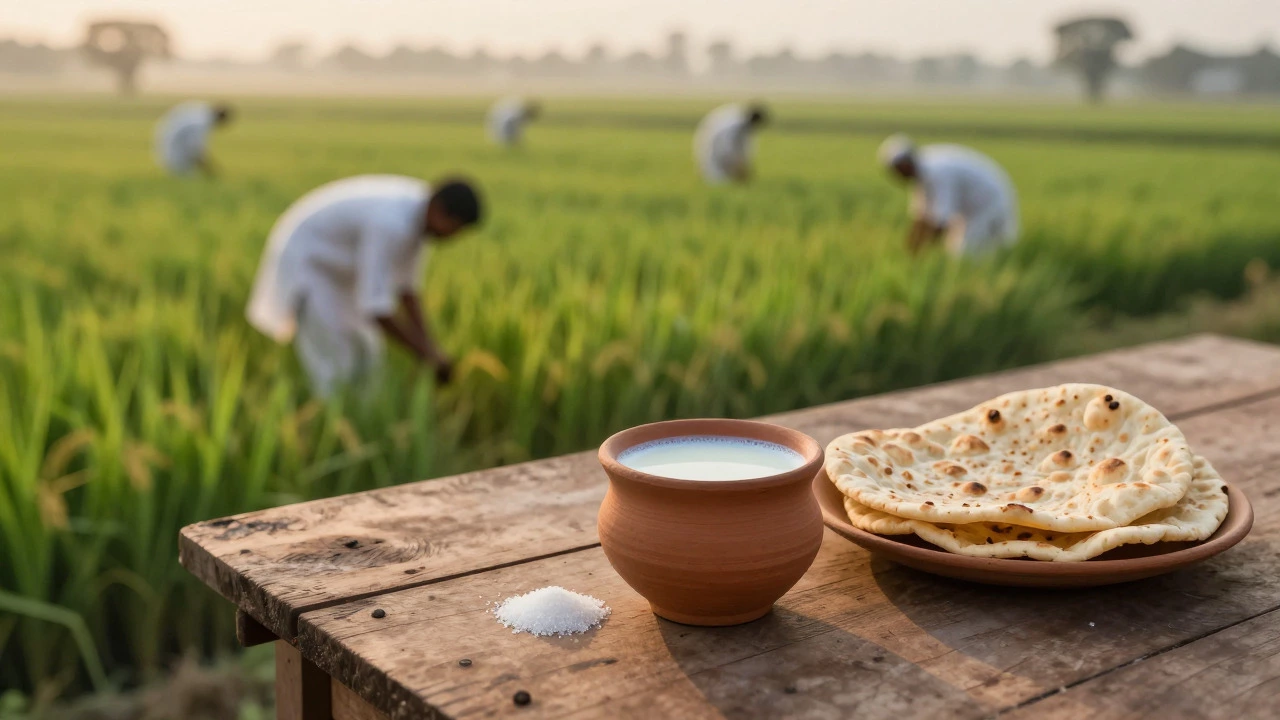
What Is the Most Important Meal in India? Breakfast Culture Explained
Discover why breakfast has become the most important meal in modern India. Explore regional staples, health benefits, and tips for building a balanced morning plate.
learn more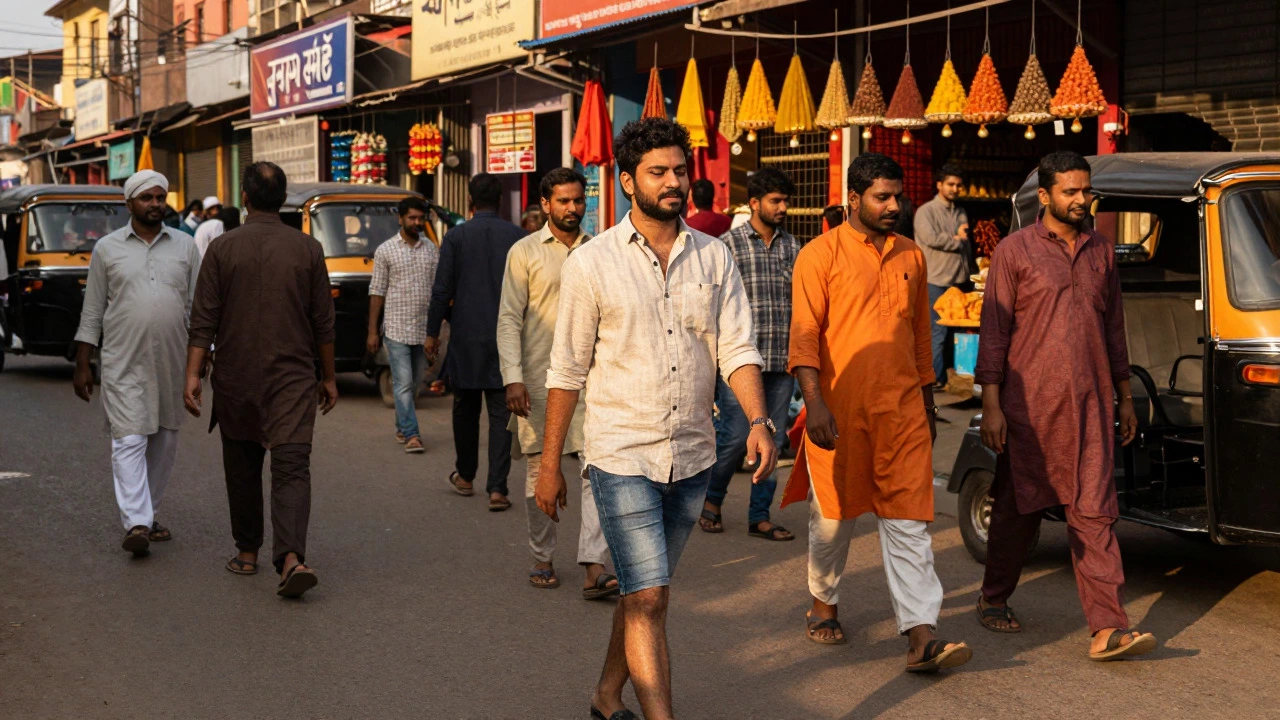
Can I Wear Shorts in India? A Practical Guide for Travelers
Wondering if you can wear shorts in India? Get clear guidance on where it's acceptable, when to switch to longer pants, and how to dress comfortably for street food stops and temple visits.
learn more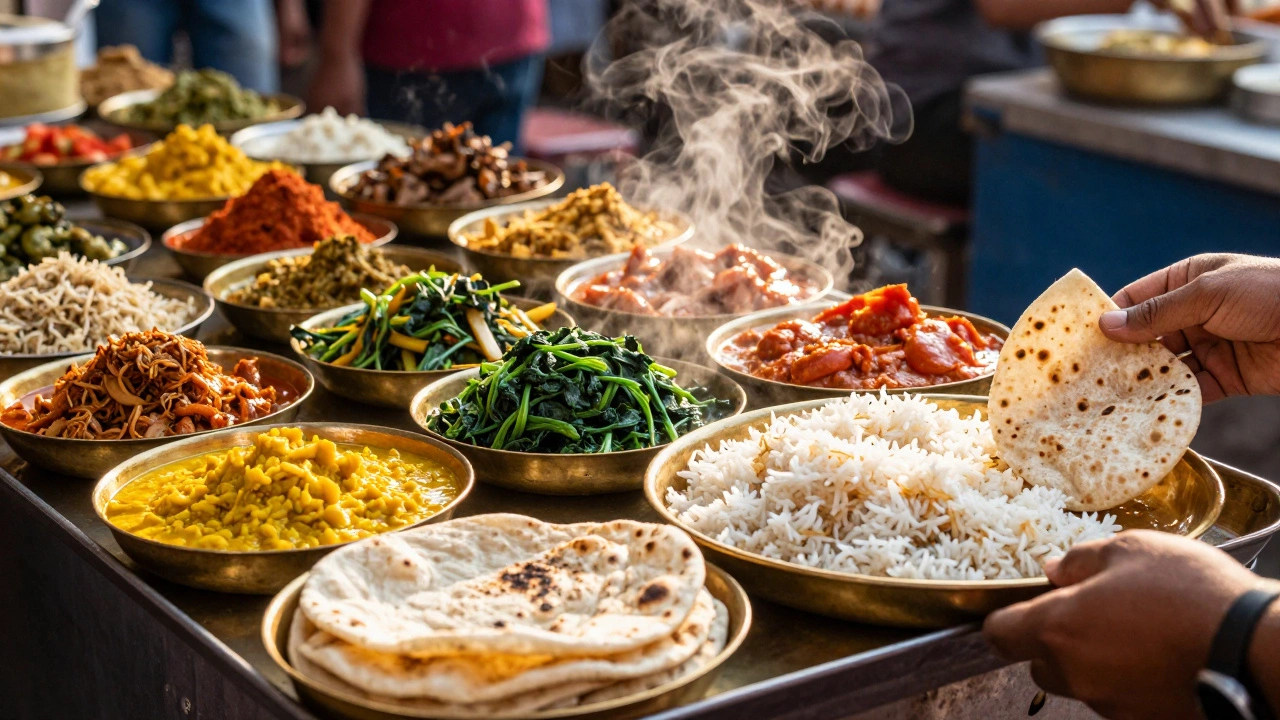
Is India the Pure Vegetarian Country? Truth About Lacto-Vegetarianism
Is India the only pure vegetarian country? We explore the truth behind India's lacto-vegetarian culture, comparing it to global diets and explaining the religious roots of plant-based eating.
learn more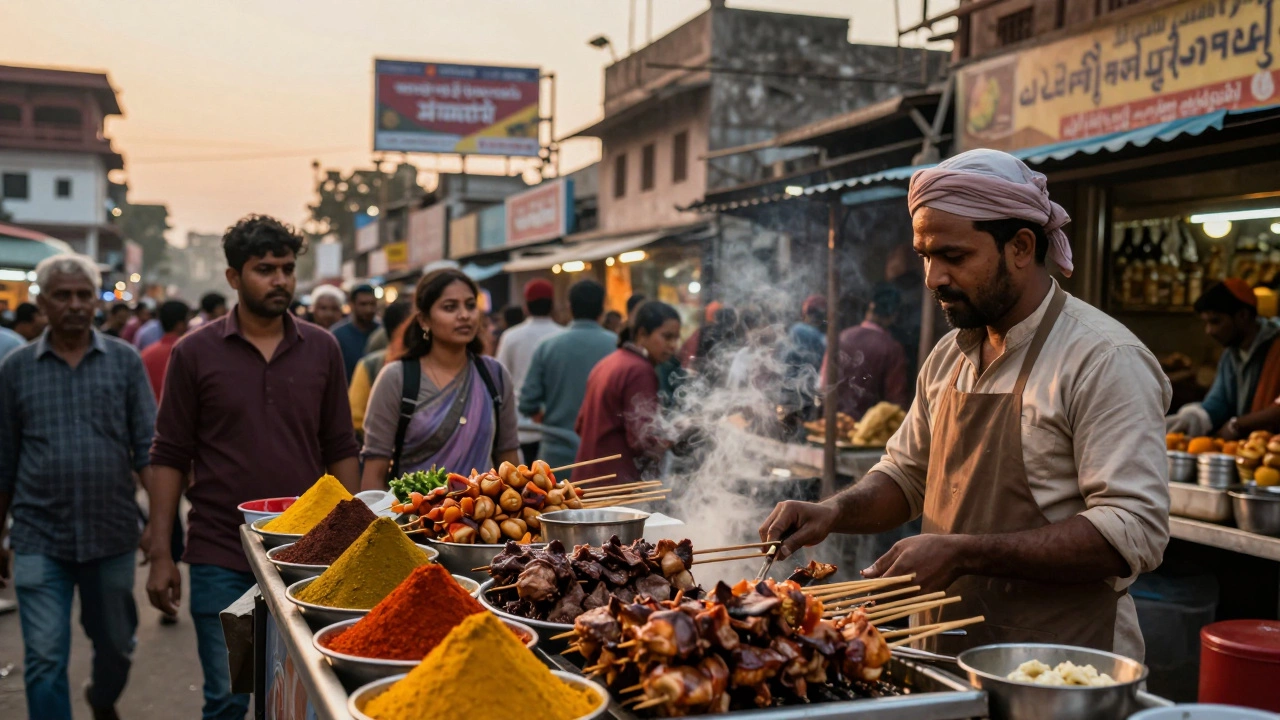
Is It Illegal to Eat Beef in India? The Truth About Cows, Laws, and Steak
Is eating beef illegal in India? We break down the complex state-by-state laws, cultural taboos, and street food realities you need to know before traveling.
learn more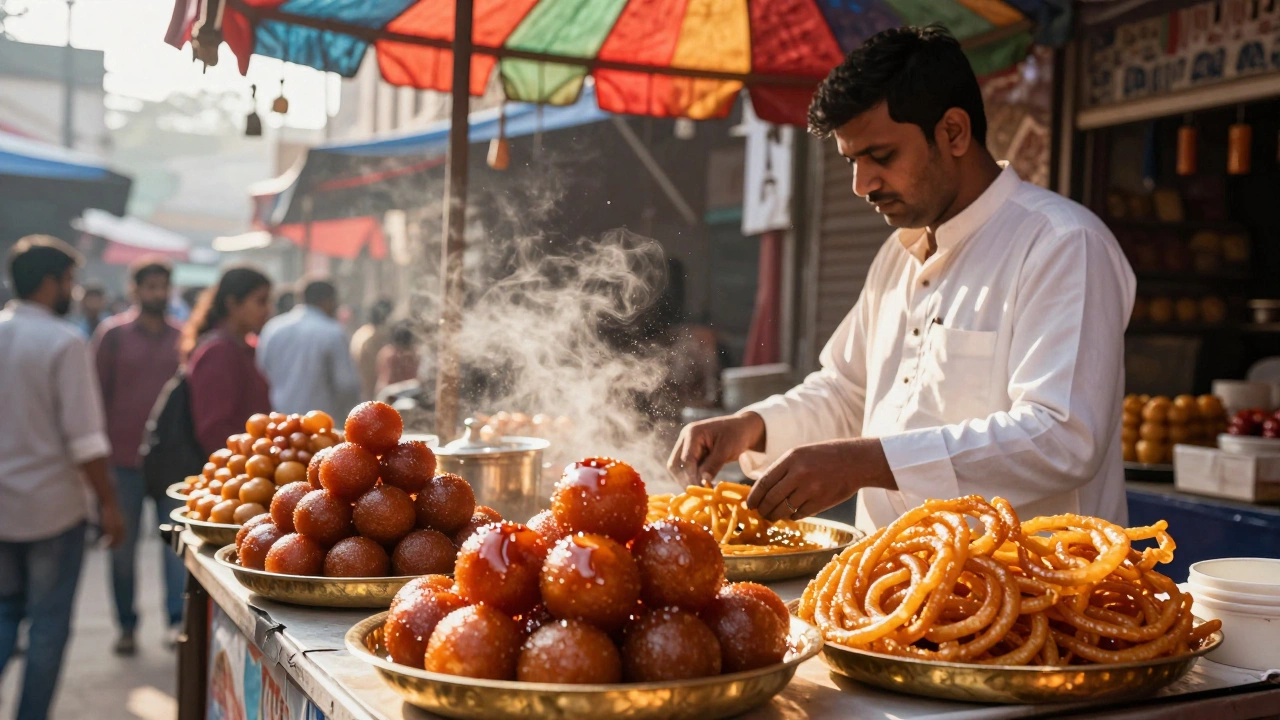
Why Do Muslims Love Sweets? The Cultural History of Indian Mithai
Explore the cultural and historical reasons why Muslims love sweets, from Persian influences to Eid traditions. Discover popular mithai recipes and the symbolism behind these delicious treats.
learn more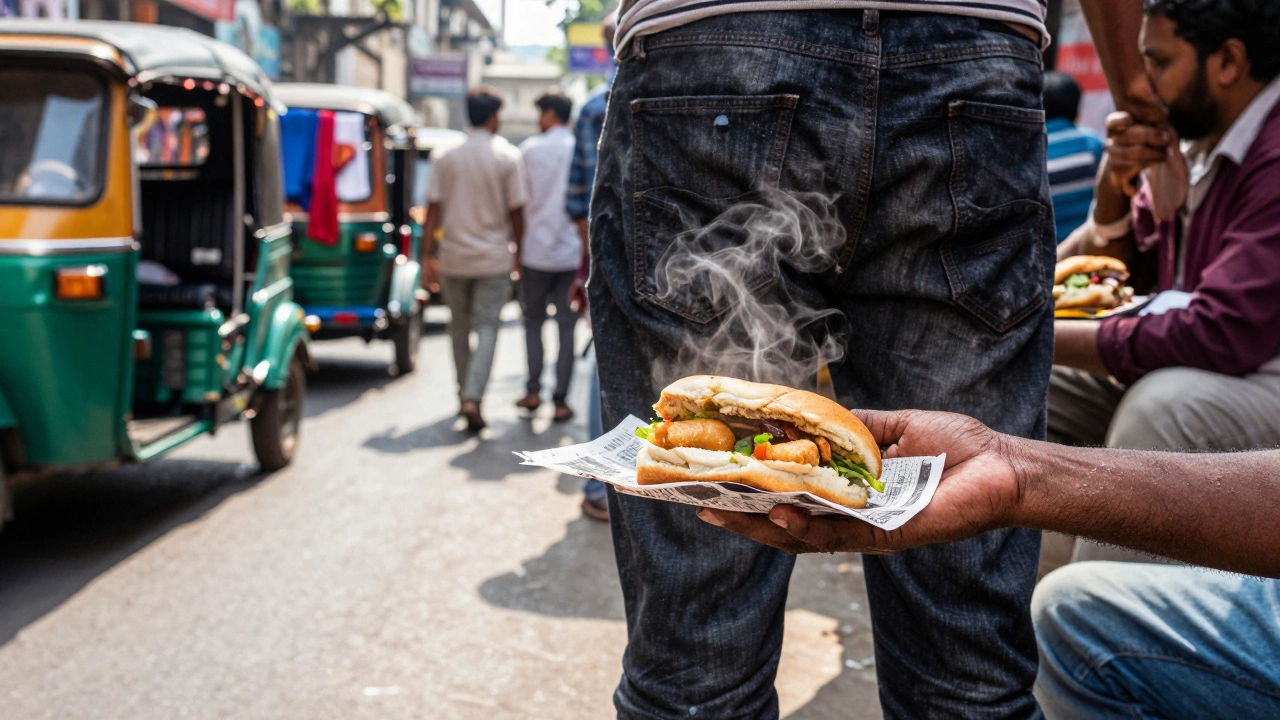
Should You Wear Jeans to India? A Practical Guide for Street Food Lovers
Wondering if jeans are a good idea for your India trip? Discover why breathable fabrics like linen beat denim for comfort, culture, and handling spicy street food stains.
learn more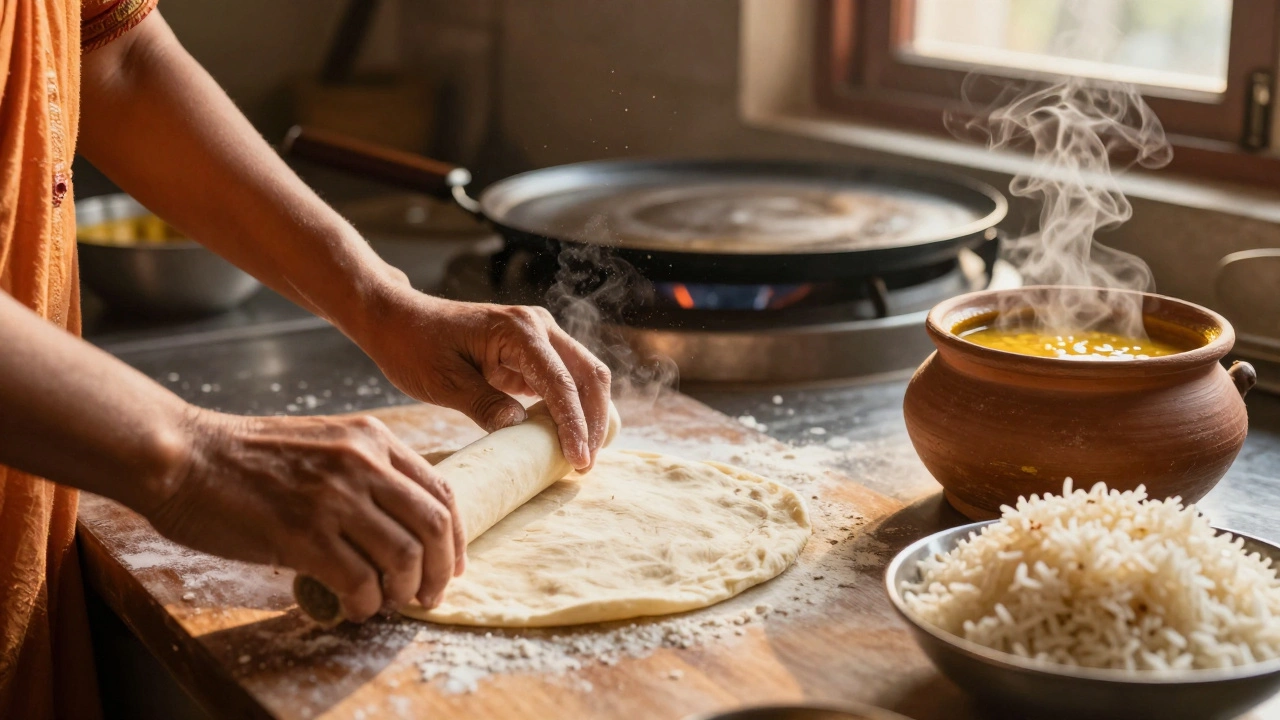
What Food Is Most Eaten in India? The Ultimate Guide to Indian Staples and Street Food
Discover what food is most eaten in India. From roti and rice to street food favorites like pani puri, explore the regional staples and daily diets that define Indian cuisine.
learn more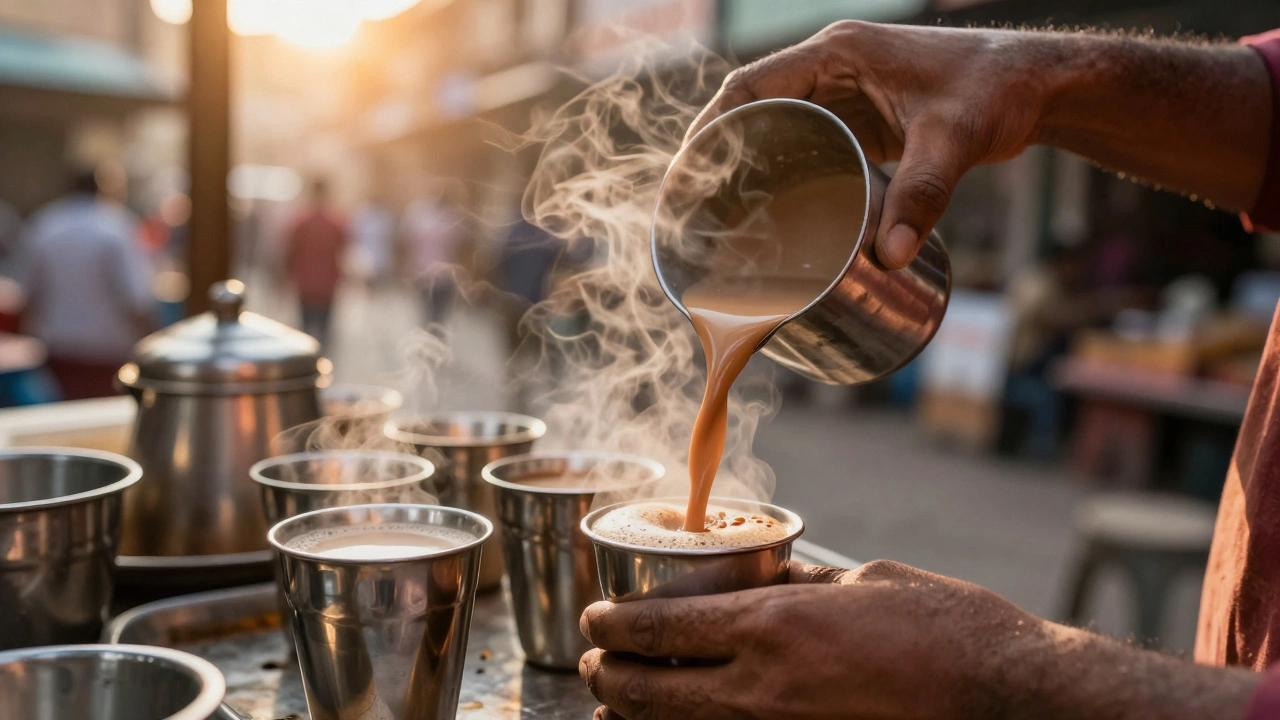
What is the Famous Drink of India? Chai, Lassi & More
Discover the famous drinks of India, from spiced masala chai to creamy lassi and refreshing nimbu pani. Learn which drink pairs best with your meal.
learn more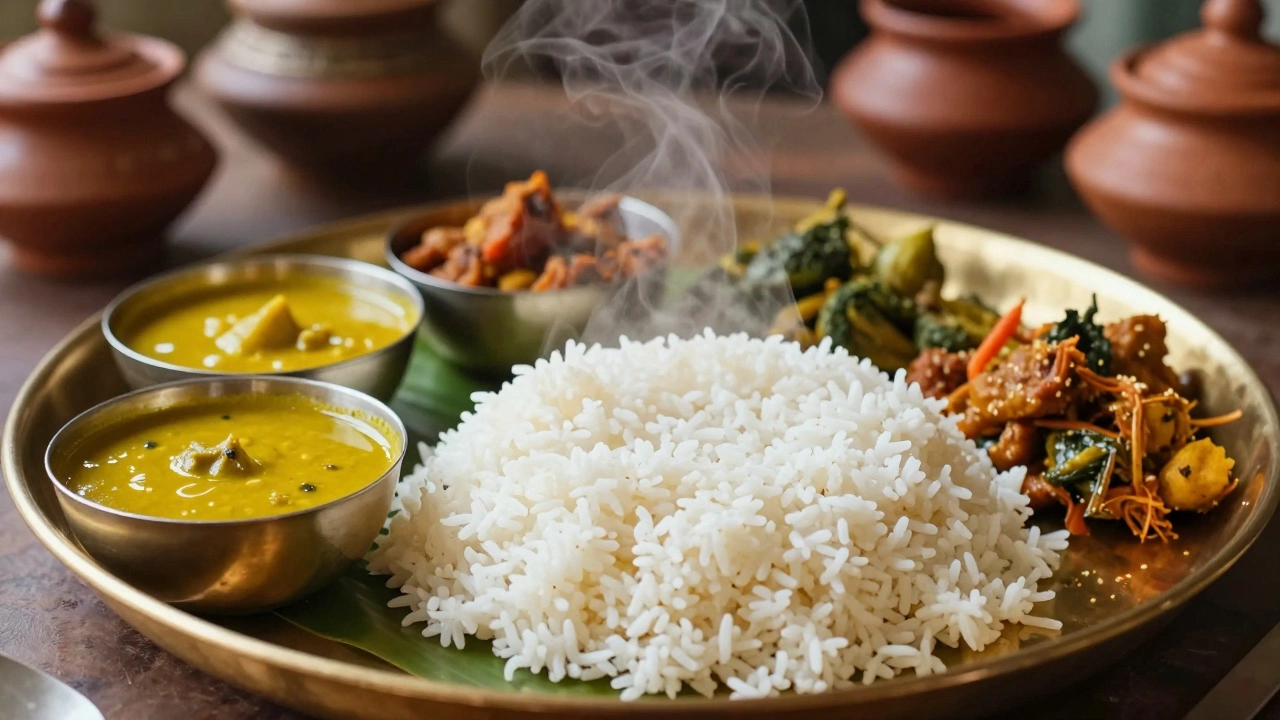
The Truth About Eating Rice in India: Varieties, Health Myths, and Daily Habits
Discover the truth about eating rice in India. From Basmati to regional varieties, explore how rice shapes Indian culture, health, and daily meals.
learn more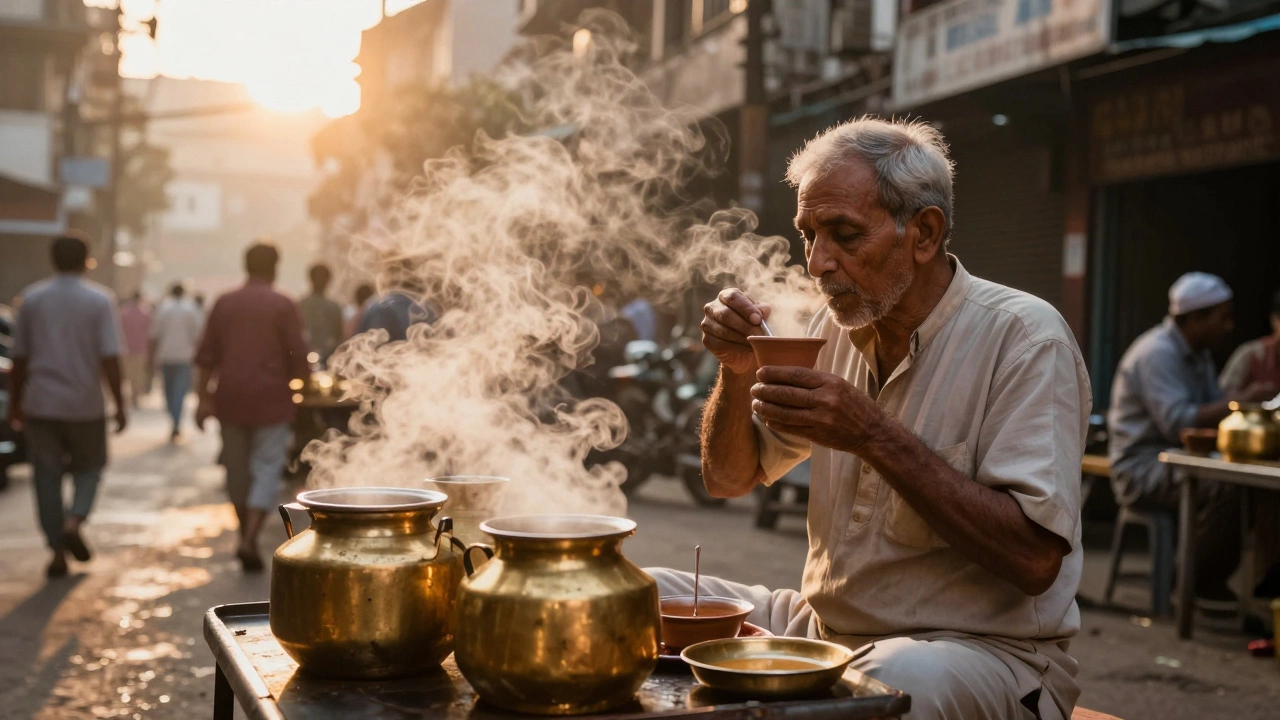
What Do People in India Drink in the Morning? A Guide to Traditional Indian Breakfast Beverages
Discover the essential morning drinks in India, from spiced masala chai and strong filter coffee to refreshing chaas and sweet lassi. Learn how regional traditions shape these daily rituals.
learn more