Indian Rice Variety Finder
Select a rice type below to see its best uses, health benefits, and how to cook it like a local.
Basmati
Long Grain
Sona Masoori
Medium Grain
Red Rice
Nutrient Dense
Black Rice
Antioxidant Rich
Idli Rice
Short Grain
Jasmine/Ponni
Aromatic
Variety Name
RegionBest Used For
Texture Profile
Health & Nutrition
Cooking Tip
There is a persistent myth floating around the internet that Indians only eat wheat. You scroll through social media and see endless photos of roti, parathas, and naan breads. It’s easy to assume that if you visit India, you’ll be handed a plate of flatbreads at every meal. But anyone who has actually spent time in the country knows this picture is half-true at best. Rice isn’t just eaten in India; it is the heartbeat of daily meals for hundreds of millions of people.
If you are planning a trip to India or trying to understand Indian cuisine better, asking "can you eat rice in India?" is like asking "can you drink water in the ocean?" The answer is an overwhelming yes. In fact, for vast regions of the country, rice is not just an option-it is the default staple food. Understanding how, where, and why rice is consumed here will change how you look at Indian food entirely.
The Great Divide: Wheat North, Rice South
To understand rice in India, you have to look at the map. The country is geographically divided into two major dietary zones. The northern states, including Punjab, Haryana, Uttar Pradesh, and Rajasthan, are the breadbasket of wheat. Here, the climate supports winter wheat crops, and the cultural norm leans heavily toward Roti is a whole wheat flatbread that serves as the primary carbohydrate source in Northern Indian diets. You will see families tearing pieces of roti to scoop up curries, and breakfast often involves stuffed parathas.
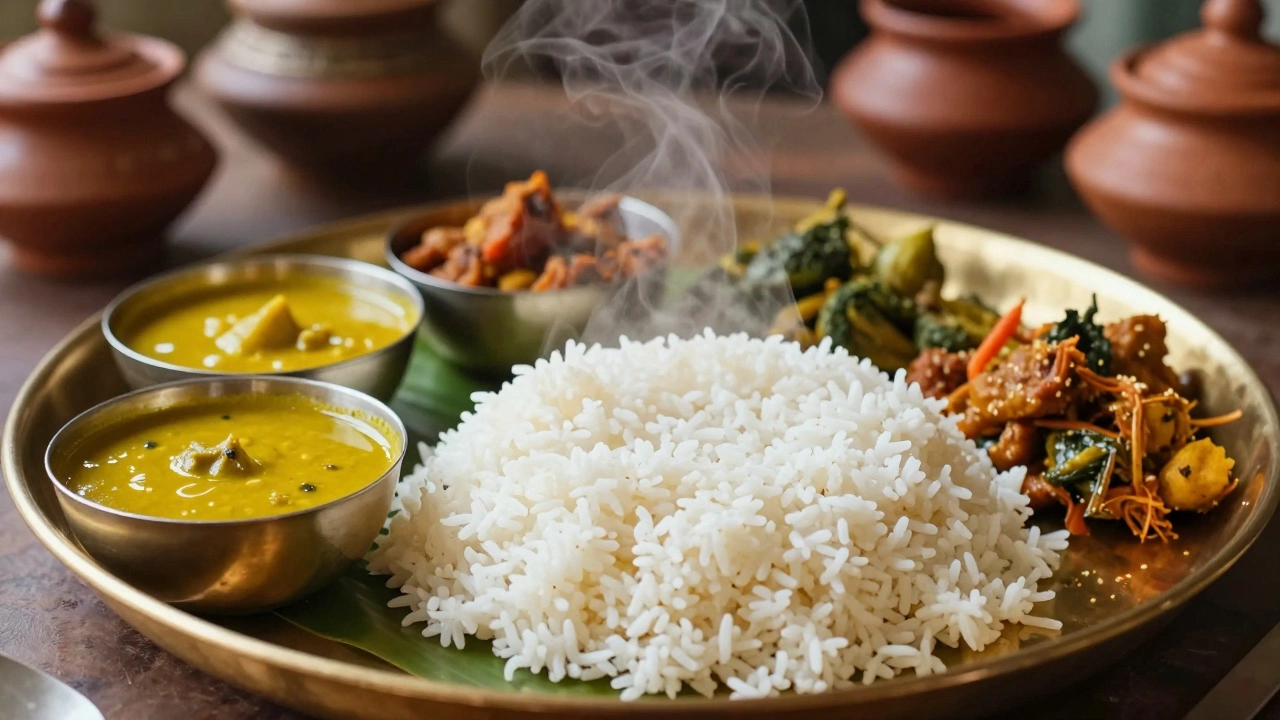
Cross the border into the south, east, and northeast, and the landscape changes completely. States like Tamil Nadu, Kerala, Karnataka, Andhra Pradesh, Telangana, Odisha, West Bengal, and Assam are rice countries. In these regions, the hot and humid climate makes heavy wheat difficult to digest for many locals. Instead, steamed rice is light, cooling, and perfectly suited to the weather. A typical lunch in Chennai or Kolkata consists of a mound of white rice topped with sambar (a lentil stew), rasam (a tangy soup), and various vegetable side dishes. This is known as "tiffin" style eating, where rice acts as the canvas for multiple flavors.
Beyond Basmati: The Diversity of Indian Rice
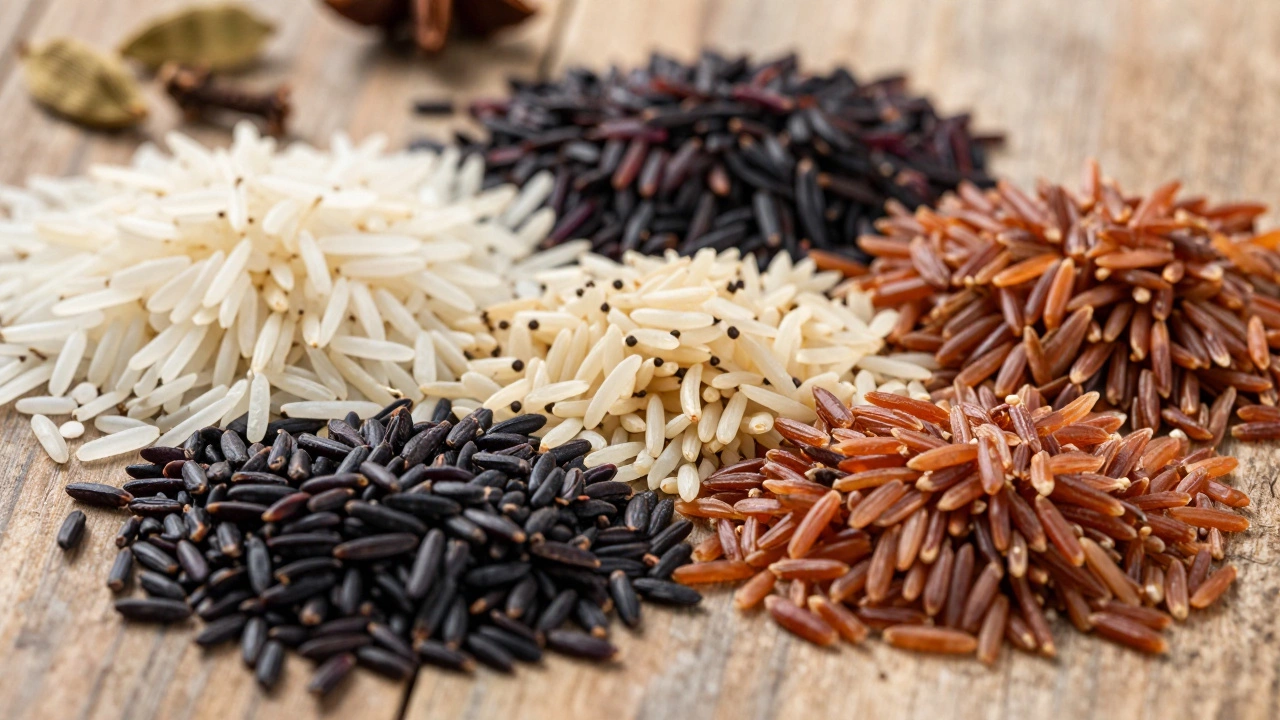
When most people outside India think of Indian rice, they think of Basmati is a long-grain aromatic rice variety native to the Himalayan foothills, famous for its elongation when cooked and distinct floral fragrance. While Basmati is iconic and used in biryanis and pulaos across the nation, it represents only a small fraction of what is actually consumed daily. If you walk into a local market in Mumbai or Delhi, you will find dozens of other varieties that are far more common in home cooking.
In the southern states, short-grain and medium-grain rices dominate. Sona Masoori is a popular non-basmati rice variety grown in Maharashtra, known for its light texture, quick cooking time, and lower calorie content compared to heavier grains. This rice is fluffy, doesn’t stick together too much, and pairs well with spicy curries. In Kerala, you might encounter Jasmine Rice is an aromatic rice variety often used in South Indian cooking, prized for its subtle scent and sticky yet separate grains, though locally grown varieties like Ponni are preferred. In West Bengal, the focus is on fragrant but shorter grains like Chinigura, which are essential for making traditional sweets and festive dishes.
Then there are the ancient, heirloom varieties gaining traction again due to their nutritional profiles. Karuppu Kavuni is a black rice variety from Tamil Nadu, rich in antioxidants and traditionally served during festivals and special occasions for its health benefits. and Red Rice is a nutrient-dense grain with a reddish bran layer, high in fiber and iron, commonly found in Kerala and Andhra Pradesh. These are not exotic superfoods imported from abroad; they are indigenous crops that have been part of the Indian diet for centuries.
| Variety | Grain Type | Primary Region | Best Used For | Texture |
|---|---|---|---|---|
| Basmati | Long Grain | North/West | Biryani, Pulao | Fluffy, Separate |
| Sona Masoori | Medium Grain | South/Central | Daily Meals, Curries | Light, Soft |
| Idli Rice | Short/Medium | South | Idli, Dosa Batter | Sticky, Fermented |
| Red Rice | Medium/Long | Kerala/Andhra | Healthy Daily Meals | Chewy, Nutty |
| Black Rice | Medium Grain | Tamil Nadu | Festive Dishes, Porridge | Firm, Earthy |
Rice Is Not Just White Grains
One of the biggest misconceptions about Indian rice consumption is that it is always plain, steamed white rice. While that is true for many everyday lunches, rice transforms into countless other forms in Indian kitchens. It is the base for some of the most beloved street foods and breakfast items in the world.
Consider Idli is a steamed savory cake made from fermented rice and lentil batter, known for its soft spongy texture and probiotic benefits. This is a staple breakfast in South India, made by fermenting a mixture of rice and urad dal (black gram). Then there is Dosa is a thin crispy crepe made from the same fermented rice-lentil batter, often served with chutney and sambar. Both rely entirely on rice for their structure and flavor. Without rice, these iconic dishes wouldn’t exist.
Rice flour is also widely used in sweets and snacks. Laddu is a round sweet ball, often made from rice flour, sugar, and ghee, especially popular during festivals like Raksha Bandhan. made from roasted rice flour is a classic treat. In coastal areas, rice is ground into paste to make fish curries thicker, or fried into Poha is flattened rice flakes that are soaked and sautéed with spices, onions, and peanuts, serving as a quick and healthy breakfast option. (flattened rice) for a quick morning meal. Even in the north, where wheat dominates, rice appears in kheer (rice pudding) and payasam (a dessert made with milk, sugar, and rice).
The Health Debate: Is Rice Good for You?
In recent years, global health trends have demonized refined carbohydrates, leading to questions about whether eating rice in India is healthy. The short answer is: it depends on how you eat it. Plain white rice has a higher glycemic index than brown rice or whole wheat, meaning it can spike blood sugar levels quickly. However, in the traditional Indian diet, rice is rarely eaten alone.
It is almost always paired with protein-rich lentils (dal), vegetables, yogurt, or meat. This combination slows down digestion and mitigates the blood sugar spike. A bowl of rice with dal and spinach is nutritionally balanced, providing carbohydrates, protein, fiber, and vitamins. The concept of "food combining" is inherent in Indian cuisine, even if it wasn’t called that historically.
Moreover, the shift toward millets and red rice is addressing modern health concerns. The Indian government has declared 2023 as the International Year of Millets, pushing for a return to these ancient grains. Many households now mix millet flour with wheat or substitute white rice with red or brown rice varieties. This shows that the Indian diet is evolving to meet contemporary health needs while staying rooted in tradition.
Street Food and Rice: A Flavor Explosion
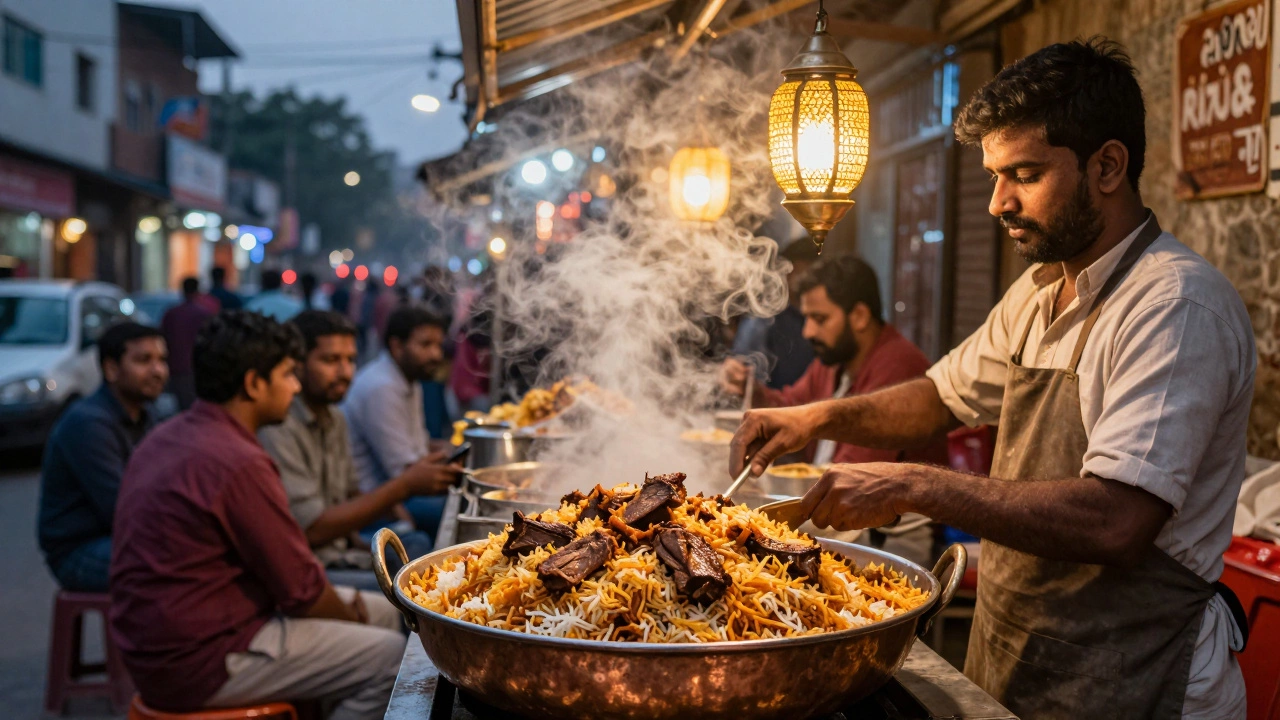
If you want to experience the joy of eating rice in India, head to the streets. Street vendors serve rice-based dishes that are affordable, delicious, and deeply comforting. In Hyderabad, you cannot miss Biryani is a complex layered rice dish cooked with marinated meat or vegetables, spices, and herbs, slow-cooked to perfection. It is a culinary masterpiece where each grain of Basmati rice absorbs the flavors of saffron, cardamom, cloves, and tender meat. It is not just food; it is an event.
In Kolkata, try Puchka is also known as Pani Puri, a hollow crispy shell filled with spiced water, tamarind sauce, and sometimes mashed potatoes or chickpeas. (Pani Puri). While the shell is made from semolina or wheat, many variations use rice flour for a lighter crunch. In Goa, you might find Xacuti is a spicy curry made with a blend of roasted spices, coconut, and nuts, often served over steamed rice. served over rice, blending Portuguese influence with local ingredients. These dishes show that rice is versatile enough to handle everything from mild to fiery spice levels.
How to Eat Rice Like a Local
If you are visiting India, you might feel awkward using a spoon or fork for rice. In many parts of the country, especially in the south and east, eating with your right hand is the norm. There is a logic to this method. Touching the food warms it up, releasing aromas that enhance the taste. Mixing the rice with dal and vegetables ensures you get a bit of everything in each bite, creating a balanced flavor profile.
You don’t need to master the technique immediately, but observing how locals eat can enrich your experience. They often press the rice into a compact ball before taking a bite, which helps control portion size and temperature. It’s a tactile, sensory experience that connects you directly to the food. Don’t be shy-ask your host or server if you can join them in eating this way. Most people appreciate the effort and will happily guide you.
Making Rice at Home: Tips for Success
If you want to recreate authentic Indian rice dishes at home, start with the right ratio of water to rice. For Basmati, rinse the grains thoroughly until the water runs clear, then soak for 20 minutes. Use a 1:2 ratio of rice to water. For Sona Masoori or other non-basmati varieties, less soaking is needed, and the ratio might be closer to 1:1.5 depending on the desired consistency.
Add a pinch of salt and a teaspoon of oil or ghee to the water before boiling. This prevents sticking and adds richness. Once the rice boils, reduce the heat to low, cover tightly, and let it steam for 10-15 minutes. Do not lift the lid during this time. Fluff gently with a fork after cooking. These simple steps will give you restaurant-quality rice that pairs perfectly with any Indian curry.
Is rice healthier than roti in India?
It depends on the type of rice and how it is prepared. Whole grain rice like red or brown rice has more fiber and nutrients than refined white rice. Roti made from whole wheat also offers significant fiber. However, when rice is eaten with lentils and vegetables, the overall meal becomes nutritionally balanced. Neither is inherently superior; it comes down to portion control and accompaniments.
Can I eat rice every day in India without gaining weight?
Yes, many Indians eat rice daily without issues. The key is moderation and pairing. Eating large portions of plain white rice with minimal protein or fiber can lead to weight gain. But when rice is part of a balanced meal with dal, veggies, and lean protein, it provides sustained energy. Active lifestyles in rural India also help burn off calories efficiently.
What is the difference between Basmati and Sona Masoori rice?
Basmati is a long-grain aromatic rice that elongates when cooked and has a distinct floral scent. It is ideal for biryanis and pulaos. Sona Masoori is a medium-grain rice that is lighter, cooks faster, and has a neutral flavor. It is preferred for daily meals because it pairs well with strong-flavored curries without overpowering them.
Why do Southerners prefer rice over wheat?
The climate plays a major role. Southern India is hot and humid, making heavy wheat products harder to digest. Rice is lighter and easier on the stomach in such weather. Additionally, the agricultural conditions in the south favor paddy cultivation, making rice more accessible and culturally entrenched in daily life.
Is it safe to eat street food rice in India?
Generally, yes, if you choose busy stalls with high turnover. Freshly cooked rice-based dishes like biryani or idli are usually safe. Avoid pre-cooked rice that has been sitting out for hours, as bacteria can grow rapidly in warm climates. Stick to reputable vendors and observe hygiene practices before ordering.