India Outfit Comfort Calculator
Configure Your Outfit
Analysis Results
Comfort & Practicality Score
Verdict:
Calculating...
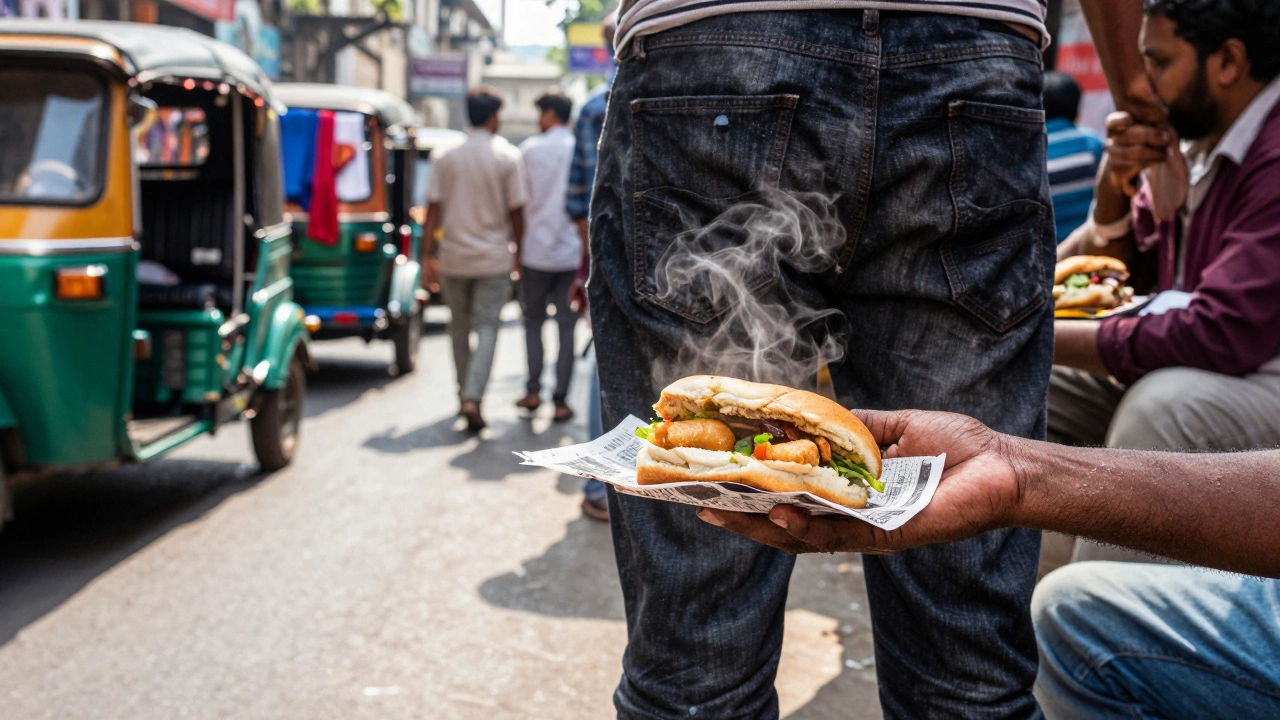
Picture this: It’s mid-afternoon in Mumbai. The humidity is sitting at a heavy 85%. You are standing in line for the city’s most famous vada pav, sweating through your favorite pair of dark denim. Your legs feel like they are wrapped in wet cement. Every step toward that delicious potato fritter feels like a marathon. If you have ever wondered, "should I take jeans to India?", this moment is your answer. The short version is: probably not as your primary outfit.
India is a land of incredible contrasts, especially when it comes to weather and culture. While the northern cities might offer crisp winters where denim is perfectly cozy, the vast majority of the country operates under a tropical or subtropical climate. For travelers focused on exploring the vibrant world of Indian street food, comfort isn't just a luxury; it is a necessity. You cannot enjoy a spicy pani puri if you are distracted by chafing thighs or overheating.
The Climate Factor: Why Denim Struggles in Heat
To understand why jeans are often a poor choice, you need to look at the fabric itself. Denim is a heavyweight cotton twill. It is durable, yes, but it is also dense and non-breathable. In countries with moderate temperatures, this works fine. In India, however, the heat index can make a 30°C (86°F) day feel like 40°C (104°F).
During the summer months (March to June), temperatures across much of India soar. Even in the "pleasant" winter season (November to February), daytime highs in places like Delhi, Jaipur, and Varanasi regularly reach the high 20s Celsius. At night, it cools down, but not enough to justify the thermal insulation of thick denim during the day. When you add humidity into the mix-especially in coastal areas like Goa, Kerala, or Mumbai-the air becomes saturated. Cotton traps sweat against your skin because it takes forever to dry. This leads to rapid dehydration and skin irritation.
| Fabric Type | Breathability | Dry Time | Comfort Level |
|---|---|---|---|
| Denim (Jeans) | Low | Very Slow | Poor |
| Linen | High | Fast | Excellent |
| Lightweight Cotton | Medium-High | Medium | Good |
| Synthetic Polyester | Low | Fast | Poor (Traps Odor) |
If you plan to spend your days hopping from temple to market, chasing down the best chaat stalls, your body temperature regulation is critical. Heavy fabrics act as a barrier, preventing your body from cooling itself naturally. This makes simple activities exhausting. You want your clothing to work with the environment, not against it.
Cultural Sensitivity and Modesty Norms
While comfort is the physical argument, cultural respect is the social one. India is a conservative society in many regions. Unlike Europe or parts of North America, revealing clothing can draw unwanted attention or be seen as disrespectful, particularly in religious sites and rural areas.
Jeans themselves are generally acceptable in terms of modesty because they cover the legs fully. However, the style matters. Skinny jeans that cling tightly to every curve may attract stares, which can be uncomfortable for both you and those around you. Loose-fitting trousers are preferred. More importantly, the upper body needs consideration. Many temples require you to remove shoes and sometimes cover your shoulders and knees. If you are wearing a tight tank top with your jeans, you will likely be denied entry to sacred spaces like the Golden Temple in Amritsar or various mosques in Delhi.
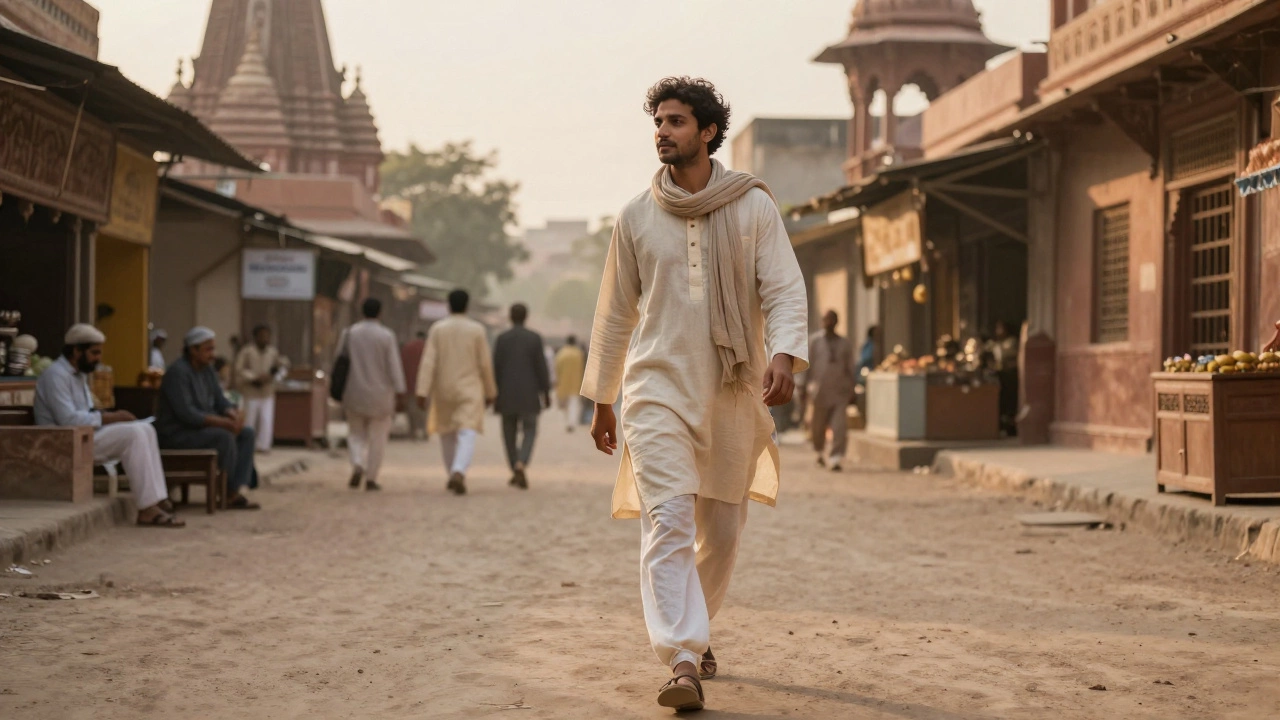
When visiting these sites, having a lightweight scarf or shawl is essential. But pairing that with breathable pants makes the whole experience smoother. Traditional Indian attire, such as kurta pajama for men or salwar kameez for women, is designed specifically for this climate and cultural context. They are loose, airy, and respectful. Adopting similar styles shows that you have done your homework and respect local norms.
The Street Food Reality Check
Let’s talk about the main event: eating. Indian street food is messy, vibrant, and hands-on. Think of bhel puri, which involves crushed puffed rice, sev (crispy noodles), tamarind sauce, and green chutney. Or jalebi, a syrup-soaked spiral dessert that drips wherever it goes. These foods are rarely eaten with utensils. You eat them with your right hand, directly from paper plates or banana leaves.
Denim is notorious for staining. Turmeric, chili oil, and red food coloring are powerful dyes. If you spill a drop of spicy tandoori chicken marinade on white linen, it might fade out after a wash. On dark blue jeans, it creates a permanent, greasy spot that repels water and attracts dirt. Furthermore, washing facilities in budget accommodations or hostels may not have industrial-grade detergents. Hand-washing stained denim is labor-intensive and time-consuming. You end up spending your vacation scrubbing clothes instead of exploring new flavors.
Loose, light-colored clothing made of natural fibers is far more forgiving. Stains are less visible on textured fabrics like linen or chambray. And if something does spill, these materials rinse clean easily. You can throw a pair of linen shorts into a sink, agitate them with soap, and hang them to dry in an hour. Try doing that with rigid denim, and you’ll be waiting two days for them to dry.

Alternative Fabrics That Will Save Your Trip
So, what should you pack instead? The goal is to find materials that offer coverage without the weight. Here are the top contenders for your suitcase:
- Linen: The gold standard for hot climates. It wrinkles easily, but that’s part of its charm. It allows maximum airflow and dries incredibly fast. Look for linen trousers or wide-leg pants.
- Chambray: Often mistaken for denim, chambray looks similar but is woven differently. It is lighter, softer, and more breathable. It gives you the casual aesthetic of jeans without the thermal penalty.
- Rayon or Viscose Blends: These semi-synthetic fabrics mimic the feel of silk or cotton but are often lighter and drapier. They are excellent for long skirts or flowy tops.
- Quick-Dry Synthetics: While pure polyester can smell bad, modern technical fabrics used in hiking gear are moisture-wicking and odor-resistant. Great for active days involving walking and cycling.
Colors matter too. Lighter shades reflect sunlight, keeping you cooler. Dark colors absorb heat. Stick to whites, creams, pastels, and earth tones. Not only will you stay cooler, but you’ll also blend in better with the local aesthetic, avoiding the "tourist target" look that can sometimes lead to aggressive hawking.
Regional Exceptions: When Jeans Might Work
Is there any scenario where jeans are appropriate? Yes, but it depends heavily on where and when you are traveling.
If you are visiting the Himalayan regions like Leh-Ladakh, Manali, or Darjeeling between November and February, temperatures can drop below freezing. In these high-altitude destinations, jeans are not just acceptable; they are practical. They provide wind resistance and warmth. Pair them with thermals underneath, and you are set. However, even here, consider stretch denim for mobility, as hiking trails require flexibility.
In metropolitan nightlife hubs like South Delhi, Bangalore, or Mumbai’s Bandra area, you will see plenty of locals and expats wearing jeans in the evenings. The AC in restaurants and bars is often cranked up to arctic levels. Having one pair of slim-fit jeans for dinner reservations or clubbing is reasonable. Just don’t wear them during the day while navigating traffic or standing in queues.
Packing Strategy: The One-Pair Rule
Here is my recommendation: Pack exactly one pair of jeans. Use them for the flight (they are comfortable for sitting and look presentable if you get stopped at immigration). Once you arrive, switch to your breathable alternatives. Keep the jeans in your luggage unless you have a specific evening plan that calls for them. This way, you satisfy the psychological need to have "normal" pants without sacrificing your comfort for the rest of the trip.
Focus your packing list on versatility. Bring three pairs of lightweight trousers or shorts, five tops that cover the shoulders, and a few scarves for layering. This capsule wardrobe can be mixed and matched to create numerous outfits. Remember, laundry services are cheap and ubiquitous in India. You can wash small loads daily, meaning you don’t need to pack for seven days straight. Pack for three days, and do laundry twice a week.
Footwear Considerations
While we are talking about attire, let’s briefly touch on feet. Jeans usually go with boots or sneakers. In India, you will be taking your shoes off constantly. Entering homes, temples, and some shops requires barefoot entry. Bulky boots are impractical. Sneakers get dirty quickly from dust and mud. Opt for sandals with straps (like Birkenstocks or Tevas) or lightweight slip-ons. Ensure your socks are breathable, or better yet, go sockless if your feet can handle it. Clean feet are a sign of respect in many Indian households.
Can I wear shorts in India?
Yes, but with caution. Shorts are widely accepted in tourist hubs, beach towns like Goa, and among younger crowds in cities. However, avoid wearing very short shorts in rural areas, religious sites, or conservative neighborhoods. Knee-length shorts are a safe compromise. Women should be aware that long shorts or capris may receive fewer stares than mini-shorts.
What should I wear to visit temples in India?
Modesty is key. Both men and women should cover their shoulders and knees. Avoid sleeveless tops, tank tops, and short shorts. Carry a scarf or shawl to drape over your shoulders if needed. Some temples provide free rental robes, but having your own modest attire is more hygienic and convenient.
Is it okay to wear black clothes in India?
Culturally, black is associated with mourning in some traditional contexts, but in modern urban India, it is a common fashion color. From a practical standpoint, black absorbs heat, making it uncomfortable in the sun. It also shows dust and lint more clearly than lighter colors. Stick to lighter hues for daytime exploration.
How do I handle sweat stains while eating street food?
Wear light-colored, breathable fabrics that hide minor perspiration better than dark denim. Carry a small towel or bandana to wipe your face and hands before eating. Most street vendors provide wet wipes or water for hand cleaning. Using a napkin or tissue to shield your lap can also prevent accidental spills on your clothes.
Do I need formal clothes for dining in India?
Most restaurants in India are casual. Smart-casual attire is sufficient for high-end dining. Jeans are acceptable in upscale hotels and restaurants in major cities, provided they are clean and well-fitted. However, avoid overly ripped or distressed denim in very formal settings. Comfort remains the priority for most dining experiences.