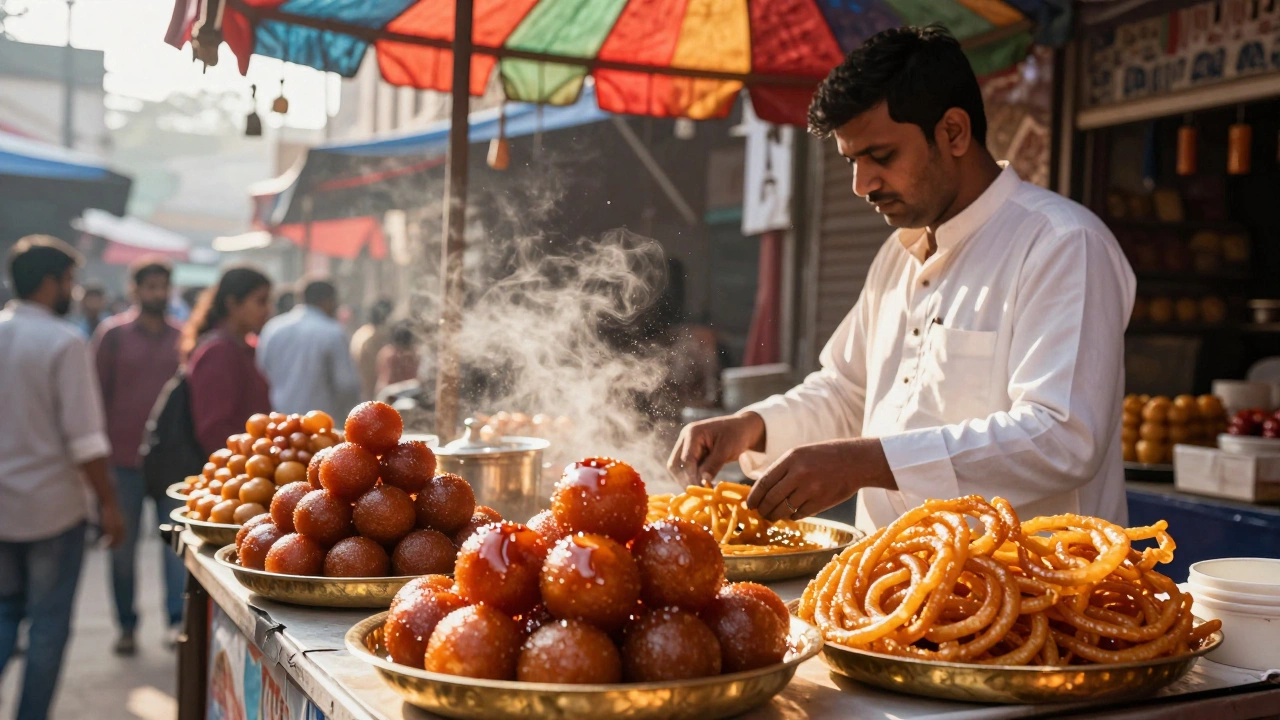
Indian Mithai Matcher
What texture do you prefer in your sweets?
Soft & Spongy
Like Gulab JamunCrispy & Sticky
Like JalebiFudgy & Smooth
Like Kaju KatliCreamy & Hearty
Like Sheer KhurmaWalk into any Indian household during a wedding or a festival like Eid, and you will likely be handed a plate of sweets. It is not just a snack; it is a ritual. But have you ever wondered why this tradition is so deeply rooted in Muslim culture, especially within the context of India? Is it just about sugar cravings, or is there a deeper historical and social reason behind the love for mithai (Indian sweets)?
The answer lies in a fascinating blend of history, hospitality, and celebration. For centuries, sweets have been the universal language of joy in South Asia. Whether it is breaking the fast after Ramadan or celebrating the birth of a child, sugar plays a central role. This article explores the real reasons behind this culinary passion, moving beyond stereotypes to understand the cultural significance of desserts in Muslim communities.
The Historical Roots: From Persia to the Subcontinent
To understand why Muslims love sweets, we have to look back at history. The modern Indian sweet industry owes much of its existence to the influence of Persian and Central Asian cultures that arrived in the subcontinent over a thousand years ago. When the Delhi Sultanate and later the Mughal Empire established their rule, they brought with them a refined palate for confectionery.
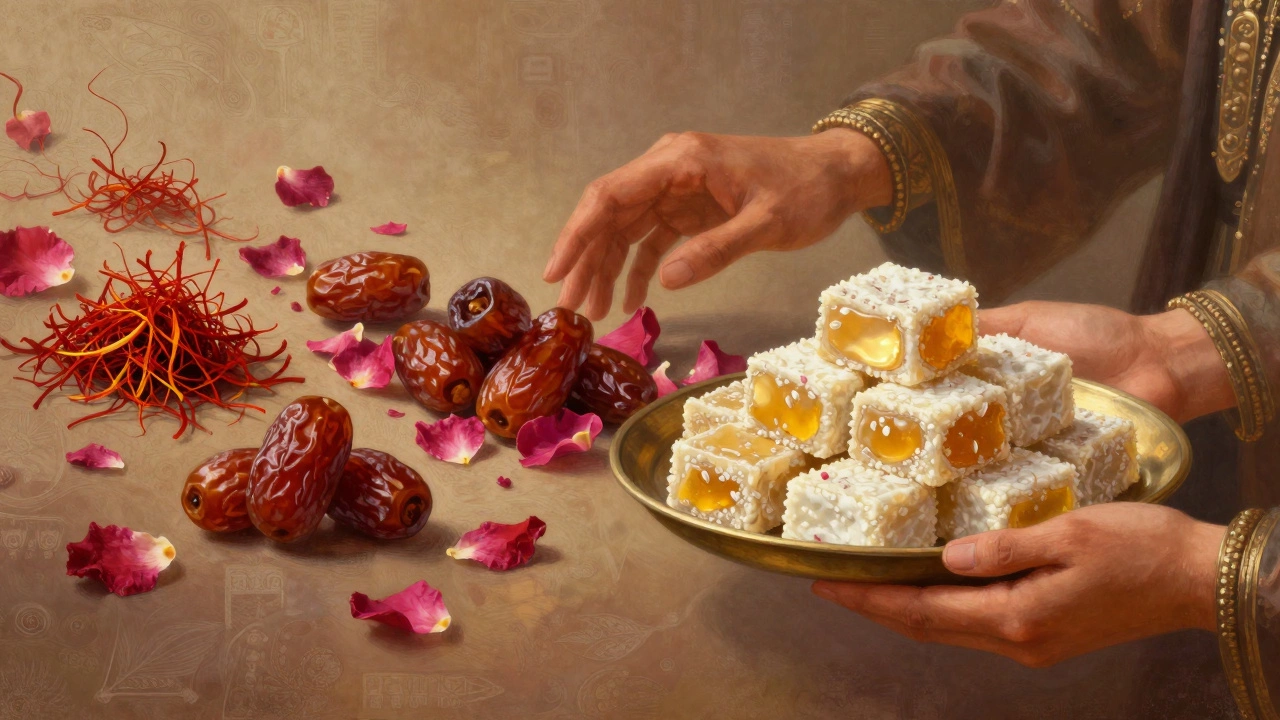
Persian cuisine had a long tradition of using dried fruits, nuts, rose water, and saffron in desserts. These ingredients were luxury items, often reserved for royalty. As these traditions merged with local Indian ingredients like milk, ghee (clarified butter), and jaggery, new varieties of sweets emerged. Think of Gulab Jamun, which evolved from the Persian Zarda and local fried dough balls. Or consider Kheer (rice pudding), which has roots in both Hindu and Muslim culinary practices but was elevated in Mughal courts with cardamom and pistachios.
This fusion created a unique dessert culture where religion and region blended seamlessly. The love for sweets wasn't imposed by religious texts but cultivated through centuries of shared kitchens and royal courts. Today, when you eat a piece of Barfi, you are tasting a legacy of cross-cultural exchange that dates back to the medieval period.
Sweets as Symbols of Hospitality and Joy
In many Muslim households, offering sweets to guests is not optional; it is expected. This practice is deeply tied to the concept of mehman-nawazi (hospitality). When someone visits your home, serving them something sweet signals respect, warmth, and welcome. It transforms a casual visit into a meaningful connection.
But sweets also serve a specific social function: they mark transitions. Life events that bring happiness-births, engagements, weddings, promotions-are almost always accompanied by the distribution of sweets. In contrast, somber occasions might involve savory foods or simple meals. This distinction helps people emotionally process events. Sugar provides a quick burst of energy and dopamine, making it the perfect companion for celebrations.
Consider the scenario of a newlywed couple returning from the wedding ceremony. They are often greeted with a tray of sweets, symbolizing the hope for a sweet life together. This isn't just about taste; it's about blessing. By sharing sweets, the community reinforces bonds and shares in the joy of the individual.
Eid al-Fitr and the Tradition of Feasting
If there is one time of year when the love for sweets becomes most visible, it is Eid al-Fitr, the festival marking the end of Ramadan. After a month of fasting from dawn to sunset, the first meal of Eid is traditionally rich, flavorful, and yes, very sweet.
During Ramadan, Muslims abstain from food and drink during daylight hours. This discipline builds anticipation for the evening meal, known as Iftar, and the celebratory feast of Eid. On Eid morning, families prepare special dishes. In North India and Pakistan, this often includes Sheer Khurma, a vermicelli pudding made with milk, dates, and nuts. In South India, you might find Payasam or Halwa.
Why sweets specifically? There are practical reasons too. During Ramadan, the body stores glycogen. Breaking the fast with carbohydrates and sugars helps replenish energy levels quickly. However, the emotional aspect is stronger. Eid is a day of gratitude and renewal. Sharing sweets with neighbors, relatives, and even strangers strengthens community ties. It is common to see children going door-to-door collecting boxes of sweets, a tradition that fosters generosity and intergenerational bonding.
Popular Sweets in Muslim Cuisine
While Indian sweets are diverse, certain varieties are particularly associated with Muslim festivals and gatherings. Here are some of the most beloved:
- Gulab Jamun: Deep-fried milk solids soaked in rose-flavored sugar syrup. Soft, spongy, and incredibly popular across all regions.
- Jalebi: Crispy, spiral-shaped batter dipped in saffron syrup. Often eaten fresh out of the fryer.
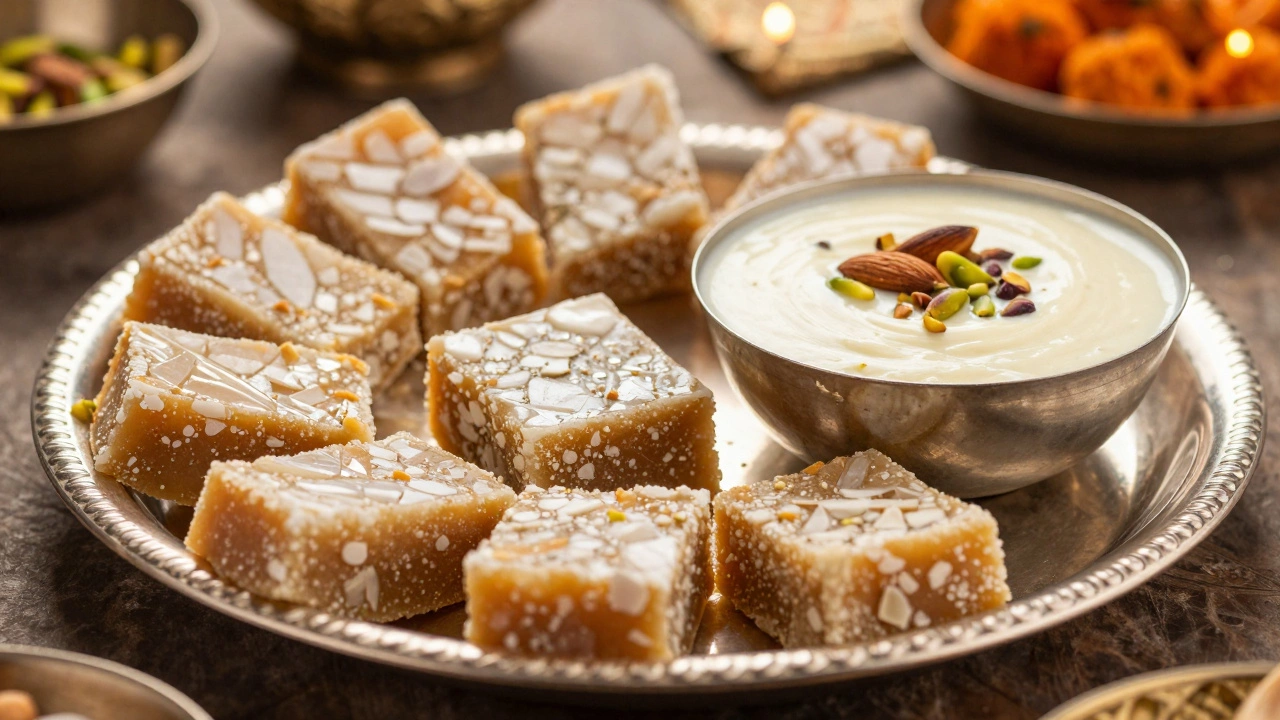
- Kaju Katli: A diamond-shaped fudge made from cashew paste. Elegant and less syrupy than other options.
- Gajar Ka Halwa: Carrot pudding slow-cooked with milk, sugar, and ghee. A winter favorite.
- Zarda: Sweetened rice dish with nuts and raisins, often served alongside main courses.
These sweets are not just treats; they are crafted with care. The texture, aroma, and presentation matter. For example, Gulab Jamun should be dark brown on the outside and soft inside, while the syrup should be thick enough to coat but not drown the dumpling. Mastering these details takes generations of practice.
| Sweet Name | Main Ingredients | Texture | Best Occasion |
|---|---|---|---|
| Gulab Jamun | Milk solids, flour, sugar syrup | Soft, spongy | Eid, Weddings |
| Jalebi | Batter, saffron syrup | Crispy, sticky | Street food, Breakfast |
| Kaju Katli | Cashew paste, sugar | Fudgy, smooth | Gifts, Formal events |
| Sheer Khurma | Vermicelli, milk, dates | Creamy, hearty | Eid Morning |
The Role of Ghee and Milk in Desserts
You cannot talk about Indian sweets without mentioning Ghee and Milk. Unlike Western desserts that rely heavily on butter and cream, traditional Indian sweets use clarified butter and reduced milk. Ghee has a high smoke point and a distinct nutty aroma that enhances the flavor of fried sweets like Jalebi and Samosa Chaat (which often comes with a sweet chutney side).
Milk is used in various forms: reduced to make Khoya (mawa), churned to make paneer, or boiled down to create thick bases for puddings. This reliance on dairy reflects the agricultural heritage of the region, where cattle were valued for milk rather than meat. The result is desserts that are rich, dense, and satisfying in small portions.
This also explains why Indian sweets are often considered "heavy." A single bite can contain more calories than a full meal. But this intensity is intentional. Sweets are meant to be savored slowly, not rushed. Eating two pieces of Barfi with tea is a leisurely activity, not a quick fix.
Modern Trends: Healthier Alternatives and Global Influence
As health awareness grows, so does the demand for healthier versions of traditional sweets. Many bakers and home cooks are now experimenting with reduced-sugar recipes, using jaggery or honey instead of refined sugar. Some are replacing ghee with coconut oil or using almond flour for gluten-free options.
Additionally, global influences have introduced new flavors. Chocolate-covered Gulab Jamuns, cheesecake-style Ras Malai, and matcha-infused Kheer are becoming popular among younger generations. These innovations keep the tradition alive while adapting to modern tastes.
However, purists argue that the authentic experience comes from the original recipes. The balance of spices, the quality of ghee, and the patience required to cook these sweets properly cannot be replicated with shortcuts. Still, the evolution shows that the love for sweets is dynamic, not static.
How to Enjoy Sweets Responsibly
If you want to enjoy these delicious treats without overindulging, here are some tips:
- Portion Control: Eat one or two pieces at a time. Sweets are concentrated in flavor and calories.
- Pair with Tea: Chai or coffee cuts through the sweetness and aids digestion.
- Choose Seasonal Varieties: Fresh ingredients mean better taste and fewer preservatives.
- Share the Load: Splitting a large sweet with family reduces individual intake.
Remember, the goal is enjoyment, not guilt. Sweets are part of a balanced diet when consumed mindfully.
Are Muslims allowed to eat sweets?
Yes, absolutely. Islam does not prohibit eating sweets. In fact, Prophet Muhammad (PBUH) loved honey and dates, which are natural sweeteners. The key is moderation and ensuring the ingredients are halal (permissible), such as avoiding alcohol-based extracts or gelatin derived from non-halal sources.
What is the most popular sweet during Eid?
Sheer Khurma is arguably the most iconic Eid sweet, especially in South Asia. It is a rich vermicelli pudding made with milk, dates, and nuts. Other popular choices include Gulab Jamun, Jalebi, and various types of Barfi.
Why do Indians give sweets after weddings?
This tradition symbolizes the sharing of joy and blessings. By distributing sweets, the couple invites everyone to partake in their happiness. It also serves as a thank-you gesture to guests for attending and supporting the union.
Can I make Indian sweets without ghee?
Yes, you can substitute ghee with vegetable oil, coconut oil, or vegan butter. However, the flavor profile will change slightly. Ghee adds a unique nutty aroma that is hard to replicate, but alternatives work well for those avoiding dairy.
Is it true that Muslims only eat sweets on holidays?
No, that is a misconception. While sweets are prominent during festivals, they are enjoyed regularly in daily life. Many families have dessert after dinner, and street vendors sell sweets throughout the year. Holidays just amplify the consumption and variety.