Find Your Perfect Indian Dish
Not sure where to start? Select the options that match your mood and cravings.
Select a flavor profile above to reveal your perfect dish.
Ask ten people what the national dish of India is, and you’ll likely get ten different answers. Some will say Butter Chicken, others will swear by Biryani, and a few might mention Dal Makhani. The truth? India doesn’t have an official national dish declared by the government. Instead, it has a culinary landscape so vast that picking one dish to represent the entire country is nearly impossible.
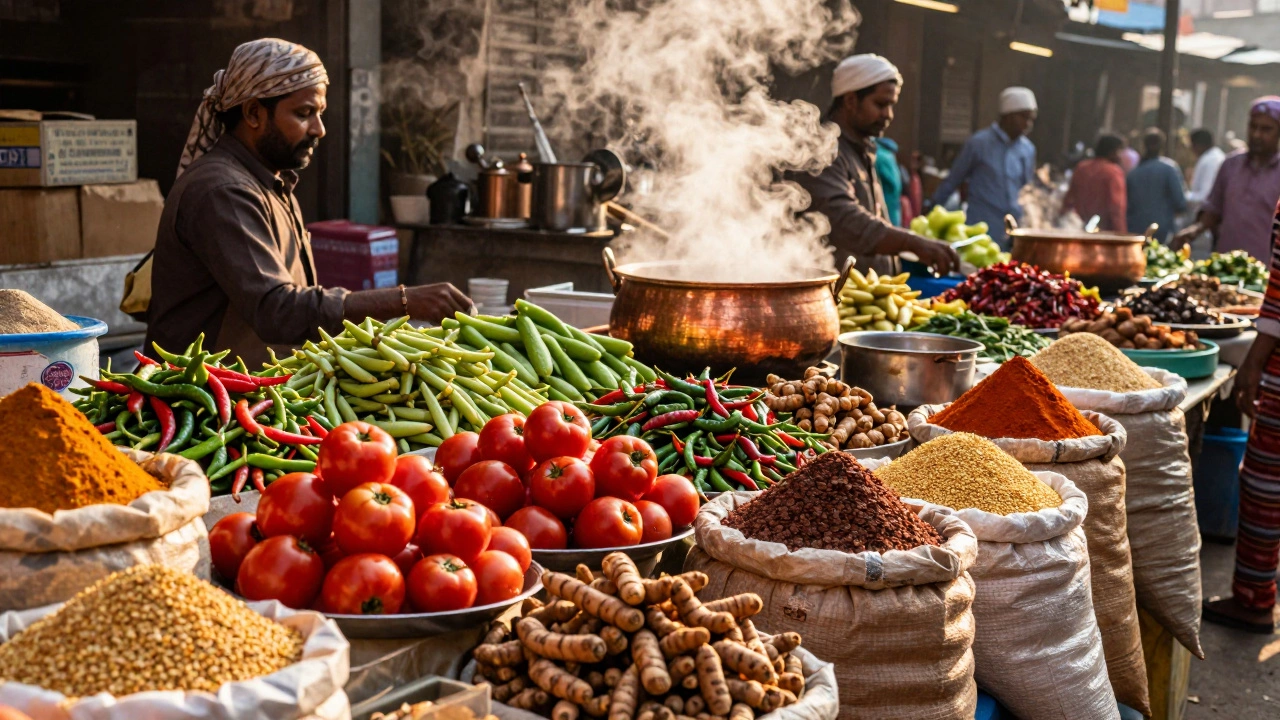
India is home to over 1.4 billion people, hundreds of languages, and dozens of distinct cultural regions. From the spicy curries of Kerala in the south to the tandoori specialties of Punjab in the north, every state has its own signature flavors. This diversity makes the question "what is the national dish of India?" more complex than it first appears. However, there are a few dishes that come close to representing the nation on a global stage. Let’s explore which ones they are and why they hold such a special place in Indian culture.
Why India Doesn’t Have an Official National Dish
Unlike countries like France (which proudly claims the baguette or coq au vin) or Italy (with pizza and pasta), India has never designated a single national dish through legislation or cultural consensus. This isn’t because Indian food lacks identity-it’s quite the opposite. The sheer variety of ingredients, cooking methods, and dietary preferences across the country makes it difficult to pick just one winner.
Dietary habits vary wildly depending on religion, geography, and tradition. For example, many Indians are vegetarian due to Hindu, Jain, or Buddhist beliefs, while others consume meat regularly. In coastal states like Goa and Karnataka, seafood is a staple, whereas inland regions rely more on lentils, vegetables, and grains. Even within families, meals can look completely different from one generation to the next.
This rich tapestry of tastes means that any attempt to crown a single "national dish" would inevitably leave out large portions of the population. Instead of focusing on one dish, it’s more accurate to think of Indian cuisine as a collection of regional cuisines, each with its own star players.
The Top Contenders for India’s Most Iconic Dishes
While there’s no official title, several dishes are widely recognized both within India and around the world as symbols of Indian food. These dishes appear frequently in restaurants abroad, feature heavily in media portrayals of Indian culture, and are loved by millions domestically. Here are the top contenders:
| Dish | Region of Origin | Main Ingredients | Global Popularity |
|---|---|---|---|
| Butter Chicken | Punjab (North) | Chicken, tomato, butter, cream, spices | Very High |
| Biryani | Hyderabad/Mughal Influence | Rice, meat/veg, saffron, fried onions, spices | High |
| Dal Makhani | Punjab (North) | Black lentils, kidney beans, butter, cream | Moderate-High |
| Masala Dosa | Karnataka/Tamil Nadu (South) | Rice batter, lentil filling, potato mash | Moderate |
| Chole Bhature | Lahore/Punjab (North) | Chickpeas, fried bread, spiced gravy | Moderate |
Butter Chicken: The Global Ambassador of Indian Cuisine
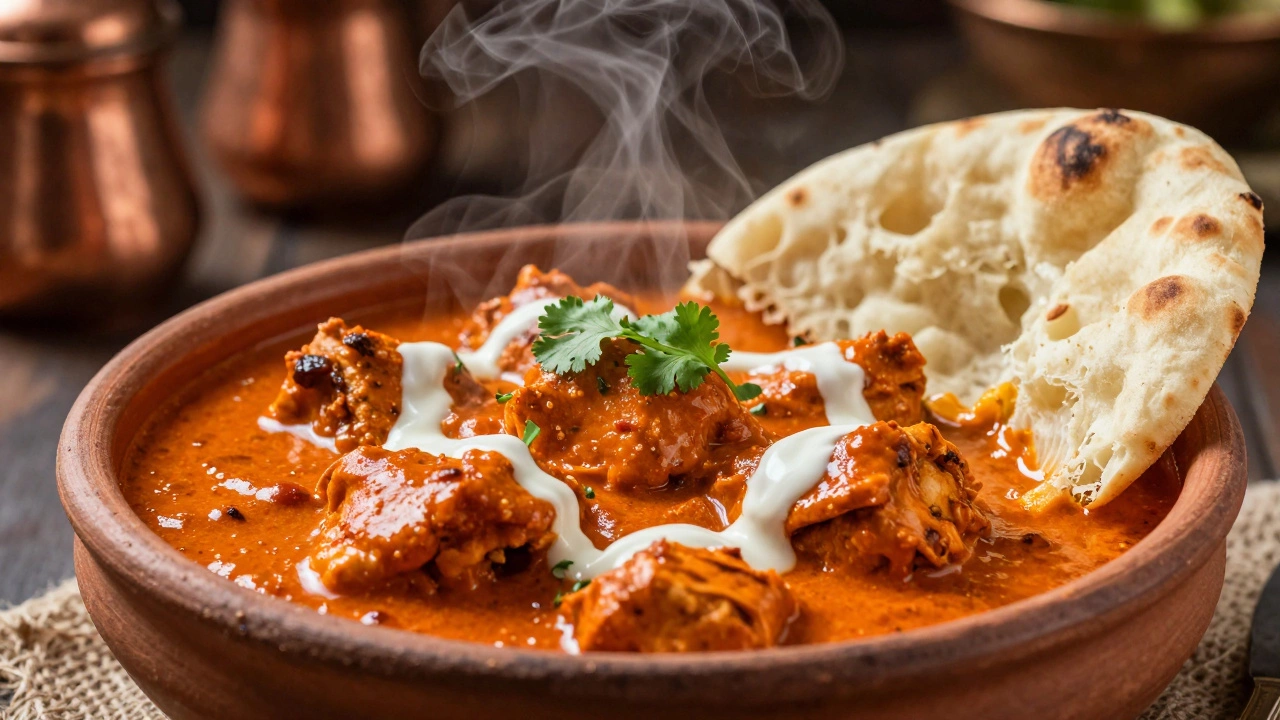
If you walk into an Indian restaurant anywhere in the world-from London to Los Angeles-you’re almost guaranteed to find Butter Chicken on the menu. It’s creamy, mildly spiced, and deeply comforting, making it accessible to even those who are new to Indian flavors. Created in the 1950s in Delhi by chefs at Moti Mahal, this dish was originally designed to use leftover tandoori chicken in a rich tomato-based sauce.
Today, Butter Chicken is arguably the most recognizable Indian dish globally. Its popularity stems from its balance of sweetness, richness, and subtle heat. While purists argue that it’s too mild to represent traditional Indian cooking, its widespread appeal has made it a de facto symbol of Indian cuisine for many international diners.
In India itself, Butter Chicken remains a favorite, especially in North Indian households and restaurants. It’s often served with naan or basmati rice and pairs well with raita (yogurt sauce) to cool down the palate. If you’re looking for a dish that introduces newcomers to Indian food without overwhelming them, Butter Chicken is usually the best starting point.
Biryani: The Royal Feast That Unites the Country
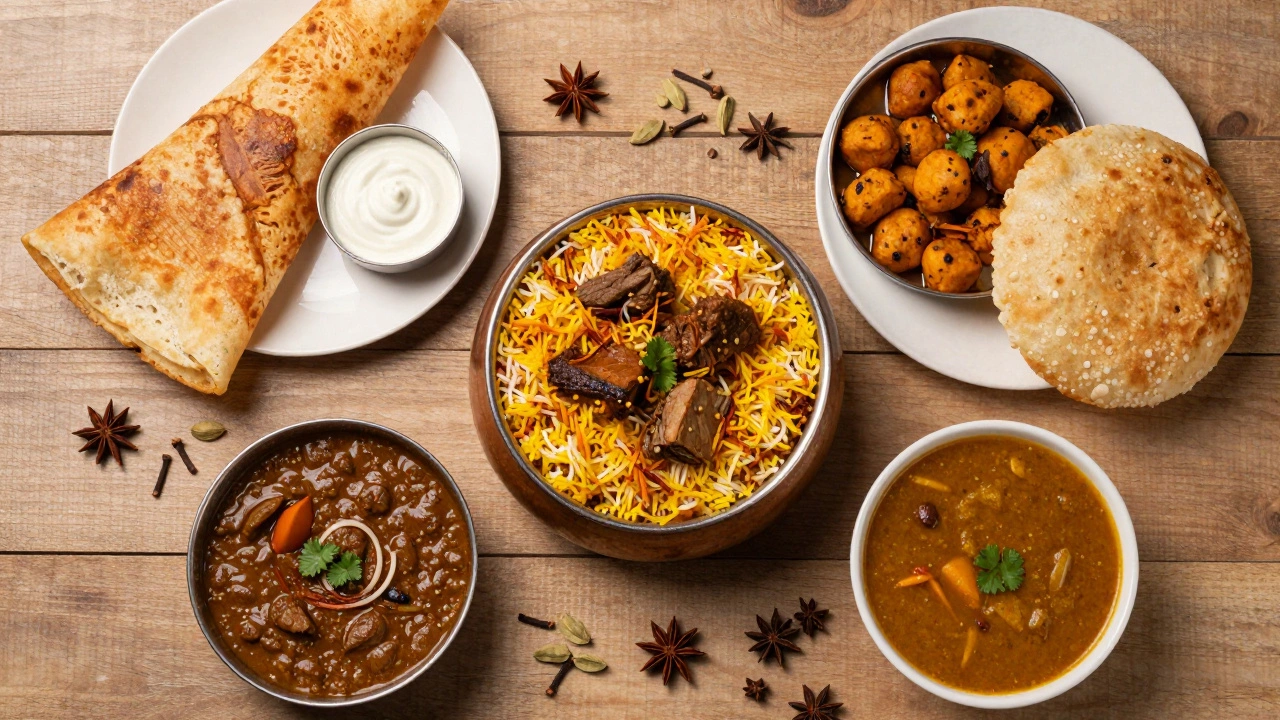
Biryani is another strong contender for the title of India’s most iconic dish. With roots in Persian and Mughal traditions, Biryani has evolved into a beloved meal across the subcontinent. Each region adds its own twist-Hyderabadi Biryani uses raw marinated meat layered with partially cooked rice, while Lucknowi Biryani features fully cooked ingredients gently simmered together.
What makes Biryani special is its versatility. You can make it with chicken, mutton, goat, fish, shrimp, or even vegetables. The key lies in the layering technique and the blend of aromatic spices like cardamom, cloves, cinnamon, and saffron. When done right, Biryani is fragrant, flavorful, and deeply satisfying.
In India, Biryani is more than just food-it’s a celebration. People gather for weddings, festivals, and family reunions centered around a pot of freshly cooked Biryani. It’s also incredibly popular among young professionals and students, who often order takeaway versions late at night. If you want a dish that reflects the grandeur and unity of Indian culture, Biryani fits the bill perfectly.
Dal Makhani: The Comfort Food Champion
For vegetarians, Dal Makhani stands out as one of the most iconic Indian dishes. Made from black lentils and red kidney beans slow-cooked with butter, cream, and spices, Dal Makhani is rich, hearty, and deeply satisfying. Originally created by Punjabi truck drivers who needed a long-lasting, energizing meal, it has since become a staple in homes and restaurants alike.
The magic of Dal Makhani lies in its simplicity and depth of flavor. Unlike some other Indian dishes that rely on complex spice blends, Dal Makhani gets its character from slow cooking and the luxurious addition of dairy. It’s often served with steamed rice or fluffy naan bread, creating a comforting combination that warms both body and soul.
In recent years, Dal Makhani has gained traction internationally, appearing on menus alongside Butter Chicken and Biryani. Many people consider it the ultimate comfort food-a bowl of warmth that feels like a hug from the inside. If you’re searching for a dish that embodies the soulful side of Indian cuisine, Dal Makhani deserves serious consideration.
Masala Dosa: The Southern Star
While Northern dishes dominate global perceptions of Indian food, Masala Dosa brings the vibrant flavors of South India to the forefront. Hailing from Karnataka and Tamil Nadu, Masala Dosa is a crispy fermented crepe made from rice and urad dal (black gram). Inside, it’s stuffed with a spiced potato mixture called sambar or chutney.
What sets Masala Dosa apart is its texture-crunchy on the outside, soft on the inside-and its tangy, slightly sour flavor profile thanks to fermentation. It’s typically enjoyed for breakfast but has become a popular lunch option as well. Accompanied by coconut chutney and sambar (a lentil-based vegetable stew), Masala Dosa offers a balanced mix of textures and tastes.
Though less common outside India compared to Butter Chicken or Biryani, Masala Dosa is gaining ground in urban centers worldwide. Health-conscious eaters appreciate its gluten-free nature and probiotic benefits from fermentation. If you’re curious about the lighter, grainier side of Indian cuisine, Masala Dosa is worth exploring.
Chole Bhature: The Hearty Street Food Favorite
Last but certainly not least, Chole Bhature represents the bold, unapologetic spirit of Indian street food. Popular in North India, particularly in cities like Delhi and Lahore, Chole Bhature consists of chickpeas cooked in a tangy, spiced tomato gravy (chole) paired with deep-fried fluffy bread (bhature).
This dish is all about indulgence. The bhature is airy and golden brown, soaking up the thick, robust chole sauce. Often garnished with chopped onions, green chilies, lemon wedges, and fresh coriander, Chole Bhature is a feast for the senses. It’s commonly eaten for brunch or dinner and is a go-to choice for casual gatherings.
While not as internationally known as Butter Chicken or Biryani, Chole Bhature holds immense cultural significance in North India. It’s associated with festive occasions, weekend treats, and late-night cravings. If you’re drawn to hearty, filling meals that pack a punch of flavor, Chole Bhature should be on your radar.
How Regional Diversity Shapes Indian Cuisine
To truly understand why India lacks a single national dish, you need to appreciate how regional diversity shapes its cuisine. Consider these examples:
- Kerala: Known for its use of coconut, curry leaves, and seafood. Famous dishes include Appam with Stew and Puttu.
- Gujarat: Offers sweet-savory combinations and predominantly vegetarian fare. Try Undhiyu or Dhokla.
- Bengal: Celebrates fish, mustard oil, and delicate sweets. Must-try items include Fish Curry and Rasgulla.
- Rajasthan: Features dry, robust dishes suited to arid climates. Highlights include Dal Baati Churma and Gatte ki Sabzi.
Each region reflects its climate, history, and local agriculture. Trying to pin down one dish as representative of all this complexity misses the point entirely. Instead, embracing the multiplicity of Indian food gives you a richer, more authentic experience.
What Should You Try First?
If you’re new to Indian cuisine and wondering where to start, here’s a quick guide based on your preferences:
- Mild & Creamy: Start with Butter Chicken or Palak Paneer (spinach and cottage cheese).
- Fragrant & Layered: Go for Biryani-chicken or veggie version works great.
- Hearty & Vegetarian: Choose Dal Makhani or Chana Masala (spicy chickpeas).
- Crispy & Tangy: Try Masala Dosa with coconut chutney.
- Bold & Filling: Dive into Chole Bhature or Tandoori Chicken.
No matter which path you take, remember that Indian food is meant to be shared, savored, and explored. Don’t feel pressured to stick to one dish-experiment, ask questions, and let your taste buds lead the way.
Is there an official national dish of India?
No, India does not have an officially declared national dish. Due to its diverse regional cuisines and varied dietary practices, no single dish represents the entire country.
What is the most famous Indian dish worldwide?
Butter Chicken is considered the most famous Indian dish globally due to its presence in nearly every Indian restaurant abroad and its approachable flavor profile.
Which Indian dish is best for vegetarians?
Dal Makhani, Palak Paneer, and Chana Masala are excellent vegetarian options that showcase the depth and richness of Indian plant-based cooking.
Can I cook authentic Indian food at home?
Absolutely! Many classic Indian dishes like Butter Chicken, Biryani, and Dal Makhani can be recreated at home using basic pantry staples and a bit of patience.
Why is Biryani so popular in India?
Biryani’s popularity comes from its adaptability, rich aroma, and association with celebrations. Every region has its own version, making it universally appealing.
What is the difference between North and South Indian food?
North Indian food tends to be richer, with more use of dairy, wheat, and meat. South Indian food emphasizes rice, coconut, tamarind, and fermented batters like dosa and idli.
Are Indian dishes generally spicy?
Spice levels vary greatly. Some dishes like Vindaloo are very hot, while others like Butter Chicken are mild. Always check with your server if unsure.
What is the healthiest Indian dish?
Dishes like Moong Dal Khichdi, Steamed Idli, and Vegetable Curries are nutritious and light, offering high fiber and protein without excessive fat or calories.