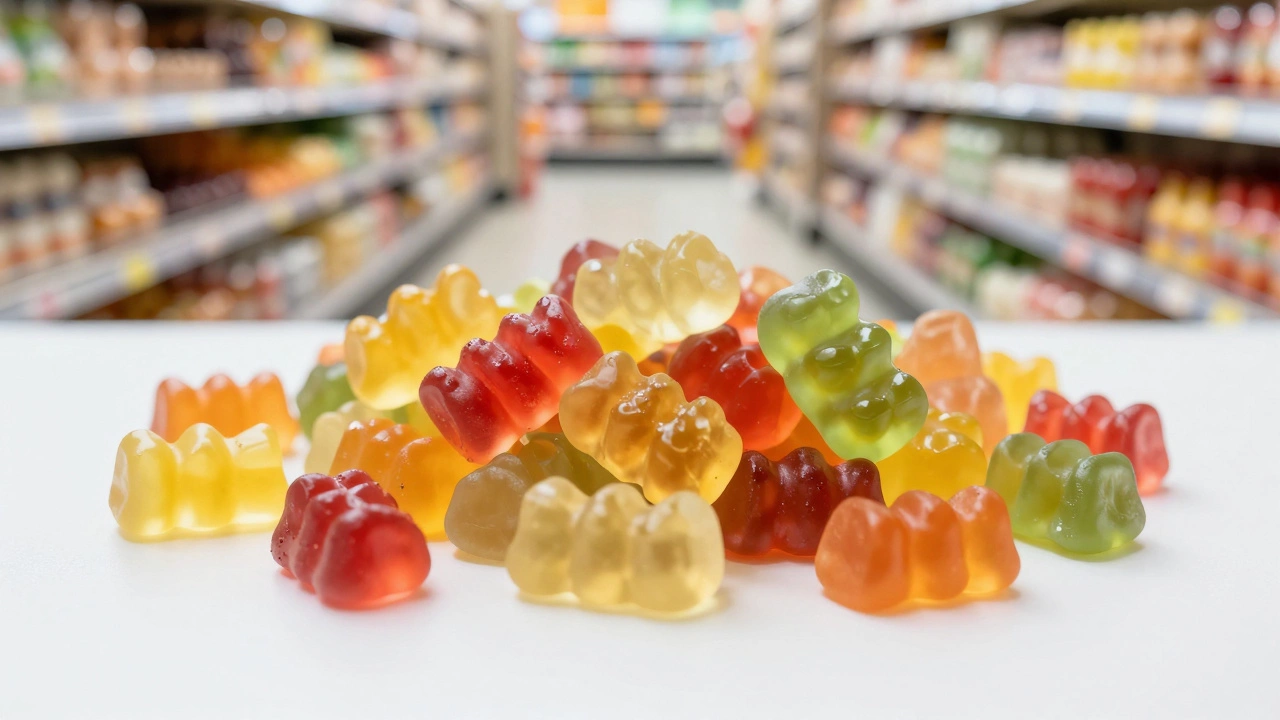
Halal Gummy Ingredient Checker
Select the ingredients found on your gummy candy packaging to check their general Halal status.
To understand this, we first need to look at Halal is an Arabic term meaning 'permissible', referring to foods and actions allowed under Islamic law . In the world of food, this means avoiding things like alcohol and pork, and ensuring meat is slaughtered in a specific way. Most gummies on the market use a thickening agent that fails these requirements, making them 'haram' or forbidden.
The Gelatin Problem
The chewy texture of a gummy bear comes from Gelatin is a protein obtained by boiling skin, tendons, ligaments, and bones of animals . In the US and Europe, the vast majority of commercial gelatin is derived from Pork is the meat from domestic pigs, which is strictly forbidden in Islamic dietary laws . Since pork is a primary source for gelatin because it's cheap and plentiful, most standard gummy candies are automatically non-halal.
But what if the package says 'beef gelatin'? That's where things get tricky. For a product to be halal, the animal must be slaughtered according to Sharia law. Many industrial beef gelatin sources don't follow these rules. If a cow was killed without the proper invocation or method, the resulting gelatin isn't considered permissible. This creates a huge gap between 'pork-free' and 'halal'.
How to Spot Non-Halal Ingredients
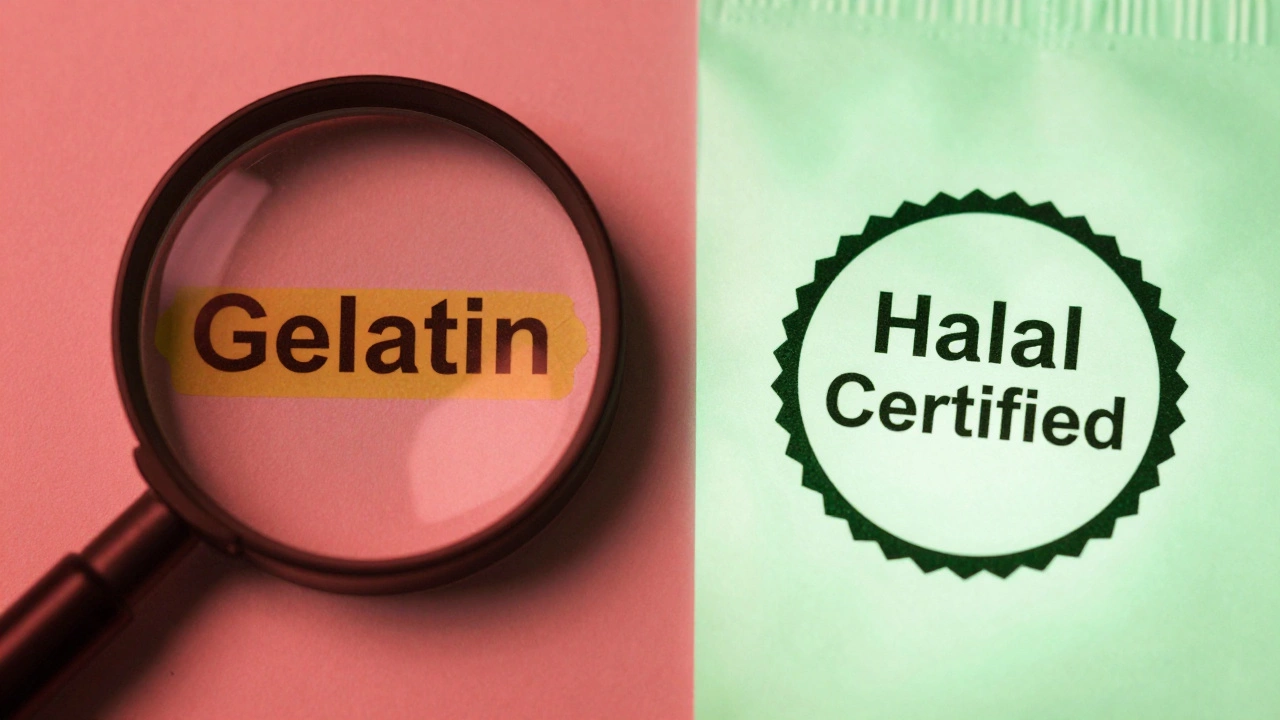
Reading labels can feel like a treasure hunt. You won't always see 'pork' listed clearly. Instead, you'll see 'gelatin' or 'animal byproduct'. If a label just says 'gelatin' without specifying the source or carrying a certified halal logo, it's usually a red flag. Many people make the mistake of thinking 'gelatin-free' means 'halal'. While gelatin-free items avoid the animal protein issue, you still have to check for other additives like certain food dyes (like Carmine, which comes from insects) or alcohol-based flavorings.
If you're shopping for a friend or family member who follows a halal diet, look for a certified seal. These certifications prove that every single ingredient-not just the main ones-has been vetted by an Islamic council. It takes the guesswork out of the process.
| Agent | Source | Halal Status | Texture Feel |
|---|---|---|---|
| Pork Gelatin | Pig Skin/Bones | Haram (Forbidden) | Classic, bouncy chew |
| Beef Gelatin | Cow Skin/Bones | Conditional (Needs Certification) | Very similar to pork |
| Agar Agar | Red Algae/Seaweed | Halal (Plant-based) | Slightly more brittle/firm |
| Pectin | Fruit Peels | Halal (Plant-based) | Softer, more 'jammy' |
Plant-Based Alternatives for the Perfect Chew
The good news is that we don't need animal bones to make a great sweet. Many companies are switching to plant-based alternatives. Agar Agar is a jelly-like substance derived from red algae, commonly used in Asian desserts . It's a fantastic substitute because it sets firmly and doesn't melt as easily as gelatin. You'll find it in many traditional Indian and Japanese sweets.
Then there is Pectin is a polysaccharide found in the cell walls of terrestrial plants, often extracted from citrus fruits . This is what gives jams and jellies their thickness. Gummy candies made with pectin have a slightly different 'mouthfeel'-they are less rubbery and more like a dense fruit paste. Many 'vegan' gummies use pectin, which makes them a safe bet for those following a halal diet.
Another option is cornstarch or modified food starches. These are often used in 'starchy' candies like gummy bears that feel a bit more like a firm marshmallow than a rubber band. While they don't have the exact same 'snap' as gelatin, they are completely animal-free.
Making Halal Sweets at Home
If you're tired of checking labels, the best move is to make your own. When you control the ingredients, you don't have to worry about hidden animal derivatives. Using a combination of fruit juice, honey or sugar, and agar agar can create a delicious treat that everyone can enjoy.
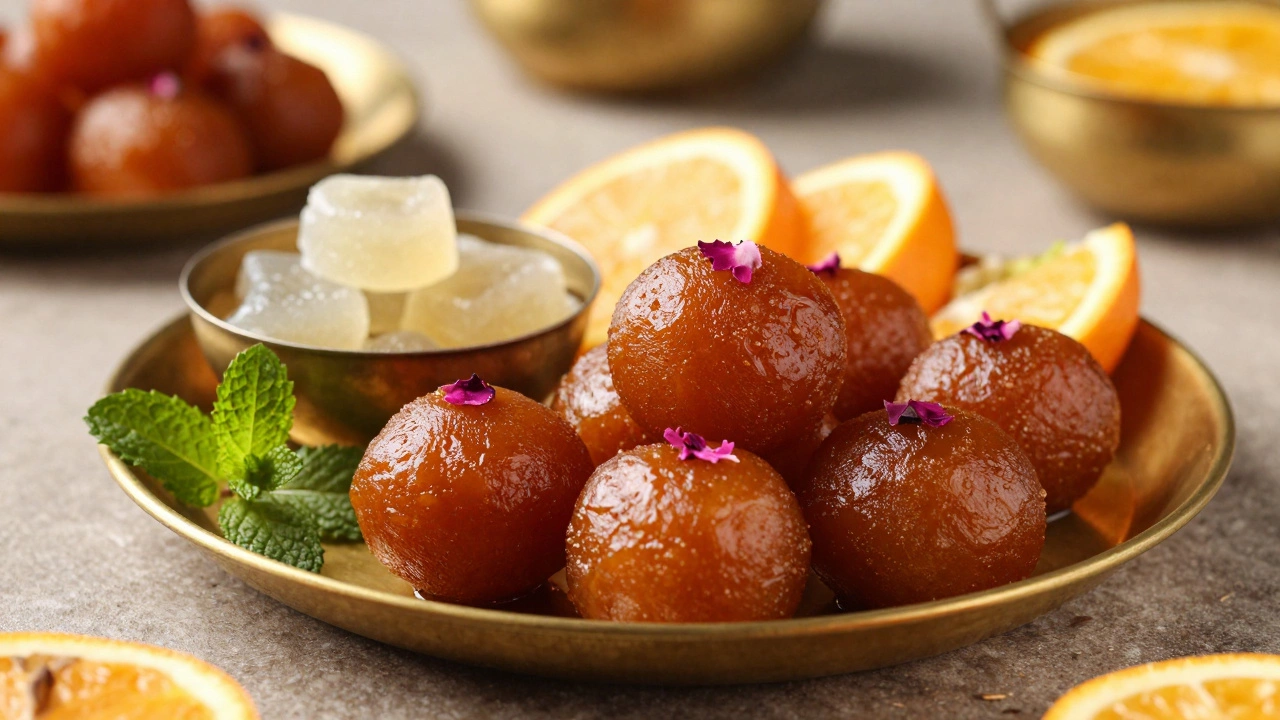
For those who love the richness of Indian sweets, you'll notice that most traditional desserts like Gulab Jamun is a milk-solid-based sweet ball soaked in rose-scented syrup or Barfi is a dense, fudge-like sweet made from condensed milk and sugar naturally avoid the gelatin problem. They rely on milk solids (khoya) and sugar for texture rather than animal collagens. This is why Indian sweets are often a go-to for halal-friendly celebrations.
Common Misconceptions About Halal Candy
A common myth is that if a candy is 'Vegetarian', it is automatically 'Halal'. While usually true, it's not a guarantee. Some vegetarians might eat certain additives that a strict halal diet avoids. For example, some flavorings use alcohol as a carrier. While the final product might have a negligible amount, some very strict interpretations of halal avoid any product where alcohol was used in the process.
Another misconception is that only 'expensive' organic brands are halal. In reality, many budget-friendly candies from countries like Turkey or Malaysia are designed with halal requirements in mind from the start. If you check the imports section of your grocery store, you'll often find a wider variety of halal gummies than in the domestic aisle.
Are all vegan gummies halal?
Generally, yes. Since vegan products contain no animal ingredients, they avoid the pork or non-halal beef gelatin problem. However, you should still check for alcohol-based flavorings or certain dyes like carmine to be 100% sure.
Can I use agar agar instead of gelatin in recipes?
Yes, but it's not a 1:1 swap. Agar agar is much stronger than gelatin. You usually need less of it, and it requires boiling to activate, whereas gelatin only needs to be dissolved in hot liquid. If you replace gelatin with agar, your gummy will be slightly firmer and less 'stretchy'.
Why is beef gelatin sometimes not halal?
For beef gelatin to be halal, the cow must be slaughtered according to Islamic rules (Zabiha). If the animal was slaughtered using a method that doesn't meet these standards, the resulting gelatin is considered haram, even though it comes from a cow and not a pig.
Which gummy brands are usually safe?
Look for brands that explicitly state 'Halal Certified' or 'Vegan'. Many brands from Muslim-majority countries are a safe bet. Always check the ingredient list for 'gelatin' and see if the source is specified as bovine (and certified) or plant-based.
Does 'gelatin-free' always mean it's okay to eat?
Most of the time, yes, but check for other animal-derived additives. Some red candies use carmine (made from crushed beetles), which some people avoid. Also, look for 'ethyl alcohol' in the flavorings if you follow a strict halal diet.
Tips for Finding Halal Sweets
If you're struggling to find options, try these strategies. First, head to the organic or health food section. These areas are packed with vegan treats that use pectin or agar agar. Second, explore international markets. Middle Eastern or South Asian grocery stores usually have an entire aisle dedicated to halal-certified confectionery.
When in doubt, use a halal-checking app. There are several apps where you can scan a barcode, and it will tell you if the ingredients are permissible based on a database of certifications. It's much faster than squinting at tiny print on the back of a bag.
Lastly, don't be afraid to ask the store manager. In many regions, stores keep halal-certified products in specific sections to make them easier for the community to find. A quick question can save you ten minutes of reading labels.