Indian Breakfast Health & Score Calculator
Your Morning Routine Check
Select all that apply to your typical morning:
- Eats a traditional hot meal (Idli, Paratha, Poha)
- Eats something light but nutritious (Fruit, Nuts, Yogurt)
- Drinks coffee/tea with a snack
- Skips entirely until lunch
- Eats sugary cereal or pastries
Your Health Score
Take the Quiz
Select your habits above and click calculate to see how your morning routine affects your health.
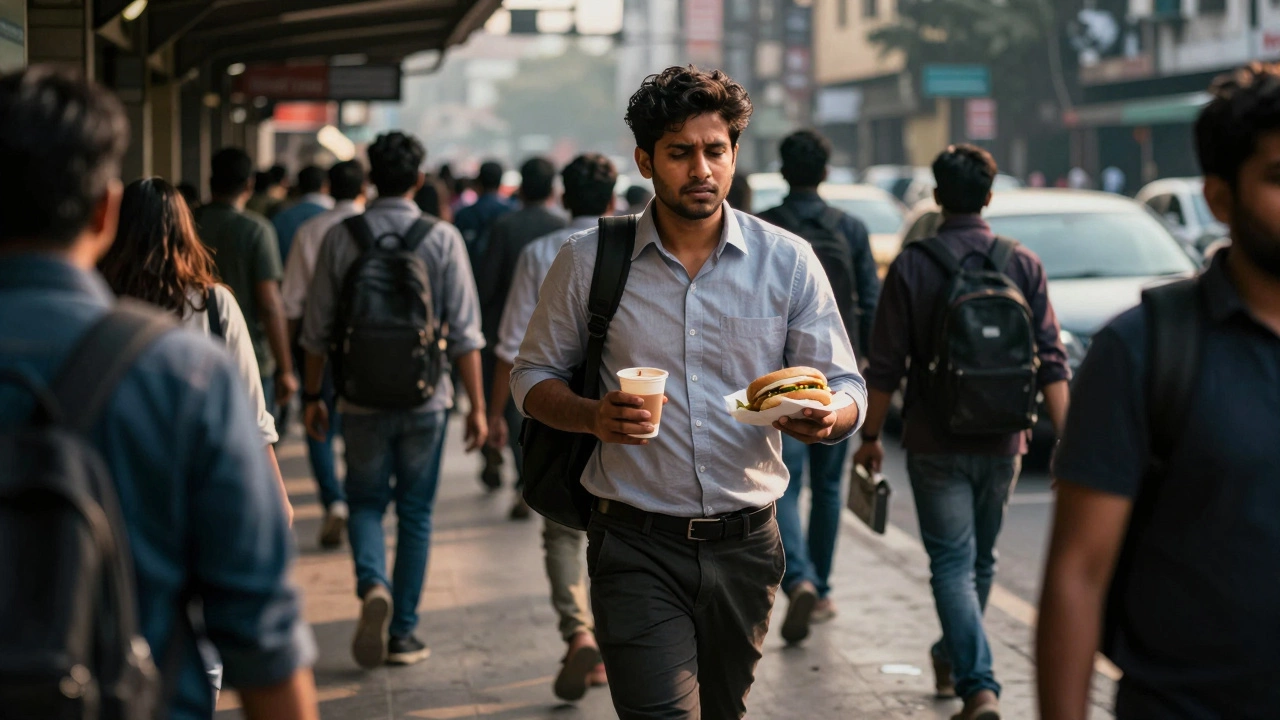
You wake up late. The commute is brutal. You grab a chai on the go, maybe a vada pav if you’re lucky, but mostly you just head straight to work or school with an empty stomach. If this sounds familiar, you are part of a massive, growing demographic across India is a South Asian country with diverse dietary habits and rapid urbanization.. But exactly how many people are doing this? And more importantly, what happens to your body when you make skipping breakfast a habit?
The short answer is: a lot. While exact national census data on meal-skipping frequency is sparse, recent surveys by major food delivery platforms and health organizations suggest that nearly 30% to 40% of urban Indians regularly skip breakfast. In metropolitan hubs like Mumbai, Delhi, and Bangalore, those numbers climb even higher, hitting close to 50% among working professionals and students.
Why Are So Many Indians Skipping Breakfast?
It’s not just about laziness. There is a complex web of reasons why the traditional Indian morning meal-the one that usually involves hot parathas, idlis, or poha-is getting pushed aside.
- The Urban Rush: Commutes in cities like Chennai and Hyderabad have doubled over the last decade. People are losing 1-2 hours daily to traffic. That time gets stolen from sleep or meals.
- Late-Night Habits: With streaming services and social media keeping us awake until 2 AM, waking up at 6 AM for a full breakfast feels physically impossible. We simply aren’t hungry.
- Dieting Misconceptions: A huge portion of the population believes that skipping breakfast helps burn fat faster. This "intermittent fasting" trend has been adopted without understanding the nutritional gaps it creates.
- Lack of Quick Options: Traditional Indian breakfasts are delicious but often time-consuming to prepare. Making fresh dosa batter or kneading dough for puri takes effort. When you’re tired, a bowl of instant oats or nothing at all wins.
The Health Cost of Skipping Morning Meals
Your body doesn’t care about your schedule. It runs on biological rhythms. When you skip breakfast, you disrupt several key processes.
First, your blood sugar levels drop. By morning, your liver has used up most of its stored glucose. Without fuel, your brain struggles to focus. You might feel irritable, foggy, or unable to concentrate-what doctors call "hangry." Studies from the National Institute of Nutrition is a premier research institute in India focused on public health and nutrition. indicate that children who skip breakfast perform worse in cognitive tests and have lower attention spans in school.
Second, you end up eating more later. Think about it. If you don’t eat at 8 AM, you’ll likely binge at 1 PM. This leads to larger portions of heavier foods, which can spike insulin levels and contribute to weight gain, not loss. Ironically, skipping breakfast is linked to a higher risk of obesity and type 2 diabetes in the long run, especially in a population already prone to metabolic issues.
Third, your gut health suffers. Regular meal times help regulate your digestive enzymes. Irregular eating patterns can lead to acidity, bloating, and poor nutrient absorption.
What Does a Typical Indian Breakfast Look Like?
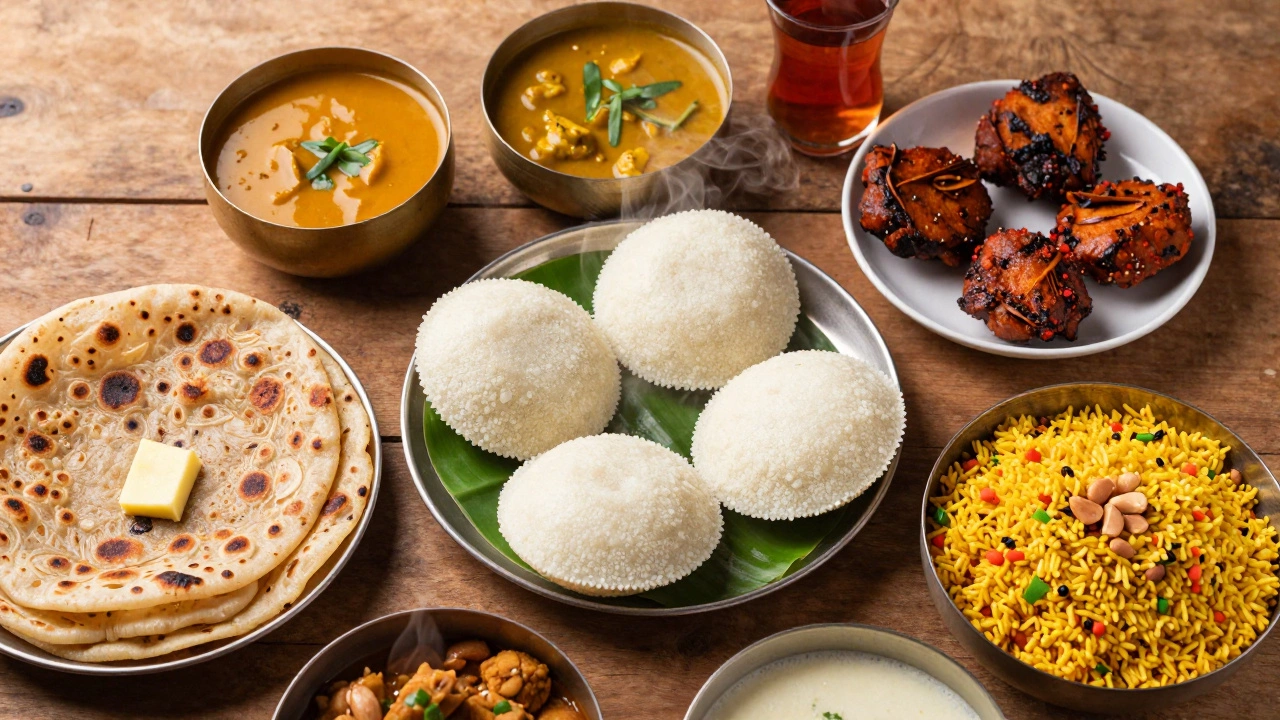
To understand why people skip it, we need to look at what they are missing out on. Indian breakfasts are regionally diverse and nutritionally dense.
| Region | Dish | Key Ingredients | Prep Time |
|---|---|---|---|
| South India | Idli & Sambar | Rice, Lentils, Vegetables | 10 mins (if fermented) |
| North India | Aloo Paratha | Whole Wheat, Potato, Spices | 20-30 mins |
| West India | Poha | Flattened Rice, Peanuts, Turmeric | 10 mins |
| East India | Cutlet & Chai | Potato, Breadcrumbs, Tea | 15 mins |
Notice the pattern? Most traditional options require some prep time or fermentation. Idli needs overnight soaking and grinding. Paratha requires rolling and frying. For someone rushing out the door, these barriers are too high.
Quick Breakfast Solutions for Busy Indians
You don’t have to choose between starvation and spending 30 minutes in the kitchen. Here are practical, culturally relevant ways to get a nutritious breakfast in under 10 minutes.
1. The Overnight Oats Hack
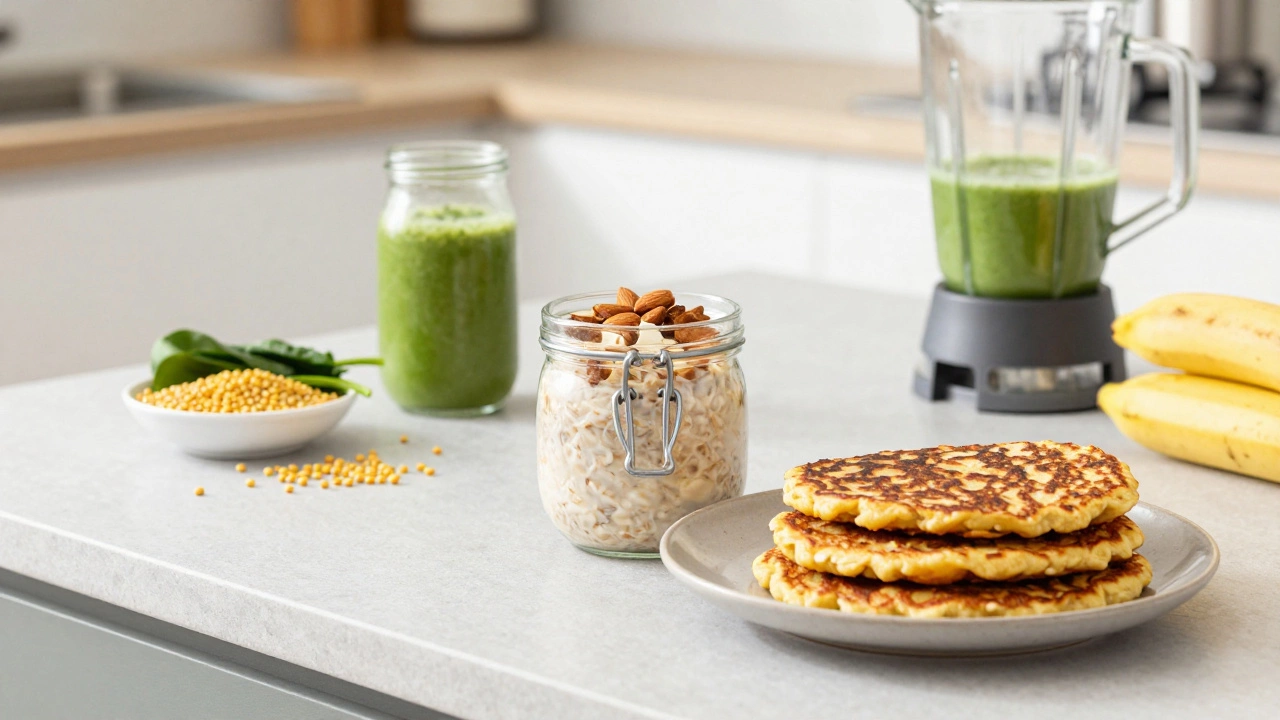
This isn’t just a Western trend. Mix rolled oats with milk (or curd/yogurt) and a pinch of cardamom or cinnamon. Let it sit in the fridge overnight. In the morning, top it with chopped almonds or bananas. It’s ready to grab and go. It provides slow-release energy and keeps you full until lunch.
2. Masala Chilla (Savory Pancakes)
If you have leftover moong dal or besan (gram flour) batter, whisk it with chopped onions, tomatoes, green chilies, and spices. Pour it onto a hot tawa like a crepe. It cooks in 3-4 minutes per side. High protein, high fiber, and incredibly fast.
3. Fruit and Nut Smoothies
Blender culture is growing in India. Throw in a banana, a handful of spinach (you won’t taste it), some peanuts, and milk. Blend for 30 seconds. You’ve got a liquid meal that’s easier to digest than solid food when you’re running late.
4. Stuffed Dates
Keep a jar of dates stuffed with almond paste or peanut butter. Eat two with a cup of black coffee or chai. It’s a calorie-dense snack that mimics the sweetness of traditional sweets but with better nutritional value.
The Cultural Shift: From Family Tables to On-the-Go
There is a deeper cultural change happening here. Traditionally, Indian families ate breakfast together. It was a time for conversation, planning the day, and bonding. Today, individualism and digital distractions have fractured this routine.
We see this in the rise of cloud kitchens and quick-service restaurants (QSRs). Brands are now marketing "breakfast boxes" specifically designed for commuters. These boxes contain a small portion of poha, a boiled egg, and a fruit slice. It’s a compromise-not ideal, but better than nothing.
However, we must be careful not to romanticize the past. Not everyone had access to nutritious food previously either. The goal now is to make healthy choices accessible to the modern, busy Indian lifestyle.
Who Is Most Likely to Skip Breakfast?
Data shows distinct patterns in who skips this meal:
- Students: College students, especially in hostels, often skip breakfast due to irregular schedules and limited cooking facilities.
- Women: Surprisingly, women are more likely to skip breakfast than men, often prioritizing family meals over their own or trying to control weight.
- Tech Workers: Professionals in IT hubs like Bangalore and Hyderabad report the highest rates of meal skipping due to shift work and stress.
Can You Reverse the Damage?
If you’ve been skipping breakfast for years, don’t panic. Your body is resilient. Start small. Don’t try to force a heavy meal if you’re not hungry. Begin with something light-a glass of buttermilk (chaas), a handful of nuts, or a piece of fruit. Gradually increase the volume as your hunger cues return.
Listen to your body. If you feel dizzy or shaky in the afternoon, that’s a sign you need morning fuel. Experiment with different timings. Maybe 7 AM is too early for you. Try eating at 9 AM instead. Consistency matters more than the clock.
Is it okay to skip breakfast once in a while?
Yes, occasionally skipping breakfast is fine, especially if you are practicing intermittent fasting under medical supervision. However, making it a daily habit can lead to nutrient deficiencies, low energy, and poor concentration.
What is the healthiest Indian breakfast for weight loss?
High-protein, high-fiber options are best. Moong dal chilla, sprouted moth bean salad, or vegetable upma with less oil are excellent choices. Avoid sugary cereals and fried items like samosas.
Why do I feel hungry immediately after skipping breakfast?
Your body senses a lack of fuel and releases ghrelin, the hunger hormone. This causes intense cravings for high-calorie, sugary foods later in the day, leading to overeating.
Can I replace breakfast with just a cup of coffee?
No, coffee alone provides no nutrients. It may temporarily suppress appetite, but it lacks the calories and nutrients needed for sustained energy. Pair it with a small snack like a banana or nuts.
How does skipping breakfast affect children's growth?
Children need consistent energy for growth and learning. Skipping breakfast can stunt physical development, reduce academic performance, and lead to behavioral issues due to low blood sugar.