India Beef Legality & Safety Checker
Select a state or region to view its specific laws regarding cow slaughter, beef availability, and associated social/legal risks.
Legal Status
Risk Assessment
Recommended Meat Alternatives
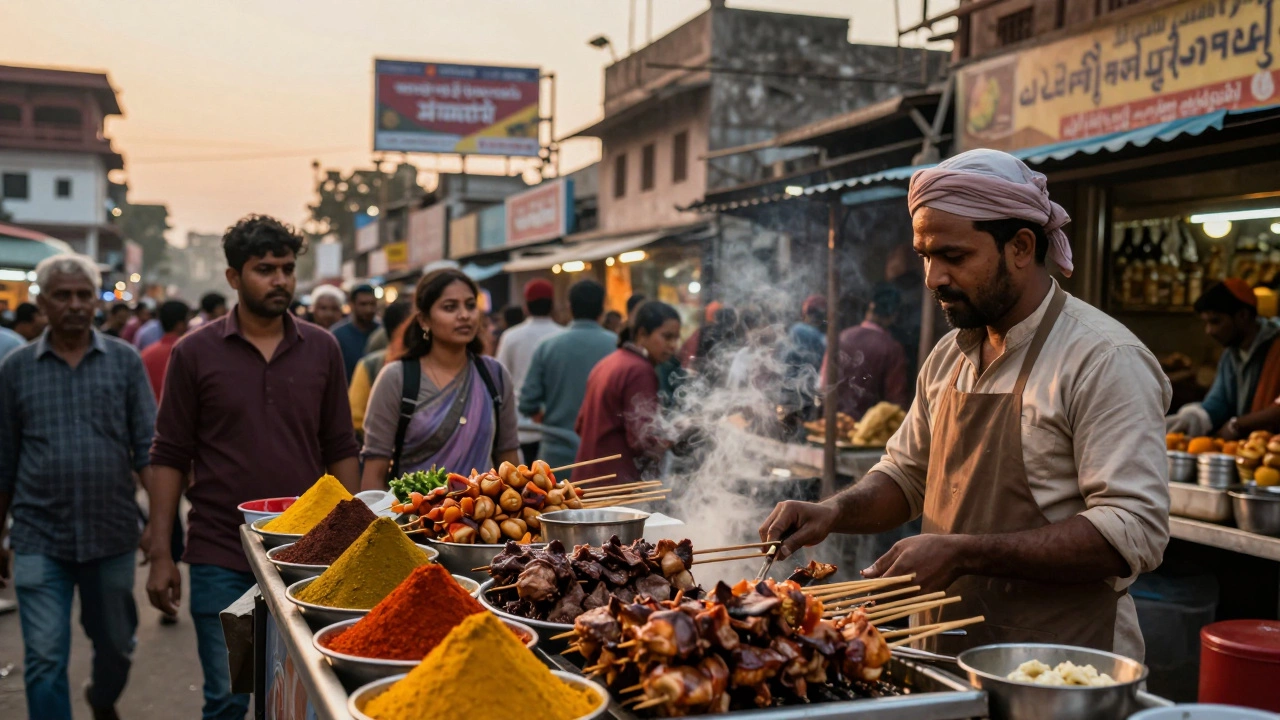
You walk down a busy street in Mumbai or Delhi. The air smells of spices, diesel, and frying oil. You see sizzling skewers on every corner. But then you pause. Is that meat safe to eat? More importantly, is it legal? If you’ve heard rumors that eating beef-or even just possessing it-is a crime in India, you’re not alone. The short answer is: it depends entirely on where you are standing.
India does not have a single, nationwide law that bans the consumption of beef for everyone. However, the situation is far more complex than a simple yes or no. Twenty-two out of twenty-nine states have some form of restriction on cow slaughter, often extending to restrictions on selling and consuming beef. In other states, like Kerala, West Bengal, and Goa, beef is widely available and consumed without legal issue. This patchwork of laws creates a confusing landscape for travelers and even locals.
The Cultural Weight of the Cow
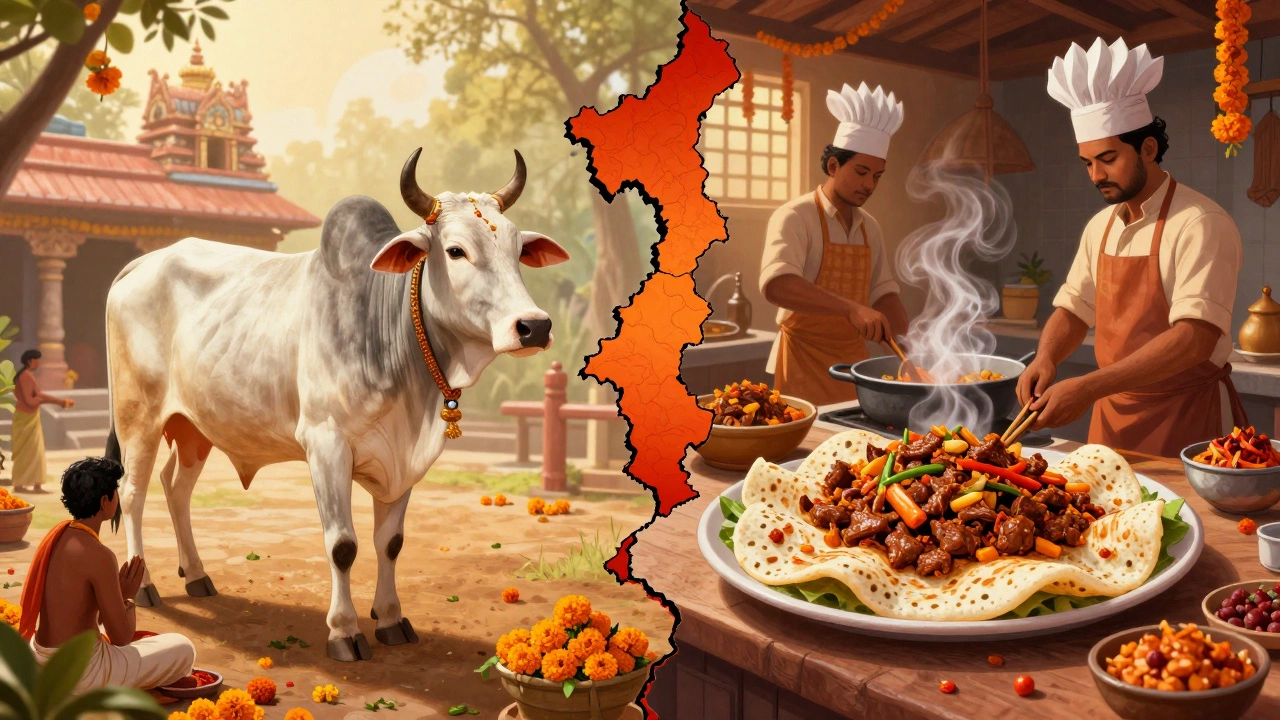
To understand the laws, you first need to understand the culture. For many Hindus, the cow is sacred. It is seen as a mother figure, a symbol of non-violence (ahimsa), and a provider of essential resources like milk and dung. This reverence dates back thousands of years and is deeply embedded in daily life, festivals, and religious practices.
This cultural sentiment drives political movements across the country. Political parties often use "cow protection" as a rallying point. When a state government passes a strict anti-beef law, it is rarely just about animal welfare; it is also a statement of cultural identity and political power. This means enforcement can be erratic. One day, police might ignore a small butcher shop; the next day, they might raid it following a complaint from a local vigilante group.
It’s crucial to distinguish between Beef is meat derived from adult cattle and Buffalo Meat is meat derived from water buffalo, which is legally distinct from cow meat in most Indian states. Many Indians who do not eat beef due to religious reasons still consume buffalo meat, goat, chicken, or fish. Buffalo are not considered sacred in the same way cows are. In fact, buffalo meat is often what you find labeled as "red meat" in restaurants in states where cow beef is banned.
The Legal Patchwork: State by State
Because India is a federal union, each state has the authority to make its own laws regarding animal slaughter. This results in a map that looks like a checkerboard of permissions and prohibitions.
| Region / State | Cow Slaughter Status | Beef Availability | Key Notes |
|---|---|---|---|
| Uttar Pradesh, Haryana, Bihar | Banned | Illegal to sell/consume cow beef | Strict enforcement; heavy penalties for possession |
| Gujarat, Rajasthan, Madhya Pradesh | Banned | Illegal to sell/consume cow beef | Historically strong cow protection movements |
| Kerala, West Bengal, Tripura | Allowed | Widely available | Beef is a common part of local cuisine |
| Goa, Maharashtra (mostly) | Restricted/Allowed | Available in many areas | Goa allows slaughter; Maharashtra bans cow slaughter but permits sale of meat from old/unproductive cows in some contexts |
| Punjab, Himachal Pradesh | Allowed | Available | Sikhism does not prohibit beef, though many Sikhs avoid it for personal reasons |
In states like Uttar Pradesh and Gujarat, the laws are draconian. Possessing beef can lead to imprisonment for up to five years and fines of tens of thousands of rupees. There have been tragic cases of mob violence against individuals accused of transporting or eating beef, highlighting the dangerous intersection of law, religion, and vigilantism.
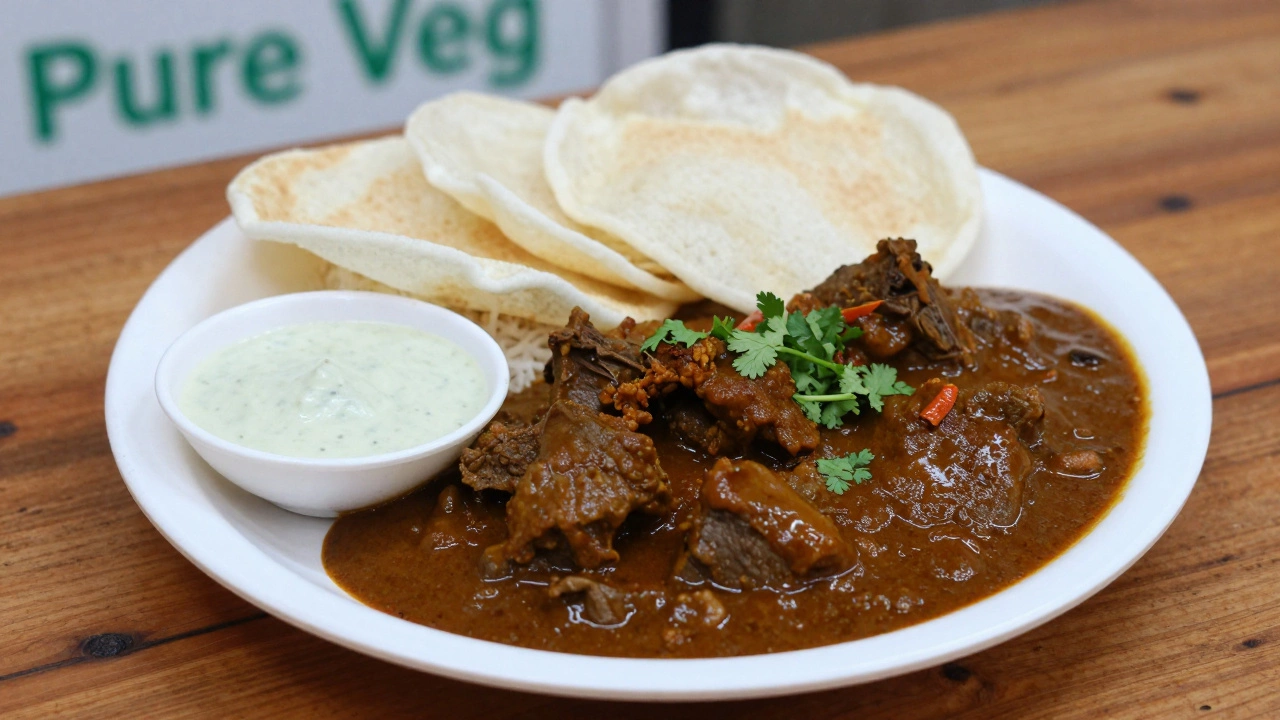
Conversely, in Kerala, beef fry is a beloved snack. You’ll find it served with appam (rice pancakes) in almost every restaurant. In West Bengal, beef curry is a staple during weddings and festivals. Here, the Muslim and Dalit communities, along with many secular Hindus, have long traditions of beef consumption that are respected and protected by local custom, if not always by national sentiment.
What About "Steak"?
If you are asking specifically about eating a Western-style steak in India, you face two hurdles: legality and availability. First, if you are in a state where cow slaughter is banned, you cannot legally buy a cow steak. Period. Second, even in states where it is legal, high-quality beef suitable for steaks is not commonly found in mainstream supermarkets or hotels.
Most red meat in India comes from buffaloes, goats, or sheep. Buffalo meat is tougher and leaner than cow beef, making it less ideal for tender steaks unless marinated and cooked slowly. Goat meat (mutton) is far more popular for curries and kebabs. If you visit a high-end hotel in Mumbai or Bangalore, you might find a "steak" option, but it is almost certainly buffalo or imported beef (which is illegal to import in large quantities). Always ask what kind of meat it is before ordering.
Navigating Street Food Safely
Street food is the heart of Indian culinary culture. From chaat to vada pav, the variety is endless. But when it comes to meat, caution is key. Here is how to navigate it:
- Look for signage: In vegetarian-only zones (common in North India), stalls will display green dots or signs saying "Pure Veg." In these places, no meat is served. Look for red dots for non-vegetarian options.
- Ask questions: Don’t assume. Ask the vendor, "Is this beef or buffalo?" Most vendors are honest because serving illegal beef could shut down their business permanently.
- Stick to known meats: Chicken, mutton (goat), and fish are universally accepted and safer bets for tourists. Tandoori chicken or seekh kebabs are delicious and widely available across all states.
- Avoid raw or undercooked meat: Regardless of legality, hygiene is a bigger concern. Ensure meat is cooked thoroughly at high temperatures.
The Social Risk vs. Legal Risk
Even if you are in a state where beef is technically legal, social pressure can be intense. In mixed neighborhoods, eating beef openly might attract unwanted attention or hostility from conservative groups. Vigilante groups, sometimes called "gau rakshaks" (cow protectors), have been known to patrol streets and attack people they suspect of carrying beef.
As a traveler or resident, discretion is your best friend. Do not flaunt beef products. Do not take photos of beef dishes and post them on social media with location tags in sensitive areas. Respect local customs. If you are staying with a host family, always ask about their dietary preferences before bringing food over. Many Indian households, even those that eat meat, do not eat beef.
Alternatives to Beef
If you love the taste of red meat but want to avoid legal or social complications, consider these alternatives:
- Buffalo Keema: Minced buffalo meat cooked with spices is tender and flavorful. It’s a great substitute for ground beef in tacos or pasta sauces.
- Mutton Curry: Goat meat is richer and gamier than beef. It’s perfect for slow-cooked curries.
- Lamb Chops: Widely available in North India, especially in Punjab and Kashmir.
- Fish and Prawns: In coastal states like Kerala, Goa, and Andhra Pradesh, seafood is king. Try fish fry or prawn curry.
FAQs About Eating Meat in India
Is it illegal to eat beef in all of India?
No. While 22 states ban cow slaughter, states like Kerala, West Bengal, Goa, and Punjab allow it. Laws vary significantly by region.
Can foreigners eat beef in India?
Foreigners are subject to the same laws as citizens. However, enforcement may vary. It is strongly advised to respect local laws and customs to avoid serious legal trouble or safety risks.
What is the difference between beef and buffalo meat in India?
Beef comes from cows, which are often protected by law. Buffalo meat comes from water buffalo, which are not sacred and can be slaughtered legally in most parts of India. Buffalo meat is leaner and tougher.
Are there any penalties for possessing beef?
In states with bans, penalties can include fines ranging from ₹10,000 to ₹50,000 and imprisonment from one to five years, depending on the state's specific legislation.
Is pork available in India?
Yes, pork is widely available and legal across India, particularly in Northeastern states, Goa, and among Christian communities. It is not subject to the same restrictions as beef.