Indian Drink Pairing Guide
Select Your Situation
Why It Works
Key Benefits
Walk into any local shop in Mumbai or a quiet village in Kerala, and you will hear one sound: the clinking of glass tumblers. You will smell cardamom, ginger, and boiling milk. If you ask someone on the street, "What is the famous drink of India?" they won't give you a single answer immediately. They will smile and ask, "Sweet or salty? Hot or cold?"
India does not have just one national drink. It has a culture built around hydration, digestion, and hospitality. The most iconic beverage is undoubtedly masala chai. However, depending on where you are and what time it is, that title might belong to thick yogurt lassi, refreshing nimbu pani (lemonade), or cooling buttermilk known as chaas.
Understanding these drinks helps you navigate Indian breakfasts, meals, and social gatherings. Let's look at the top contenders for the title of India's most famous drink, how they are made, and why they matter so much to daily life here.
The Undisputed King: Masala Chai
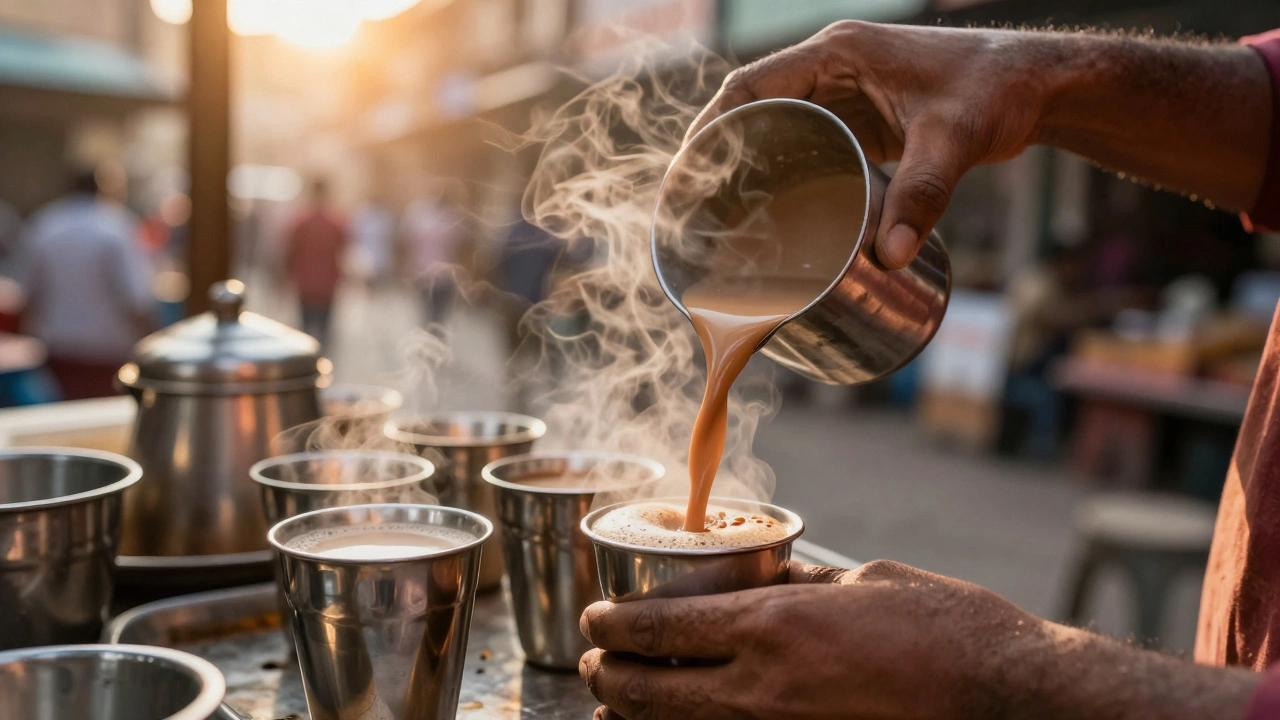
If there is one liquid that binds the subcontinent together, it is chai. In India, "chai" simply means tea. But when people talk about the famous drink, they mean masala chai-black tea brewed with milk, sugar, and a blend of aromatic spices.
Masala Chai is a spiced black tea beverage made by simmering tea leaves, milk, water, sugar, and spices like cardamom, ginger, cloves, and cinnamon. It serves as a primary source of caffeine and comfort for millions of Indians daily.
You can find chai stalls, called *tapris*, on every corner. The preparation is an art form. Vendors boil water and spices first to release their oils. Then they add loose-leaf black tea (usually Assam or Darjeeling) and let it steep. Finally, they pour in milk and sugar, bringing the mixture to a rolling boil before straining it into small glasses.
Why is it so popular? It is affordable, accessible, and functional. Indians drink chai to start the day, to take a break from work, and to digest heavy meals. It is not just a drink; it is a social ritual. Offering chai to a guest is the standard way to show welcome. Refusing it can sometimes be seen as rude.
- Key Ingredients: Black tea leaves, whole milk, sugar (or jaggery), green cardamom pods, fresh ginger slices.
- Best Time to Drink: Morning and late afternoon.
- Cultural Role: Hospitality, energy boost, digestion aid.
The Yogurt Powerhouse: Lassi
While chai dominates the hot beverage scene, lassi rules the world of cold drinks. Originating in Punjab, this yogurt-based drink has spread across the entire country. It is thick, creamy, and incredibly refreshing, especially in the humid heat of northern India.
Lassi comes in three main varieties:
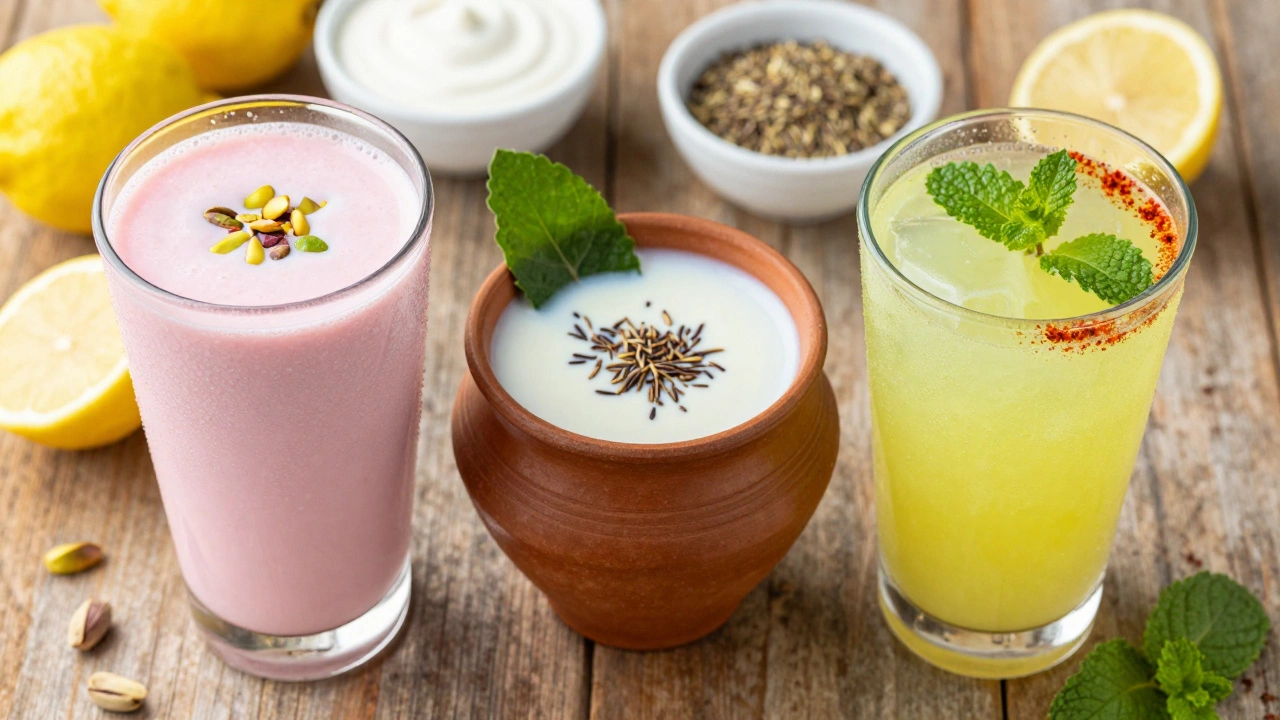
- Sweet Lassi: Made with yogurt, water, sugar, and often flavored with rose water, saffron, or cardamom. This is the classic dessert-like drink.
- Salted Lassi: A savory version topped with a pinch of roasted cumin powder and black salt. It is less sweet and more focused on hydration and gut health.
- Fruit Lassi: Modern variations include mango, banana, or strawberry blended with the yogurt base.
In many restaurants, lassi is served in tall glasses with a straw. It pairs perfectly with spicy food like butter chicken or biryani because the probiotics in the yogurt help soothe the stomach. For travelers, lassi is a safer option than plain water in some areas, provided it is made with pasteurized milk and clean water.
The Digestive Essential: Chaas (Buttermilk)
If you eat a heavy Indian meal, your host will likely offer you chaas. Also known as buttermilk, this is not the same as the Western cultured buttermilk used in baking. Indian chaas is the liquid left behind after churning butter from curd (yogurt). It is diluted with water and seasoned with spices.
Chaas is a thin, savory buttermilk drink made from churned yogurt, water, and spices like cumin, asafoetida, and curry leaves. It is renowned for its digestive properties and electrolyte balance.
Chaas is light and easy on the stomach. It contains essential electrolytes, making it a natural sports drink long before commercial brands existed. The addition of asafoetida (hing) and roasted cumin aids digestion, while curry leaves add a distinct herbal aroma. You will see families drinking this after lunch to cool down and prepare for the next part of the day.
The Street Favorite: Nimbu Pani
On a scorching summer day, nothing beats nimbu pani. This is Indian-style lemonade, but it tastes different from the sugary versions found elsewhere. Authentic nimbu pani is tart, salty, and spicy.
The secret ingredient is black salt (kala namak), which gives the drink a slightly sulfurous, egg-y aroma that enhances the flavor. Vendors also add crushed mint leaves and a pinch of chili powder. The combination of sour lemon, salty black salt, and spicy chili creates a complex flavor profile that wakes up your senses instantly.
Nimbu pani is sold by street vendors who carry large metal containers on bicycles or pushcarts. It is cheap, hydrating, and packed with Vitamin C. During festivals and outdoor events, you will see crowds lining up for a glass of this bright yellow-green liquid.
Regional Specialties and Other Notable Drinks
India is vast, and regional preferences play a huge role in what locals consider their "famous" drink.
| Drink Name | Type | Key Flavor Profile | Primary Region | Best Paired With |
|---|---|---|---|---|
| Masala Chai | Hot Tea | Spicy, Sweet, Milky | All India | Biscuits, Samosas, Breakfast |
| Lassi | Cold Yogurt | Creamy, Sweet or Salty | Punjab/North | Curry, Biryani, Desserts |
| Chaas | Cold Buttermilk | Savory, Tangy, Herbal | South/West India | Rice Meals, Lentils |
| Nimbu Pani | Cold Citrus | Tart, Salty, Spicy | All India (Summer) | Street Food, Snacks |
| Arisi Saptu | Cold Rice Drink | Nutty, Creamy, Mild | Kerala | Idli, Dosa |
In South India, particularly Kerala, you will find Arisi Saptu, a rice-based drink made by blending soaked rice with coconut milk and jaggery. It is nutritious and often given to children or those recovering from illness. In West Bengal, Kachali Cha is a unique fermented tea made from the leaves of the kucha tree, tasting earthy and tangy.
Another rising star is Jal Jeera, a cumin-coriander based drink that is clear, spicy, and extremely thirst-quenching. It is purely herbal and contains no dairy or caffeine, making it a great alternative for those avoiding milk or stimulants.
How to Choose the Right Drink for Your Meal
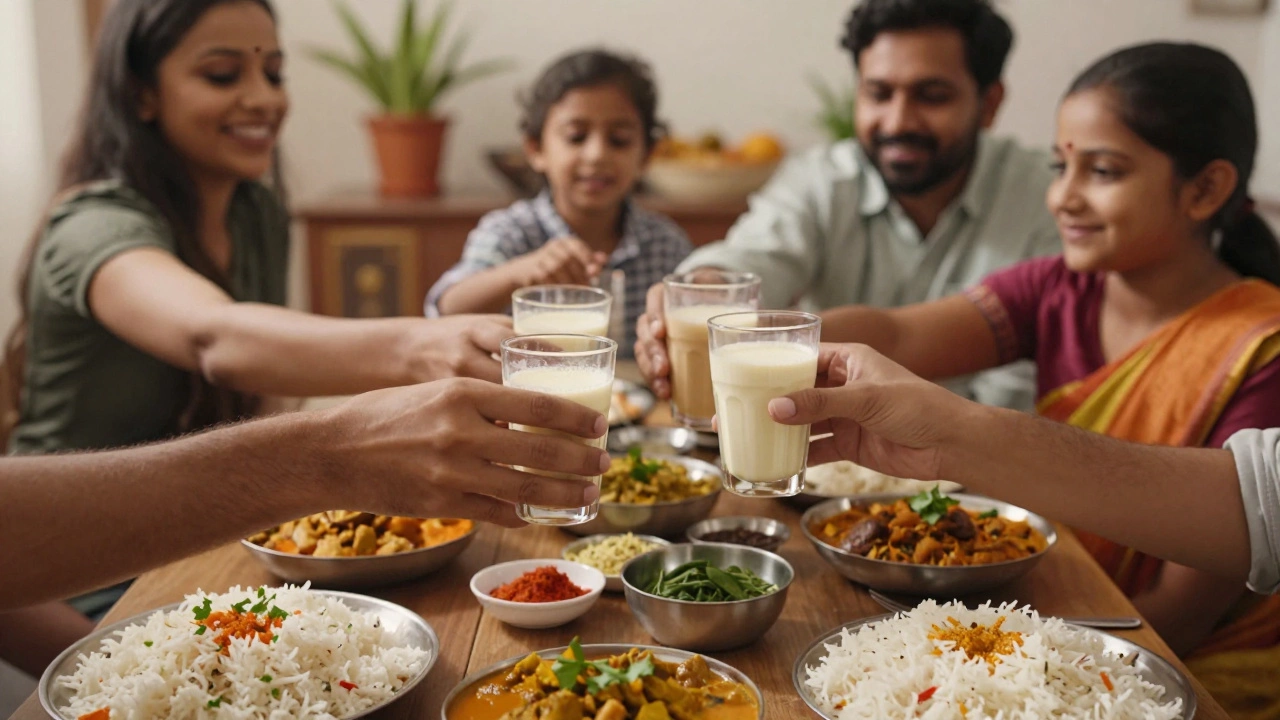
When dining in India, matching your drink to your food enhances the experience. Here is a simple guide:
- With Heavy Meat Curries: Choose Lassi. The fat and protein in the yogurt cut through the richness of the sauce.
- With Rice and Lentils (Dal): Choose Chaas. It aids digestion and balances the blandness of plain rice.
- With Fried Snacks (Samosas/Pakoras): Choose Masala Chai. The warmth complements the fried texture, and the spices help settle the stomach.
- On a Hot Day Without Food: Choose Nimbu Pani. It rehydrates quickly due to the salt and citrus content.
Health Benefits and Considerations
Many traditional Indian drinks are rooted in Ayurveda, the ancient system of medicine. They are designed not just to taste good, but to heal and balance the body.
Chai provides antioxidants from the tea leaves and anti-inflammatory benefits from ginger and turmeric (sometimes added). Lassi and chaas introduce probiotics, which support gut health and immunity. Nimbu pani boosts vitamin C intake and helps regulate body temperature.
However, moderation is key. Traditional chai is often loaded with sugar. If you are watching your sugar intake, ask for "less sugar" or use stevia/jaggery instead. Similarly, full-fat lassi is calorie-dense. Opt for skimmed milk versions if you are monitoring calories.
Conclusion
So, what is the famous drink of India? If you must pick one, it is masala chai. It is the heartbeat of Indian social life. But the true answer is that India offers a drink for every mood, season, and meal. Whether you need the warmth of spice-infused tea, the cooling relief of yogurt lassi, or the sharp refreshment of lemonade, India has a liquid tradition that welcomes you with open arms.
Next time you visit an Indian restaurant or cook an Indian meal at home, try pairing your food with one of these traditional beverages. You will notice how much better the flavors shine when supported by the right drink.
Is chai considered the national drink of India?
While India does not have an officially declared national drink by law, masala chai is widely regarded as the cultural national drink. It is consumed by hundreds of millions of people daily across all states and socioeconomic groups.
What is the difference between lassi and chaas?
Lassi is a thick, creamy yogurt shake that is usually sweetened with sugar or fruit. Chaas (buttermilk) is a thinner, savory drink made by diluting churned yogurt with water and adding spices like cumin and salt. Lassi is richer; chaas is lighter and more digestive.
Can foreigners safely drink Indian street drinks?
Yes, but caution is advised. Drinks like nimbu pani and chai are generally safe if prepared with boiled water. Avoid drinks with ice unless you are sure the ice is made from purified water. Lassi from reputable shops using pasteurized milk is also a safe choice.
What spices are typically used in masala chai?
The core spices are green cardamom and fresh ginger. Common additions include cloves, black pepper, cinnamon sticks, nutmeg, and sometimes fennel seeds or star anise. Turmeric is also added for color and health benefits.
Is there a non-alcoholic beer alternative in India?
Traditional alternatives include Jal Jeera (cumin-coriander drink) and Arisi Saptu (rice-coconut drink). These are naturally non-alcoholic, refreshing, and culturally significant, serving similar social roles to beer in casual settings.