Vegetarian Lifestyle Identifier
Result Title
LabelDescription goes here.
Fun fact from the article.
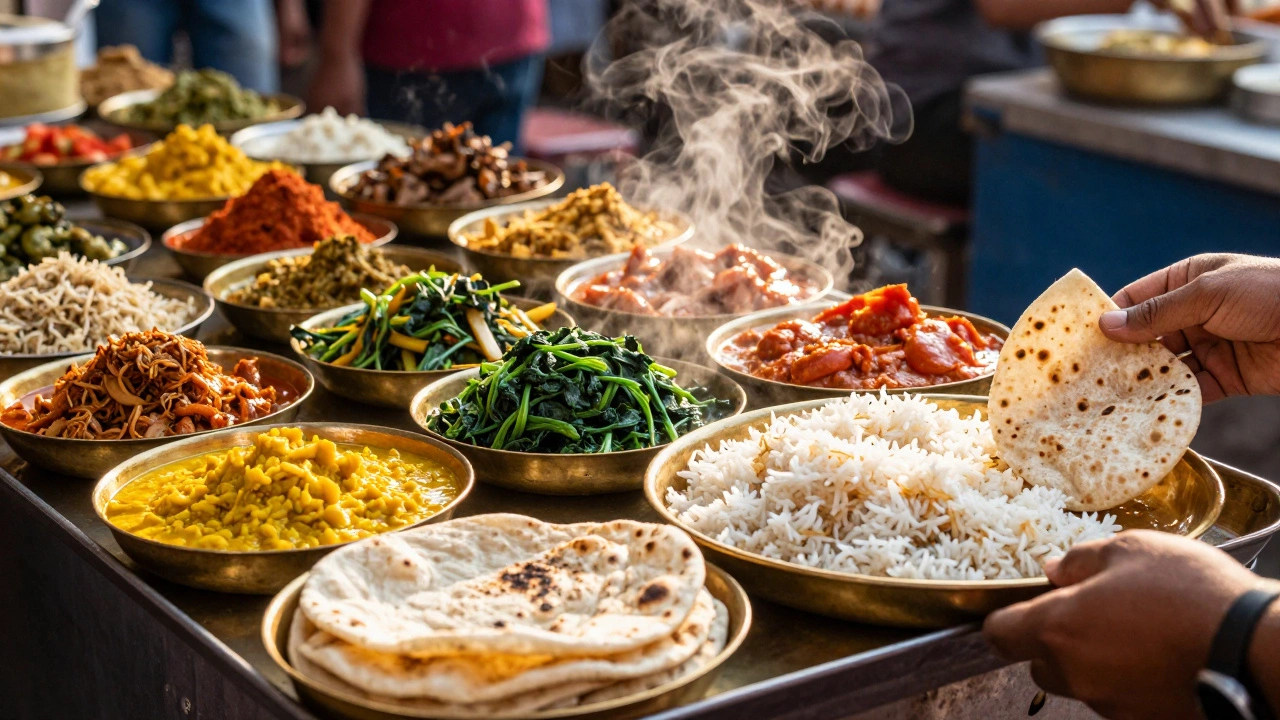
Walk down a street in Mumbai or Delhi, and you might notice something striking: entire menus without a single piece of meat. For decades, the world has looked at India as the global capital of vegetarianism. It is easy to assume that because India has such a deep cultural history with plant-based eating, it must be the only "pure" vegetarian country. But does any nation actually fit that label completely?
The short answer is no. There is no country on Earth where 100% of the population eats a strictly vegetarian diet. Even in India, where vegetarianism is most prominent, the majority of people still consume eggs, dairy, or sometimes meat depending on their region and community. However, if we define "pure vegetarian" not as a national mandate but as a culture where vegetarian food is the default, accessible, and deeply respected, then India stands alone.
The Reality of Eating in India
To understand why India gets this reputation, we have to look at the numbers. According to recent surveys, about 38% to 40% of Indians identify as vegetarian. That sounds like a minority, right? But when you compare that to the rest of the world, it is massive. In the United States, less than 5% of people are vegetarian. In China, it is even lower. No other country comes close to India’s scale of plant-based adoption.
But here is the catch: Indian vegetarianism is rarely what Westerners call "vegan." Most Indian vegetarians eat dairy products, including milk, yogurt (curd), ghee (clarified butter), and paneer (cottage cheese). This dietary style is known as lacto-vegetarianism. If your definition of "pure vegetarian" excludes all animal byproducts, then India doesn’t qualify either. But if you mean a society where you can walk into almost any restaurant and find a hearty, delicious meal without touching chicken or beef, India wins by a landslide.
You also won’t find uniformity across the country. In states like Kerala or Goa, seafood is a staple. In Punjab, dairy-heavy diets dominate. In the North East, pork and bamboo shoot curries are common. The "vegetarian identity" is strongest in the central and western states, particularly Gujarat, Rajasthan, and Maharashtra, where religious and cultural traditions heavily favor plant-based living.
Why Religion Shapes the Plate
You cannot talk about Indian vegetarianism without talking about faith. Three major religions in India-Hinduism, Jainism, and Buddhism-promote non-violence (Ahimsa) toward all living beings. This philosophy extends directly to the kitchen.
In Hinduism, cows are considered sacred. While many Hindus do eat meat (especially goat or mutton), the upper castes and many urban families avoid beef entirely, and often avoid all meat during festivals or specific days of the week. Temples in South India serve Prasad, which is always vegetarian, reinforcing the idea that spiritual purity aligns with plant-based eating.
Then there are the Jains. If you want to see the closest thing to a "pure vegetarian" lifestyle in action, look at Jain communities. Jains follow an extremely strict form of vegetarianism. They do not just avoid meat; they avoid root vegetables like onions, garlic, potatoes, and carrots. Why? Because pulling these roots from the ground kills the plant and harms small organisms living in the soil. A Jain meal might consist of lentils, leafy greens, fruits, and grains, prepared separately to ensure no cross-contamination with non-Jain foods. This level of detail shows how deeply food ethics are woven into daily life.

How Does the Rest of the World Compare?
If India is the heavyweight champion of vegetarian culture, who else is in the ring? Several countries have high rates of plant-based eating, but for different reasons.
| Country | Estimated Vegetarian % | Primary Driver | Dietary Style |
|---|---|---|---|
| India | ~38% | Religion & Tradition | Lacto-vegetarian |
| Italy | ~10-15% | Health & Mediterranean Diet | Omnivore-leaning |
| United States | ~5-7% | Ethics & Health Trends | Vegan/Flexitarian |
| Germany | ~9-11% | Environmental Concerns | Vegan/Plant-based |
| Bangladesh | ~6-8% | Islamic/Hindu Influence | Lacto-vegetarian |
In Europe, countries like Italy and Germany have seen a surge in vegetarianism, but it is driven more by health trends, environmental awareness, and the popularity of the Mediterranean diet rather than ancient religious mandates. You will find great veggie dishes in Tuscany, but you will also find steak houses on every corner. In contrast, in cities like Ahmedabad or Udaipur in India, finding a non-vegetarian restaurant can sometimes be harder than finding a vegetarian one.
It is also worth noting that in many Western countries, "vegetarian" is often a choice made by individuals within a meat-centric society. In India, for millions of people, it is a collective family tradition passed down for generations. You don't choose to be vegetarian in some Indian households; you are born into it.
The Rise of "Pure Veg" Restaurants
One unique feature of Indian food culture is the existence of restaurants that serve exclusively vegetarian food. These aren't just salad bars; they offer complex curries, rich gravies, and heavy breads that mimic the texture and satisfaction of meat dishes. Chains like Haldiram’s or local gems in Pune specialize in Maharashtrian vegetarian cuisine, which includes dishes like Misal Pav or Vada Pav (though Vada Pav can be controversial due to potato frying methods).
This infrastructure makes vegetarian travel incredibly easy in India. You don't need to hunt for gluten-free or vegan options; the default menu is already aligned with your needs. In most other countries, being vegetarian requires constant negotiation: "Can I leave the bacon off?" "Is this broth chicken-based?" In India, the question is often reversed: "Do you eat egg?" or "Do you eat onion-garlic?"
Challenges in a Modernizing India
While India holds the title for the highest proportion of vegetarians, the trend is shifting. Urbanization, exposure to global cuisines, and changing economic conditions are leading more young Indians to adopt flexitarian diets. Meat consumption is rising in metro cities like Bangalore and Hyderabad.
Additionally, there is a growing movement toward veganism among younger, educated Indians who are concerned about animal welfare and climate change. This creates a new layer of complexity. The traditional Indian vegetarian diet is high in saturated fats from ghee and full-fat dairy. Modern health-conscious Indians are now questioning whether "traditional" equals "healthy," leading to a rise in plant-based milks, mock meats, and oil-free cooking methods.
So, is India the pure vegetarian country? Not in the literal sense that every citizen abstains from animal products. But culturally, historically, and culinarily, it is the closest thing the world has to a vegetarian powerhouse. It offers a depth of flavor, variety, and ethical framework around plant-based eating that no other nation can replicate.
What Defines a "Pure" Vegetarian Meal?
If you are trying to navigate Indian food as a vegetarian, understanding the nuances is key. Here is a quick breakdown of what to expect:
- Lacto-Vegetarian: Eats dairy (milk, yogurt, cheese) but no eggs, meat, or fish. This is the standard Indian vegetarian diet.
- Eggetarian: Eats eggs but no meat or fish. Common in urban, modern Indian households.
- Jain Vegetarian: Excludes all meat, eggs, dairy (sometimes), and root vegetables (onions, garlic, potatoes). Often avoids honey and fermented foods.
- Vegan: Excludes all animal products. Rare in traditional Indian homes but growing in cities.
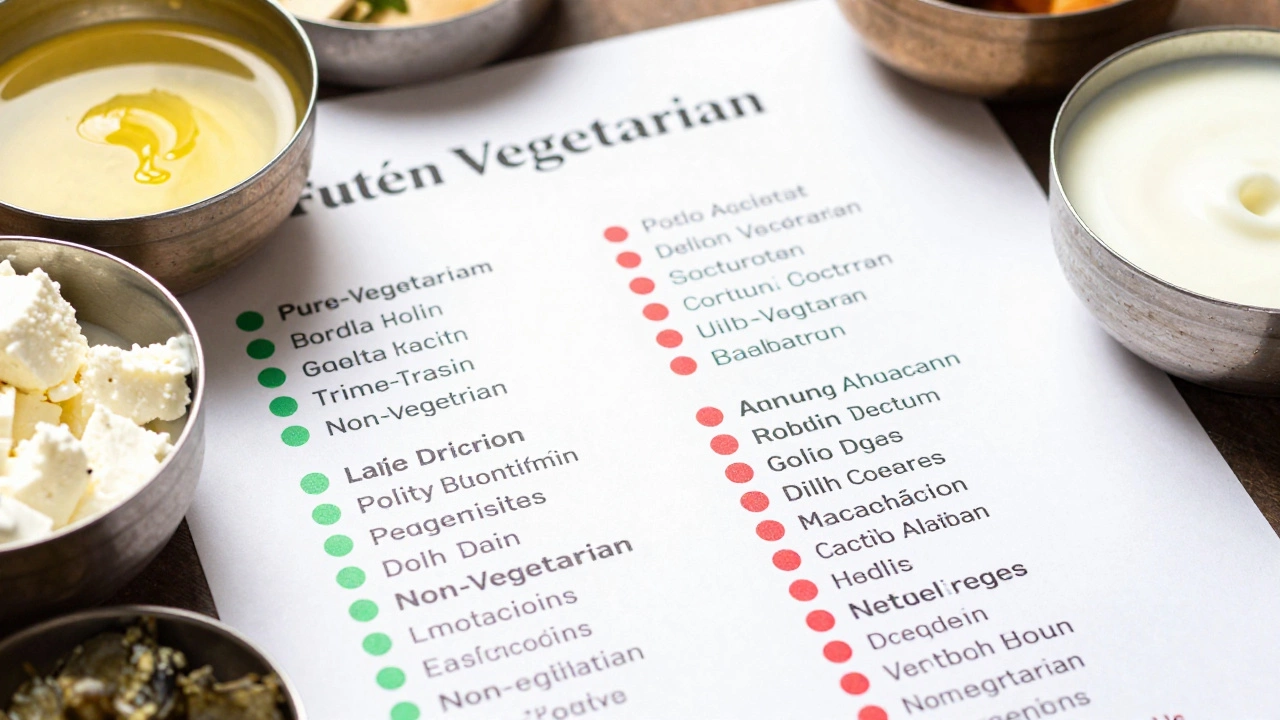
When dining out, look for the green dot symbol on menus. In India, a green dot indicates a purely vegetarian dish, while a red dot means it contains non-vegetarian ingredients. This simple visual cue helps millions of diners make instant choices without asking questions.
Is India the only country with a large vegetarian population?
Yes, India has the largest number of vegetarians in the world, both in absolute numbers and as a percentage of the population. While countries like Italy and Germany have significant vegetarian communities, none match India's scale or cultural integration of plant-based eating.
Do all Indians eat vegetarian food?
No. Approximately 60-62% of Indians consume some form of meat, fish, or eggs. Vegetarianism is more common in certain regions (like Gujarat and Rajasthan) and among specific religious groups (Hindus, Jains, Buddhists).
What is the difference between Indian vegetarian and Western vegetarian?
Indian vegetarianism is typically lacto-vegetarian, meaning it includes dairy products like ghee, paneer, and yogurt. Western vegetarianism often leans toward veganism or excludes dairy. Additionally, Indian vegetarian cuisine uses a wider variety of spices and legumes to create savory, filling meals, whereas Western vegetarian food has historically focused more on salads and vegetables.
Why do Jains avoid onions and garlic?
Jains believe in Ahimsa (non-violence). Onions and garlic are root vegetables, and harvesting them kills the entire plant. Furthermore, they are believed to harbor microorganisms in the soil. Some Jains also avoid them because they are thought to stimulate passions and anger, which conflicts with spiritual goals.
Can I find pure vegetarian restaurants outside of India?
Yes, especially in cities with large Indian diaspora populations like London, Toronto, Dubai, and New York. Many Indian restaurants abroad offer extensive vegetarian menus, though they may adapt flavors to local tastes. Look for certified "Pure Veg" establishments for the authentic experience.