Find Your Perfect Indian Morning Drink
Answer these three questions to find the drink that matches your morning vibe.
Drink Name
Tagline goes here.
Key Ingredients:
Ingredients list...
Why it works:
Benefit explanation...
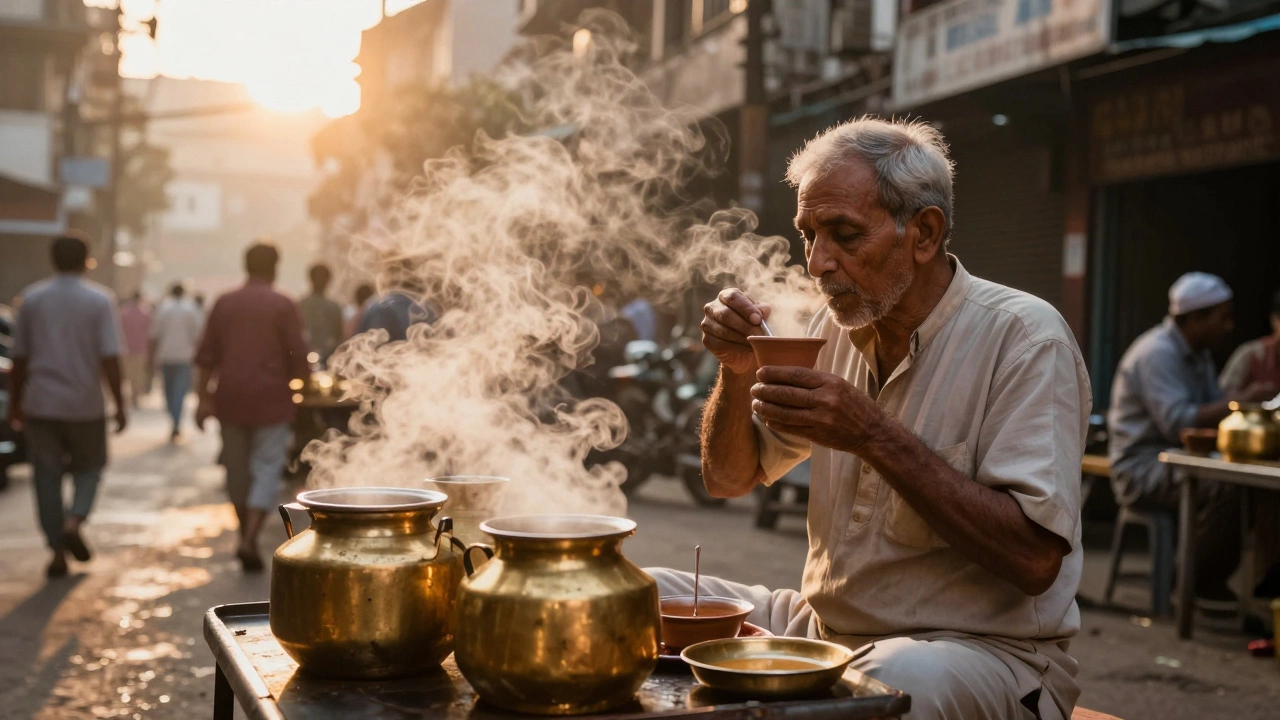
Picture this: It’s 7 AM in Mumbai. The sun is just peeking over the skyline, and the air smells faintly of wet earth and roasting spices. You walk past a local tea stall, where steam rises from clay pots, and an elderly man sips from a tiny glass with intense focus. What is he drinking? Chances are, it’s not black coffee or green juice. In India, the morning ritual is defined by warmth, spice, and tradition. Morning drinks in India are not just hydration; they are the first step in a day built on balance, digestion, and community.
The Undisputed King: Masala Chai
If you ask any Indian what their morning staple is, nine out of ten will say Chai. But don’t expect plain tea. Masala Chai is a spiced tea made by simmering black tea leaves with milk, sugar, and aromatic spices like cardamom, ginger, cloves, and cinnamon. It is the heartbeat of Indian mornings.
Why is chai so dominant? It’s about function as much as flavor. Black tea contains caffeine, which wakes you up, but the milk and sugar provide a slow-release energy boost. More importantly, the spices aid digestion. Ginger warms the stomach, while cardamom helps settle nausea. For millions of Indians, starting the day with a cup of hot, spiced milk-tea is a way to prepare the body for food. Whether you are in a bustling Delhi market or a quiet Kerala village, chai is the universal connector. It is cheap, accessible, and deeply comforting.
- Key Ingredients: Assam or Darjeeling tea leaves, whole milk, jaggery (unrefined cane sugar), green cardamom pods, fresh ginger slices.
- Preparation: Simmered together until reduced by half, then strained.
- Cultural Role: Served in small clay cups (kulhads) to enhance earthy flavors.
The Southern Powerhouse: Filter Coffee
While North India leans heavily on chai, South India-particularly Tamil Nadu, Karnataka, and Kerala-has its own liquid gold: Filter Coffee. This is not instant coffee mixed with water. It is a robust, strong brew made from dark-roasted Arabica and Robusta beans, often blended with chicory for depth and color.
The process is specific. Coarsely ground coffee is packed into a stainless steel double-decker filter. Hot water is poured over it, and the extract drips slowly into the lower chamber. This concentrate is then diluted with boiling milk and sweetened generously with sugar. The result is a creamy, frothy, and intensely aromatic drink that cuts through the heat of the southern climate. Unlike chai, which is often consumed throughout the day, filter coffee is strictly a morning ritual for many families. It pairs perfectly with crispy idlis or savory dosas.
| Feature | Masala Chai | Filter Coffee |
|---|---|---|
| Base Ingredient | Black Tea Leaves | Dark Roast Coffee Beans |
| Primary Region | Nationwide (North/East preference) | South India (Tamil Nadu, Karnataka) |
| Spice Profile | Cardamom, Ginger, Cloves | None (sometimes chicory added) |
| Caffeine Level | Moderate | High |
| Serving Style | Hot, steaming mug | Poured back and forth to create foam |

The Digestive Aid: Chaas (Buttermilk)
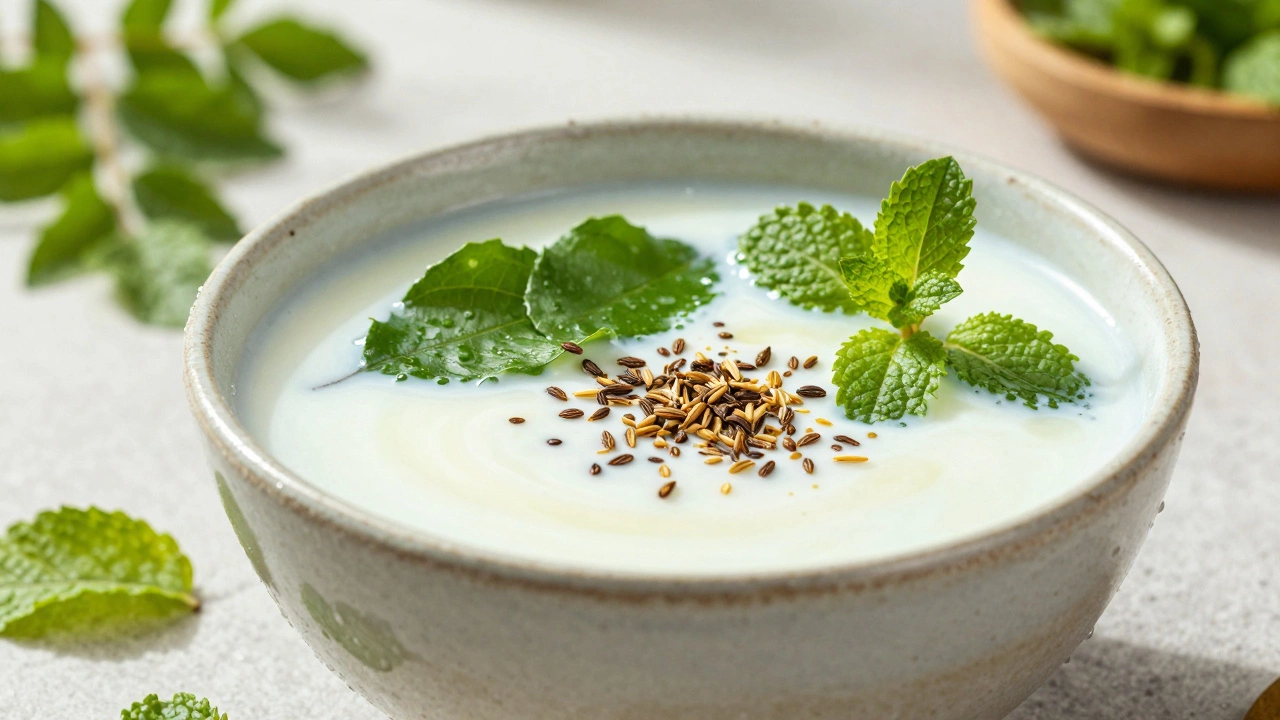
Not everyone wants something hot and heavy first thing in the morning. In warmer states like Maharashtra, Gujarat, and Rajasthan, Chaas (or buttermilk) is the preferred choice. Chaas is a diluted yogurt drink seasoned with salt, cumin, curry leaves, and sometimes garlic or mint. It is refreshing, probiotic-rich, and incredibly light on the stomach.
Yogurt (dahi) is a staple in Indian diets, but drinking it straight can be too thick for some. By whisking it with water and adding tempering spices (tadka), Indians create a beverage that cools the body. According to Ayurvedic principles, cold dairy can increase "Kapha" (mucus), but the addition of warming spices like cumin and ginger balances this effect. Chaas is often consumed alongside a heavy breakfast like poha or upma to ensure smooth digestion. It is the ultimate summer morning drink, keeping you hydrated without weighing you down.
The Sweet Treat: Lassi
In Punjab and Haryana, mornings often start with sweetness. Lassi is a traditional yogurt-based drink that has gained global fame thanks to popular chains, but its roots are deeply local. While there are many varieties, the classic morning version is usually Sweet Lassi.
Made by blending fresh yogurt, ice, and sugar (or condensed milk), Lassi is creamy and indulgent. It is often paired with parathas (stuffed flatbreads) or halwa. Unlike Chaas, which is savory and digestive, Lassi is celebratory and energizing. In rural households, it might be flavored with rose syrup or mango pulp if the season permits. For many Punjabis, a glass of chilled Lassi is the perfect counterbalance to the spicy, oily nature of their morning meals.
Regional Variations and Niche Drinks
India is vast, and regional climates dictate drinking habits. Here are a few other notable morning beverages:
- Kadak Chai: A stronger, more concentrated version of regular chai, popular in Western India (Goa, Maharashtra). It uses less water and more milk, resulting in a richer texture.
- Tender Coconut Water: In coastal regions like Kerala and Goa, fresh coconut water is a common morning hydrator. It is naturally electrolyte-rich and requires no preparation.
- Adrak Wali Chai: Specifically ginger-infused tea, often drunk during monsoon seasons or winter to combat colds and congestion.
- Fenugreek (Methi) Water: Soaked fenugreek seeds are steeped overnight and drunk in the morning for health benefits, particularly among those managing diabetes or weight.
Why These Drinks Matter
The choice of morning drink in India is rarely accidental. It is tied to Ayurveda, the ancient system of medicine that emphasizes balance. Hot drinks like chai and coffee are believed to kindle the digestive fire (Agni), while cool drinks like Chaas soothe inflammation. Sugar and milk provide immediate energy for labor-intensive days, while spices offer medicinal benefits.
Furthermore, these drinks are social lubricants. The act of making chai involves noise, smell, and waiting-a moment of pause before the rush begins. Sharing a cup of coffee or a glass of buttermilk with family sets the tone for the day. It is a ritual that connects generations, preserving cultural identity in every sip.
Is chai healthy for daily consumption?
Yes, moderate consumption of masala chai is generally healthy. The spices like ginger and cardamom have anti-inflammatory properties. However, traditional chai is high in sugar and full-fat milk. To make it healthier, reduce the sugar, use skimmed milk, or switch to herbal teas with similar spices.
Can I drink buttermilk (chaas) every morning?
Absolutely. Chaas is excellent for gut health due to its probiotics. It aids digestion and keeps you hydrated. Just ensure it is not too cold if you have a sensitive stomach, and always add spices like cumin to balance the cooling effect of yogurt.
What is the difference between lassi and chaas?
Lassi is thick, sweet, and creamy, often served as a dessert or treat. Chaas is thin, salty, and spiced, served as a digestive aid or thirst quencher. Lassi is denser in calories, while chaas is lighter and more hydrating.
Do Indians drink water in the morning?
Many Indians do drink warm water with lemon or honey first thing in the morning for detoxification. However, the primary "drink" associated with breakfast culture is usually chai, coffee, or buttermilk, consumed alongside food.
Which Indian drink is best for weight loss?
Green tea with ginger or tulsi (basil) is often recommended for weight management due to its metabolism-boosting properties. Unsweetened chaas is also a good low-calorie option compared to sugary chai or lassi.