Mysore Cuisine: Authentic South Indian Recipes for Everyday Cooking
When you think of Mysore cuisine, a vibrant style of South Indian cooking known for its balance of spice, texture, and tradition. Also known as Mysore food, it’s not just about fancy dishes—it’s about how simple ingredients like rice, urad dal, and curry leaves come together to create meals that stick with you. This style of cooking doesn’t rely on fancy tools or hard-to-find spices. It’s built on time-tested methods: fermenting batter overnight, slow-cooking biryani with layered flavors, and making chutney from fresh coconut or tamarind.
Dosa batter, the heart of many Mysore breakfasts needs the right rice-to-dal ratio and proper fermentation—get it wrong, and your dosa stays soft. Biryani spices, like cardamom, cloves, and saffron, aren’t just added—they’re layered, toasted, and balanced so no single flavor overpowers the rest. And Indian chutney, whether made with mint, coconut, or tamarind, isn’t a side—it’s the flavor bridge between bites.
What you’ll find here isn’t just recipes. It’s the why behind the how—the science of fermentation, the trick to crispy dosas, the reason lemon belongs in biryani, and why turmeric isn’t just yellow powder. These are the secrets that turn good meals into ones people remember.
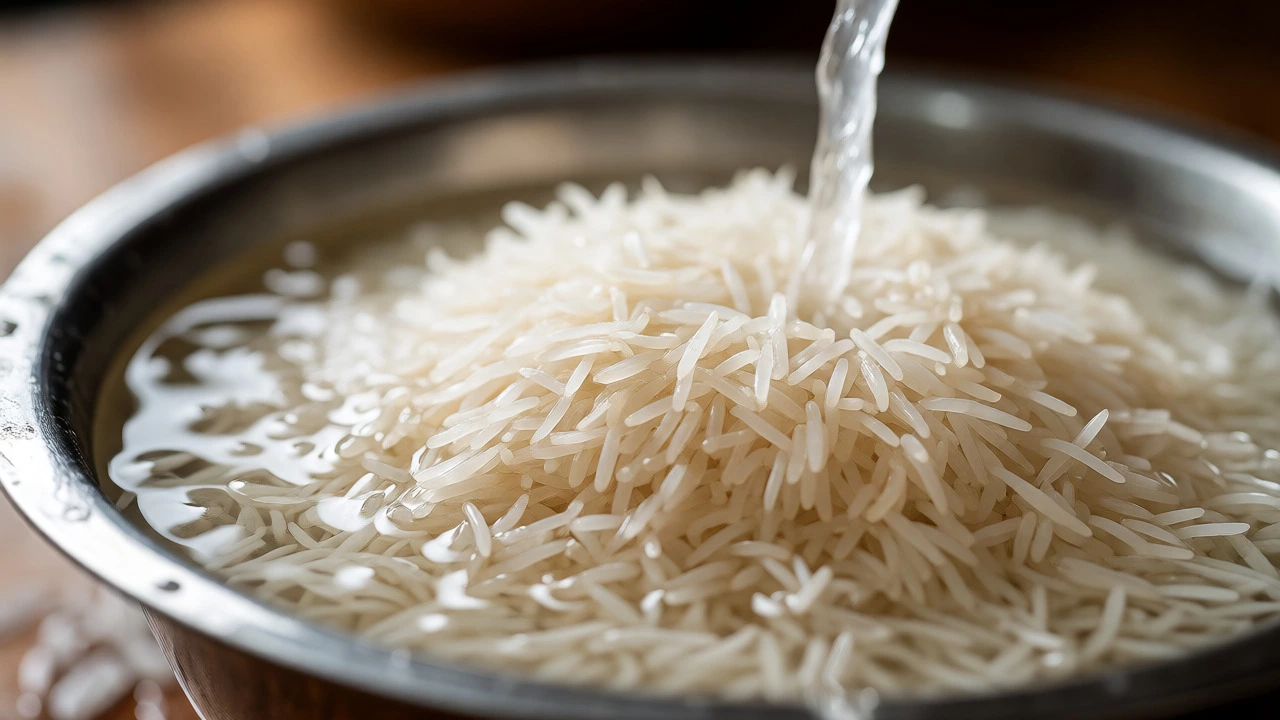
What is the Secret of a Good Biryani? Mastering the Art
Unlock the secrets to perfect biryani with expert tips on rice selection, marination techniques, and dum cooking methods. Learn how to achieve fluffy, aromatic layers every time.
learn more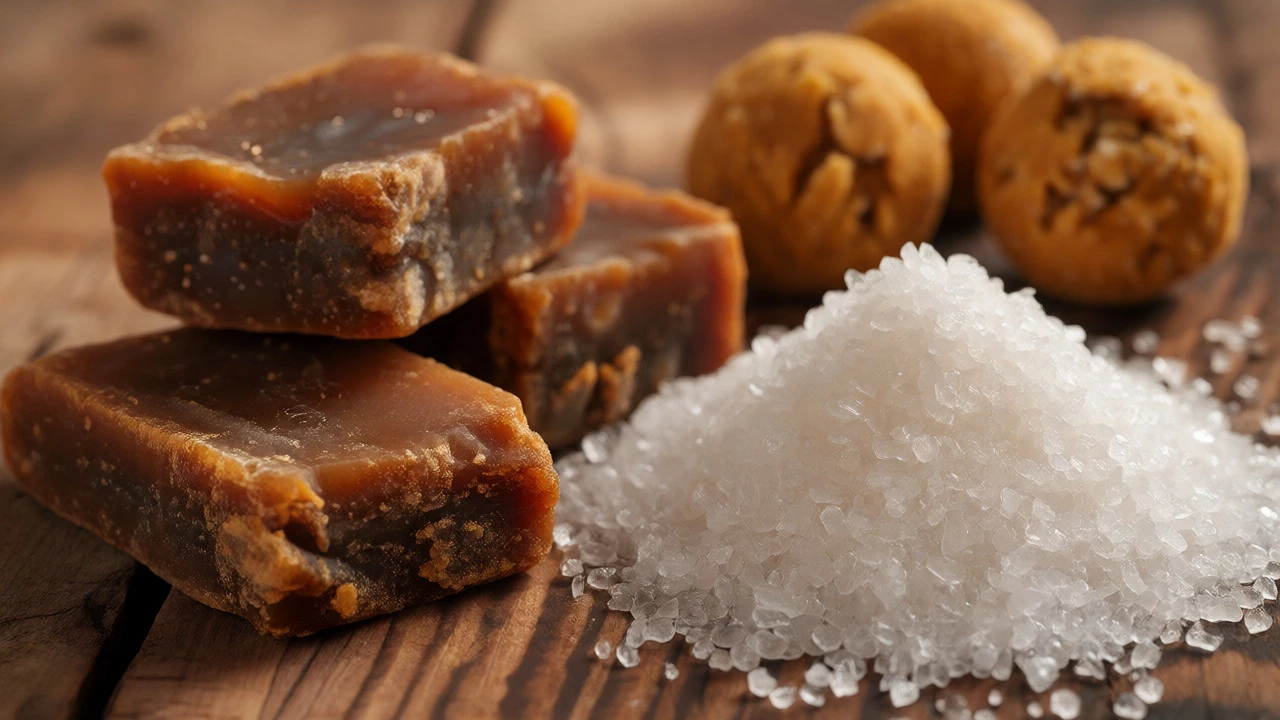
Which Sugar Is Used in Indian Sweets? A Guide to Traditional Sweeteners
Discover which sugar is used in Indian sweets, from earthy jaggery to refined white sugar. Learn how different sweeteners affect texture, flavor, and authenticity.
learn more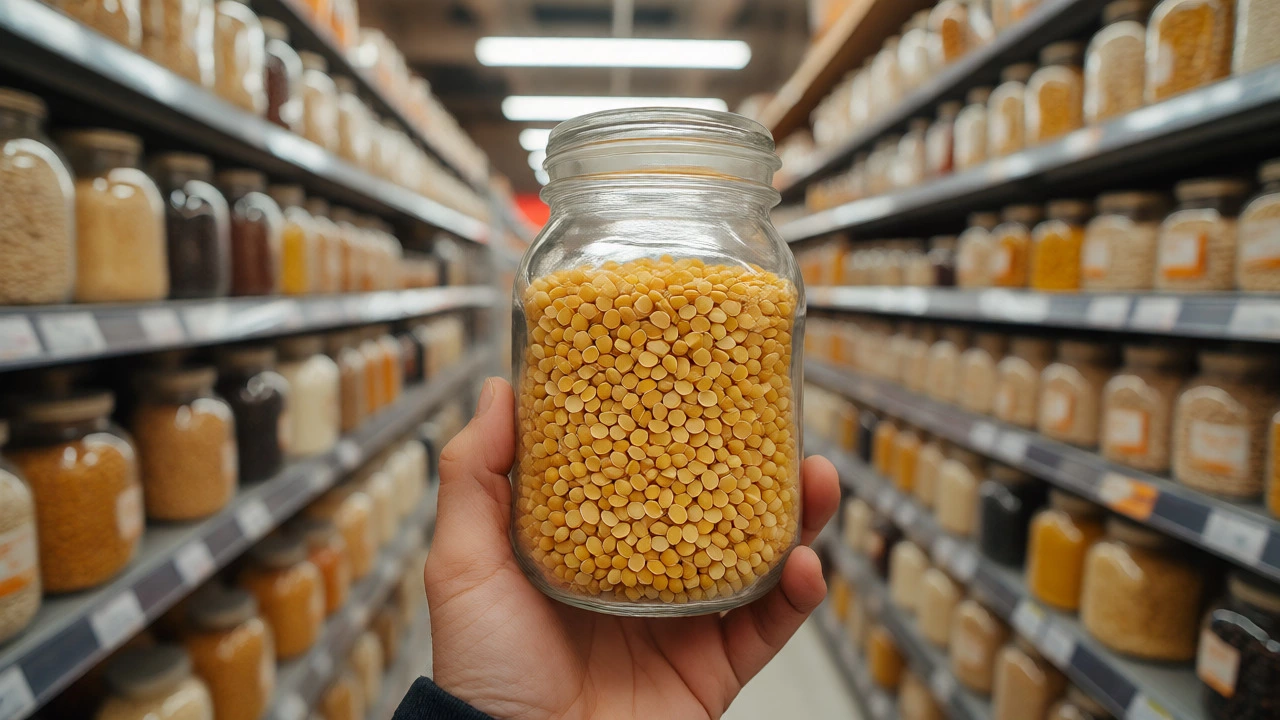
What Is Dal in the USA? A Beginner's Guide to Cooking Lentils
Confused about what dal is? Discover how to find and cook lentils in the USA. Learn the difference between dal and lentils, plus a simple recipe.
learn more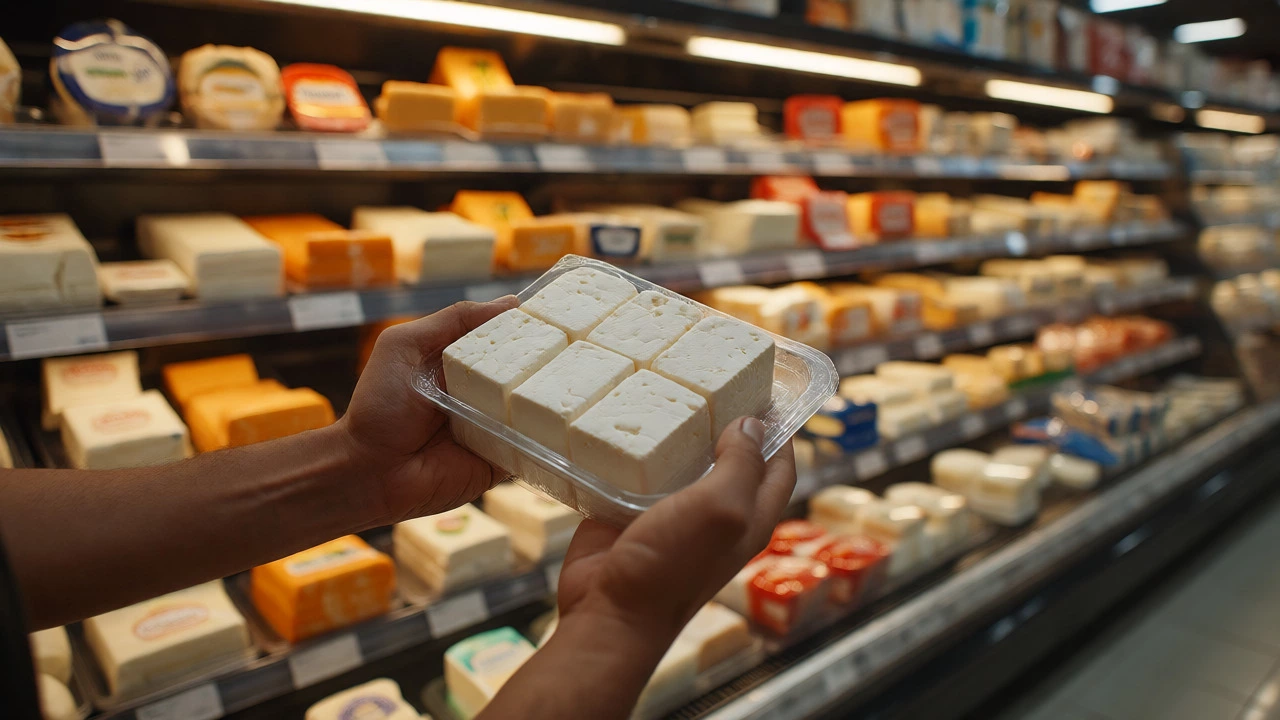
Paneer in English: What It Is, How to Say It, and Why 'Cheese' Isn't Enough
Discover what paneer is called in English and why 'cheese' is an inaccurate translation. Learn how to describe its unique texture, find substitutes, and make perfect homemade paneer.
learn more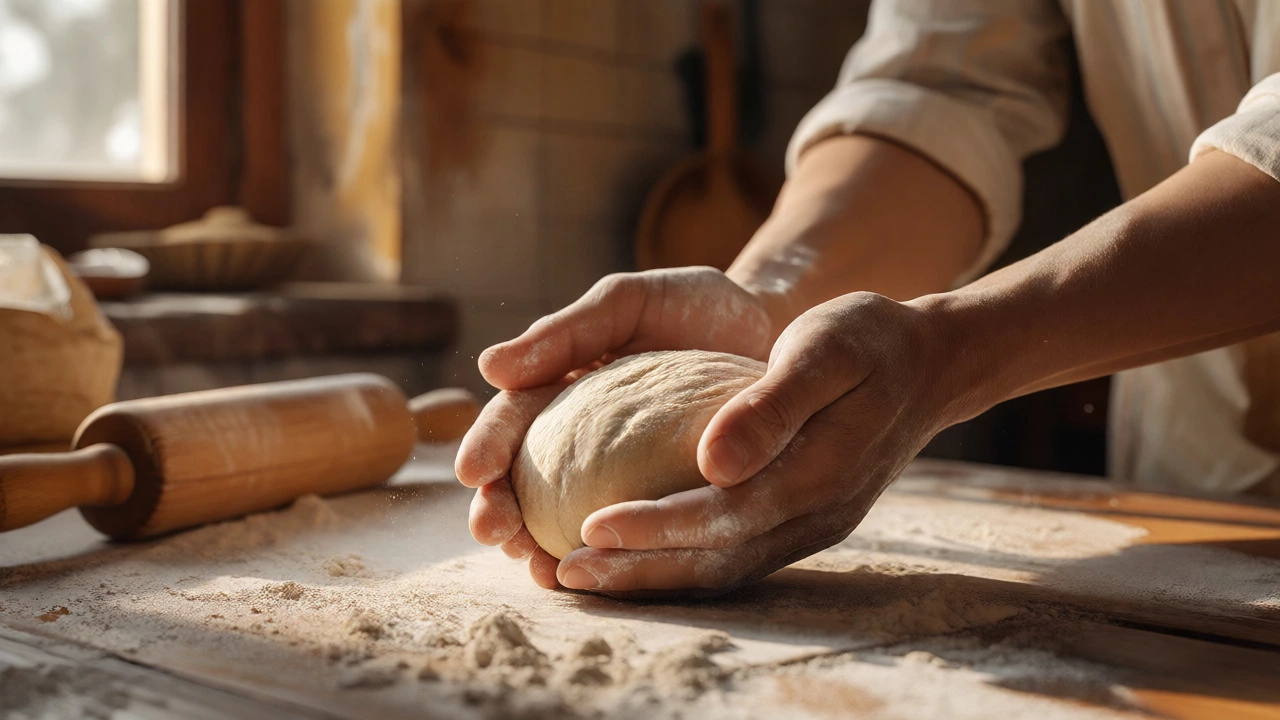
Chapati vs Roti: What’s the Real Difference?
Confused about chapati vs roti? Discover the subtle differences in ingredients, texture, and technique. Learn why they are often used interchangeably and how to choose the right flatbread for your meal.
learn more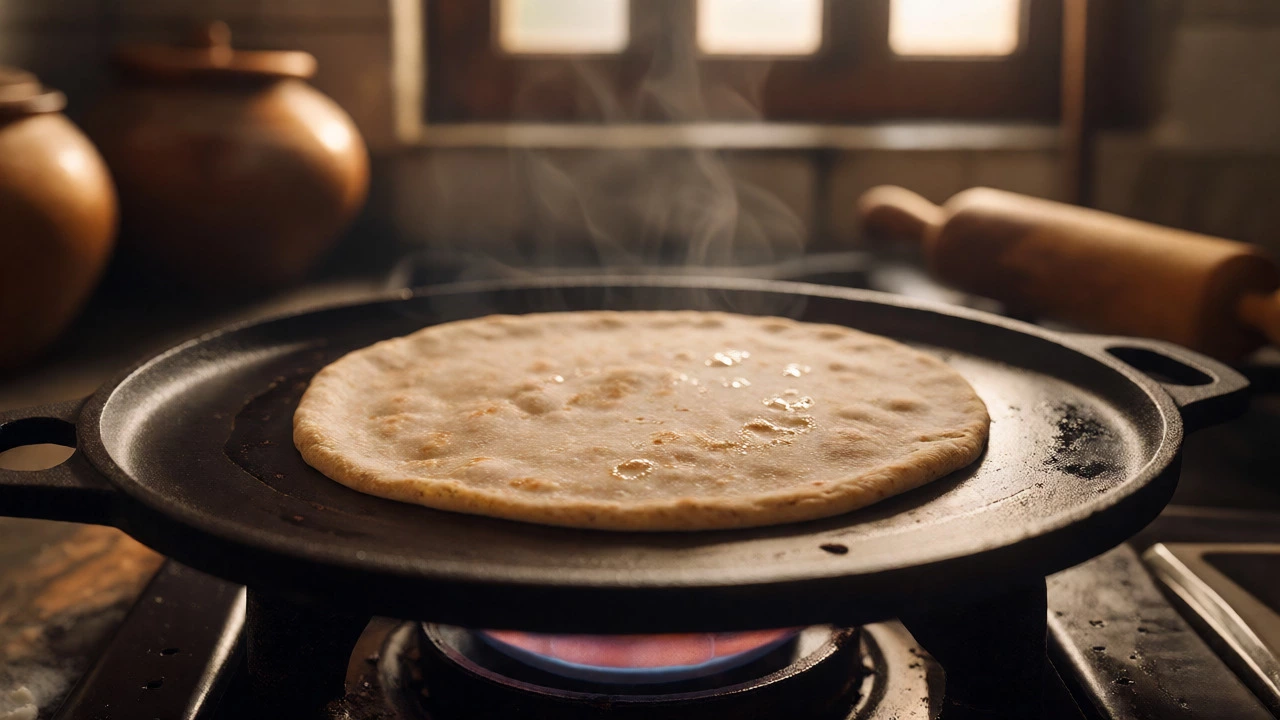
Should Roti Be Cooked on High Heat? The Truth About Tawa Temperature
Stop guessing the flame level. Learn the exact three-stage heat method for soft, puffy rotis. Discover why high heat is essential for puffing but dangerous for setting.
learn more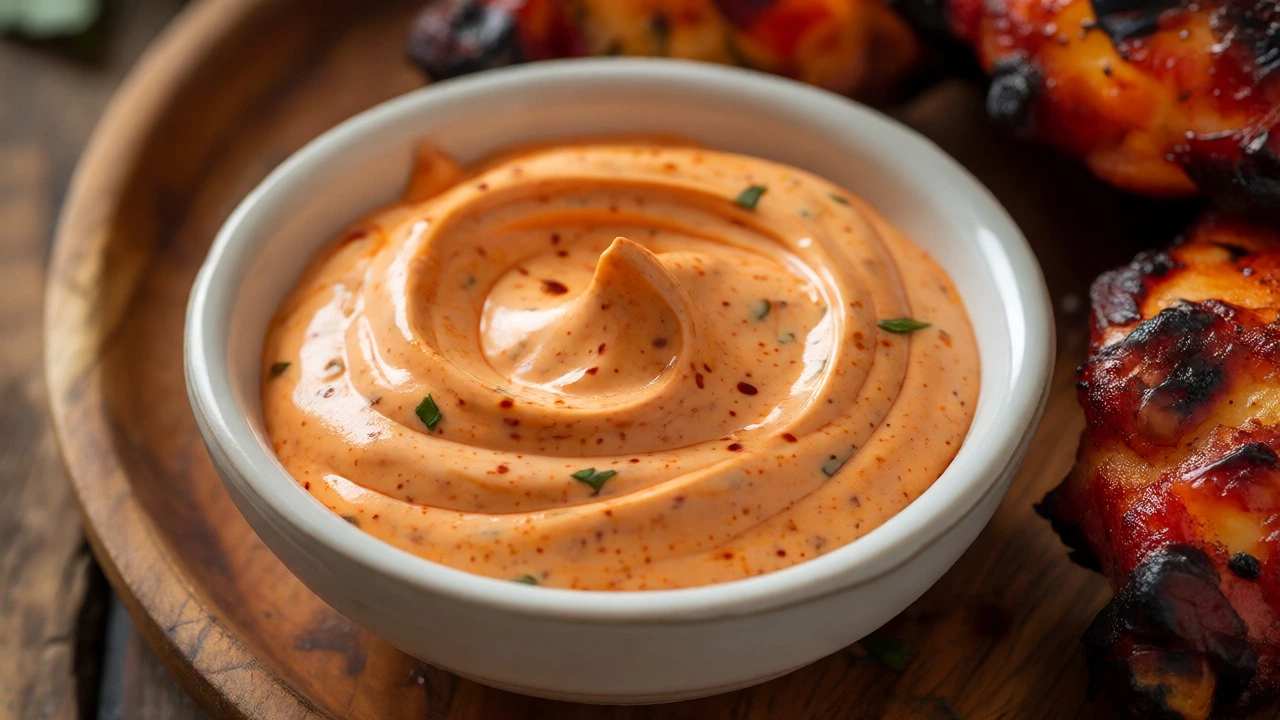
What is Tandoori Mayonnaise? A Flavor Guide
Discover what tandoori mayonnaise is, how to make it at home, and why it's the perfect partner for tandoori chicken. Learn storage tips and creative uses.
learn more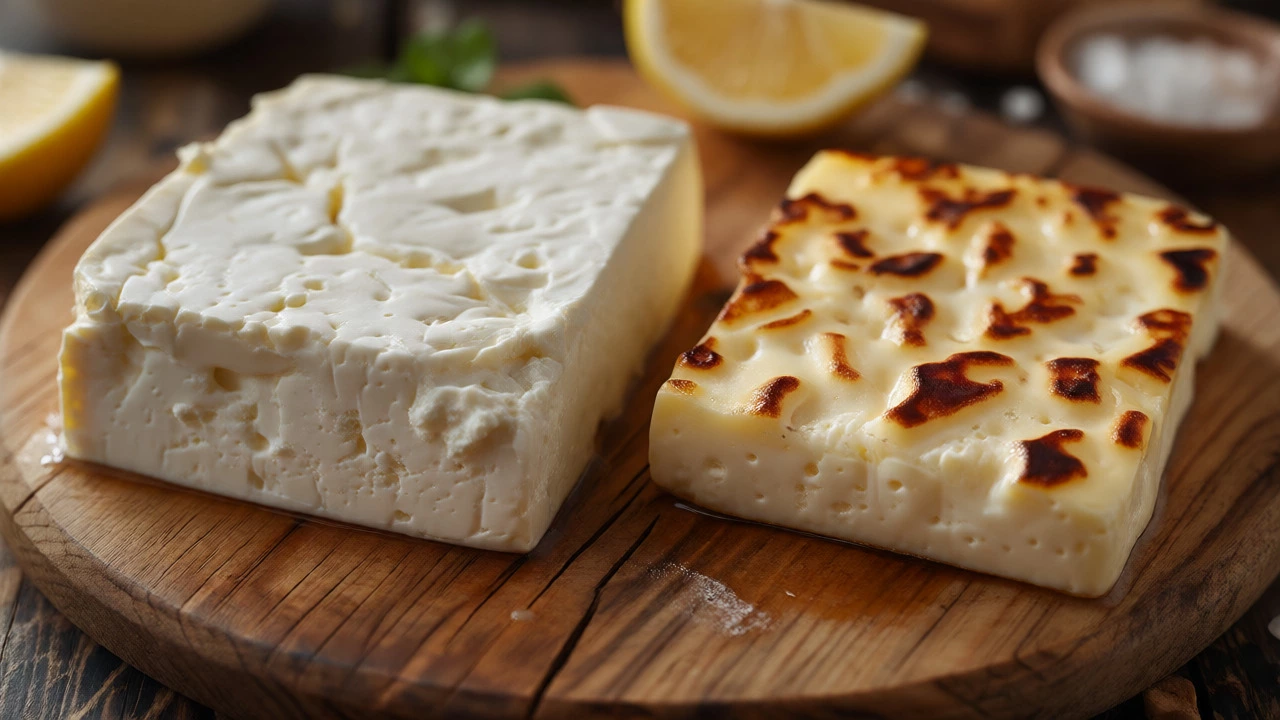
Paneer vs. Halloumi: Can You Swap Them in Recipes?
Discover the key differences between paneer and halloumi. Learn why they aren't interchangeable and how to successfully substitute one for the other in your favorite recipes.
learn more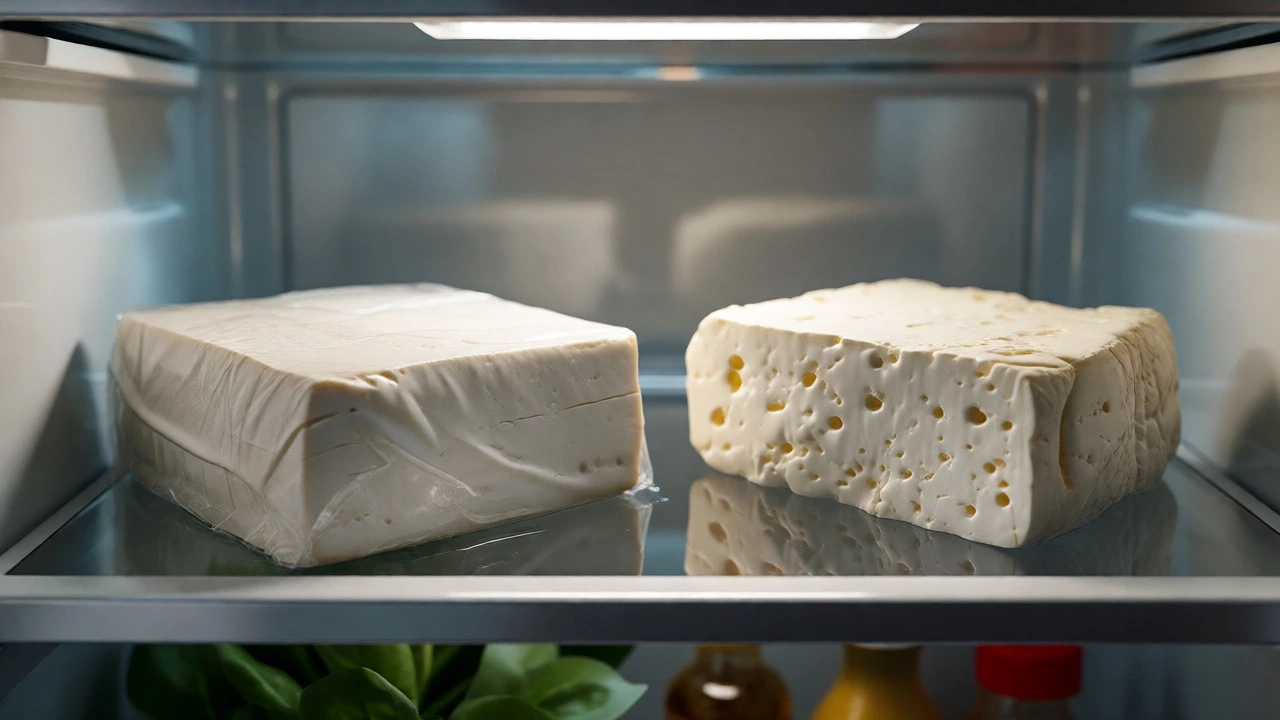
Can You Eat Tofu and Paneer Every Day? A Daily Protein Guide
Wondering if you can eat tofu and paneer every day? We break down the nutritional pros and cons, safety tips for daily consumption, and how to balance them for optimal health.
learn more
How Long Should Dal Be Soaked? The Perfect Guide for Every Lentil
Discover exactly how long to soak different types of dal for perfect texture and digestion. From quick-soak moong to overnight rajma, learn the essential rules for every lentil.
learn more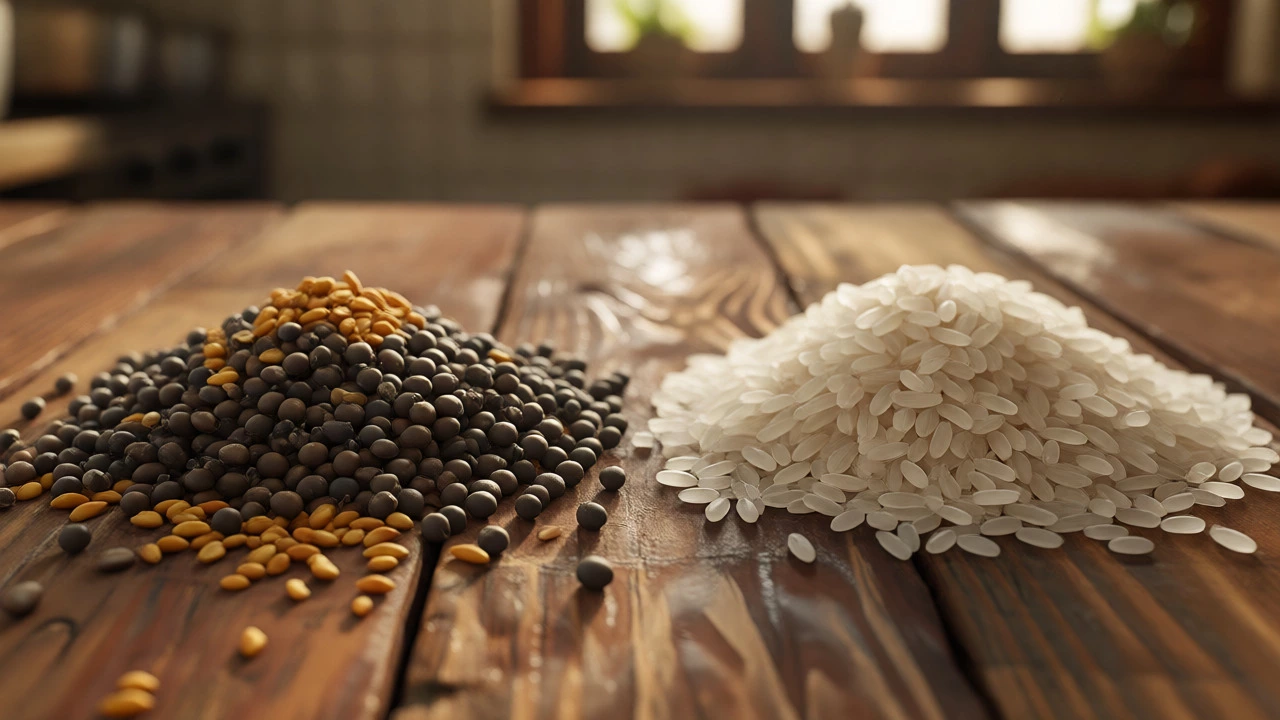
The Perfect Urad Dal to Rice Ratio for Fluffy Dosas
Discover the ideal urad dal to rice ratio for perfect dosas. Learn how 1:3 balances crispiness and fluffiness, plus tips for adjusting based on weather and ingredients.
learn more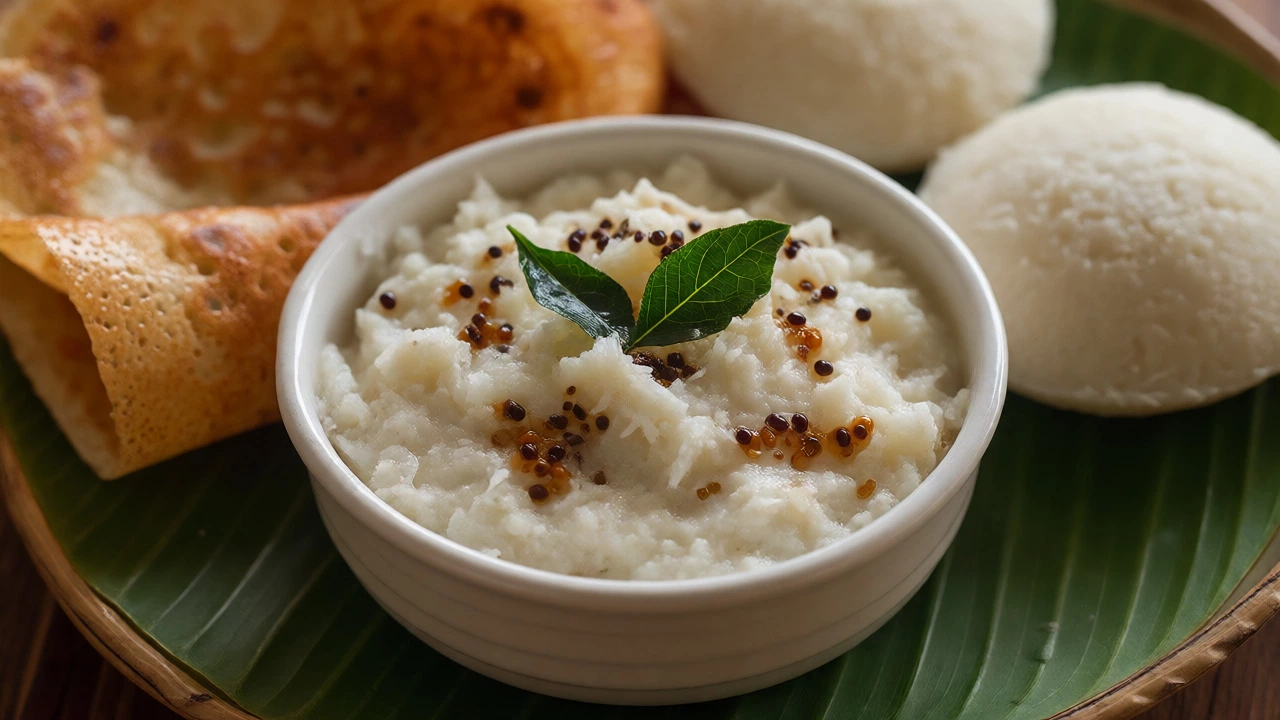
What is the Most Common Type of Chutney? A Global Guide
Discover which chutney is truly the most common globally. We compare coconut, mint, and tamarind varieties to help you choose the perfect pairing for your favorite Indian snacks and meals.
learn more