Garam Masala Spice Ratio Calculator
Build Your Blend
Select the spices you have available. This calculator will show you ideal proportions based on traditional recipes.
Your Garam Masala Blend
Recommended Proportions
Ever opened a jar of garam masala and wondered what’s actually inside? It’s not just one spice-it’s a carefully balanced mix, and every cook has their own version. If you’ve ever made tandoori chicken and noticed how the aroma fills the whole kitchen, that’s garam masala at work. But what’s in it? And why does it make your food taste like it came from a tandoor in Delhi, not your kitchen in Auckland?
What garam masala really is
Garam masala isn’t a single spice. It’s a blend of warm, aromatic spices, ground together to create depth and complexity. The word itself means "hot mixture" in Hindi, but "hot" here refers to the warming effect on the body, not spiciness like chili heat. This blend is added toward the end of cooking to preserve its fragrance-unlike cumin or coriander, which are toasted early to release their oils.
Unlike curry powder, which is a British invention meant to mimic Indian flavors, garam masala is deeply rooted in regional Indian kitchens. In North India, it’s the backbone of dishes like butter chicken, rogan josh, and yes-tandoori chicken. In the south, you’ll find different blends, sometimes with more cinnamon or cardamom, but the North Indian version is the one most people recognize.
The core spices in traditional garam masala
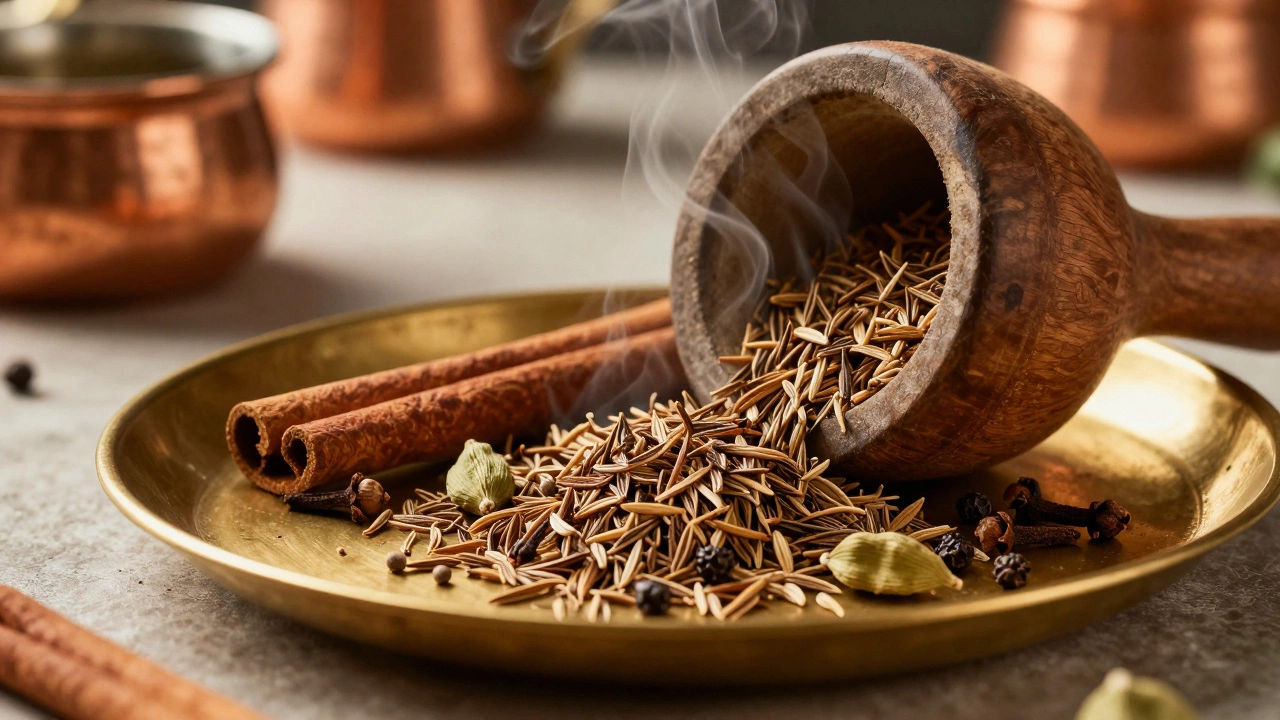
There’s no single official recipe, but most authentic garam masala includes these six core spices:
- Cumin seeds - earthy, slightly bitter, adds body
- Coriander seeds - citrusy, floral, balances the heat
- Cinnamon sticks - sweet warmth, not just for desserts
- Green cardamom pods - floral, almost minty, lifts the whole blend
- Cloves - intense, pungent, use sparingly
- Black peppercorns - sharp, biting heat that lingers
These six form the base in most households across Punjab, Uttar Pradesh, and Delhi. When toasted and ground fresh, they transform. The cinnamon releases its sweetness, the cardamom opens up like a flower, and the black pepper gives a quiet punch that makes your tongue sit up straight.
Common additions you’ll find in home kitchens
Every family tweaks the blend. Here’s what else you might find in a jar of garam masala:
- Nutmeg - adds a subtle, sweet warmth, often used in winter blends
- Mace - the outer shell of nutmeg, more delicate and floral
- Fennel seeds - slightly sweet, licorice-like, softens the blend
- Bay leaves - dried and ground, adds a quiet herbal note
- Star anise - used in some Punjabi households, gives a deep, licorice-like aroma
- Black cardamom - smoky, almost medicinal, used in meat dishes like tandoori chicken
Some cooks add a pinch of dried ginger or even dried rose petals for fragrance. In Kashmir, you might find saffron threads ground into the mix. In Bengal, they’ll throw in fenugreek seeds. The variations are endless, but the goal is always the same: balance.
Why fresh grinding matters
Pre-ground garam masala from the store? It’s fine in a pinch. But if you’ve ever smelled freshly ground spices, you’ll know the difference. Whole spices retain their essential oils. Once ground, those oils start to evaporate. After three months, your spice blend loses up to 60% of its aroma.
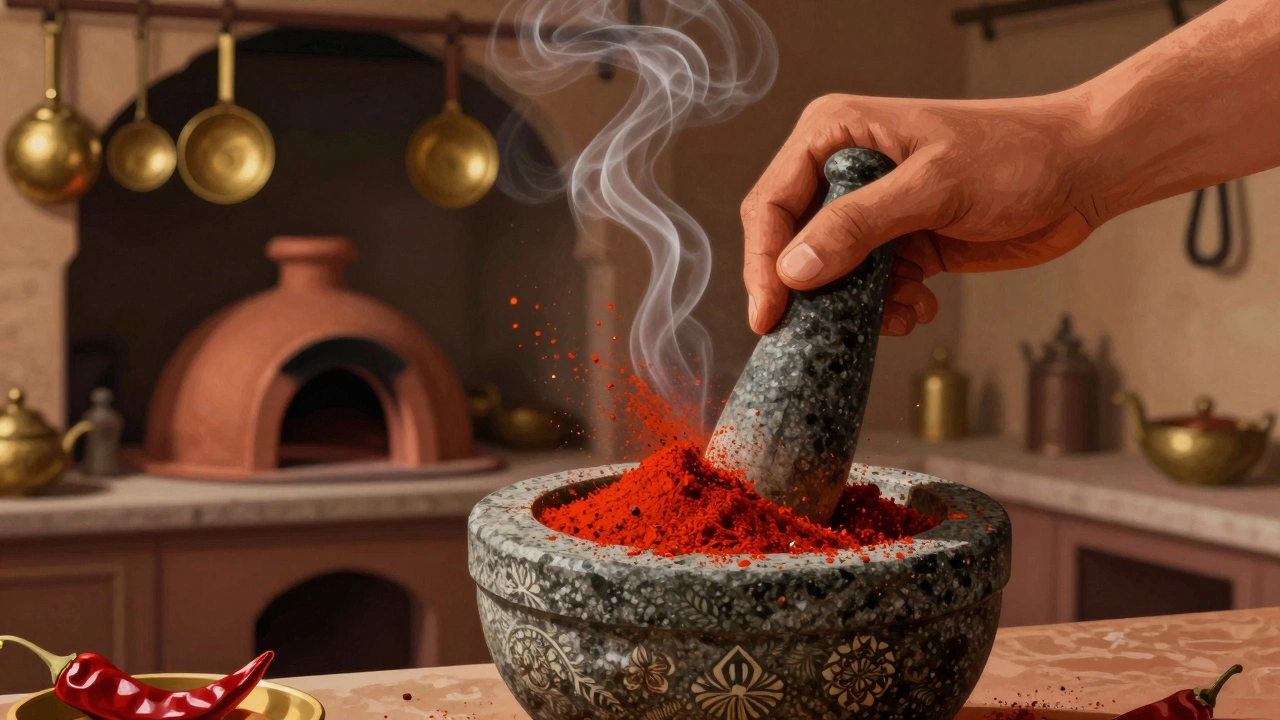
Here’s what you should do: buy whole spices in small quantities. Toast them lightly in a dry pan until fragrant-just until you smell them, not until they smoke. Let them cool, then grind them in a spice grinder or mortar and pestle. Store in an airtight jar away from light. Use within 30 days for peak flavor.
That’s why tandoori chicken from a good Indian restaurant tastes different from the one you make with store-bought powder. The chef isn’t using more spice-they’re using fresher spice.
How garam masala works in tandoori chicken
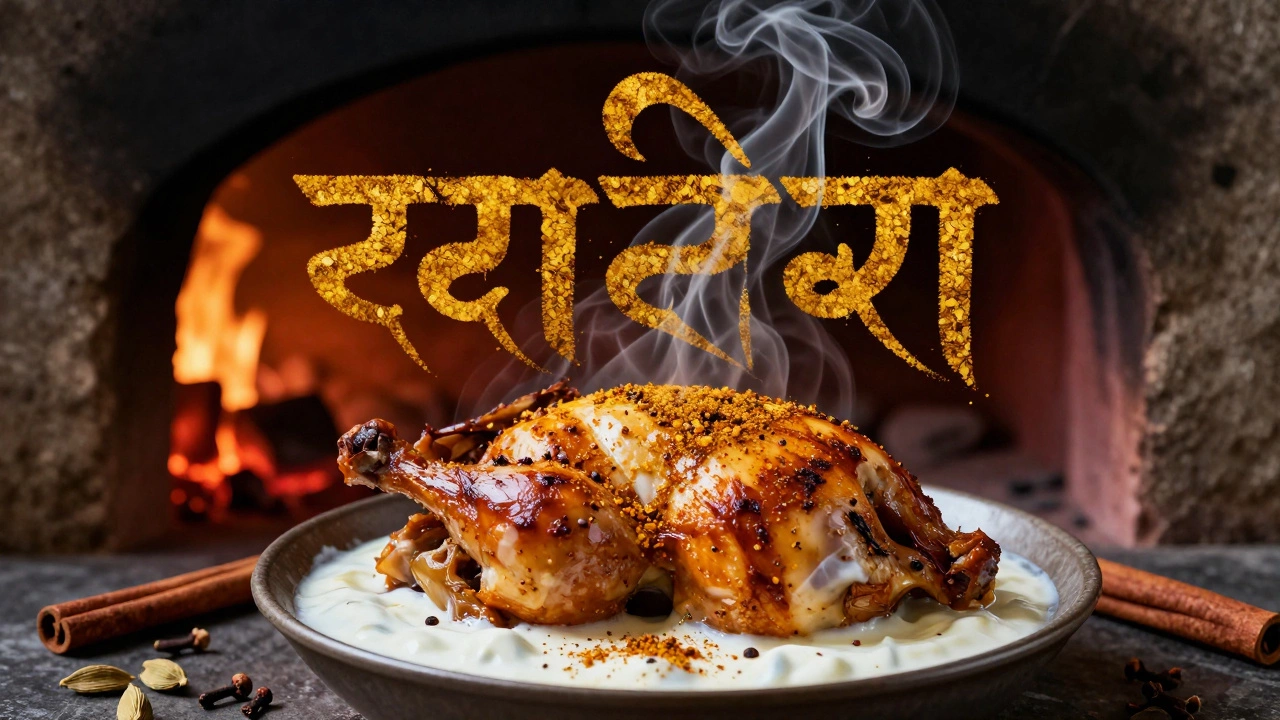
Tandoori chicken doesn’t get its color from red food dye-it’s from Kashmiri chili powder. But the flavor? That’s garam masala. The blend doesn’t dominate; it weaves through the yogurt marinade, clinging to the chicken and deepening every bite.
Here’s how it plays its role:
- Cumin and coriander ground the marinade with earthiness
- Cloves and black pepper give that slow-building warmth
- Cinnamon and cardamom add sweetness that cuts through the tang of yogurt
- Black cardamom (if used) adds a smoky depth that mimics the tandoor
Without garam masala, tandoori chicken is just spicy yogurt chicken. With it? It becomes layered, complex, and unforgettable.
How to make your own garam masala
Here’s a simple, reliable recipe that works for tandoori chicken and beyond:
- Toast 2 tablespoons cumin seeds in a dry pan over medium heat for 1 minute until fragrant
- Add 2 tablespoons coriander seeds and toast for another minute
- Add 1 cinnamon stick (broken into pieces), 10 green cardamom pods (lightly crushed), 6 cloves, and 1 teaspoon black peppercorns
- Toast everything for 30 seconds more-don’t let it burn
- Let cool completely
- Grind into a fine powder using a spice grinder
- Store in a dark jar, label with the date
That’s it. No salt, no sugar, no fillers. Just pure, potent spice. Use it in curries, soups, roasted veggies, or even sprinkle a pinch on popcorn.
What to avoid when buying or making garam masala
Most commercial blends cut corners. Watch out for:
- Added salt or sugar-these mask poor quality spices
- Fillers like wheat flour or rice powder-used to bulk up the mix
- Pre-ground spices that have been sitting for over a year
- Blends with chili powder already mixed in-this isn’t garam masala, it’s a curry powder knockoff
Look for jars labeled "whole spices ground fresh" or buy from a local Indian grocer who grinds on-site. If it smells flat or dusty, put it back.
How to use garam masala in everyday cooking
Don’t save it just for fancy dishes. Add a pinch to:
- Scrambled eggs or omelets for a warm twist
- Roasted carrots or sweet potatoes
- Tomato soup or lentil stew
- Homemade tomato chutney
- Even oatmeal with a drizzle of honey
It’s not just for Indian food. Think of it like Italian seasoning or herbes de Provence-something you reach for to add depth.
Storage tips that actually work
Spices don’t expire-they just fade. To keep your garam masala strong:
- Store in a dark glass jar, not plastic
- Keep it away from the stove or window-heat and light destroy flavor
- Buy in small batches (100g or less)
- Label with the date you ground it
- Test it every month: smell it. If it doesn’t make your nose tingle, it’s time to make more
One jar lasts me about six weeks in my Auckland kitchen. I make a new batch every month. It’s not expensive, and the difference in flavor is night and day.
Why this blend matters beyond flavor
Garam masala isn’t just about taste. In Ayurveda, these spices are chosen for their warming properties-helping digestion, reducing bloating, and balancing the body’s energy. That’s why it’s often used in winter dishes or after heavy meals.
When you make tandoori chicken with fresh garam masala, you’re not just cooking-you’re using centuries of wisdom. Each spice has a purpose. Each toast, each grind, each pinch is part of a tradition that’s been passed down, not written down.
So next time you open that jar, don’t just sprinkle it. Smell it. Feel it. Respect it. Because what’s in garam masala isn’t just spices-it’s history, heat, and heart.
Is garam masala the same as curry powder?
No. Curry powder is a British invention created to mimic Indian flavors using a standardized mix, often including turmeric, fenugreek, and chili powder. Garam masala is a traditional Indian blend focused on warming spices like cinnamon, cardamom, and cloves, with little to no turmeric. It’s added at the end of cooking for aroma, not color or base flavor.
Can I substitute garam masala if I don’t have it?
You can’t fully replace it, but for a quick fix, mix 1 part ground cumin, 1 part ground coriander, 1/2 part cinnamon, and a pinch each of cloves and black pepper. It won’t be the same, but it’ll give you the basic warmth. Never use curry powder as a substitute-it’s too different.
Why is black cardamom sometimes included in garam masala?
Black cardamom has a smoky, camphorous flavor from being dried over open flames. It’s often used in meat dishes like tandoori chicken or biryani to mimic the charred, smoky taste of a tandoor oven. It’s not in every blend, but it’s common in North Indian versions for depth.
How much garam masala should I use in a recipe?
Start with 1 to 1.5 teaspoons per pound of meat or 4 servings of curry. It’s potent, so you don’t need much. Add it in the last 5-10 minutes of cooking to preserve its fragrance. Too much can make the dish bitter or overly sweet.
Can I make garam masala without a spice grinder?
Yes, but it takes effort. Use a mortar and pestle. Toast the spices first, then grind in small batches. It’ll take 10-15 minutes of steady grinding to get a fine powder. The texture won’t be as smooth as a grinder, but the flavor will still be excellent.