Curry Spice Proportion Calculator
How Spices Work Together
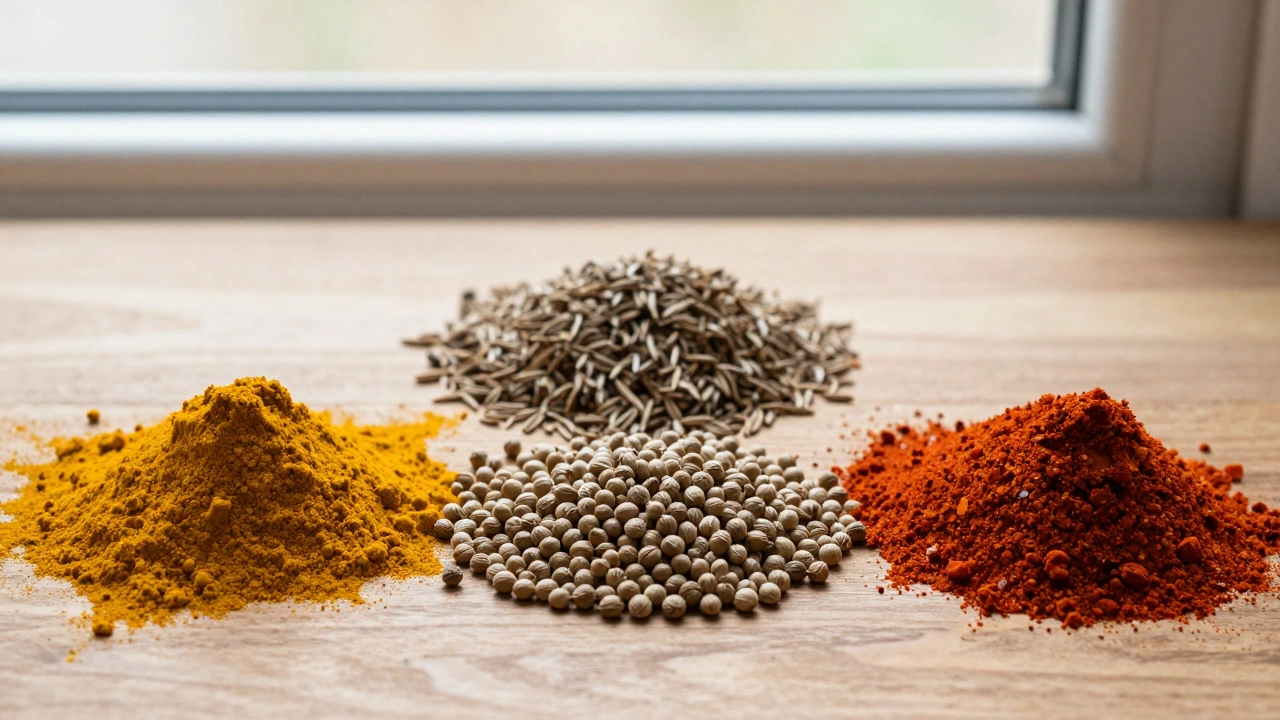
Turmeric: Provides golden color and earthy base (1-2 tsp per pound)
Cumin: Adds warmth and depth (1-1.5 tsp per pound)
Coriander: Creates citrusy balance (1-2 tsp per pound)
Chili Powder: Adds heat and complexity (0.5-1 tsp per pound)
Why Proportions Matter
Without turmeric: Lacks visual appeal and base flavor
Without cumin: Loses signature warmth
Without coriander: Tastes one-dimensional
Without chili: Becomes bland
Warning: Overusing turmeric (more than 2 tsp/pound) causes bitter taste
Your Spice Proportions
Enter chicken weight to see exact measurements
Many people think 'curry' is a single spice, but it's actually a blend of many. The real magic comes from combining specific curry spices that create the rich flavors we love. Let's break down the four main ones used in chicken curry and why they matter.
Turmeric: The Golden Base
Turmeric is the backbone of most curries. It gives that signature yellow color and adds an earthy, slightly bitter note. When you see a curry with a vibrant golden hue, turmeric is doing the heavy lifting. The active compound curcumin in turmeric also brings health benefits like anti-inflammatory properties. But don't overdo it-too much can make your curry taste like dirt. Use about 1-2 teaspoons per pound of chicken for the perfect balance.
Indian cooks often toast turmeric powder with oil at the start of cooking. This releases its full flavor and prevents that raw, chalky taste. In South Indian curries, turmeric is sometimes combined with tamarind for a tangy twist. But in North Indian chicken curries, it pairs perfectly with creamy yogurt or coconut milk.
Cumin: Warmth and Earthiness
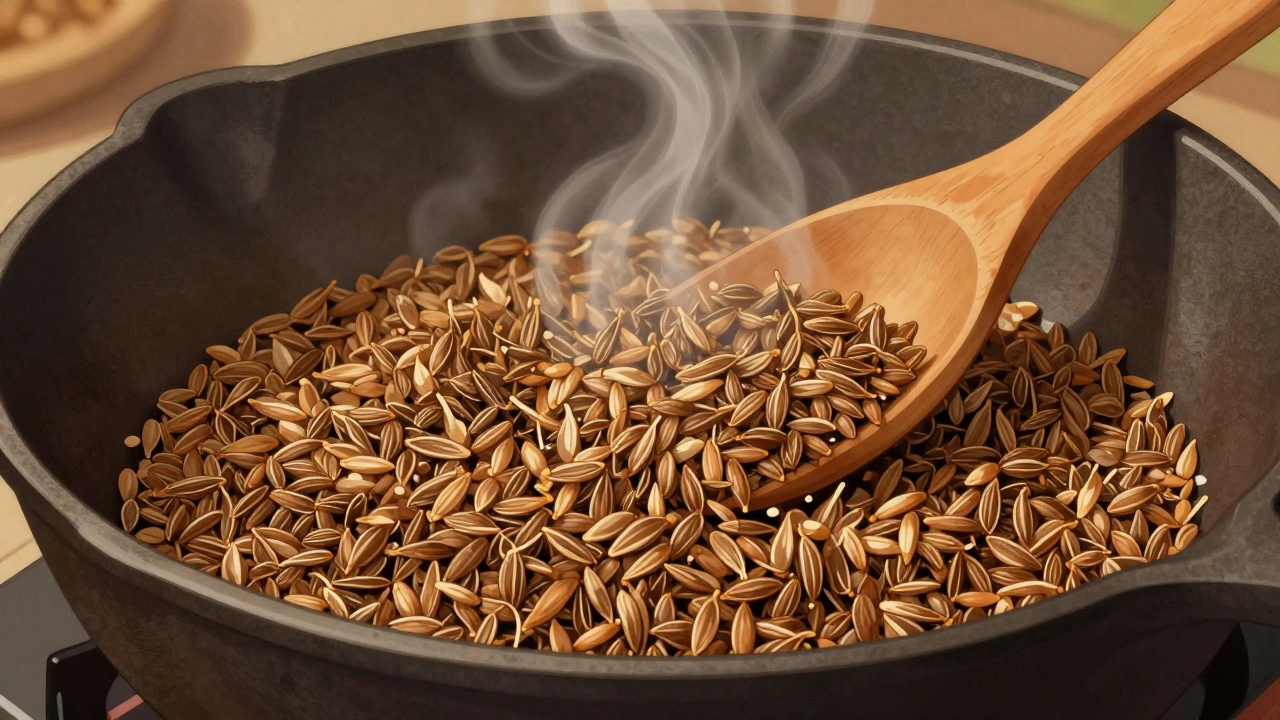
Cumin seeds or ground cumin brings warmth and depth to curry. It's nutty, smoky, and slightly peppery. Whole cumin seeds sizzle in hot oil at the beginning of cooking, releasing their aroma. Ground cumin blends smoothly into the spice paste. Use about 1-1.5 teaspoons per pound of chicken. Too little, and your curry lacks character; too much, and it overwhelms everything else.
In Indian households, cumin is often paired with coriander. This combo is so common it's called 'the spice duo' in many kitchens. Cumin also works well with garlic and ginger. For a richer flavor, dry-roast whole cumin seeds before grinding. This simple step makes a huge difference in your curry's depth. Some regional variations use black cumin (nigella seeds) for extra complexity, but standard cumin is the go-to for most chicken curries.
Coriander: Citrusy Balance
Coriander seeds, when ground, add a bright, citrusy note that balances heat and earthiness. It's milder than cumin but essential for harmony. Coriander's floral undertones cut through the richness of coconut milk or yogurt in curries. Use 1-2 teaspoons per pound of chicken. It's often combined with cumin in a 1:1 ratio for the perfect spice base.
Many home cooks skip coriander because it's less obvious than turmeric or chili. But without it, your curry will taste flat. In South Indian recipes, coriander seeds are toasted with mustard seeds and curry leaves for a distinct flavor profile. For chicken curry, coriander works best when added early in the cooking process so it melds with the oil. If you only use one spice besides turmeric, make it coriander-it's the unsung hero of curry flavor.
Chili Powder: Heat Control
Chili powder gives curry its signature heat. But it's not just about spice level-it adds smoky depth and complexity. Indian chili powder is typically made from dried red chilies like Kashmiri or Byadgi, which offer color and flavor without extreme heat. Use 1/2 to 1 teaspoon per pound of chicken. Adjust based on your tolerance. Too little, and your curry lacks punch; too much, and it's inedible.
Many people confuse chili powder with cayenne. Cayenne is pure heat with no flavor complexity. Indian chili powder has layers of taste. For example, Kashmiri chili powder is mild but vibrant red, while Guntur Sannam is fiery hot. In chicken curry, chili powder is usually added with other spices during the initial cooking phase. If you want more heat later, add fresh green chilies or a pinch of cayenne. Always taste before adding more-heat builds as the curry simmers.
Why These Four Spices Matter Together
These four spices work like a team. Turmeric sets the base color and earthiness. Cumin adds warmth and depth. Coriander brings balance with citrus notes. Chili powder delivers heat without overwhelming. Skip any one, and the flavor falls apart. For example, without coriander, the curry tastes one-dimensional. Without chili powder, it's bland. Without turmeric, it lacks visual appeal. Without cumin, it loses its signature warmth.
| Spice | Flavor Profile | Primary Role in Curry |
|---|---|---|
| Turmeric | Earth, slightly bitter | Color and base flavor |
| Cumin | Nutty, warm | Depth and earthiness |
| Coriander | Citrusy, floral | Balances heat |
| Chili Powder | Hot, smoky | Heat and complexity |
Common Mistakes to Avoid
Even with these four spices, home cooks often mess up. Here's what to watch for:
- Using pre-made curry powder: Most store-bought curry powders are generic blends that don't match regional Indian recipes. They often contain fillers like turmeric-heavy mixes that lack balance. Always make your own spice blend from scratch.
- Adding spices too late: Spices need time to release their oils. Add them to hot oil at the start of cooking, not at the end. If you add them after the chicken is cooked, they won't infuse properly.
- Ignoring toast time: Whole spices like cumin seeds need 30-60 seconds in hot oil to bloom. Skip this step, and your curry will taste raw and flat.
- Overdoing turmeric: More than 2 teaspoons per pound can make your curry taste bitter. It's easy to go overboard because of the bright color, but balance matters.
Real-Life Example: Simple Chicken Curry Recipe
Here's how to use these spices in a basic chicken curry:
- Heat 2 tablespoons oil in a pan. Add 1 teaspoon cumin seeds and toast until fragrant (about 30 seconds).
- Stir in 1 tablespoon grated ginger, 2 minced garlic cloves, and 1 chopped onion. Cook until golden.
- Add 1 teaspoon turmeric, 1 teaspoon coriander powder, and 1/2 teaspoon chili powder. Cook for 2 minutes until the oil separates.
- Add 1.5 pounds chicken pieces and coat with spices. Cook until browned.
- Pour in 1 cup coconut milk or yogurt. Simmer for 20 minutes until chicken is tender.
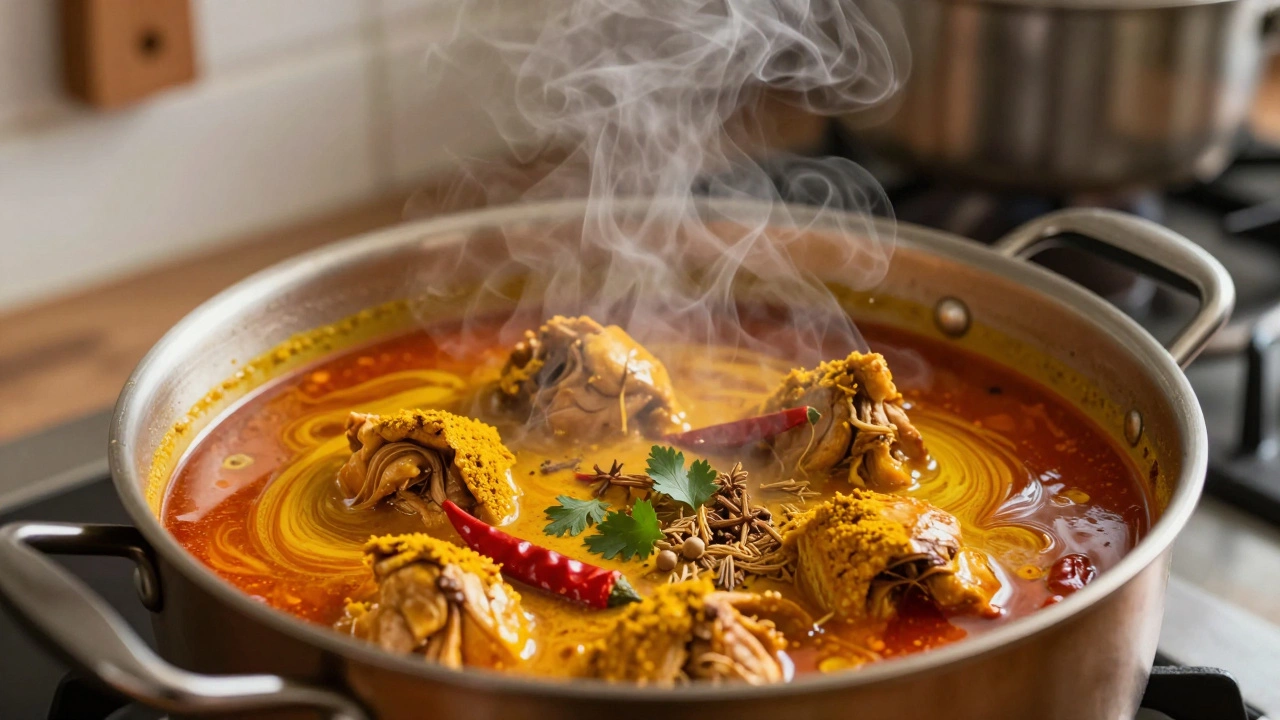
This recipe uses exactly the right proportions of the four spices. The cumin seeds bloom first, turmeric adds color, coriander balances, and chili powder gives gentle heat. No extra spices needed-just these four doing their job.
Is curry powder the same as the spices used in Indian curries?
No. Curry powder is a Western invention created for convenience. It mixes turmeric, cumin, coriander, and chili into one powder, but it's not used in traditional Indian cooking. Indian cooks use whole spices and ground spices added at different stages. Each region has its own blend. For authentic flavor, skip curry powder and make your own spice mix.
Can I substitute one spice for another in curry?
Not really. Each spice has a unique role. Substituting cumin for coriander would make your curry too earthy without citrus balance. Using paprika instead of chili powder adds color but not heat. Turmeric can't be replaced-it's the color base. If you must substitute, try fenugreek for cumin (but use half the amount), or smoked paprika for chili powder. But the best approach is to use all four as they're meant to be used.
Why does my curry taste bitter?
Bitterness usually comes from burnt turmeric or overcooked spices. Turmeric burns easily-cook it only 2-3 minutes in oil. If you add too much turmeric (more than 2 teaspoons per pound), it can also taste bitter. Another cause is using old spices. Always buy whole spices and grind them fresh. Store ground spices in a cool, dark place for no more than 6 months.
What's the difference between curry leaves and curry powder?
Curry leaves come from a tree and are used fresh or dried in South Indian cooking. They add a citrusy, herbal note. Curry powder is a spice blend made from ground seeds and roots. They're completely different-curry leaves aren't part of curry powder. If a recipe calls for curry leaves, don't substitute with curry powder. You can find fresh curry leaves in Indian grocery stores or frozen sections.
How do I store curry spices properly?
Whole spices last longer than ground. Store whole cumin, coriander, and chili seeds in airtight containers in a cool, dark place. They stay fresh for 1-2 years. Ground spices lose potency faster-use within 6 months. Always buy small quantities. If your spices smell faint or look dull, they're past their prime. For best flavor, grind whole spices just before cooking. Keep them away from heat sources like stovetops.