Indian Sweet Origin Finder
Discover the Origins of Indian Sweets
Select a sweet to learn about its history, regional variations, and cultural significance
Select a Sweet
Sweet Information
Choose a sweet to see its origin
Learn about the history and cultural significance of India's most beloved sweets
When you think of Indian sweets, what comes to mind? Sticky, syrup-soaked jalebis? Soft, milk-based gulab jamuns? Or maybe the golden, fried dough balls dipped in sugar water that you’ve seen at weddings and festivals? These aren’t just desserts-they’re cultural artifacts, passed down through generations, shaped by trade, religion, and regional taste. And yes, most of them were invented right here in India.
Why India Is the Birthplace of So Many Sweets
India’s love for sweets isn’t random. It’s tied to its history of agriculture, spice trade, and religious rituals. Sugarcane was first domesticated in South Asia over 8,000 years ago. By the time of the Indus Valley Civilization, people were already making crude sugar from cane juice. Later, during the Mughal era, Persian techniques blended with local ingredients to create the rich, dairy-based sweets we know today.
Unlike Western desserts that often rely on butter and eggs, Indian sweets are built on milk solids (khoya), sugar syrup, nuts, and spices like cardamom and saffron. This unique combination gave rise to sweets that couldn’t be replicated elsewhere-at least not authentically.
Jalebi: The Orange Spiral That Spread Across Asia
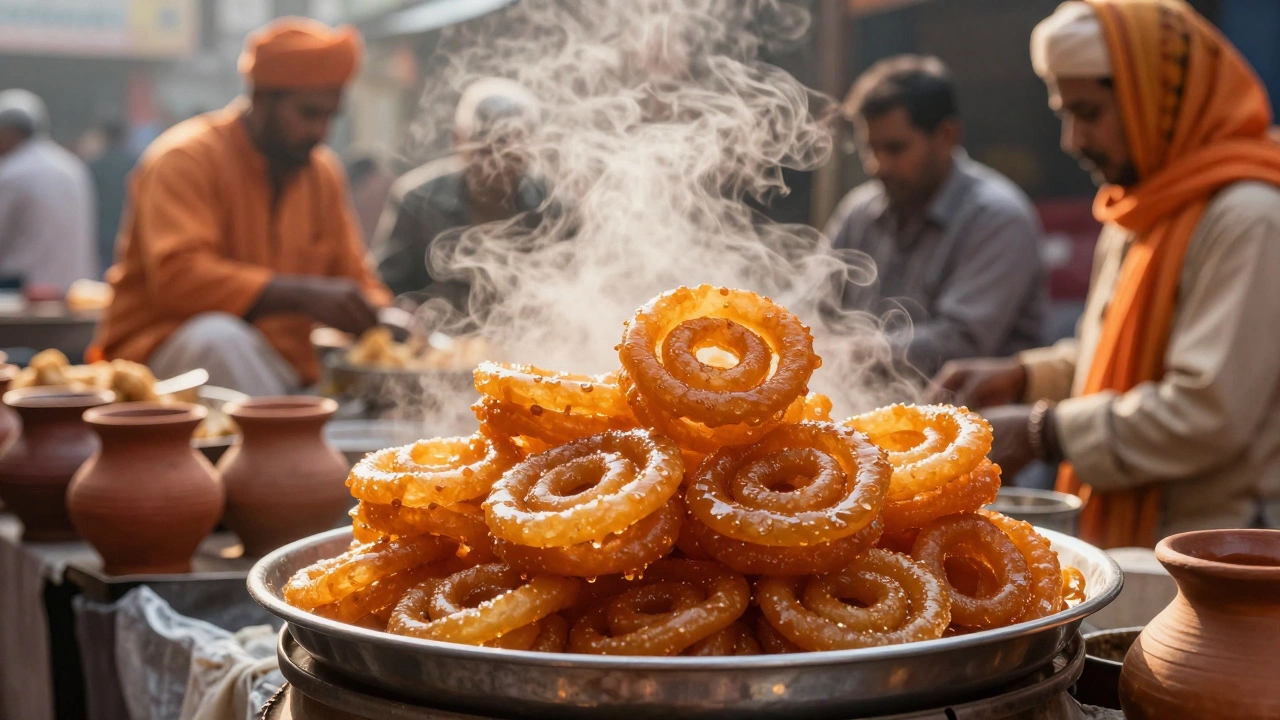
Jalebi is one of the most recognizable Indian sweets. Its bright orange coils, soaked in sugar syrup, are sold by street vendors from Delhi to Dhaka. But jalebi didn’t just appear out of nowhere. It evolved from the Persian zulbiya and the Arabic zalabia, brought to India by traders and invaders around the 10th century.
What makes the Indian version unique? The batter is made with fermented wheat flour and yogurt, giving it a slight tang and airy texture. The syrup is often flavored with saffron or rose water. In Gujarat, they make it with besan (chickpea flour). In Uttar Pradesh, it’s thicker and chewier. No other country has turned jalebi into such a regional specialty.
Today, jalebi is eaten for breakfast in many parts of North India. It’s also offered in temples during festivals like Diwali and Holi. It’s not just a treat-it’s ritual food.
Gulab Jamun: The Milk-Based Ball That Defied Borders
Gulab jamun is often mistaken for a Middle Eastern dessert because of its name-gulab means rose, and jamun refers to a native Indian fruit. But the sweet itself? Pure India.
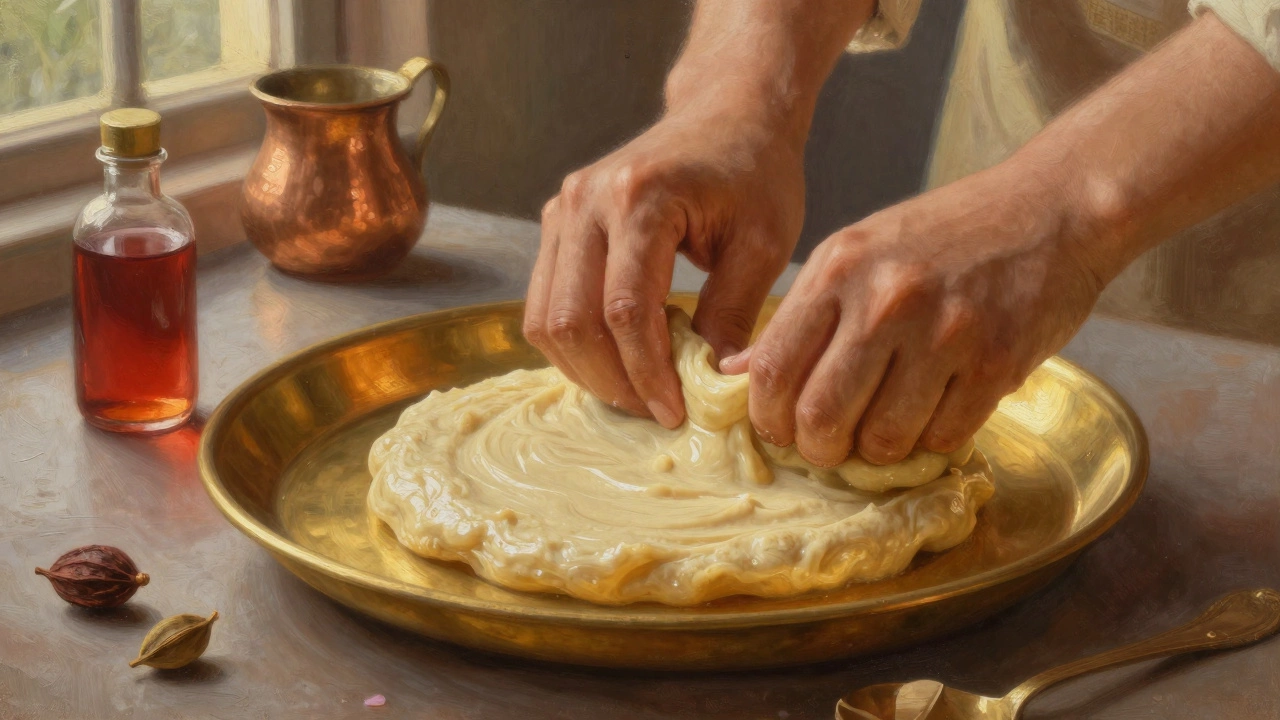
It’s made from khoya-milk that’s been slowly simmered and reduced for hours until it becomes a dense, solid mass. That’s kneaded into dough, shaped into balls, deep-fried until golden, then soaked in sugar syrup flavored with cardamom and rose water.
There’s no butter, no eggs, no flour. Just milk, sugar, and heat. That’s what makes it impossible to replicate exactly outside India. Even in Pakistan and Bangladesh, where gulab jamun is popular, the recipe still traces back to Mughal kitchens in Agra and Lucknow.
It’s not just a dessert. It’s a symbol of celebration. You’ll find gulab jamun at weddings, baby showers, and Diwali feasts. In some villages, families make it once a year and store it for months, letting the syrup penetrate deeper with time.
Rasgulla: The Bengali Sweet That Won a Legal Battle
One of the most surprising facts about Indian sweets? One of them was the subject of a 15-year legal battle over its origin.
Rasgulla is a soft, spongy ball made from chhena (fresh cottage cheese) and soaked in light sugar syrup. It’s light, refreshing, and melts in your mouth. Most people assume it came from Odisha or West Bengal. In fact, both states claimed it.
In 2017, the Geographical Indication (GI) tag was awarded to West Bengal Rasgulla, after evidence showed that Nobin Chandra Das, a confectioner from Kolkata, first created the modern version in 1868. He experimented with boiling the chhena balls in sugar syrup instead of just soaking them-creating the signature sponginess.
Odisha’s version, called rasagola, is denser and less syrupy. But the one that became globally famous? That’s the Bengali version. Today, you’ll find rasgullas in supermarkets from Singapore to New York. But only the ones made in West Bengal can legally be called Rasgulla.
Barfi: The Simple Sweet with a Thousand Faces
Barfi is one of the most versatile Indian sweets. It’s a dense, fudge-like block, cut into squares or diamonds. But here’s the thing-there’s no single recipe. It changes depending on the region, season, and even the occasion.
At its core, barfi is made from khoya and sugar, cooked together until thick. But then comes the variation:
- Milk barfi is plain, creamy, and often garnished with silver leaf.
- Coconut barfi uses grated coconut and is popular in South India.
- Pista barfi is loaded with ground pistachios and often served at weddings.
- Chocolate barfi is a modern twist-made with cocoa powder and condensed milk.
- Khoya barfi is the most traditional, cooked slowly over low heat for hours.
Barfi doesn’t need fancy tools. You can make it on a stove with a heavy pan and a wooden spoon. That’s why it’s common in homes across India, from rural villages to city apartments. It’s the dessert you make when you want something sweet but not too heavy.
Kheer: The Ancient Rice Pudding That Predates All Others
While jalebi and gulab jamun are relatively modern, kheer is ancient. It’s mentioned in Vedic texts over 3,000 years ago as a ritual offering to deities. Back then, it was made with rice, milk, and honey-no sugar, no cardamom.
Over centuries, it evolved. Sugar replaced honey. Cardamom and saffron were added. Nuts became garnish. In South India, they use rice flour and coconut milk. In Punjab, they make it with vermicelli instead of rice.
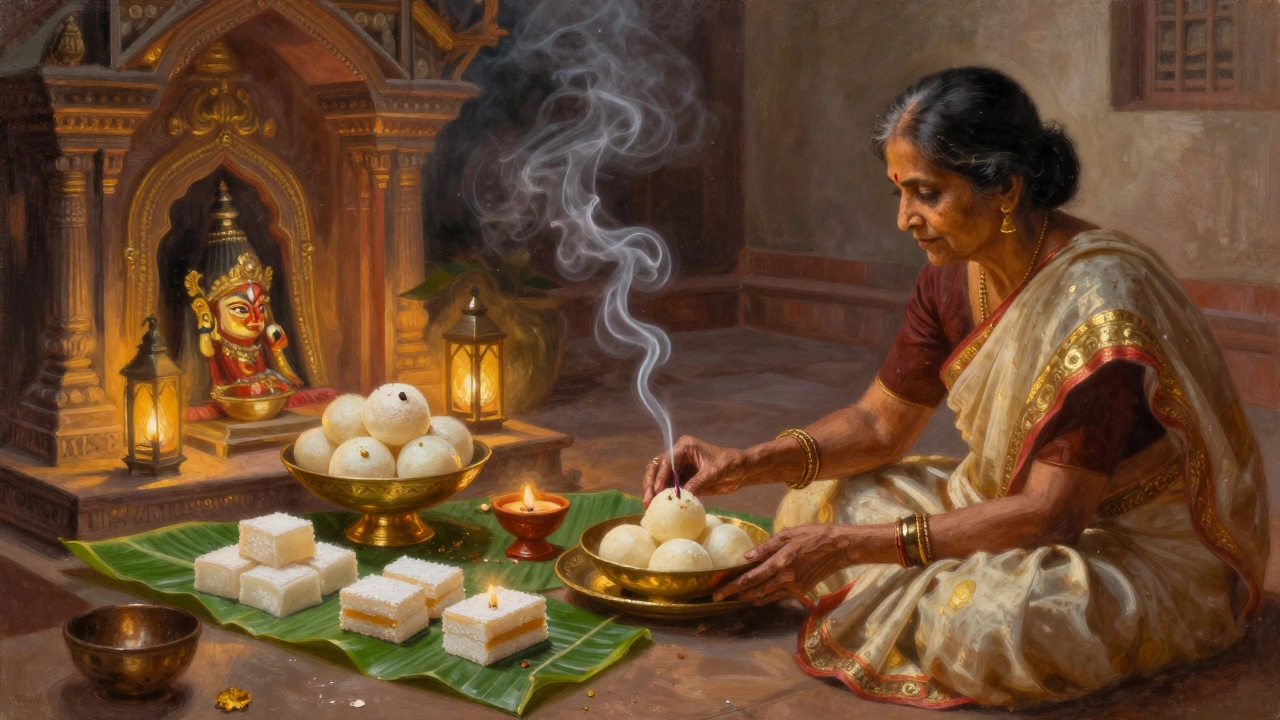
Kheer is still served in temples during prayers. It’s the first sweet offered to newborns. It’s the last thing eaten before breaking a fast. In some families, it’s cooked only during eclipses or on full moon nights.
It’s not just a dessert. It’s memory. The smell of simmering milk and cardamom brings back childhood for millions of Indians.
What Makes These Sweets Truly Indian?
It’s not just the ingredients. It’s the process. Indian sweets are slow food. They require patience. Khoya takes hours to reduce. Syrups are boiled to exact consistency-one-thread, two-thread, ball-stage. These aren’t just cooking terms-they’re skills passed down orally, not written in books.
And then there’s the cultural weight. Sweets aren’t just for eating. They’re given as gifts. They’re offered to gods. They’re shared to mend relationships. A plate of barfi at a neighbor’s door says, “I’m sorry.” A box of jalebis at a birthday party says, “I celebrate you.”
No other country has turned sugar and milk into such a rich tapestry of meaning.
Can You Make These Sweets Outside India?
Yes, you can. But the results often fall short.
Khoya is hard to find outside India. Most substitutes-like condensed milk or cream cheese-don’t have the same texture. Sugar syrup made with tap water in New Zealand or Canada won’t behave the same as syrup made with filtered water in Varanasi. Even the type of milk matters. Indian cows produce milk with higher fat content, which affects how khoya forms.
That’s why many Indian families abroad still import khoya or make their own from scratch. It’s not about nostalgia. It’s about authenticity.
If you want to try making these sweets at home, start with kheer. It’s forgiving. Then move to barfi. Save jalebi and gulab jamun for when you’re ready to master the syrup stage.
Final Thoughts: More Than Just Sugar
When someone asks, “Which sweet is invented in India?” the answer isn’t just one name. It’s a whole universe of flavors, stories, and traditions. Each sweet carries the fingerprints of centuries-of farmers who grew sugarcane, of mothers who stirred pots for hours, of temple priests who offered them to the gods.
These aren’t just desserts. They’re edible history.
Are all Indian sweets vegetarian?
Yes, all traditional Indian sweets are vegetarian. They’re made from milk, sugar, nuts, flour, and spices-no eggs, gelatin, or animal fat. Even sweets that look like they might contain dairy derivatives, like gulab jamun or rasgulla, are made using only plant-based ingredients and milk solids. This makes them suitable for vegetarians and vegans (if dairy is substituted).
Which Indian sweet is the most popular globally?
Gulab jamun is the most popular Indian sweet abroad. Its soft, syrupy texture and sweet, floral flavor appeal to a wide range of palates. You’ll find it in Indian restaurants from London to Los Angeles, and even in frozen dessert sections of supermarkets. Its simplicity and portability make it ideal for export.
Can I make Indian sweets without khoya?
You can substitute khoya with reduced milk or condensed milk, but the texture and flavor won’t be the same. Khoya is made by simmering milk for hours until it thickens naturally. Condensed milk has added sugar and preservatives, which changes the outcome. For authentic results, make khoya at home by simmering whole milk for 2-3 hours on low heat, stirring occasionally.
Why are Indian sweets so sweet?
Indian sweets are sweet because sugar has long been a symbol of celebration and prosperity in Indian culture. In ancient times, sugar was rare and valuable. Offering something sweet was a way to show generosity. Today, even though sugar is common, the tradition remains. The sweetness isn’t just about taste-it’s about emotion, hospitality, and joy.
Are Indian sweets unhealthy?
Traditional Indian sweets are high in sugar and calories, so they’re not daily foods. But they’re not inherently unhealthy if eaten in moderation. Many are made with natural ingredients-milk, nuts, cardamom-and contain no artificial flavors or preservatives. Eating a small piece during a festival or special occasion is part of cultural balance, not indulgence.