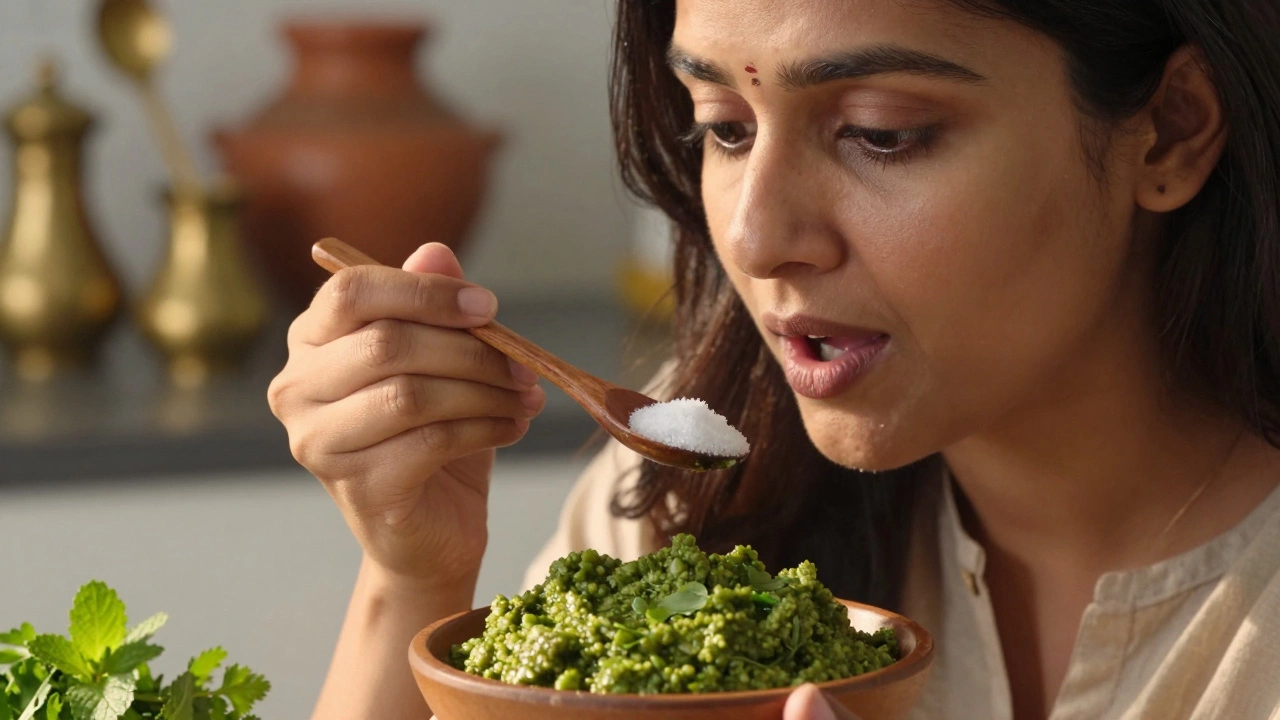
Ever made a chutney that tasted fine at first, then hit you with a sharp, bitter punch halfway through? It’s not just you. Bitterness in chutney is one of the most common but confusing problems in Indian home cooking. You followed the recipe, used fresh ingredients, and still-there’s that unpleasant aftertaste. It’s not always about the ingredients. Sometimes, it’s how you handle them.
Why does chutney turn bitter?
Bitterness doesn’t come from one single thing. It’s usually a mix of timing, technique, and ingredient quality. The biggest culprits are:- Over-toasting spices-especially coriander seeds, cumin, or mustard seeds. Toast them too long, and they turn bitter instead of aromatic.
- Bitter greens-like raw neem leaves, bitter gourd, or even overripe tamarind. These are traditional in some chutneys, but if not balanced, they dominate.
- Underripe or sour fruits-unripe mangoes, green tomatoes, or overly tart tamarind can bring out bitterness when not balanced with sweetness.
- Using the wrong oil-mustard oil, if not properly heated and cooled, can leave a harsh, bitter aftertaste.
- Grinding too much-over-grinding releases bitter oils from seeds and skins, especially from fenugreek or curry leaves.
It’s not always the ingredient-it’s how you treat it.
Fix bitter chutney with sugar and salt
The simplest fix? Sugar and salt. Not just a pinch. You need to taste as you go.Start with a quarter teaspoon of granulated sugar. Stir it in. Wait 30 seconds. Taste. If it’s still bitter, add another quarter teaspoon. Repeat until the bitterness fades. Sugar doesn’t mask bitterness-it balances it. Salt does the same thing. A pinch of salt can make bitter flavors feel less sharp by enhancing other notes.
This works because your tongue detects bitterness and sweetness on the same receptors. When you add sugar, it literally competes with the bitter signal. Salt does the same with sodium ions. It’s chemistry, not magic.
Don’t use jaggery or brown sugar unless you want a deeper flavor. White granulated sugar is clean, neutral, and fast-acting. It won’t change the color or texture of your chutney.
Balance with acid and sweetness
If sugar alone doesn’t fix it, you need to re-balance the whole flavor profile. Bitterness often shows up when there’s too much sourness and not enough sweetness. Think of it like a seesaw.Try this:
- Add a teaspoon of ripe mango pulp or date paste. These are naturally sweet and thick, so they won’t water down your chutney.
- If you used tamarind, add a teaspoon of jaggery or palm sugar. It rounds out the sourness.
- For coconut chutney, add a spoon of grated ripe coconut. Fresh coconut has natural oils that soften bitterness.
Coconut chutney is especially prone to bitterness if the coconut is too old or dried out. Always use fresh, white coconut meat. If you’re using frozen, thaw it completely and squeeze out the water before grinding.
Toast spices properly
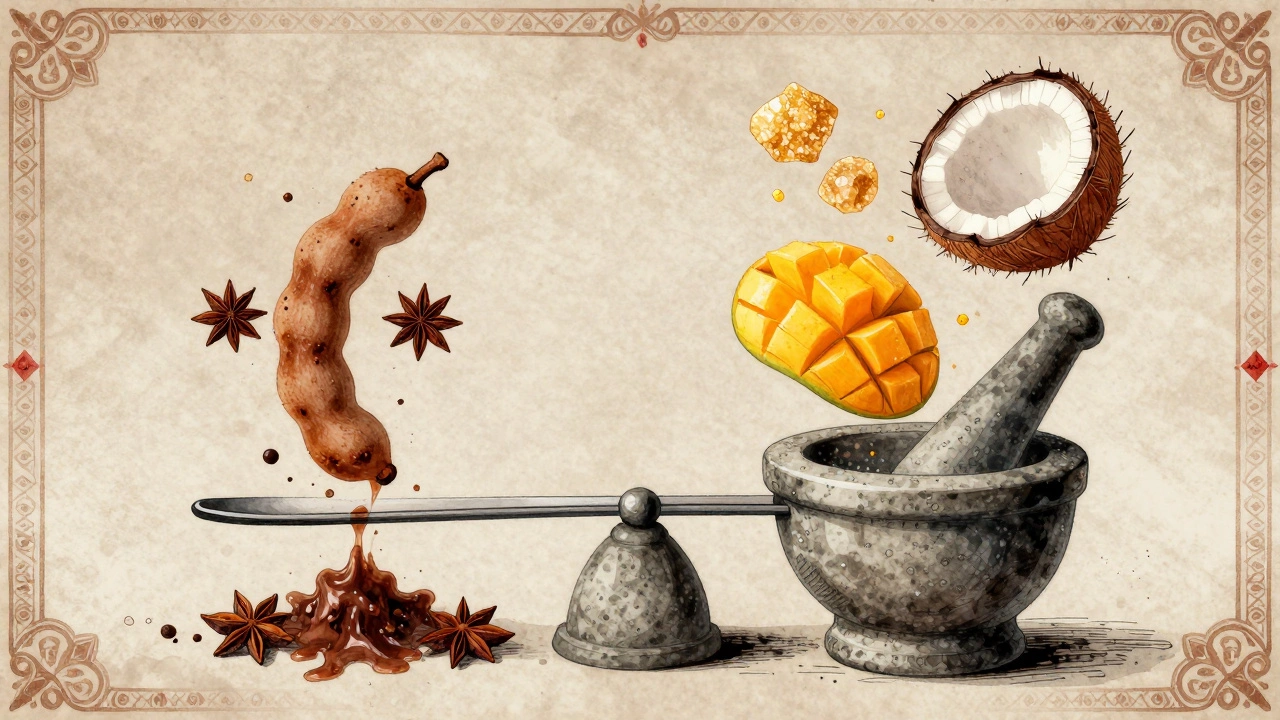
Spice-toasting is where most people go wrong. You want fragrance, not smoke.Heat a dry pan over medium-low heat. Add whole spices-coriander, cumin, mustard, fenugreek-and toast for 60 to 90 seconds, shaking the pan constantly. Stop when they smell nutty and you see a faint wisp of smoke. That’s it. If they start turning dark brown or smell burnt, you’ve gone too far.
Pro tip: Toast fenugreek seeds separately. They’re the most likely to turn bitter. Even a few seconds too long makes them harsh. Many South Indian cooks toast fenugreek for just 15 seconds, then remove it before the others.
Let the spices cool completely before grinding. Grinding hot spices releases bitter oils into the paste.
Use the right kind of tamarind
Not all tamarind is the same. The dark, sticky blocks you find in Indian stores are concentrated and often bitter. The pulp inside should be reddish-brown, not black. If it looks like tar, it’s overripe or fermented too long.Soak a walnut-sized piece in ½ cup warm water for 20 minutes. Squeeze and strain. If the water turns dark and tastes sour-bitter, discard it. Use fresh tamarind pulp instead. Or better yet, use tamarind concentrate from a reputable brand-like “Patak’s” or “MTR”-that’s labeled as “sweet tamarind.”
Some recipes call for tamarind extract. Avoid it. It’s too concentrated and often contains preservatives that add bitterness.
Don’t grind the seeds or skins
Many chutneys use seeds or skins-like tomato skins, onion skins, or even chili stems. These are full of bitter compounds.When making tomato or onion chutney, peel the tomatoes and remove the outer skin of onions. Don’t grind the chili stems or seeds unless you want heat, not bitterness. Use only the flesh.
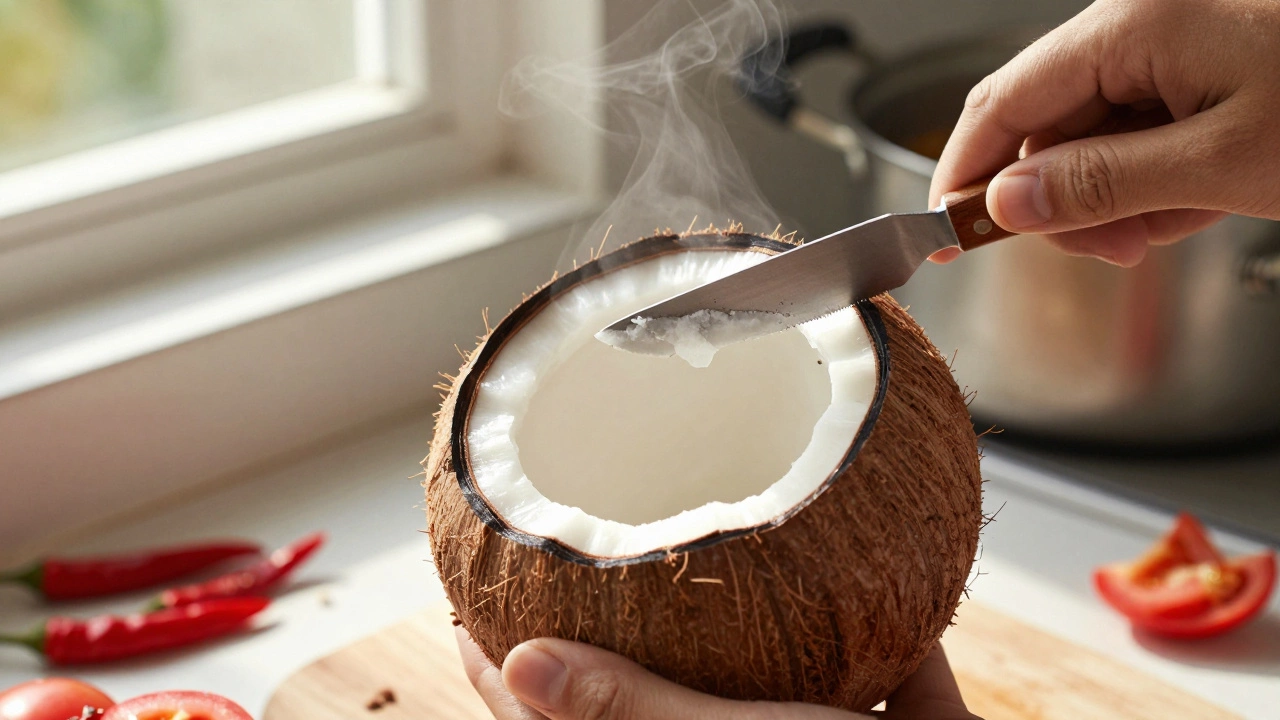
For coconut chutney, remove the brown skin from the coconut meat. It’s easy to peel off with a knife. That skin is what turns chutney bitter after sitting overnight.
Let it rest and re-taste
Chutney changes flavor over time. The bitterness might fade after an hour. Or it might get worse.After you’ve made your chutney, cover it and leave it at room temperature for 30 to 60 minutes. Then taste again. Sometimes, the flavors meld and the bitterness softens. If it’s still off, go back to the sugar-salt fix.
Never refrigerate chutney right after making it. Cold dulls the flavors and can make bitterness feel stronger. Wait until it’s at room temperature, then chill.
What to do if nothing works
Sometimes, the bitterness is too strong. You’ve tried sugar, salt, sweetness, and it still lingers. Here’s what to do:- Make a new batch with half the amount of bitter ingredients.
- Mix the bad batch with the new one. Dilution works.
- Use it as a base for a curry or dal. The bitterness fades when cooked with lentils or yogurt.
- Turn it into a marinade for tofu or paneer. The fat and protein absorb the harsh notes.
Don’t throw it out. Bitter chutney isn’t ruined-it’s just unbalanced. With a few tweaks, it can become something great.
Prevention is better than cure
The best way to avoid bitter chutney is to start with quality ingredients and gentle handling.- Buy fresh, seasonal produce. A ripe mango won’t need extra sugar.
- Toast spices low and slow. No smoke. No color change.
- Use only the edible parts. No skins. No stems. No seeds unless you need heat.
- Always taste before grinding. If a raw ingredient tastes bitter, don’t use it.
- Keep a small bowl of sugar and salt nearby while making chutney. Taste every few minutes.
Chutney isn’t about following a recipe. It’s about listening to your ingredients. If it smells right, tastes right, and feels right in your mouth-you’re on track.
Can I use honey instead of sugar to fix bitter chutney?
Honey can work, but it’s not ideal. It adds its own flavor-floral, fruity, or earthy-which can clash with traditional chutney profiles. Sugar is neutral and doesn’t change the color or texture. If you’re making a modern fusion chutney, honey is fine. For authentic Indian chutneys, stick with white granulated sugar.
Why does my coconut chutney taste bitter after a day?
Coconut chutney turns bitter overnight because the brown skin on the coconut meat releases tannins when ground and left to sit. Always peel the coconut before grinding. Also, don’t store it in metal containers-use glass or ceramic. Metal can react with the acids and make bitterness stronger.
Is bitter chutney safe to eat?
Yes, bitter chutney is safe. Bitterness comes from natural compounds like alkaloids or tannins, not spoilage. It’s unpleasant, but not dangerous. If it smells sour or moldy, then discard it. But if it just tastes sharp, you can fix it.
Can I use lime juice to reduce bitterness?
Lime juice adds acidity, which can sometimes make bitterness more noticeable. It’s not a fix-it’s a trigger. If your chutney is already sour, adding more acid will make it worse. Save lime juice for balancing saltiness or enhancing freshness, not for masking bitterness.
What’s the best chutney to start with if I keep getting bitterness?
Start with mint-coriander chutney. It’s forgiving. Use fresh herbs, toast only the cumin lightly, and add a teaspoon of sugar while blending. You can’t mess it up. Once you learn how flavors balance in this one, you’ll know how to fix any other chutney.