Rasgulla Quality Checker
How Good Is Your Rasgulla?
Check your homemade rasgulla against the traditional quality standards. Answer the questions below to see if it meets the criteria for a real rasgulla.
Based on the article: "How to Spot a Real Rasgulla"
Texture
Syrup Quality
Size
Taste
Aftertaste
0%
Ask anyone in India what the queen of sweets is, and you’ll get the same answer almost every time: rasgulla. It’s not just a dessert-it’s a cultural symbol, a childhood memory, and a national treasure wrapped in soft, spongy cheese and soaked in fragrant sugar syrup. You’ll find it in temple offerings, wedding feasts, roadside stalls, and fancy patisseries. But why does this simple syrup-soaked ball hold such power? And how did it rise to become the undisputed queen of Indian sweets?
What Exactly Is Rasgulla?
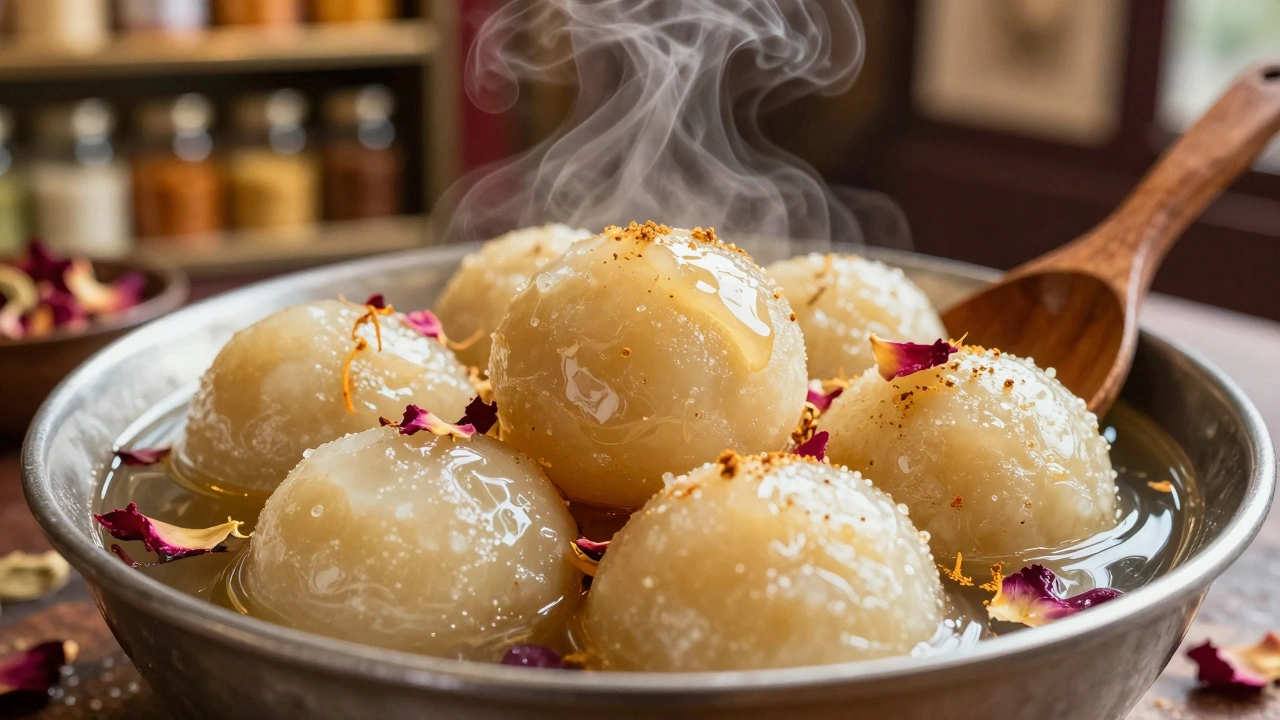
Rasgulla is made from chhena-fresh cheese curds made by curdling milk with lemon juice or vinegar. The cheese is kneaded until smooth, rolled into small balls, and then gently boiled in light sugar syrup. The magic happens during cooking: as the balls heat up, they absorb the syrup, swelling up into pillowy, juicy orbs that melt in your mouth. The syrup is usually flavored with cardamom or rose water, giving it a delicate perfume that lingers after the last bite.
Unlike jalebi or gulab jamun, which are fried and dense, rasgulla is light, moist, and refreshing. It doesn’t overwhelm your palate. That’s why it’s eaten year-round, even in summer. In West Bengal, it’s served chilled. In Odisha, it’s often paired with a dollop of fresh cream. In Mumbai, you’ll find it stacked high in glass jars at sweet shops, still warm from the pot.
The Battle of Origins: Bengal or Odisha?
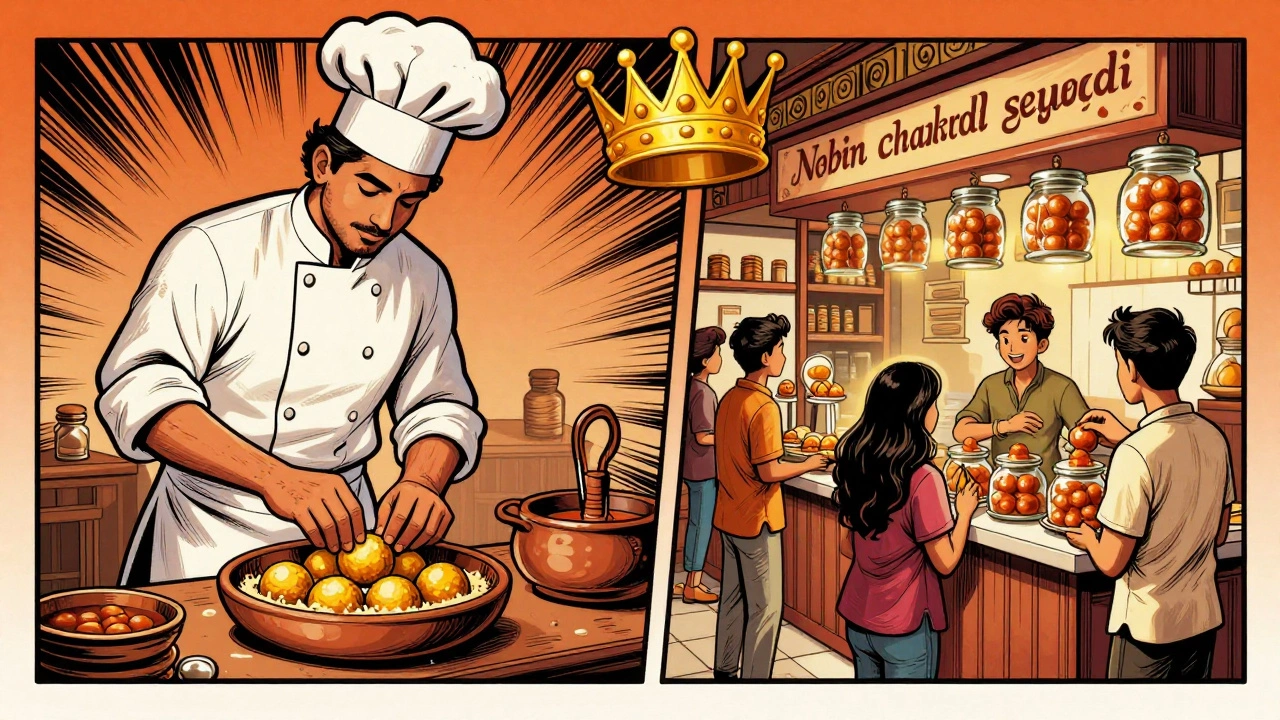
There’s no shortage of pride when it comes to rasgulla’s roots. West Bengal claims it was invented by Nobin Chandra Das in Kolkata in 1868. He was trying to make a softer version of sandesh, another chhena-based sweet, and accidentally created the syrup-soaked ball we know today. His version became so popular that it spread across the region-and eventually the world.
But Odisha says no. They point to a 15th-century temple offering called khira mohana, made in Puri’s Jagannath Temple. The recipe is nearly identical: chhena balls cooked in sugar syrup. Temple records show it was offered to Lord Jagannath centuries before Nobin Das was born. In 2017, Odisha even applied for a GI (Geographical Indication) tag for their version, calling it Odisha Rasagola.
So who won? Neither. Both versions are protected under separate GI tags now. The Bengali rasgulla is softer, spongier, and sweeter. The Odia version is slightly denser, with a faint tang from the milk used. But to the average eater? They’re both royal.
Why Rasgulla Rules Over Other Sweets
India has hundreds of sweets. Jalebi is crunchy and syrupy. Ladoo is rich and nutty. Barfi is dense and milky. Kheer is creamy and slow-cooked. But rasgulla stands apart because of its texture and versatility.
- It’s not greasy. No frying means no heavy aftertaste.
- It’s naturally vegetarian. Made from milk and sugar-no eggs, no ghee, no animal fat.
- It’s easy to scale. You can make a single serving or a hundred for a festival.
- It travels well. Packaged in syrup, it stays fresh for days without refrigeration.
- It’s affordable. Made with basic ingredients, it’s accessible to every income level.
Even in modern times, rasgulla has adapted. You’ll find it stuffed with pistachios, dipped in chocolate, or layered in parfaits. But the classic version-plain, syrupy, and soft-still wins every time.
How to Spot a Real Rasgulla
Not every syrup-soaked ball is a true rasgulla. Here’s how to tell the difference:
- Texture: A real rasgulla should bounce slightly when dropped. It should feel like a wet sponge-springy, not rubbery or mushy.
- Syrup: The syrup should be clear, not cloudy. Cloudiness means the cheese wasn’t properly drained or the milk was poor quality.
- Size: Traditional rasgullas are about the size of a golf ball. Anything bigger is usually industrial and lacks the delicate texture.
- Taste: It shouldn’t taste overly sweet. The sugar should be balanced, letting the milky flavor of the chhena shine through.
- Aftertaste: A good rasgulla leaves a faint floral or cardamom note-not a cloying sugar rush.
Many commercial brands use powdered milk or preservatives to extend shelf life. These versions taste flat and lack the fresh dairy aroma. Always look for handmade ones, especially from local sweet shops with high turnover.
Rasgulla Around the World
Thanks to the Indian diaspora, rasgulla is no longer just an Indian treat. In New York, you’ll find it at Bengali bakeries near Jackson Heights. In London, it’s served alongside samosas at curry houses. In Singapore, fusion versions with matcha syrup or coconut cream are trending.
But even abroad, the traditional version remains the favorite. A 2023 survey by the Indian Food Network found that 78% of overseas Indians still choose plain rasgulla over flavored variants when celebrating festivals like Durga Puja or Diwali. It’s not just dessert-it’s heritage.
How to Make Rasgulla at Home
You don’t need fancy tools. Just milk, lemon juice, sugar, water, and patience.
- Boil 1 liter of full-fat milk until it reduces by half. Stir often to avoid burning.
- Turn off the heat and add 2 tablespoons of lemon juice. Let it sit for 5 minutes until the milk curdles.
- Strain the curds through a muslin cloth. Rinse under cold water to remove the lemon taste.
- Knead the chhena for 5-7 minutes until smooth and no grains remain.
- Roll into 1-inch balls-don’t overwork them.
- Boil 3 cups of water with 1.5 cups of sugar until it reaches a one-string consistency.
- Add the balls gently. Cover and cook on medium heat for 15-20 minutes. The balls will double in size.
- Let them cool in the syrup. Serve chilled.
Pro tip: Use whole milk. Skim milk won’t give you the right texture. And never skip rinsing the chhena-lemon residue ruins the flavor.
When and Where to Eat Rasgulla
Rasgulla isn’t just a snack. It’s part of rituals.
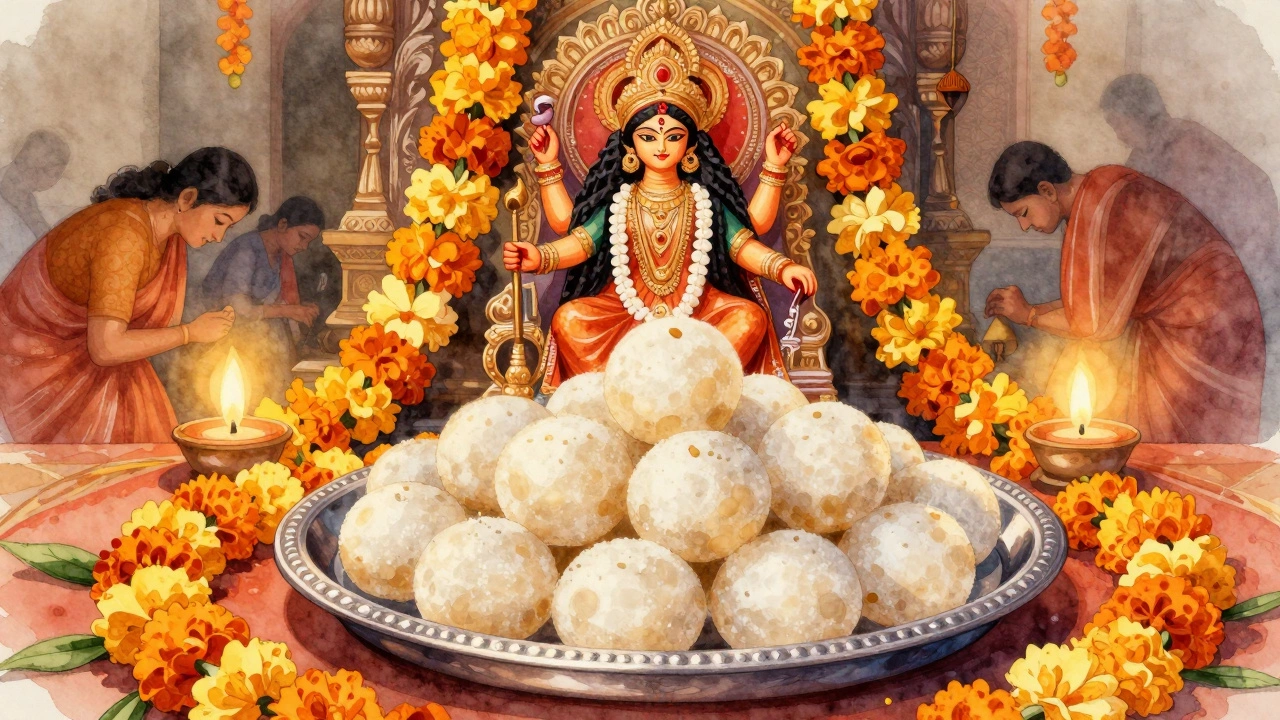
- During Durga Puja: In Bengal, families offer rasgulla to the goddess as prasad. It’s the first sweet served after the puja.
- At weddings: In Odisha, the bride’s family sends a tray of rasgullas to the groom’s home as a gesture of goodwill.
- After meals: In many homes, it’s the standard end to lunch or dinner-light, clean, and satisfying.
- As a gift: A box of rasgullas is the go-to present for housewarmings, birthdays, and even apologies.
It’s rare to find an Indian household that doesn’t have a recipe for rasgulla. Even in cities where people rarely cook, they’ll buy it fresh every weekend. That’s how deeply it’s woven into daily life.
Why It’s Still the Queen
There are newer sweets. There are Instagram-famous desserts with edible gold and matcha swirls. But none have the emotional weight of rasgulla. It doesn’t need fancy packaging or viral trends. It wins because it’s honest. It’s made from milk, sugar, and time. No chemicals. No shortcuts. Just care.
When you bite into a fresh rasgulla, you’re tasting centuries of tradition. You’re tasting home. And that’s why, no matter how many new sweets come along, rasgulla stays on the throne.
Is rasgulla the same as gulab jamun?
No. Rasgulla is made from chhena (fresh cheese curds) and boiled in syrup. Gulab jamun is made from khoya (reduced milk solids) and fried before being soaked in syrup. Rasgulla is soft and spongy; gulab jamun is denser and chewier. They’re both delicious, but they’re completely different.
Can I make rasgulla with store-bought paneer?
Not really. Store-bought paneer is usually too firm and dry because it’s pressed and aged. Rasgulla needs fresh, unpressed chhena that’s still moist and pliable. If you use paneer, the balls won’t absorb syrup properly and will turn rubbery. Stick to making chhena from scratch.
Why do rasgullas sometimes turn hard?
Hard rasgullas usually mean the chhena wasn’t kneaded enough. If there are grainy bits left, the balls won’t swell evenly. Also, if you cook them on high heat, the syrup boils too fast and seals the outside before the inside absorbs moisture. Cook on medium, keep the lid on, and be patient.
How long do rasgullas last?
Stored in their syrup in the fridge, they last 5-7 days. If left at room temperature, they can spoil in 2 days, especially in humid weather. Always keep them submerged in syrup-they dry out quickly if exposed to air.
Are there vegan versions of rasgulla?
Traditional rasgulla can’t be vegan because it’s made from milk. But some modern versions use coconut milk or cashew cream to mimic chhena. These aren’t authentic, but they work for dietary needs. The texture and flavor will be different, though-so manage expectations.
If you’ve never tried a real rasgulla, don’t wait. Find a local Indian sweet shop, ask for the fresh batch, and take a bite. You might just discover why it’s been crowned queen for over 150 years.