Mysore Cuisine: Authentic South Indian Recipes for Everyday Cooking
When you think of Mysore cuisine, a vibrant style of South Indian cooking known for its balance of spice, texture, and tradition. Also known as Mysore food, it’s not just about fancy dishes—it’s about how simple ingredients like rice, urad dal, and curry leaves come together to create meals that stick with you. This style of cooking doesn’t rely on fancy tools or hard-to-find spices. It’s built on time-tested methods: fermenting batter overnight, slow-cooking biryani with layered flavors, and making chutney from fresh coconut or tamarind.
Dosa batter, the heart of many Mysore breakfasts needs the right rice-to-dal ratio and proper fermentation—get it wrong, and your dosa stays soft. Biryani spices, like cardamom, cloves, and saffron, aren’t just added—they’re layered, toasted, and balanced so no single flavor overpowers the rest. And Indian chutney, whether made with mint, coconut, or tamarind, isn’t a side—it’s the flavor bridge between bites.
What you’ll find here isn’t just recipes. It’s the why behind the how—the science of fermentation, the trick to crispy dosas, the reason lemon belongs in biryani, and why turmeric isn’t just yellow powder. These are the secrets that turn good meals into ones people remember.
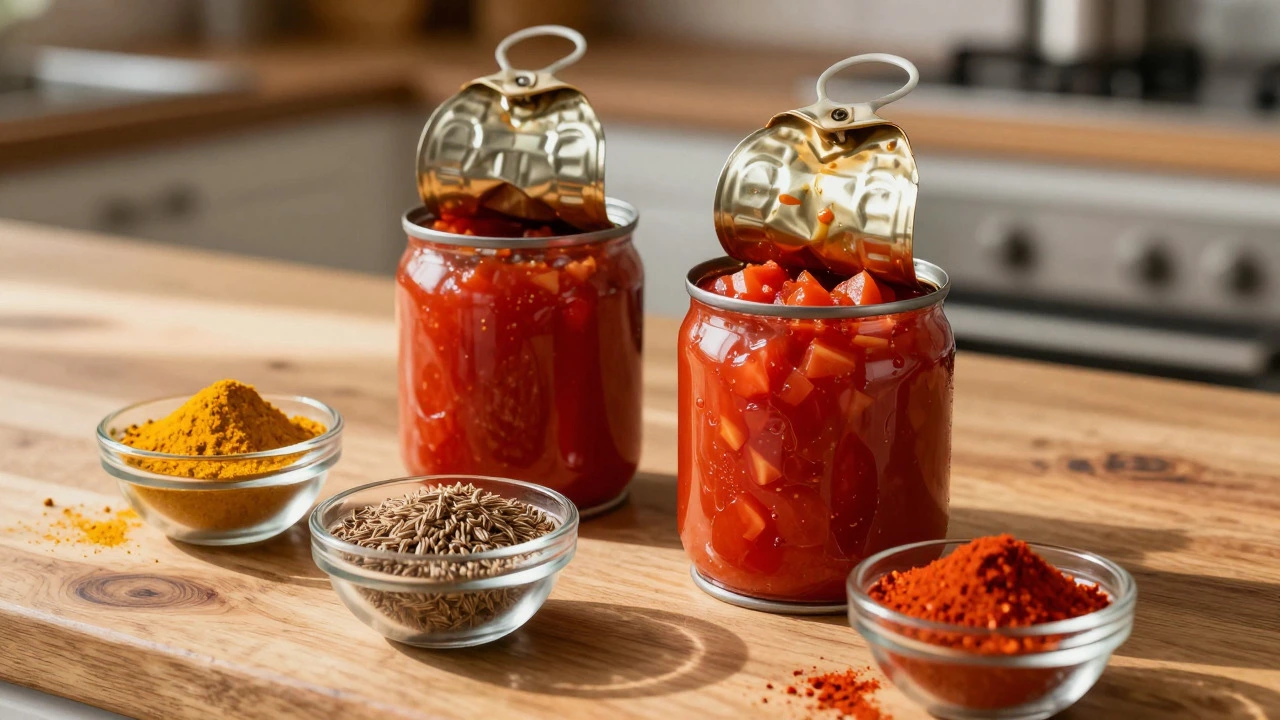
Crushed vs. Diced Tomatoes for Chicken Curry: Which One Makes Better Sauce?
Discover the key differences between crushed and diced tomatoes for chicken curry. Learn which type creates the best texture, flavor, and sauce consistency for various Indian recipes.
learn more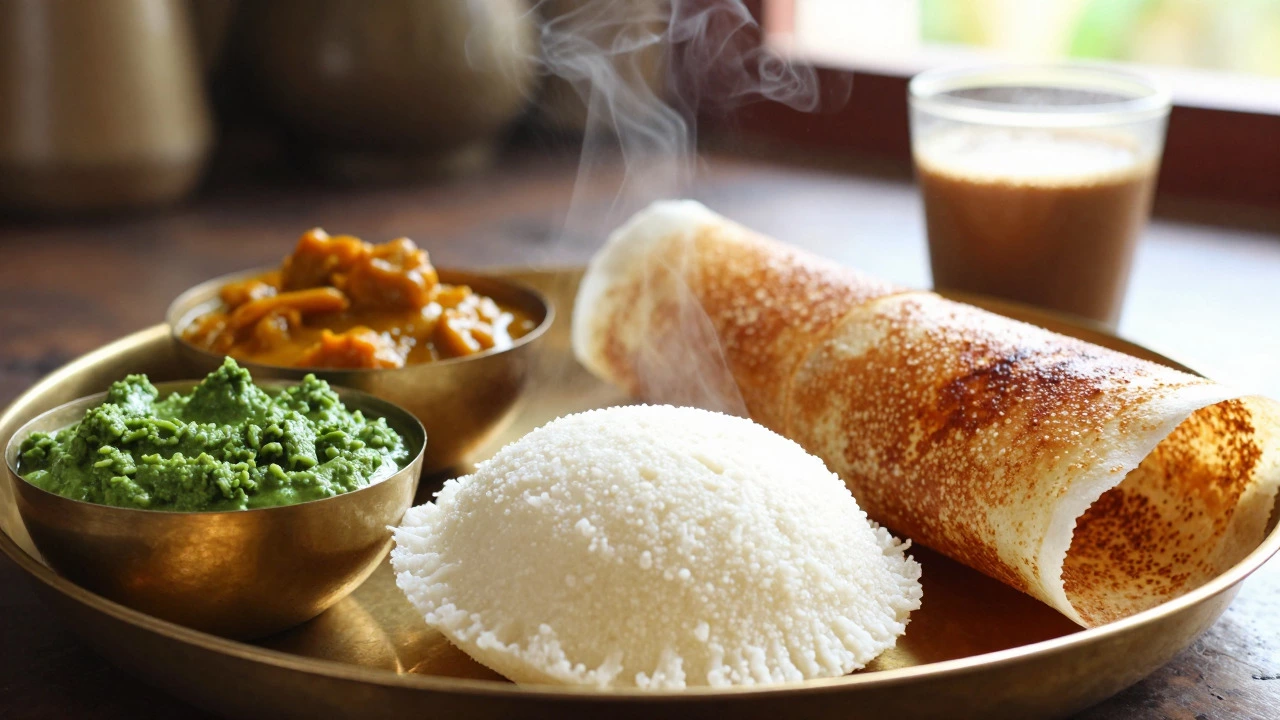
What's a Typical Breakfast in India? A Regional Guide to Morning Meals
Discover what a typical breakfast in India really looks like. From South Indian idli and dosa to North Indian parathas and Western poha, explore regional varieties, street food favorites, and healthy tips for making authentic Indian morning meals at home.
learn more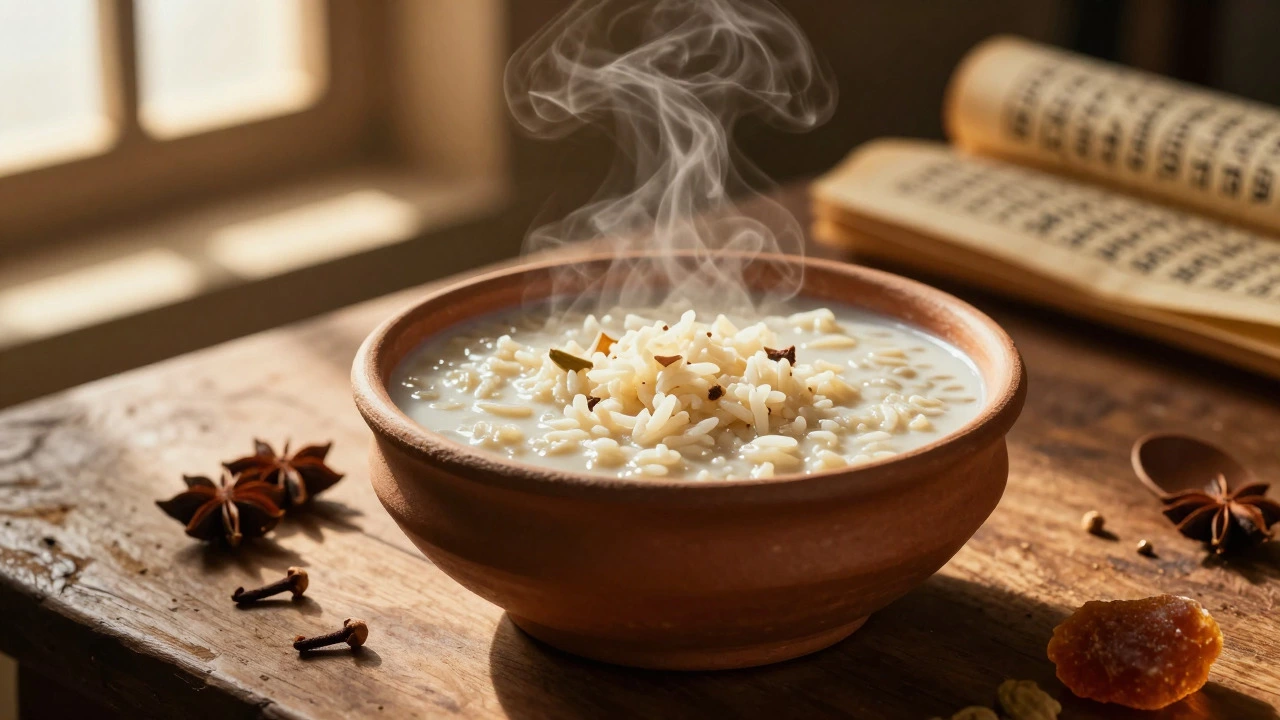
What is the Oldest Indian Sweet? History of Payasam, Rasgulla & More
Discover the oldest Indian sweet, likely Payasam, with roots in ancient texts. Explore the history of Laddus, Rasgulla, and how sugar transformed Indian desserts.
learn more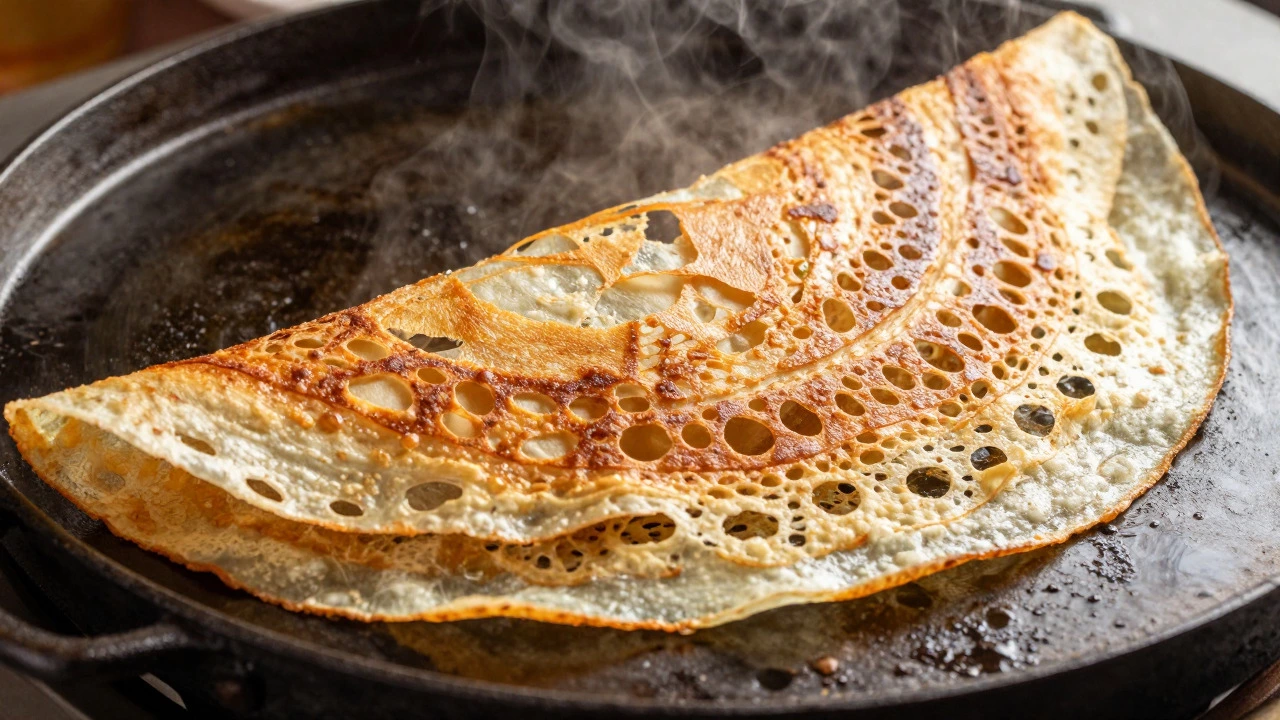
Why Is Your Dosa Not Crispy? 7 Common Mistakes and How to Fix Them
Struggling with soft dosas? Learn why your dosa batter isn't crispy, from fermentation errors to pan temperature mistakes. Get expert tips to achieve that perfect golden crunch every time.
learn more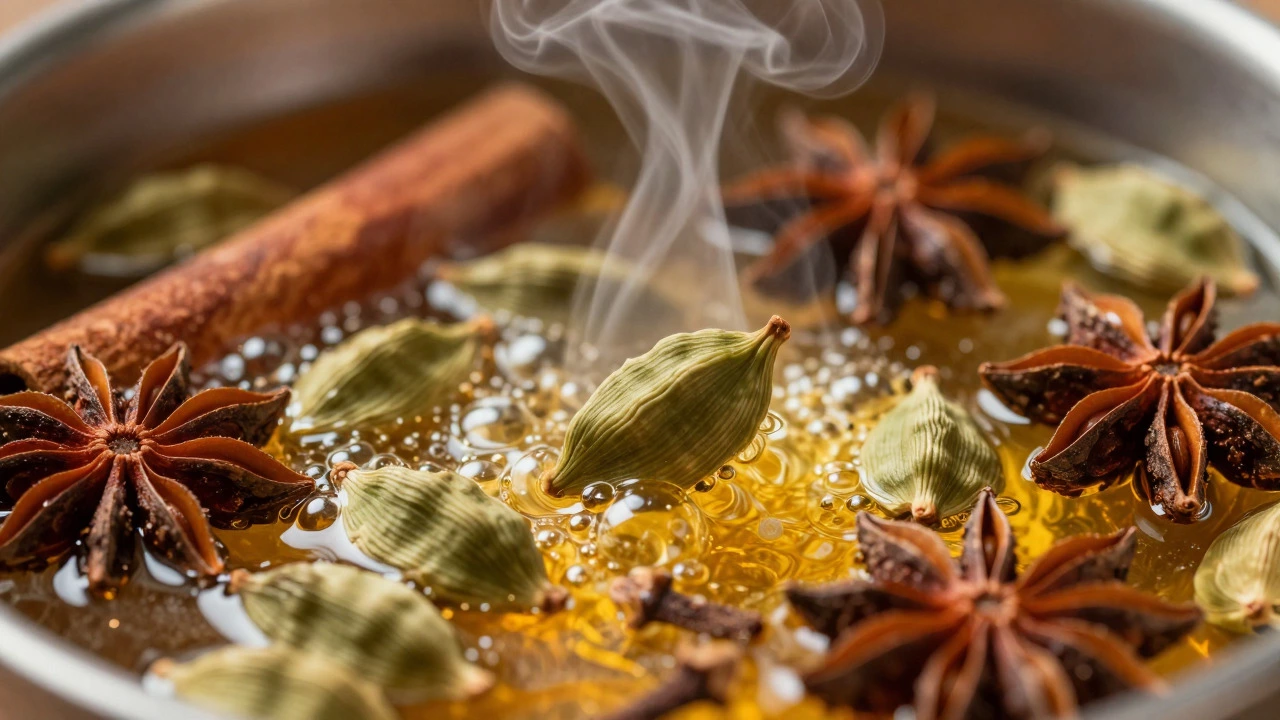
The Secret Science of Biryani Aroma: Spices, Techniques, and Tips
Discover the secret science behind biryani's iconic aroma. Learn how spices, saffron, basmati rice, and dum cooking combine to create that irresistible scent.
learn more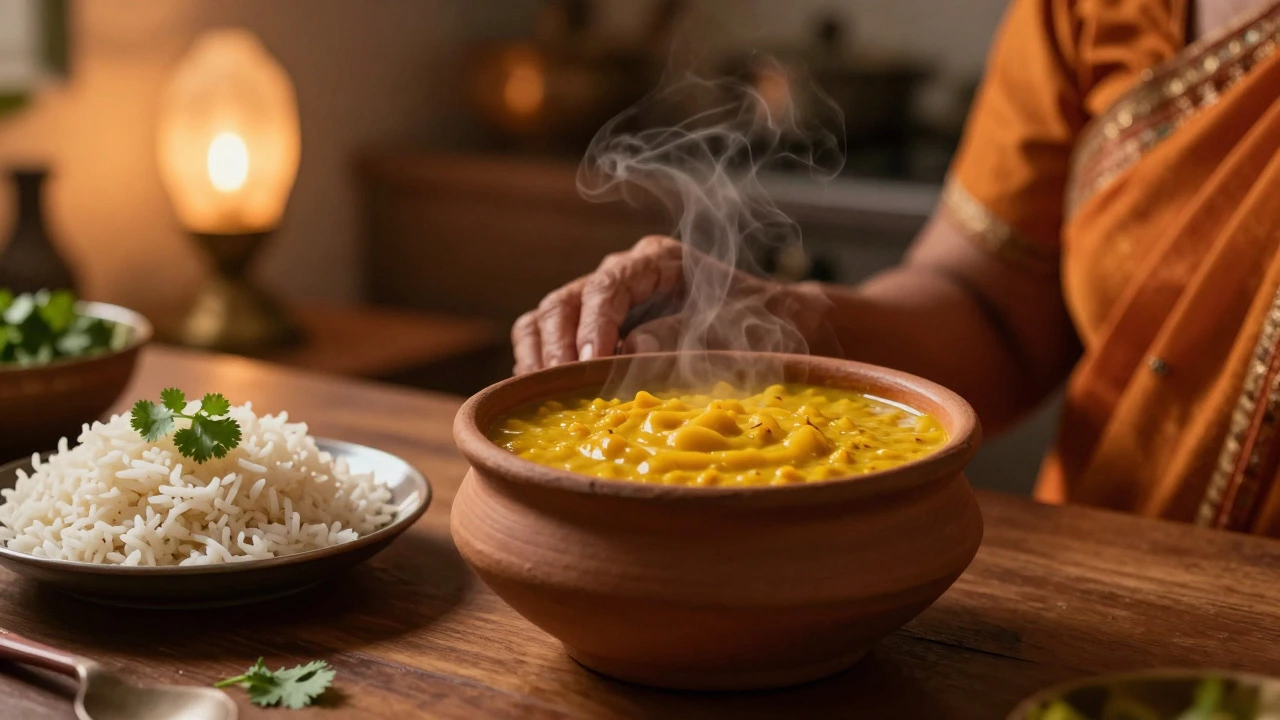
Why Not Eat Dal at Night? The Truth About Digestion, Sleep, and Lentils
Discover the truth behind the myth of eating dal at night. Learn how lentils affect digestion, sleep, and health, plus tips to enjoy them comfortably.
learn more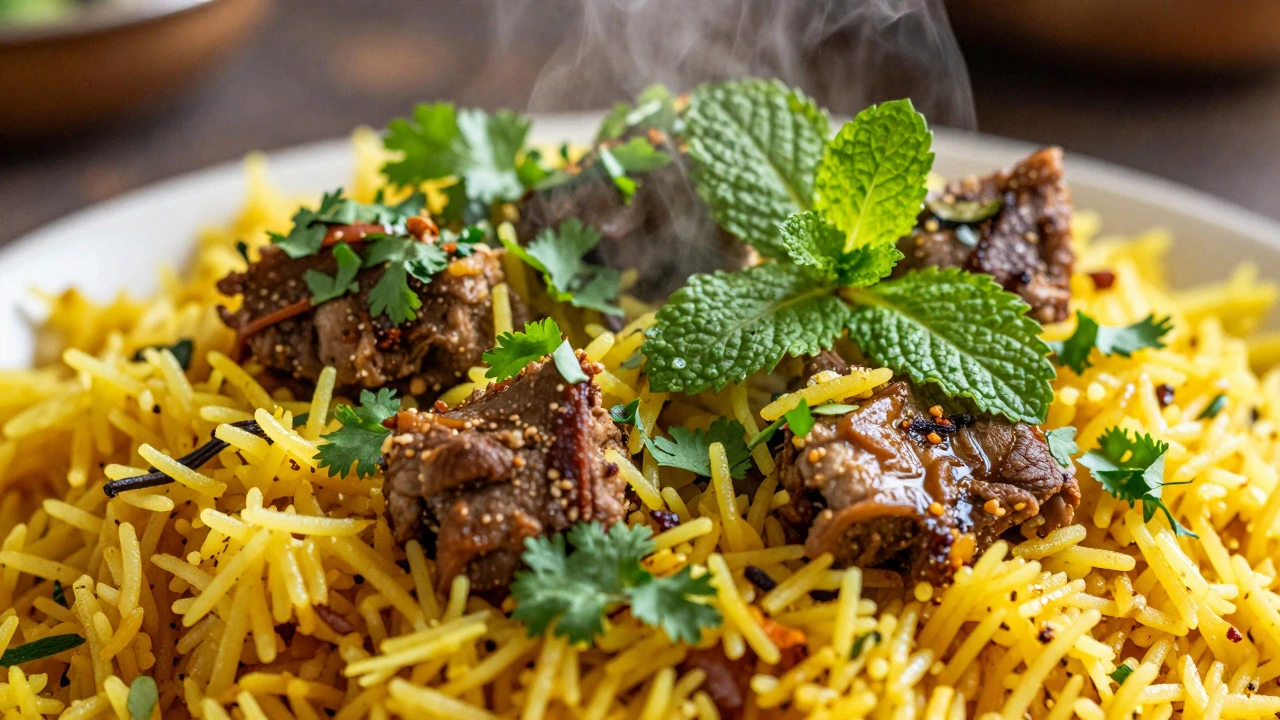
What is the Green Stuff in Biryani? The Truth About Coriander, Mint & Food Coloring
Discover what the green stuff in biryani really is. From fresh coriander and mint to pickled chilies and food coloring, learn how each ingredient affects flavor and texture in this popular dish.
learn more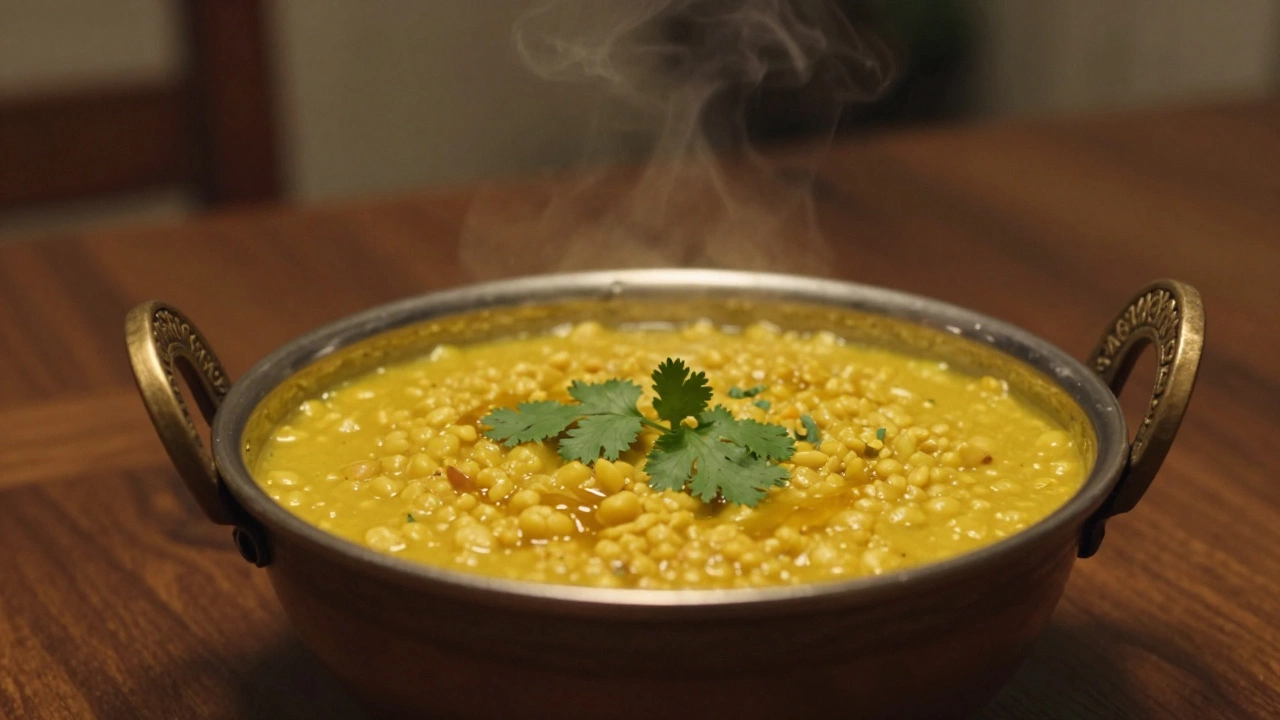
Which Dal to Eat at Night? Best Light Lentils for Dinner
Discover the best dal to eat at night for better digestion and sleep. Learn why moong dal is the top choice and get a simple, healthy recipe.
learn more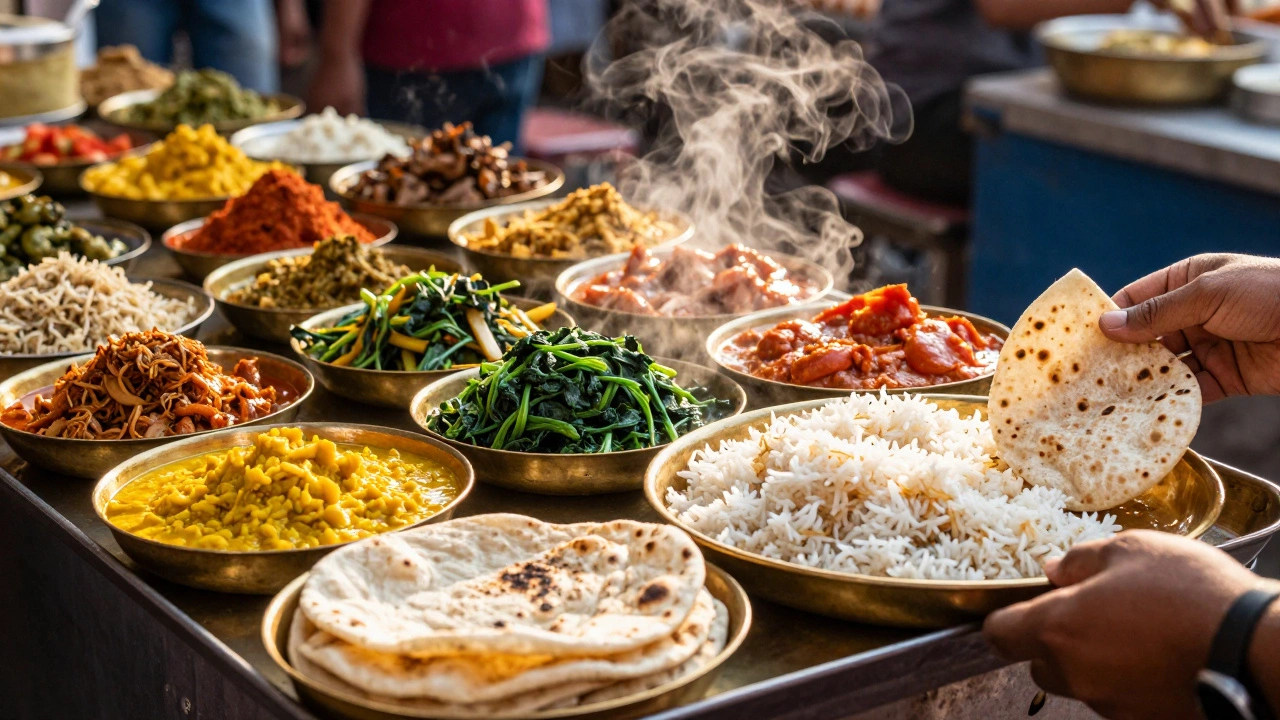
Is India the Pure Vegetarian Country? Truth About Lacto-Vegetarianism
Is India the only pure vegetarian country? We explore the truth behind India's lacto-vegetarian culture, comparing it to global diets and explaining the religious roots of plant-based eating.
learn more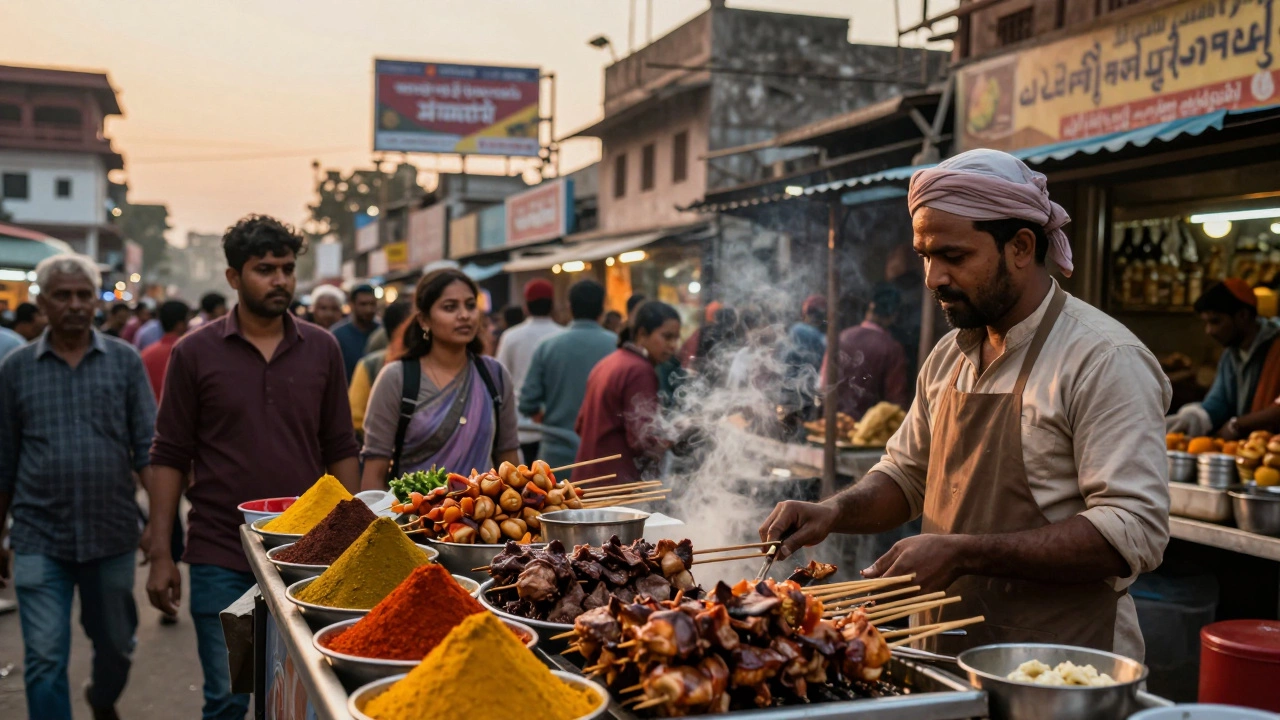
Is It Illegal to Eat Beef in India? The Truth About Cows, Laws, and Steak
Is eating beef illegal in India? We break down the complex state-by-state laws, cultural taboos, and street food realities you need to know before traveling.
learn more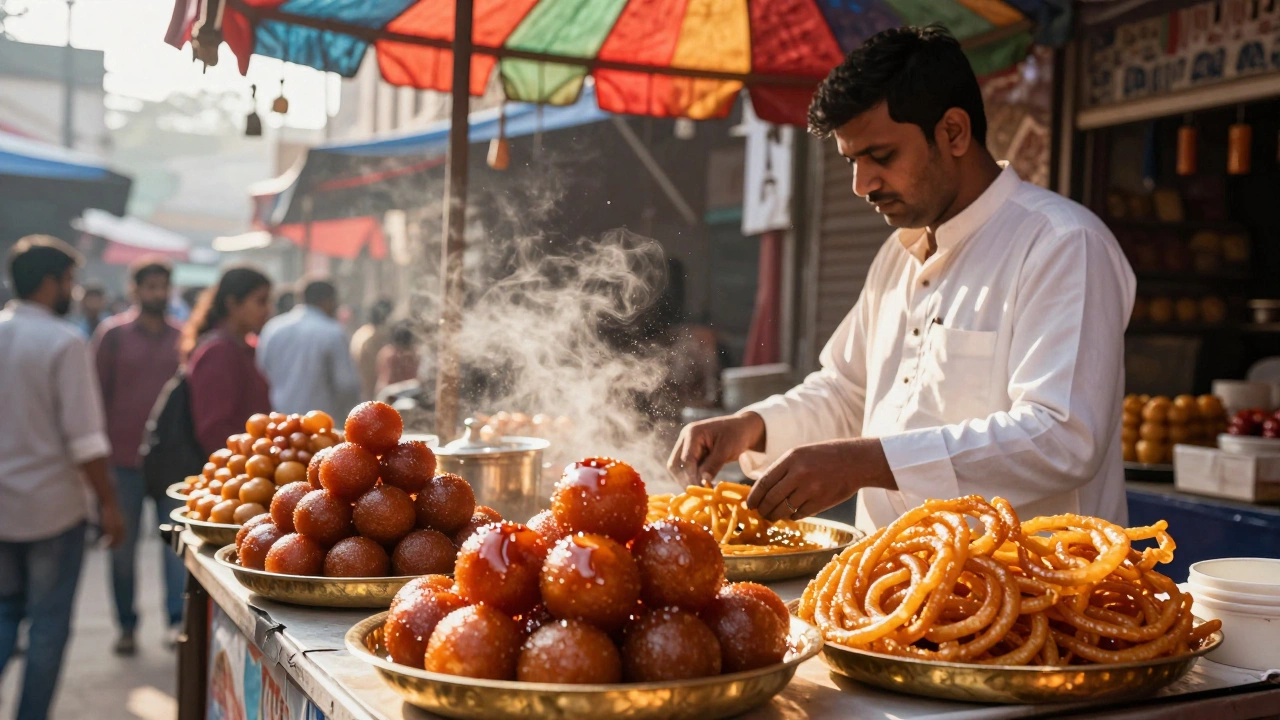
Why Do Muslims Love Sweets? The Cultural History of Indian Mithai
Explore the cultural and historical reasons why Muslims love sweets, from Persian influences to Eid traditions. Discover popular mithai recipes and the symbolism behind these delicious treats.
learn more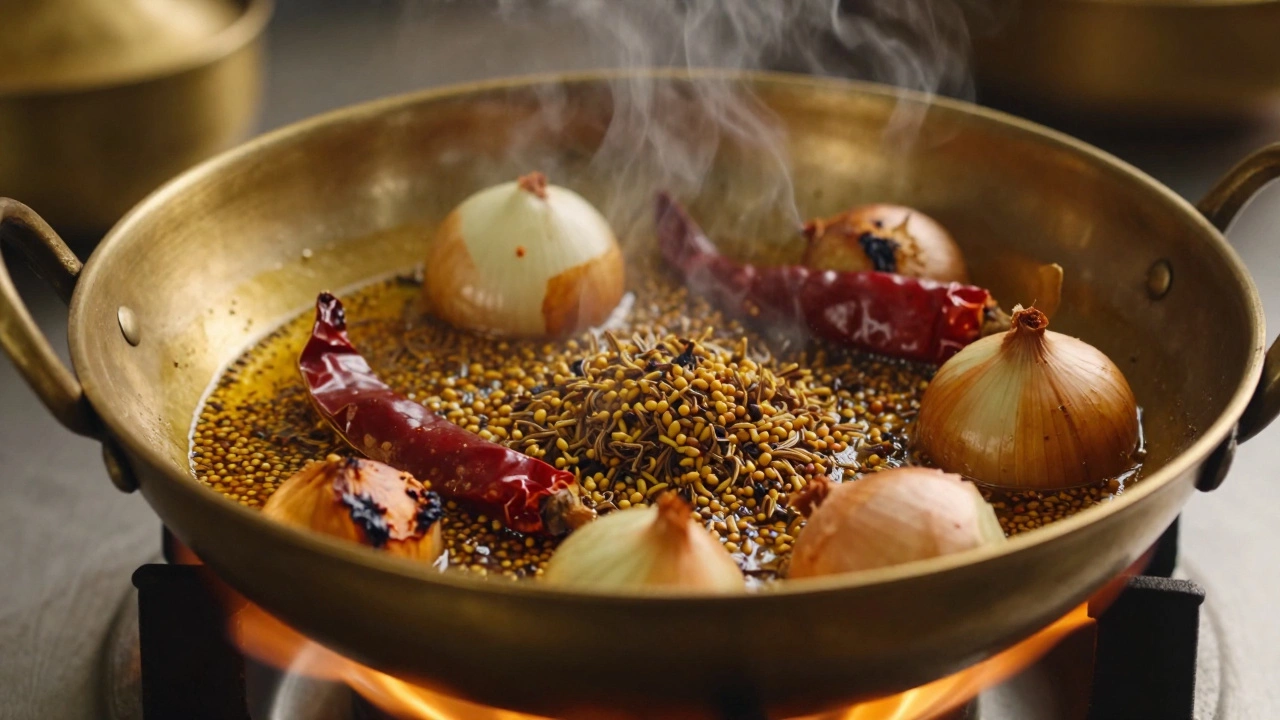
What is the Bitter Thing in Biryani? Identifying Culinary Mistakes
Discover why your biryani tastes bitter. Learn how burnt spices, crushed cardamom seeds, and scorched yogurt cause bitterness, plus tips to fix and prevent it.
learn more