Dosa Nutrition Calculator
How Your Dosa Affects Your Health
Calculate your dosa's nutritional impact based on portion size and cooking method. Based on 100% traditional rice-urad dal batter.
Your Dosa Nutrition Analysis
Many people eat dosa every morning without thinking twice. It’s crispy, savory, and pairs perfectly with coconut chutney or sambar. But if you’ve ever wondered whether that stack of dosas is actually good for your health, you’re not alone. The answer isn’t simple-it depends on how the batter is made, what’s in it, and how often you eat it.
What’s in traditional dosa batter?
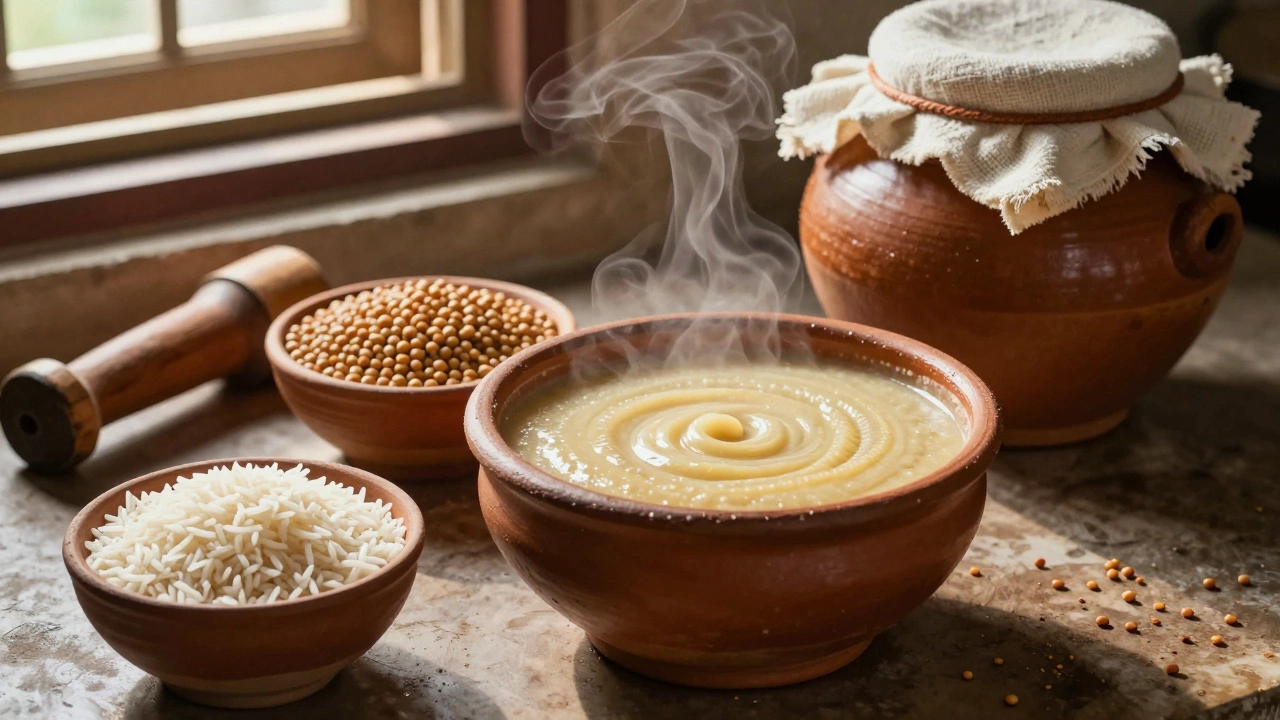
Classic dosa batter is made from just two ingredients: rice and urad dal (black gram). Sometimes a pinch of fenugreek seeds is added to help with fermentation. No oil, no sugar, no preservatives. That’s it. The magic happens during fermentation-usually 8 to 12 hours, sometimes overnight. During this time, natural bacteria and yeast break down the starches and proteins, making the batter rise and develop its signature tangy flavor.
This simple mix is the foundation of one of India’s most widely eaten breakfasts. In South India, families often make a big batch once a week and use it daily. That’s not just tradition-it’s smart nutrition.
The science behind fermentation
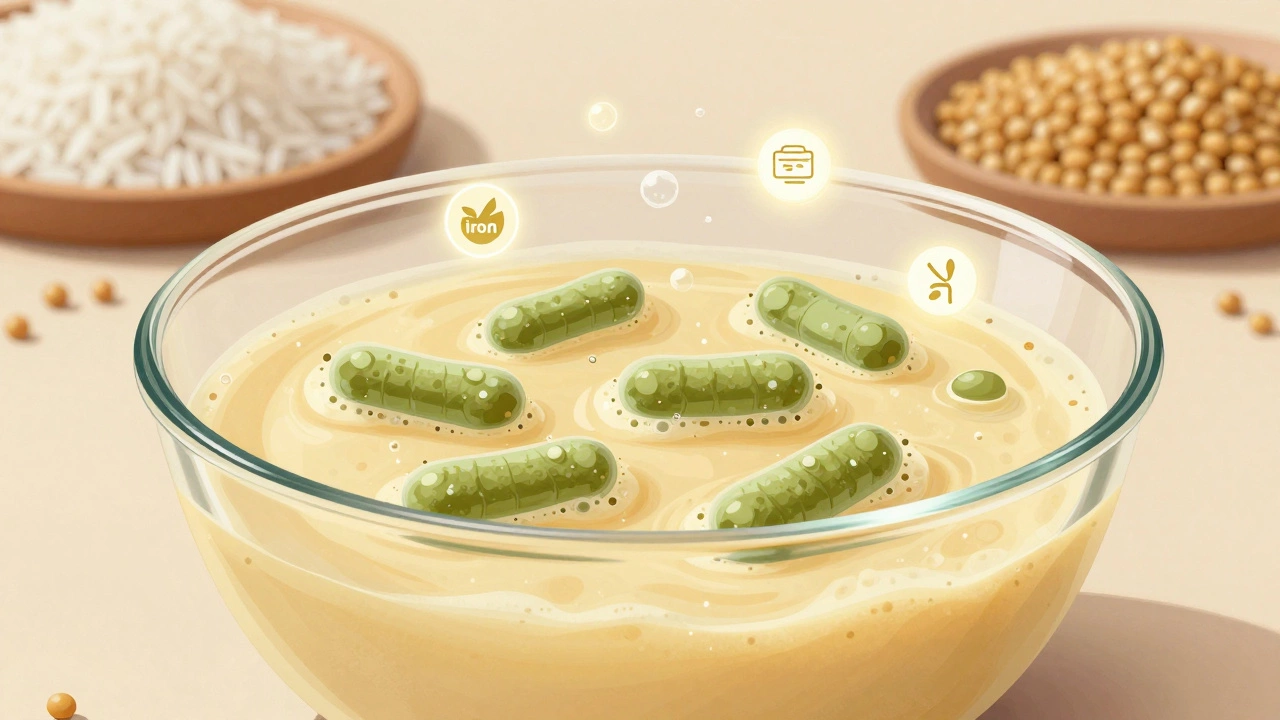
Fermentation is where dosa batter turns from just rice and lentils into something far more powerful. When the batter sits at room temperature, lactic acid bacteria (like Lactobacillus) multiply. These microbes digest the starches and release carbon dioxide, which makes the batter fluffy. But they don’t stop there.
Studies show that fermenting rice and urad dal together increases the availability of key nutrients:
- B vitamins-especially B1 (thiamine) and B3 (niacin)-increase by up to 40% after fermentation.
- Iron and zinc become more absorbable because phytic acid, which blocks mineral uptake, gets broken down.
- Protein quality improves. Urad dal has all nine essential amino acids, and fermentation helps your body use them more efficiently.
A 2021 study from the National Institute of Nutrition in Hyderabad found that fermented rice-lentil batter had 35% higher digestibility than unfermented batter. That means your body gets more energy and nutrients from the same amount of food.
Why dosa batter is better than regular rice
White rice has a high glycemic index-meaning it spikes blood sugar quickly. But fermented dosa batter? Not so much. The fermentation process changes the starch structure, slowing digestion. Research from the University of Madras showed that dosa made from fermented batter has a glycemic index of around 52, while plain boiled rice sits at 73. That’s a big difference if you’re managing energy levels or insulin sensitivity.
Plus, the fiber from urad dal adds bulk. One cup of dosa batter (before cooking) contains about 5 grams of fiber. That’s nearly 20% of your daily need. Fiber keeps you full longer, helps regulate digestion, and supports a healthy gut microbiome.
What about the calories?
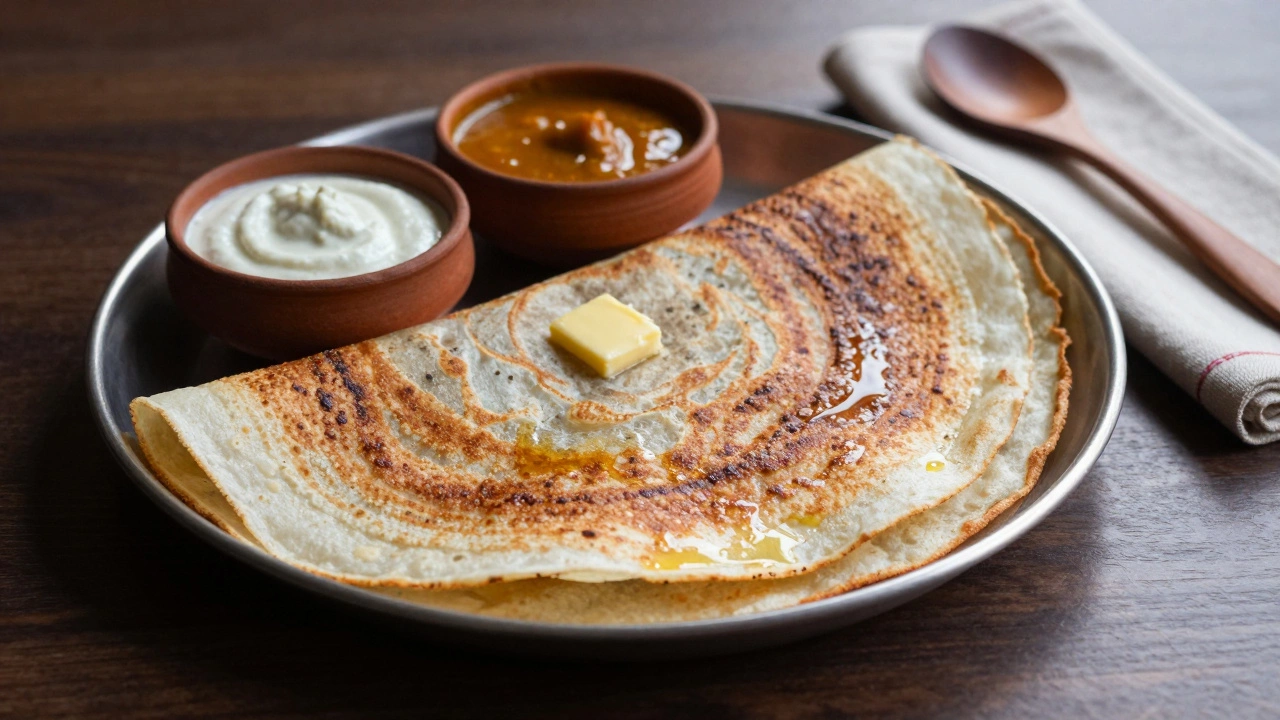
A single medium dosa (about 10 inches wide) made from plain batter has roughly 100-120 calories. That’s less than a slice of white bread. And since it’s made from whole grains and legumes, you’re getting protein, fiber, and complex carbs-not empty calories.
Compare that to store-bought dosa mixes that add wheat flour, salt, or even sugar. Some even include preservatives to extend shelf life. These shortcuts might make batter easier to use, but they strip away the health benefits. Stick to homemade batter made from just rice and urad dal.
Who benefits most from dosa batter?
If you’re trying to:
- Improve digestion
- Manage blood sugar levels
- Boost nutrient absorption
- Find a filling, plant-based breakfast
then dosa batter is one of the best options out there. It’s naturally gluten-free (if made without wheat), vegan, and low in fat. It’s also gentle on the stomach-many people with sensitive digestion find fermented foods easier to tolerate than raw grains.
Even athletes and active adults benefit. The slow-release energy from fermented carbs, paired with plant-based protein, makes dosa an excellent pre-workout meal. Add a side of coconut chutney for healthy fats and a sprinkle of sambar for extra veggies and spices.
Pitfalls to avoid
Not all dosas are created equal. Here’s what to watch out for:
- Over-oiling the pan: A little oil or ghee is fine for flavor and crispness, but pouring it on like you’re frying a pancake turns a healthy food into a calorie bomb.
- Using refined flour: Some recipes add maida (white flour) to make batter easier to spread. That defeats the purpose. Stick to 100% rice and urad dal.
- Skipping fermentation: If you skip the soaking and fermenting step, you lose most of the nutritional gains. Don’t rush it-let it sit overnight.
- Buying pre-made batter: Many packaged batters contain additives, salt, or even MSG. Check the label. If it’s longer than three ingredients, reconsider.
Also, if you’re sensitive to FODMAPs (fermentable carbs), dosa batter might still cause bloating. While fermentation reduces FODMAPs, urad dal is still high in them. Try a small portion first and see how your body reacts.
How to make dosa batter the healthy way
Here’s the simplest, most effective method:
- Soak 2 cups of raw rice and 1 cup of urad dal separately in water for 6-8 hours.
- Drain and grind them separately into smooth pastes. Rice should be slightly coarse; urad dal should be fluffy and airy.
- Mix both pastes together. Add 1/2 teaspoon of fenugreek seeds (optional but helpful).
- Let the batter ferment in a warm spot for 8-12 hours. It should double in volume and smell slightly sour.
- Use as needed. Store leftovers in the fridge for up to 5 days.
Pro tip: Use a clay pot or glass bowl for fermenting. Metal can interfere with the natural cultures. And always cover with a cloth-not a lid-so air can circulate.
Is dosa batter good for weight loss?
Yes-if you eat it right. Dosa batter is naturally low in fat and high in fiber, which helps control appetite. A 2023 study in the Journal of Nutrition and Metabolism found that people who ate fermented rice-lentil meals twice a day for four weeks lost an average of 1.8 kg without changing anything else in their diet.
Why? The fiber slows digestion. The protein keeps you full. And because dosa is eaten with minimal oil and paired with veggies (sambar, chutney, onions), it becomes a nutrient-dense, low-calorie meal.
Just don’t load it up with butter, cheese, or fried toppings. A dosa with a side of sautéed veggies and a spoon of yogurt is far better than one smothered in oil and cheese.
Final verdict
Is dosa batter good for health? Yes-when it’s made the traditional way. Fermented rice and urad dal batter is packed with digestible nutrients, helps regulate blood sugar, supports gut health, and keeps you full longer. It’s one of the most balanced breakfasts you can eat.
But if you’re using store-bought mixes, adding flour, or frying it in oil, you’re missing the point. The health benefits come from the fermentation process, not the cooking method.
So next time you make dosa, think of it as more than just a snack. It’s a fermented superfood that’s been feeding families in South India for centuries-and science is just catching up.
Is dosa batter good for diabetics?
Yes, traditional dosa batter made from fermented rice and urad dal is generally safe for diabetics. Fermentation lowers the glycemic index to around 52, which causes a slower, steadier rise in blood sugar compared to plain rice (GI 73). However, portion control matters. One or two medium dosas with a side of sambar and chutney is ideal. Avoid adding sugar, maida, or excessive oil. Always monitor your blood sugar after meals to see how your body responds.
Can I make dosa batter without urad dal?
Technically yes, but you’ll lose key benefits. Urad dal provides protein, fiber, and the natural microbes needed for fermentation. Without it, the batter won’t ferment properly, won’t puff up, and won’t be as digestible. If you can’t use urad dal due to allergies, try substituting with split moong dal, but fermentation will be slower and less effective. The result won’t be the same as traditional dosa.
How long can I store dosa batter?
Fermented dosa batter lasts up to 5 days in the fridge. After that, it can start to sour too much or develop off-flavors. If you notice mold, a strong alcoholic smell, or a slimy texture, throw it out. For longer storage, freeze it in portions. Thaw overnight in the fridge before using. Never leave batter at room temperature for more than 24 hours after fermentation-it can spoil.
Does dosa batter cause bloating?
It can, especially if you’re not used to fermented foods or high-fiber legumes. Urad dal contains FODMAPs, which some people have trouble digesting. But fermentation reduces these compounds significantly. If bloating occurs, try reducing portion size, eating slowly, or pairing dosa with digestive aids like ginger tea or ajwain (carom seeds). Most people adjust within a few days.
Is fermented dosa batter better than idli batter?
They’re nearly identical in composition and fermentation process. Both use rice and urad dal. The main difference is how they’re cooked: dosa is spread thin and fried, idli is steamed. Nutritionally, they’re very similar. Fermentation benefits are the same. Choose based on preference-not health.