Dosa Batter: Perfect Ratio, Fermentation Tips, and Common Mistakes
When you think of a perfect dosa batter, a fermented mix of rice and urad dal used to make crispy South Indian crepes. Also known as dosa batter mix, it’s the foundation of one of India’s most loved breakfasts. Get this right, and your dosas lift off the pan like clouds—golden, crisp, and full of airy bubbles. Get it wrong, and you’re stuck with a rubbery, flat disc that sticks to the pan and tastes like regret.
The magic starts with the urad dal to rice ratio, the critical balance between protein-rich black gram and starchy rice that drives fermentation and texture. Most experts agree: 1 part urad dal to 3 parts rice is the sweet spot. Too much dal, and the batter turns sticky and dense. Too little, and it won’t ferment well or puff up. You also need to soak both overnight—rice for 4–6 hours, urad dal for 6–8—then grind them separately. Urad dal goes into a smooth, fluffy paste; rice stays slightly gritty. Mix them together, add salt, and let the magic happen.
Fermentation, the natural process where wild yeast and bacteria turn sugars into gas and flavor, is where most people fail. It’s not about heat alone—it’s about time, humidity, and patience. In warm climates, 8–12 hours works. In colder ones, you might need 16–24. A warm oven with the light on, a wrapped towel, or a heating pad under the bowl helps. If your batter doesn’t rise, it’s not broken—it just needs more time or a warmer spot. Never add baking soda to ‘fix’ it. That’s a shortcut that kills the real flavor.
And don’t forget the dosa ingredients, the simple list of things that make the batter work: rice, urad dal, salt, and water. No yeast. No vinegar. No baking powder. Just those four, treated right. Some add fenugreek seeds for better fermentation and a hint of bitterness that balances the crispness. Others grind in a little poha or cooked rice for extra softness. But the core? Always rice and urad dal.
What you’ll find below isn’t just recipes. It’s the real talk about what goes wrong—and how to fix it. Why your batter smells sour before it’s ready. Why your dosa sticks even when the pan is hot. Why some people swear by granite stones over blenders. You’ll see the exact steps that turn a failed batch into perfect, restaurant-style dosas. No fluff. No theory. Just what works, tested in kitchens from Mysore to your own stove.
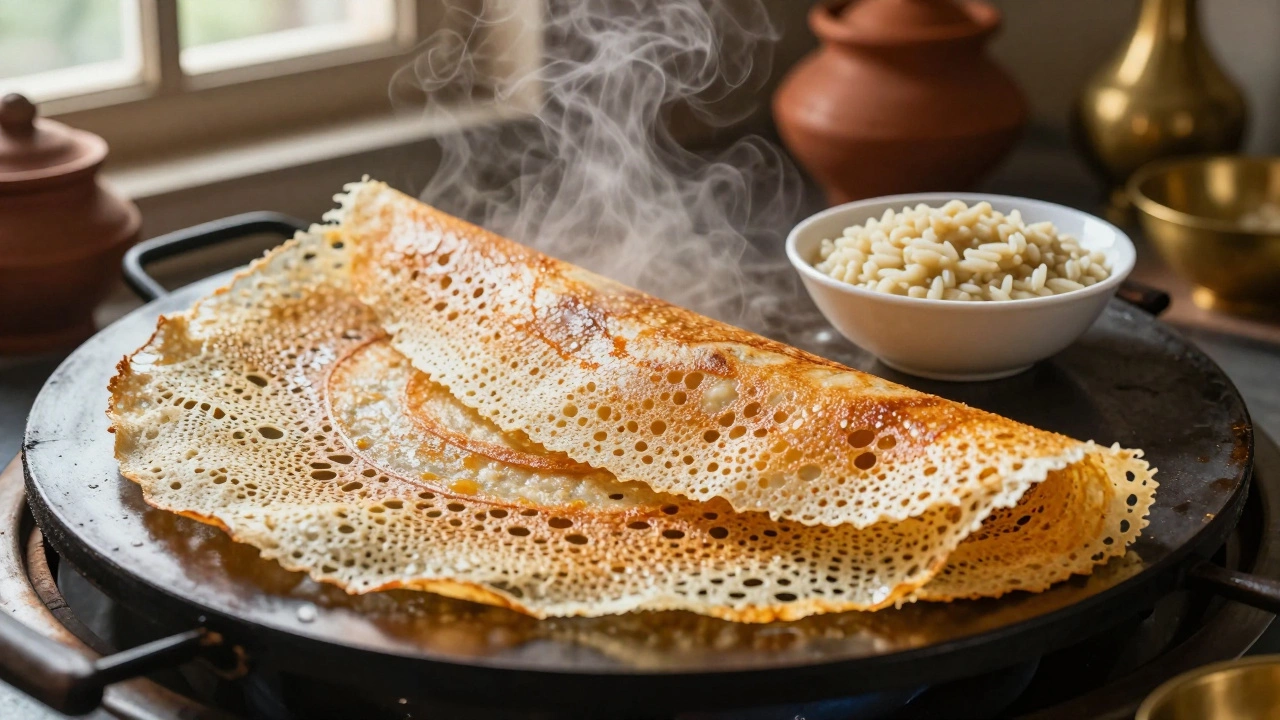
Why Do We Add Rice in Dosa Batter? The Science Behind the Perfect Crisp Dosa
Rice in dosa batter isn't just tradition-it's science. Learn why rice is essential for fermentation, crisp texture, and digestibility in authentic South Indian dosas.
learn more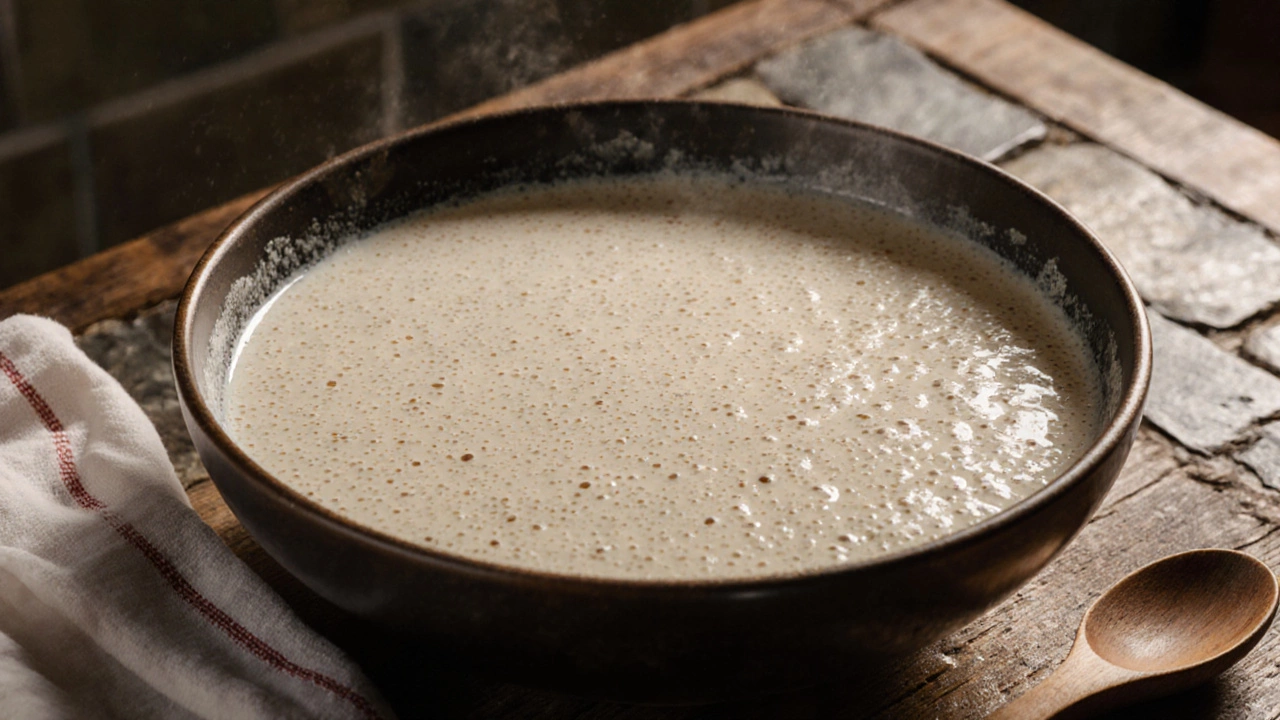
Why Is My Dosa Soft and Not Crispy? Fix Your Batter and Technique
Soft dosa instead of crispy? It’s usually due to under-fermented batter, wrong consistency, or a cold pan. Learn how to fix your dosa recipe with simple steps for perfect crispness every time.
learn more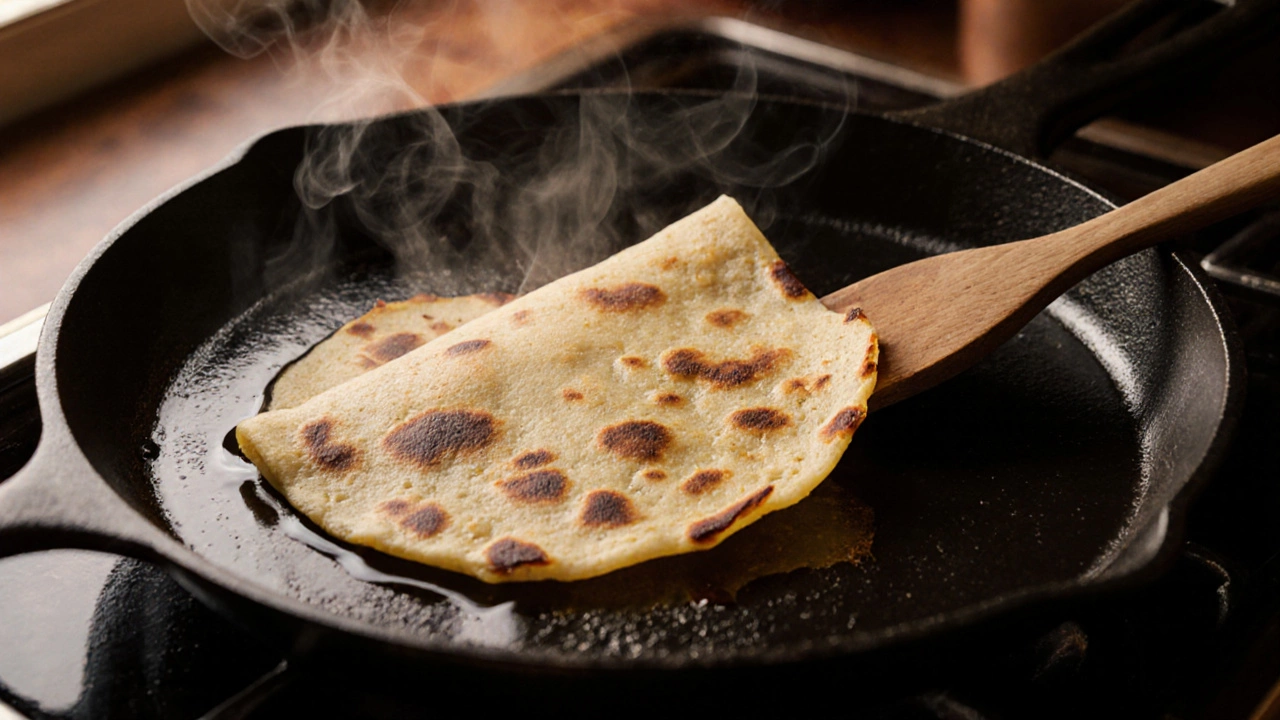
Why Your Dosa Isn’t Crispy and How to Fix It
Learn why your dosa turns soggy and get proven tips, equipment choices, and a step‑by‑step checklist to achieve perfectly crispy dosas every time.
learn more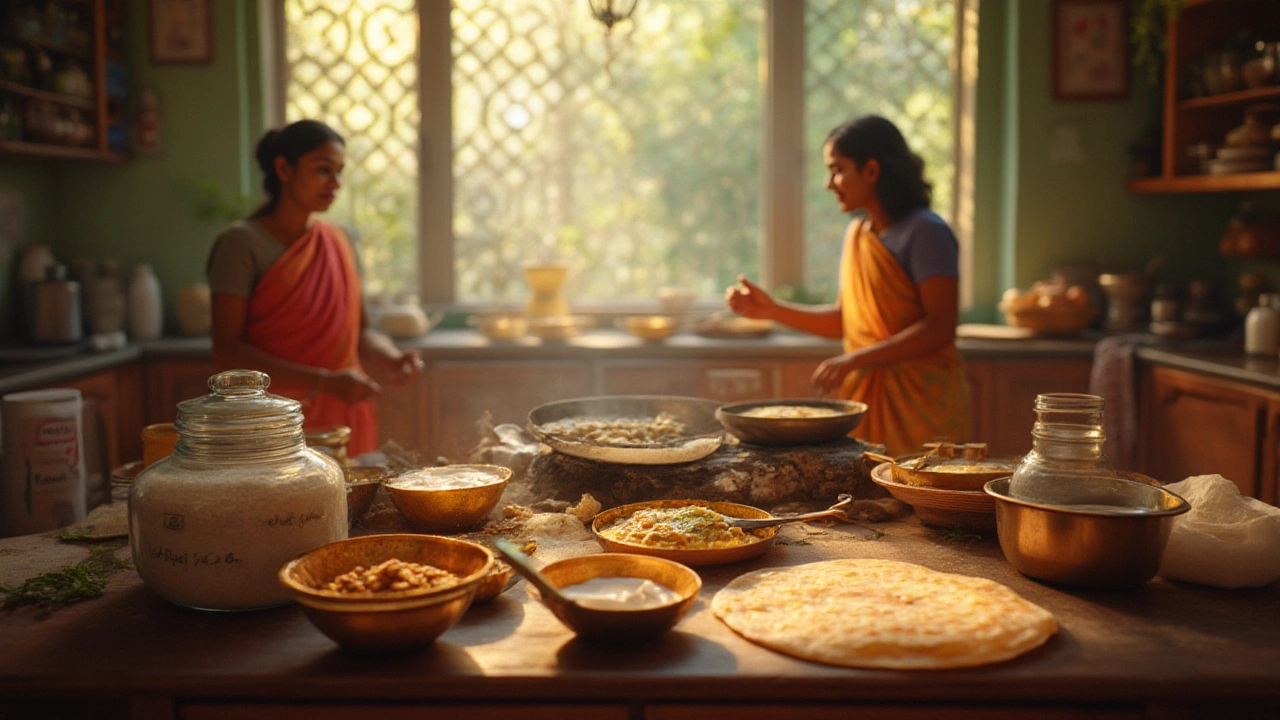
Baking Soda vs Yeast: The Truth About Perfectly Fermented Dosa Batter
Debating between baking soda and yeast for dosa batter? Learn the science, pros, cons, and expert tips to achieve fluffy, flavorful dosas every time.
learn more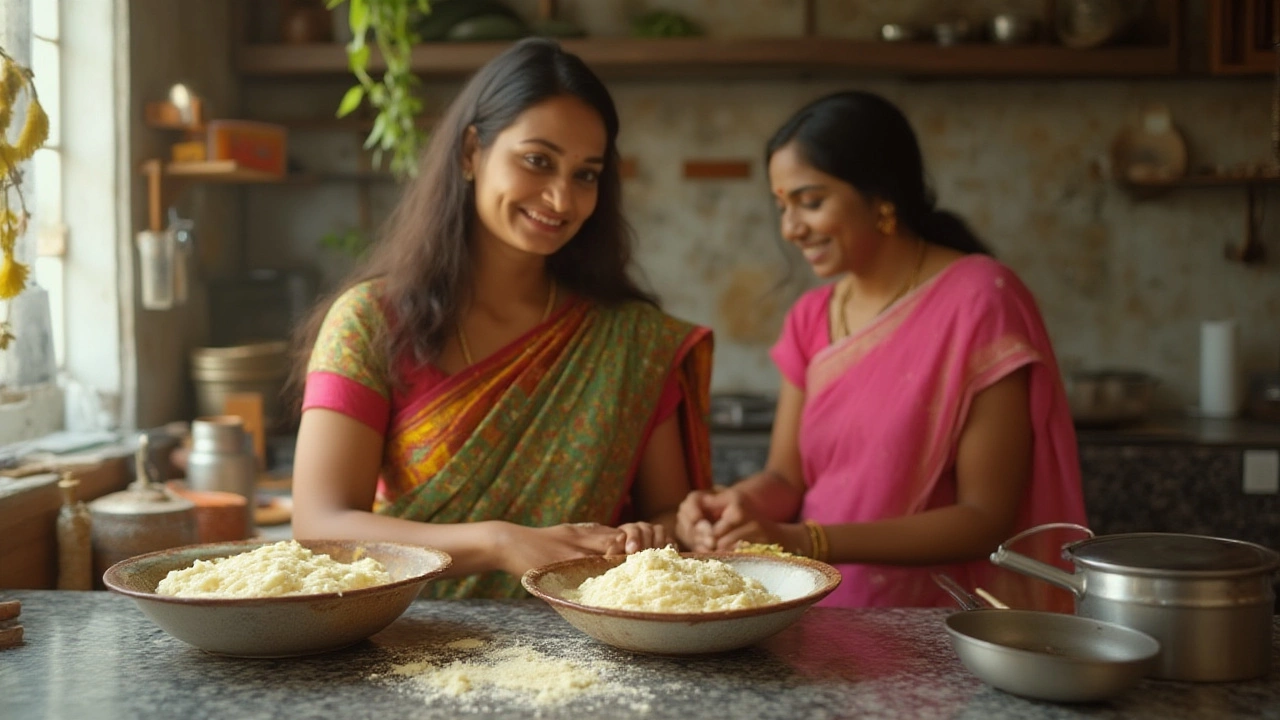
Why Is My Dosa Batter Not Fluffy? Proven Tips for Perfect Batter Every Time
Struggling with flat dosas? Discover why your dosa batter isn’t fluffy, learn step-by-step fixes, and get expert tips for consistently airy, crispy dosas at home.
learn more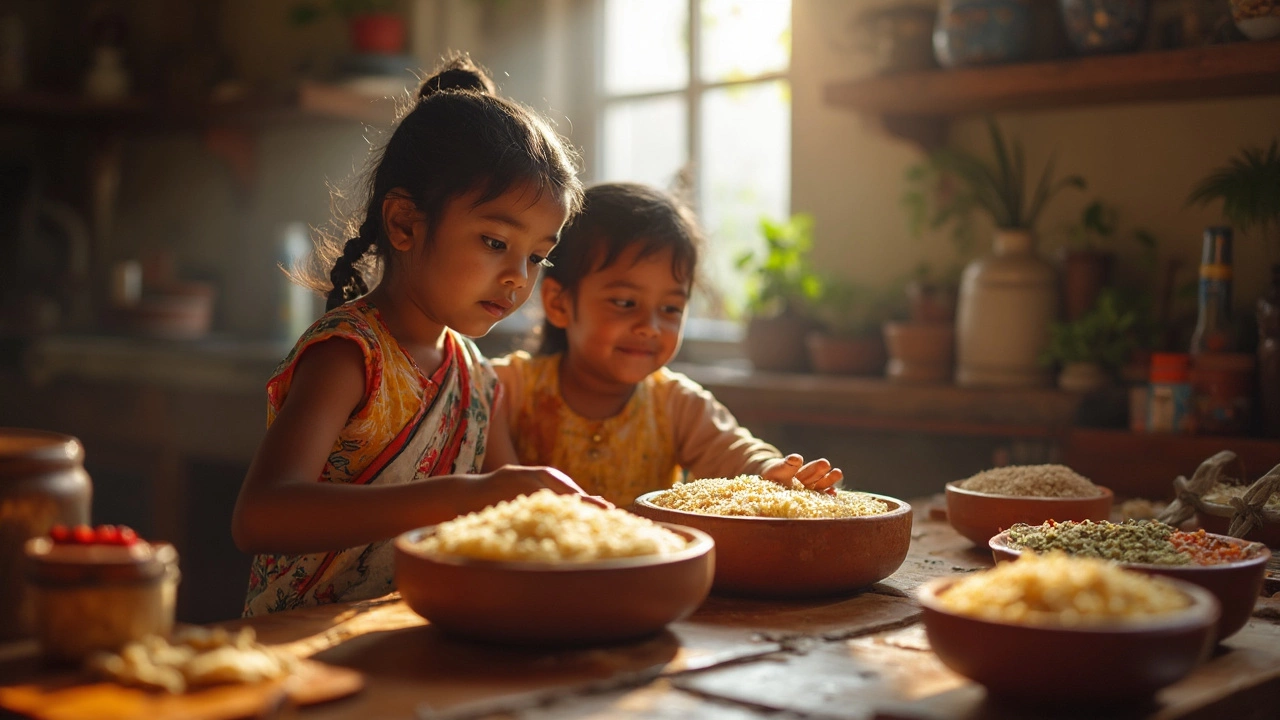
Should Dosa Batter Be Grainy? Authentic Texture Tips & Expert Advice
Explore whether dosa batter should be grainy or smooth. Get practical tips and expert insights for achieving the perfect authentic dosa texture every time.
learn more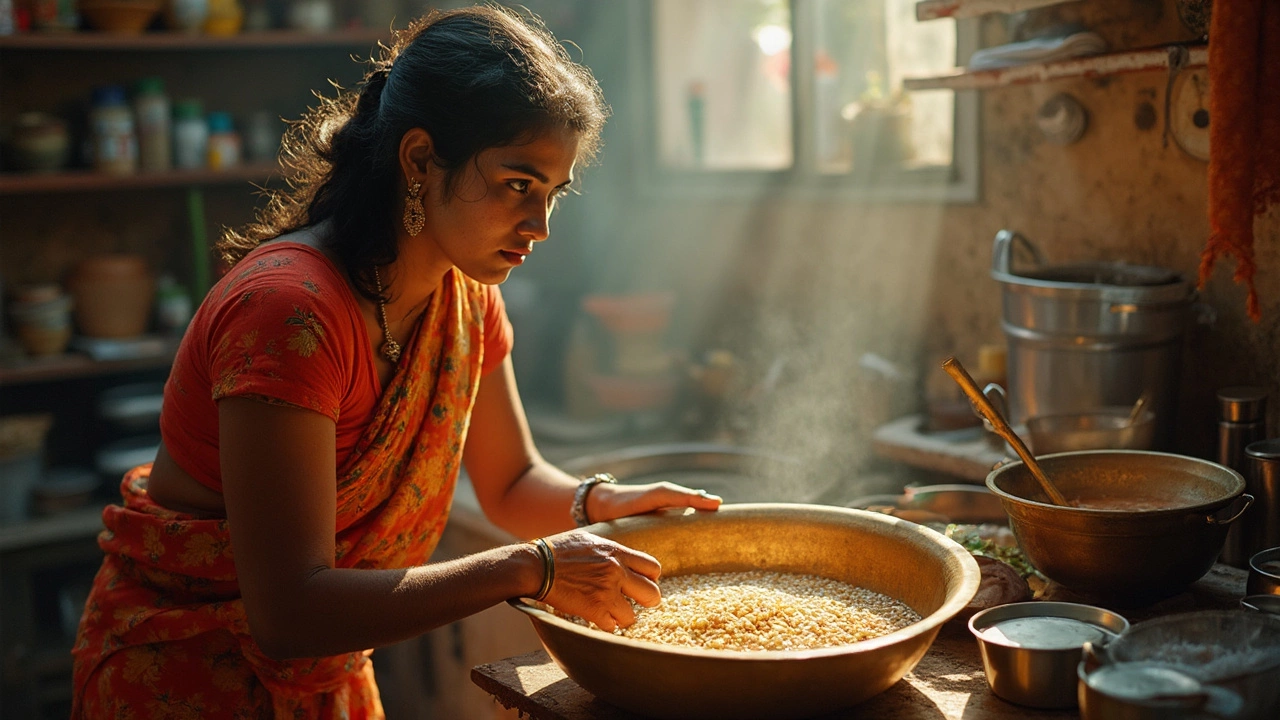
Can We Soak Urad Dal Overnight for Dosa?
Urad dal is the backbone of dosa batter, but soaking it right makes all the difference. Many wonder if soaking urad dal overnight is okay or if it's too much. This article clears up exactly how long to soak, what happens if you overdo it, and shares some useful tricks to get that soft, fluffy dosa batter. There's plenty of practical info to help you avoid soggy missteps, even if you're a beginner. Expect some simple science behind it all, too.
learn more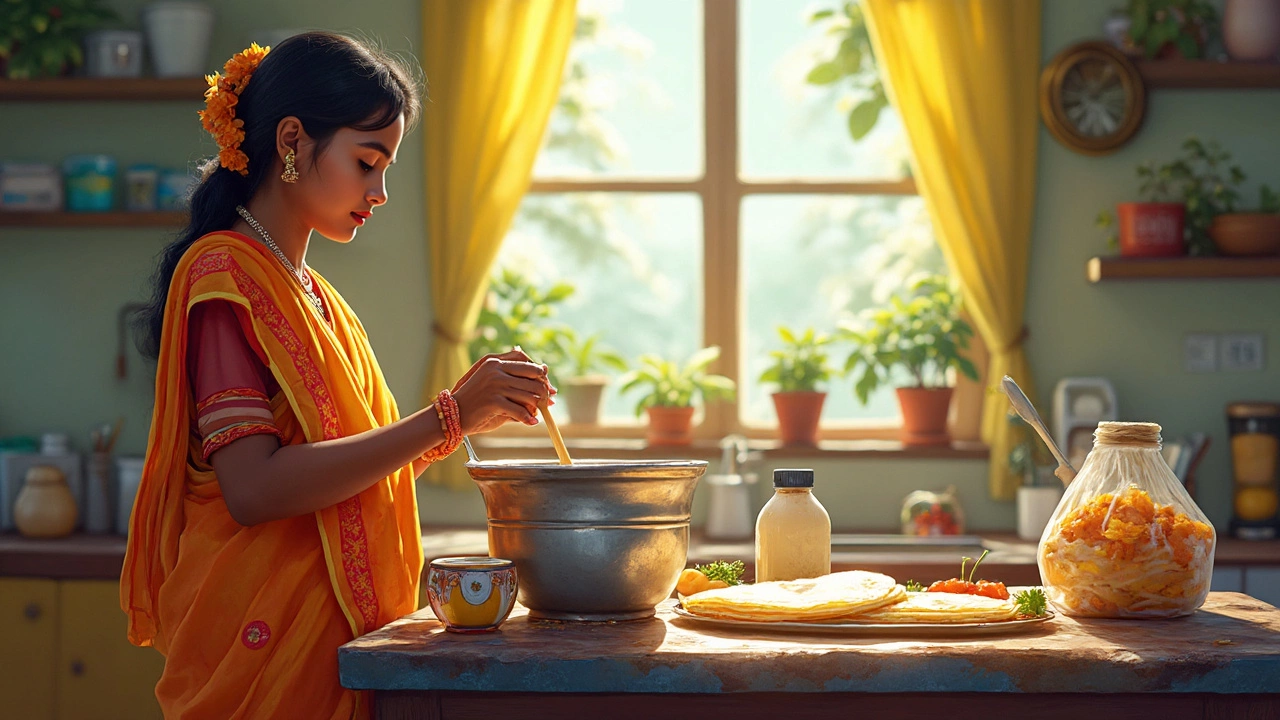
Baking Soda Alternatives for Dosa Batter: What Works Best?
Forgot baking soda in your dosa batter? No stress. This article covers effective, easy-to-find substitutes you can use to make soft dosas without it. From common kitchen ingredients to age-old tricks, you'll discover what works, what doesn't, and why. You'll even pick up handy tips to get perfect results every time. No baking soda, no problem—you'll still enjoy those fluffy dosas.
learn more
Can Dosa Batter Ferment in 2 Hours? The Real Deal About Quick Fermentation
Can dosa batter really ferment in just two hours? This article breaks down what happens during fermentation, what actually works, and shares amazing hacks to speed up the process if you're after dosa in a hurry. We'll also point out what to expect from rapid-fermented batter and how to tweak your methods for the next time. Clear, direct tips—no kitchen myths, just results.
learn more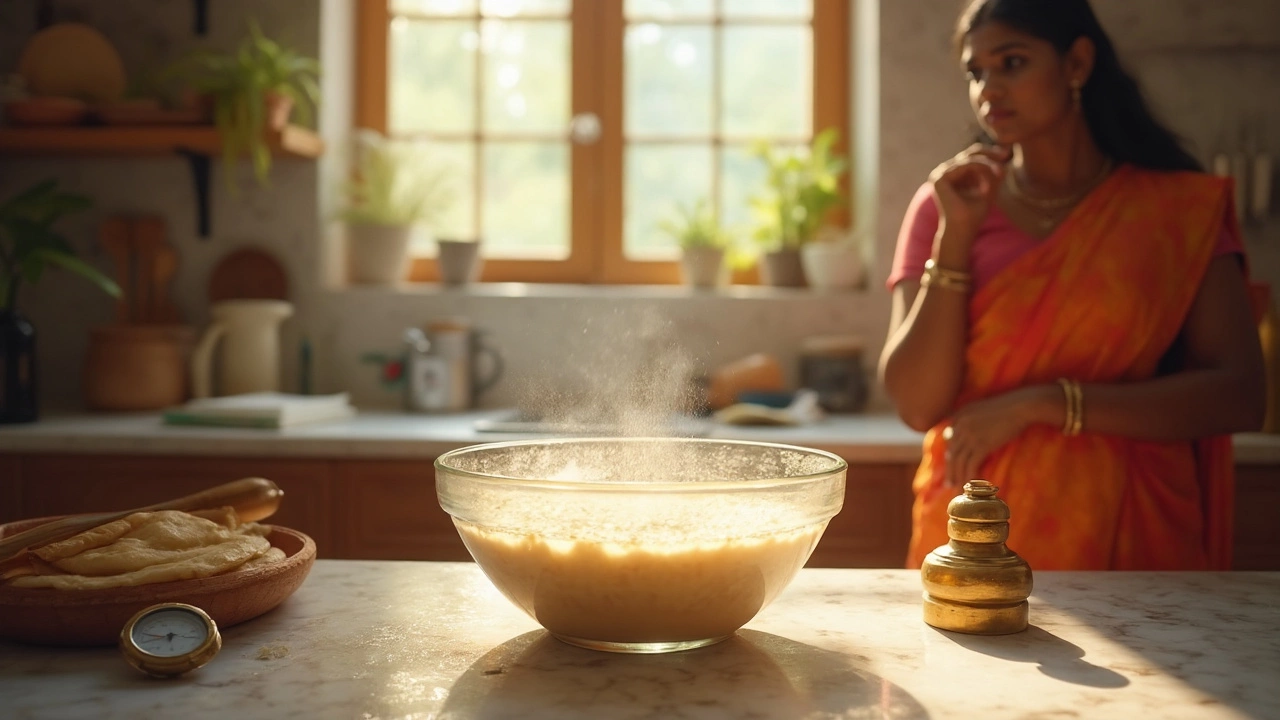
Dosa Batter: Why It Turns Sour and How to Prevent It
Ever wondered why dosa batter sometimes ends up too sour? This article breaks down the exact reasons behind sourness in dosa batter, driven by fermentation, temperature, and storage choices. You’ll pick up real tips for controlling batter flavor, extending its shelf life, and avoiding common mistakes. Get answers with concrete advice to keep your dosas tasting just right every time. Discover how to tweak your process for perfect results, every batch.
learn more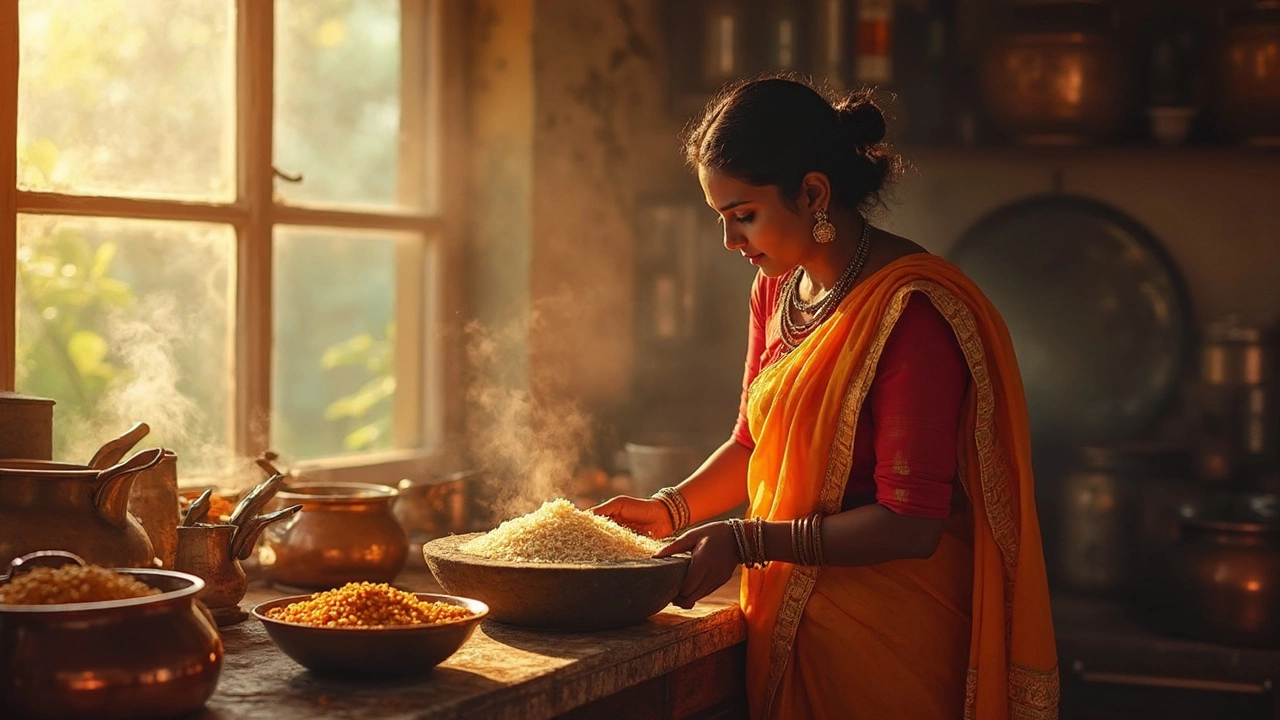
Why Is My Dosa Batter Not Fluffy? Common Mistakes and Easy Fixes
Wondering why your dosa batter doesn’t rise or feel light? This article breaks down the key reasons your dosa batter isn’t turning out fluffy. Get practical advice on soaking, grinding, and fermenting, plus lesser-known tips that make a real difference. Learn what separates a flat dosa from a perfect, airy one. Avoid frustration at breakfast and finally nail that crispy, golden dosa.
learn more
Banishing Bitterness in Dosa Batter: Simple Tips to Perfect Your Recipe
Struggling to make a perfect dosa because of bitter batter? Understanding why dosa batter becomes bitter is key to preventing this issue in your future cooking endeavors. By exploring tips like balancing fermentation times, choosing the right ingredients, and maintaining optimal storage, you can enjoy delicious, bitterness-free dosas.
learn more