Dosa Recipes: Perfect Batter, Crispy Texture, and Pro Tips
When you think of a classic South Indian breakfast, dosa, a thin, fermented rice and urad dal crepe that’s crispy on the outside and soft inside. Also known as dosai, it’s more than just a breakfast food—it’s a daily ritual in homes from Mysore to Mumbai, made with simple ingredients but demanding precise technique. The magic of a good dosa doesn’t come from fancy spices or expensive tools. It comes down to three things: the urad dal, a black lentil that gives dosa its fluffiness and binding power, the rice, the starchy base that provides structure and crispness, and how well the batter ferments. Get any of these wrong, and your dosa turns out soft, sticky, or bitter instead of golden and crackling.
Most people struggle because they treat dosa batter like any other dough. But it’s not. It’s a living culture. The fermentation, the natural process where bacteria and yeast break down starches and sugars to create gas and flavor is what turns thick paste into airy, crisp batter. Temperature matters—too cold and it won’t rise; too hot and it turns sour. Soaking time? That’s not optional. Urad dal needs at least 4–6 hours, rice 6–8. Skip it, and your batter won’t grind smooth, and your dosa won’t spread right. Even small changes—like adding a spoon of poha or a splash of curd—can shift the whole outcome. Some swear by baking soda to speed things up. Others avoid it completely. The truth? It depends on your climate, your rice, and how long you’re willing to wait.
You’ll find answers here for every dosa disaster. Why is your batter sour? How do you fix soft dosas without throwing it out? Can you use chickpeas instead of urad dal? What rice works best if you’re in the US? We’ve collected every real question from home cooks who’ve been there—batter that won’t ferment, dosas that stick, and that frustrating moment when you’ve waited 12 hours and still get a flat disc. This isn’t about theory. It’s about what actually works in your kitchen. Whether you’re trying to make dosa in 2 hours or want to stretch old batter safely, you’ll find step-by-step fixes, ingredient swaps, and the science behind why it works. No fluff. No myths. Just what to do next time you heat the griddle.
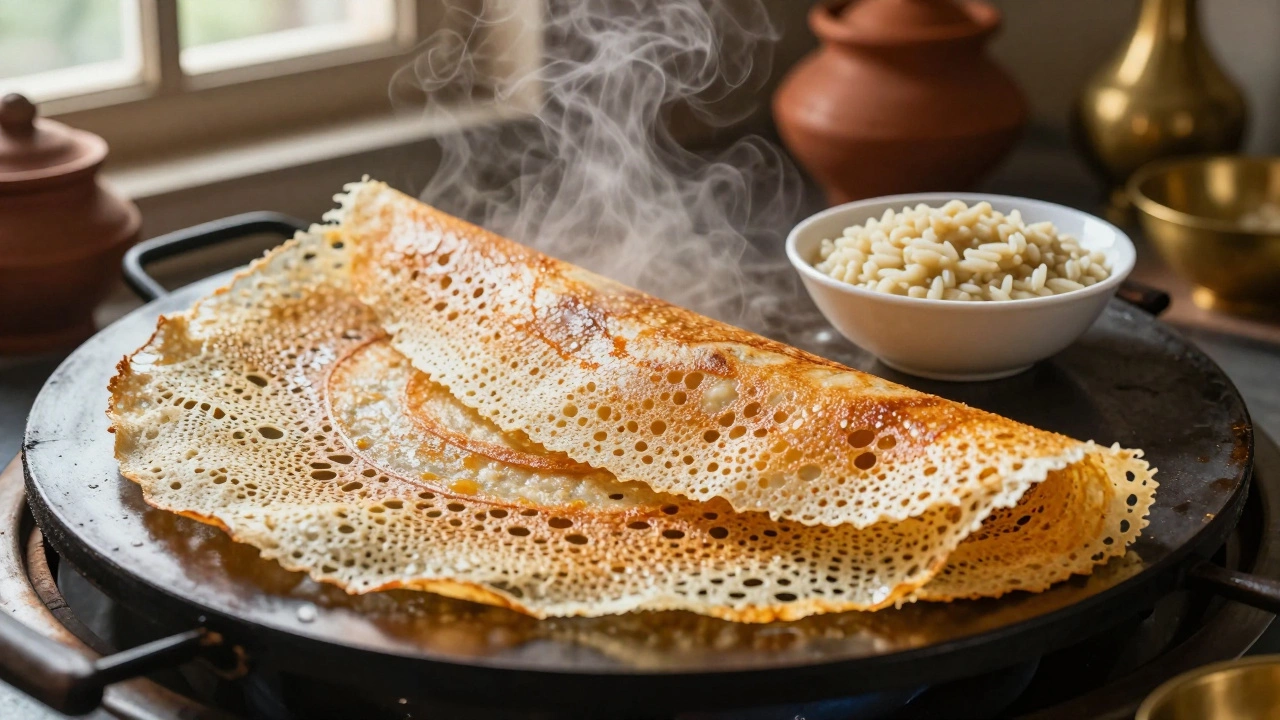
Why Do We Add Rice in Dosa Batter? The Science Behind the Perfect Crisp Dosa
Rice in dosa batter isn't just tradition-it's science. Learn why rice is essential for fermentation, crisp texture, and digestibility in authentic South Indian dosas.
learn more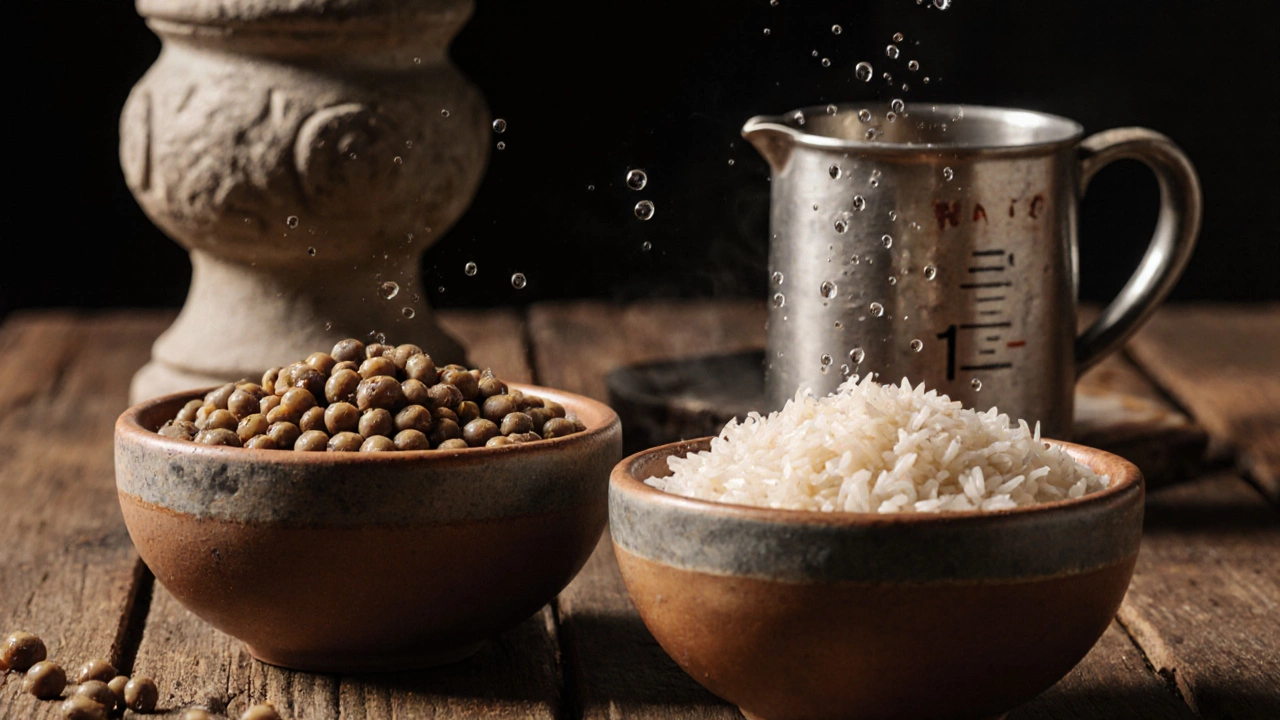
What Is the Ratio of Urad Dal to Rice for Perfect Dosa Batter?
The perfect dosa batter needs a 1:3 ratio of urad dal to rice. Learn why this ratio works, how to soak and ferment the batter, and how to avoid common mistakes for crispy, fluffy dosas every time.
learn more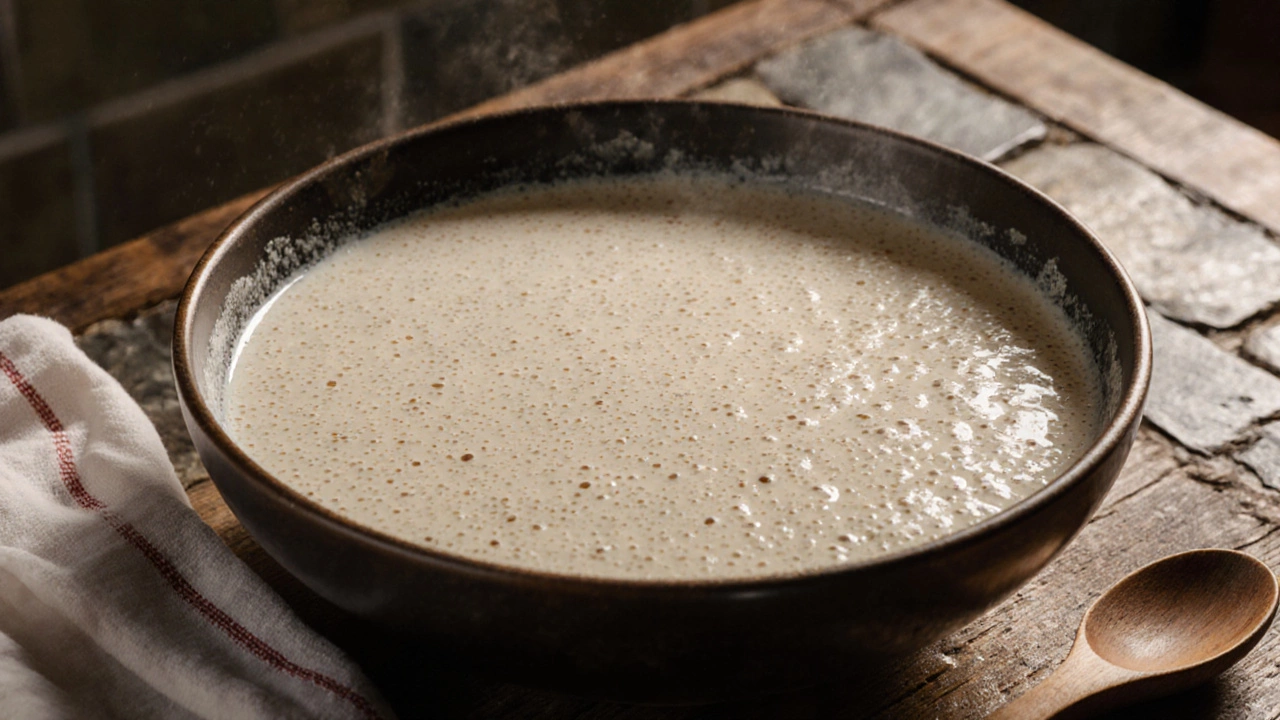
Why Is My Dosa Soft and Not Crispy? Fix Your Batter and Technique
Soft dosa instead of crispy? It’s usually due to under-fermented batter, wrong consistency, or a cold pan. Learn how to fix your dosa recipe with simple steps for perfect crispness every time.
learn more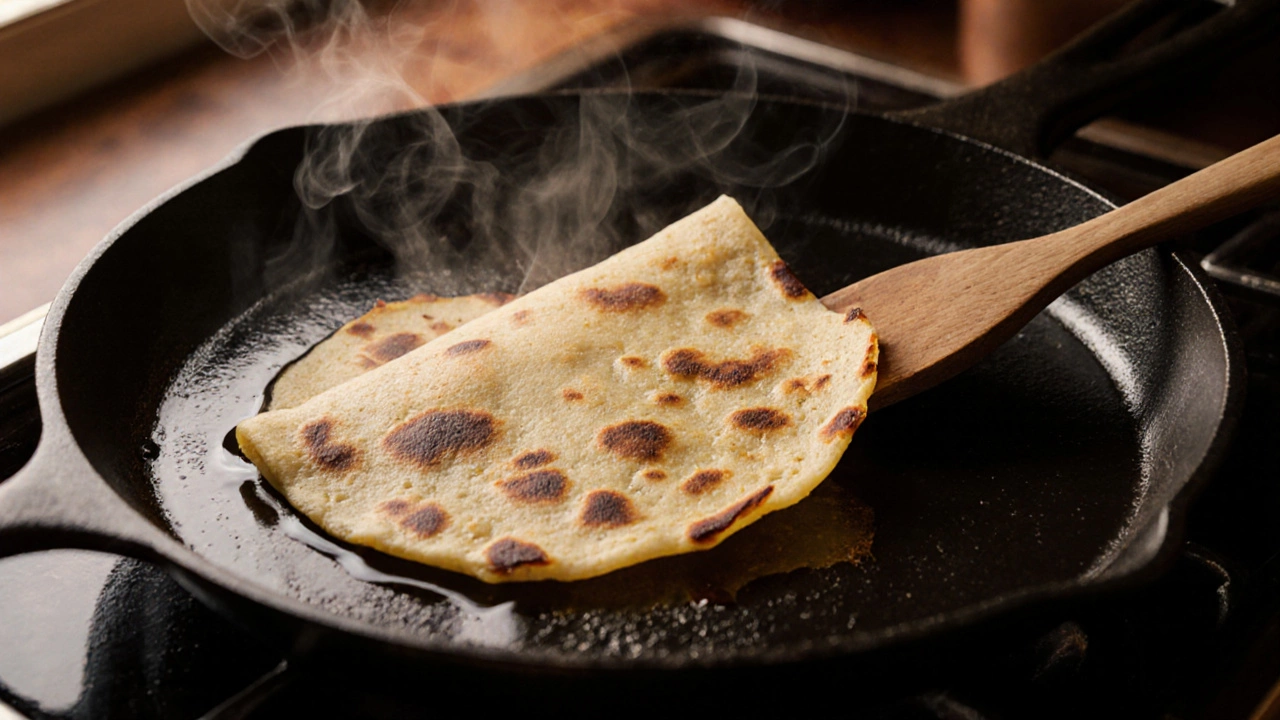
Why Your Dosa Isn’t Crispy and How to Fix It
Learn why your dosa turns soggy and get proven tips, equipment choices, and a step‑by‑step checklist to achieve perfectly crispy dosas every time.
learn more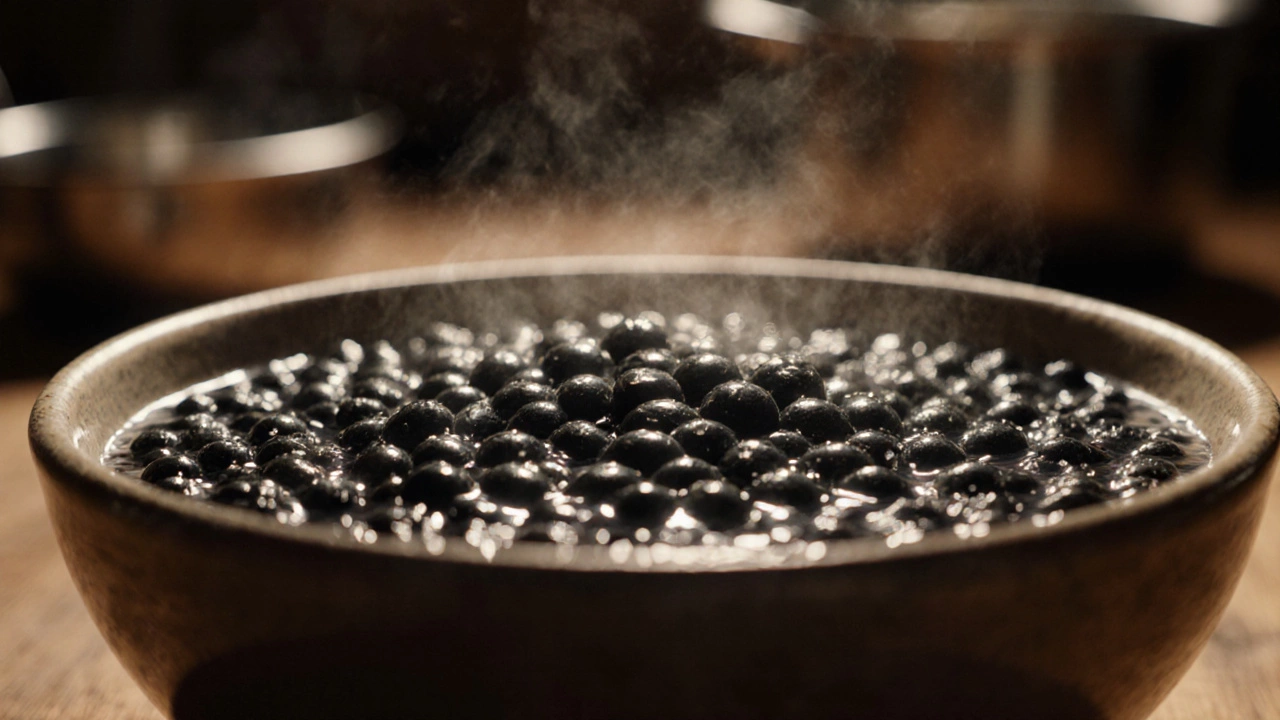
Best Urad Dal Substitutes for Perfect Dosa Batter
Discover the best urad dal substitutes for dosa batter, with detailed prep steps, fermentation tips, and a handy comparison table for chickpeas, soybeans, moong dal and more.
learn more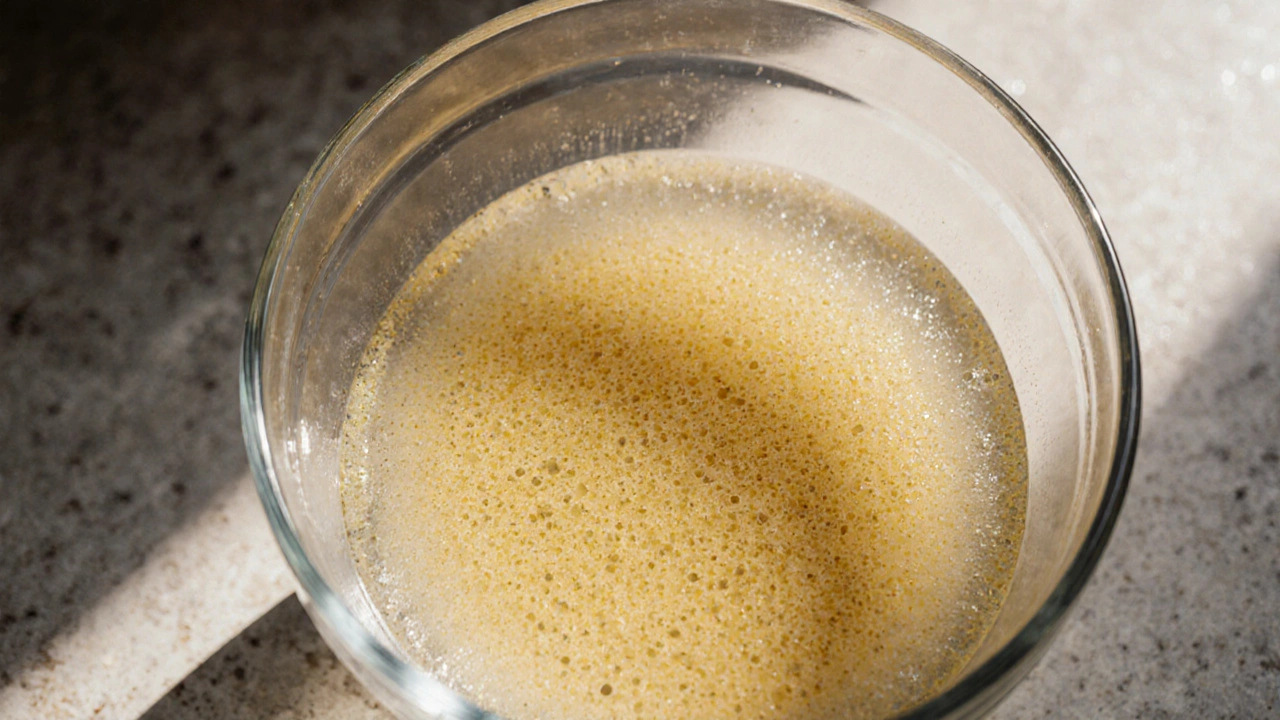
Why Add Poha to Dosa Batter? Benefits, Technique & Tips
Discover why poha is added to dosa batter, how it boosts fermentation, creates crisp texture, and learn a step‑by‑step method with tips and troubleshooting.
learn more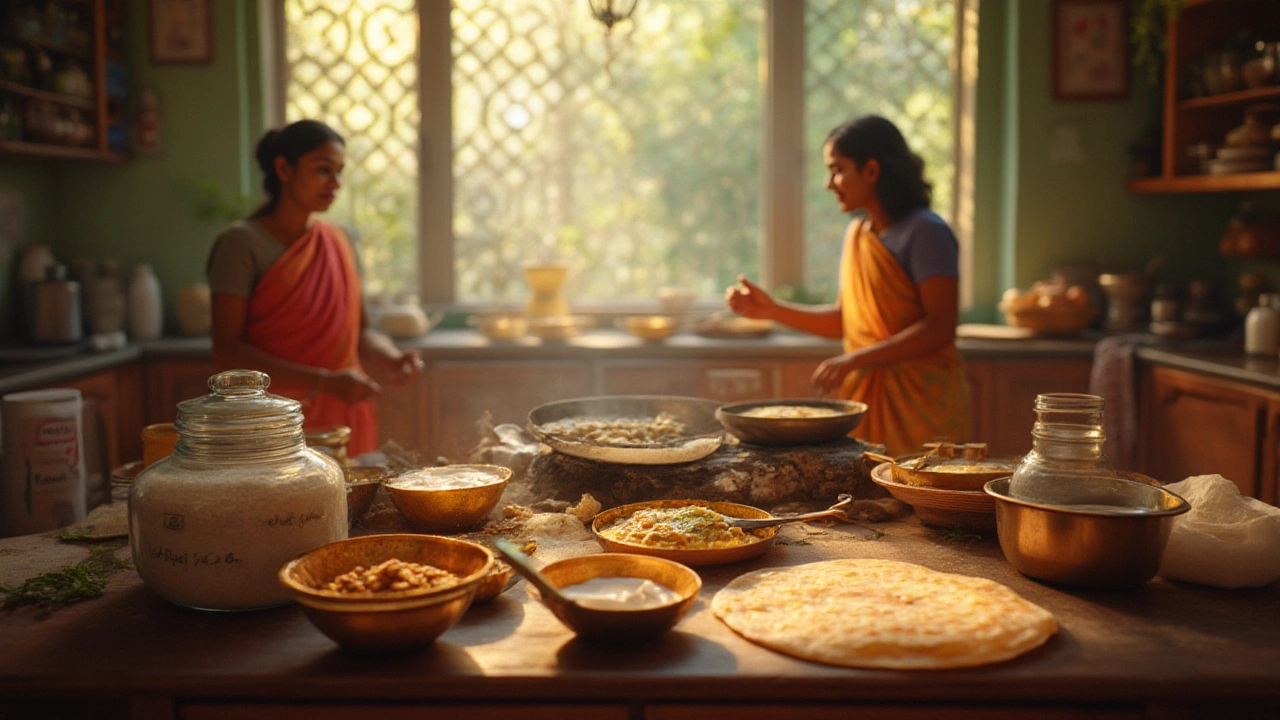
Baking Soda vs Yeast: The Truth About Perfectly Fermented Dosa Batter
Debating between baking soda and yeast for dosa batter? Learn the science, pros, cons, and expert tips to achieve fluffy, flavorful dosas every time.
learn more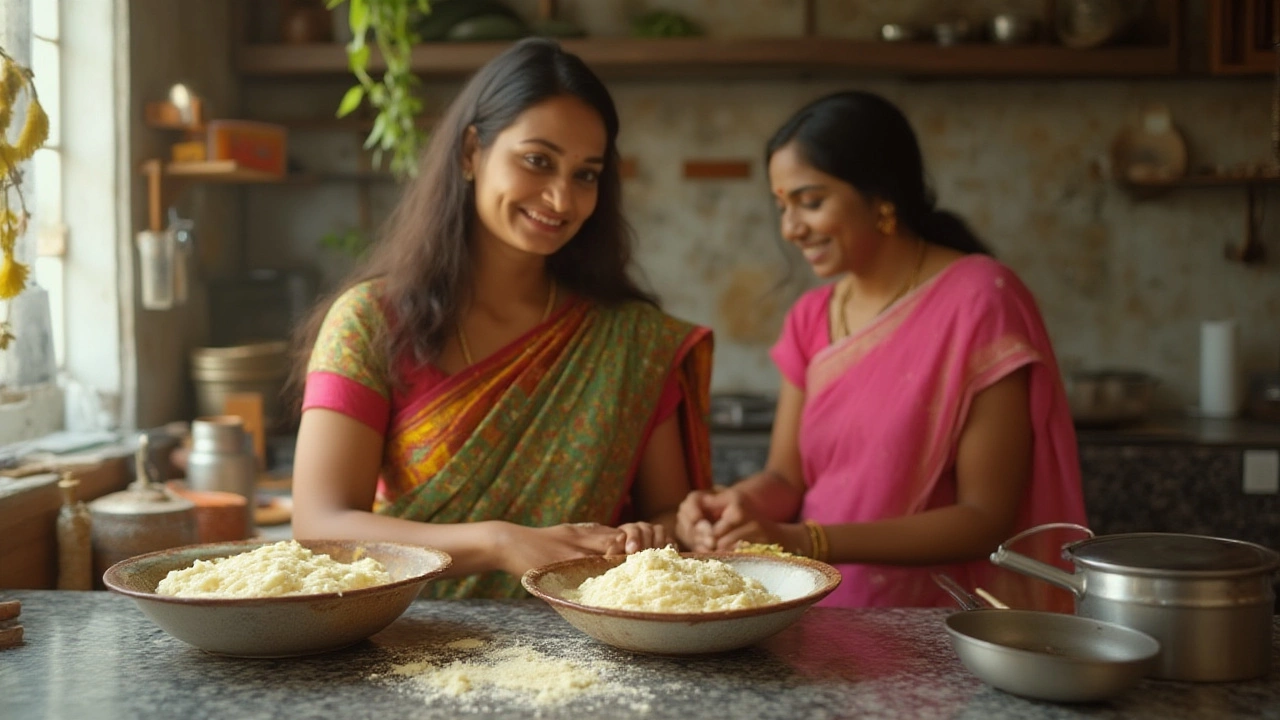
Why Is My Dosa Batter Not Fluffy? Proven Tips for Perfect Batter Every Time
Struggling with flat dosas? Discover why your dosa batter isn’t fluffy, learn step-by-step fixes, and get expert tips for consistently airy, crispy dosas at home.
learn more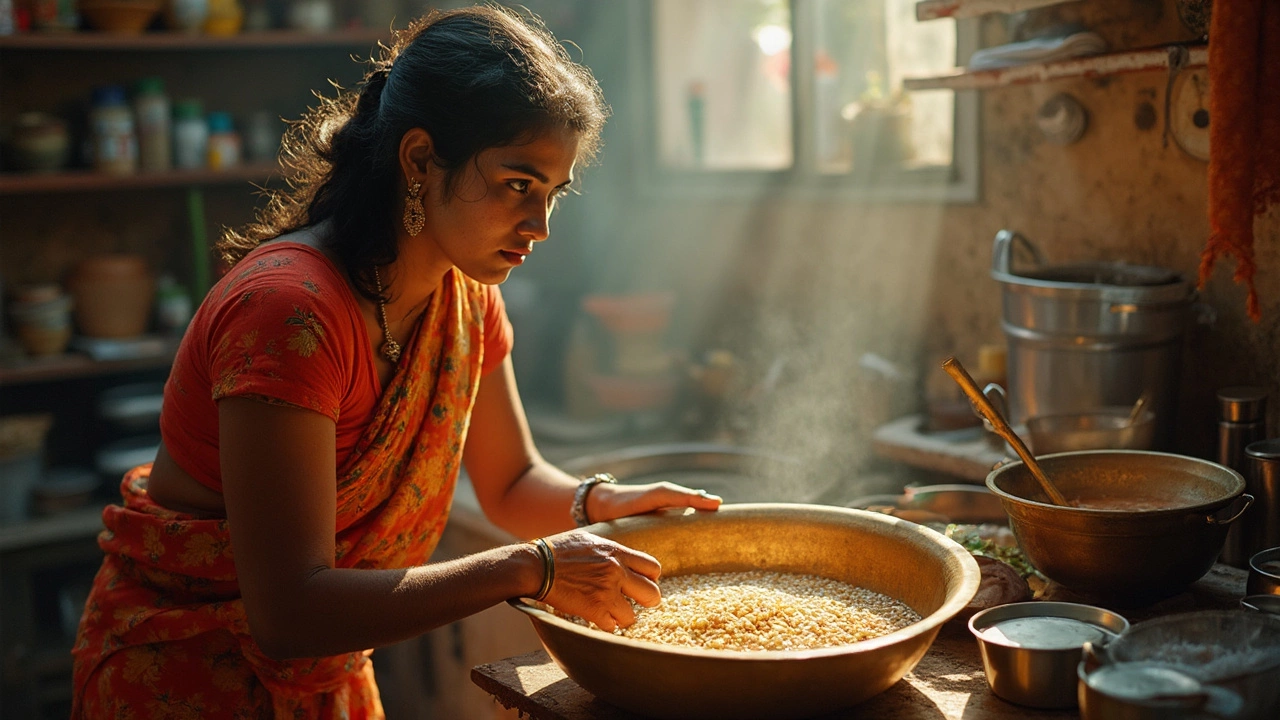
Can We Soak Urad Dal Overnight for Dosa?
Urad dal is the backbone of dosa batter, but soaking it right makes all the difference. Many wonder if soaking urad dal overnight is okay or if it's too much. This article clears up exactly how long to soak, what happens if you overdo it, and shares some useful tricks to get that soft, fluffy dosa batter. There's plenty of practical info to help you avoid soggy missteps, even if you're a beginner. Expect some simple science behind it all, too.
learn more
Baking Soda Alternatives for Dosa Batter: What Works Best?
Forgot baking soda in your dosa batter? No stress. This article covers effective, easy-to-find substitutes you can use to make soft dosas without it. From common kitchen ingredients to age-old tricks, you'll discover what works, what doesn't, and why. You'll even pick up handy tips to get perfect results every time. No baking soda, no problem—you'll still enjoy those fluffy dosas.
learn more
Can Dosa Batter Ferment in 2 Hours? The Real Deal About Quick Fermentation
Can dosa batter really ferment in just two hours? This article breaks down what happens during fermentation, what actually works, and shares amazing hacks to speed up the process if you're after dosa in a hurry. We'll also point out what to expect from rapid-fermented batter and how to tweak your methods for the next time. Clear, direct tips—no kitchen myths, just results.
learn more
Why Do We Sleep After Eating Dosa? Simple Science Behind the Post-Meal Nap
Ever wondered why you feel sleepy after a plate of dosa? This article breaks down the science behind that post-dosa drowsiness. It covers what happens inside your body during digestion, how dosa ingredients play a role, and shares tips to avoid food comas without missing out on your favorite meal. You'll also find practical advice for making your meals lighter and managing your energy levels. It's all here, explained in everyday language.
learn more