Indian Chutney: Authentic Recipes, Uses, and Traditional Pairings
When you think of Indian chutney, a spicy, tangy, or sweet condiment made from fresh ingredients like coconut, tamarind, or mint, often served with dosa, idli, or samosa. Also known as chutney, it’s not just a side—it’s the soul of the meal. You won’t find a South Indian breakfast plate without it. Whether it’s the creamy green of coconut chutney clinging to a crispy dosa or the deep red of tamarind chutney drizzled over a hot samosa, this condiment turns simple food into something unforgettable.
Indian chutney isn’t one thing—it’s many. Coconut chutney, a smooth blend of fresh coconut, green chilies, and roasted urad dal, often served with idli and vada is the most common in Karnataka and Tamil Nadu. Then there’s tamarind chutney, a sweet-and-sour paste made with tamarind pulp, jaggery, and spices, used in chaat and as a dip for snacks. Mint chutney, with its bright herbal kick, is a staple in North Indian street food but has found its way into Mysore kitchens too. Each one uses local ingredients, simple tools, and time-tested techniques passed down through generations.
What makes these chutneys work isn’t just the recipe—it’s the balance. Too much sugar and it’s candy. Too much vinegar and it’s harsh. The best ones use natural sourness from tamarind or yogurt, heat from fresh chilies, and depth from roasted spices. You don’t need fancy gadgets. A stone grinder, a mortar and pestle, or even a blender will do. The key is freshness. Store-bought versions can’t match the punch of a chutney made that morning.
People don’t just eat chutney—they pair it. It cuts through the richness of fried snacks, wakes up bland rice, and adds layers to plain yogurt. In Mysore, it’s common to see a small bowl of coconut chutney beside a plate of masala dosa, while tamarind chutney sits next to a plate of vada. It’s not an afterthought—it’s essential.
You’ll find chutney in almost every recipe here—from dosa batter tips to biryani flavor secrets. Why? Because flavor starts with balance, and chutney is the tool that brings it together. Whether you’re fixing a soft dosa, trying to understand why lemon goes in biryani, or learning how to make paneer without lemon, chutney is always in the background, quietly making everything better.
Below, you’ll find real recipes, common mistakes, and the simple tricks that make Indian chutney taste like it came from a kitchen in Mysore—not a jar on a supermarket shelf. No fluff. Just what works.
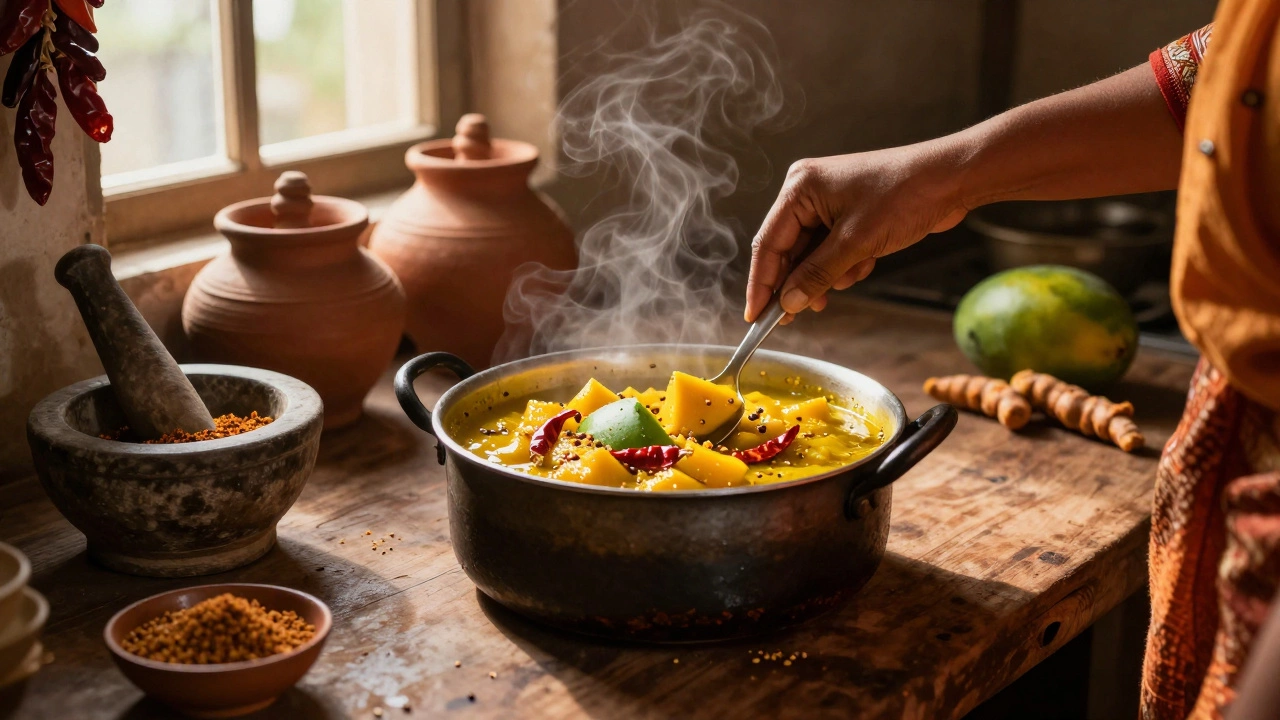
What Is the Difference Between Mango Chutney and Major Grey's Chutney?
Mango chutney and Major Grey's chutney both use mangoes, but one is a spicy, chunky Indian condiment while the other is a smooth, sweet British preserve. Learn how they differ in ingredients, texture, and use.
learn more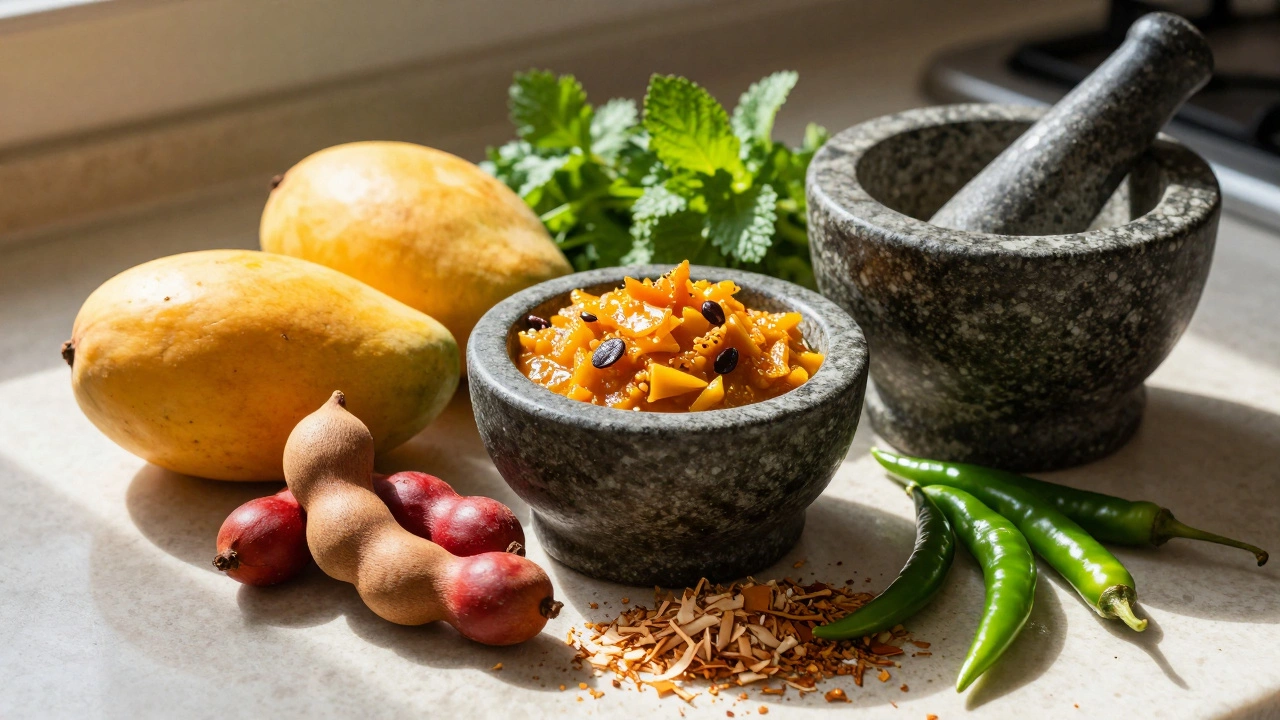
What Does Chutney Taste Like? A Real Guide to Flavor Profiles
Chutney isn't just spicy or sweet - it's a balance of sour, salty, and fresh flavors that transform meals. Learn what different types taste like and how to use them.
learn more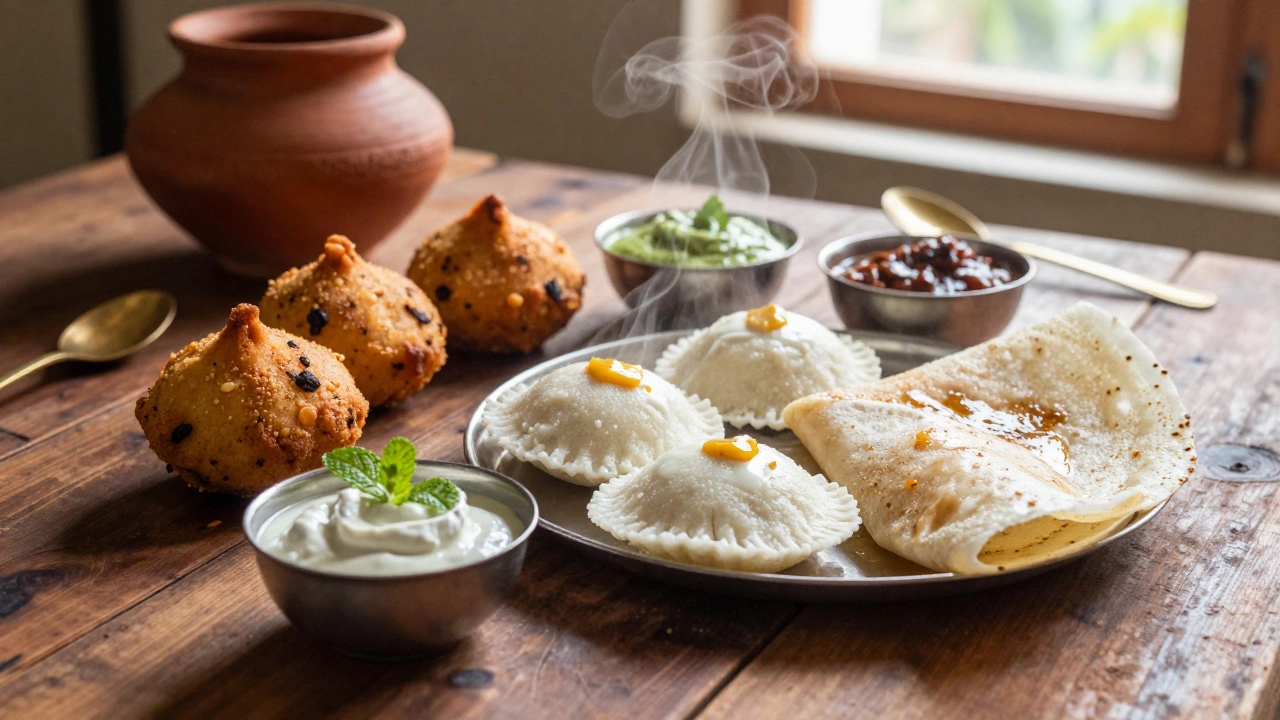
What Do You Eat Chutney On? 15 Best Ways to Use Chutney in Everyday Meals
Discover 15 unexpected ways to use chutney-from toast and pasta to grilled meats and desserts. Learn how to pair chutney with everyday foods and avoid common mistakes.
learn more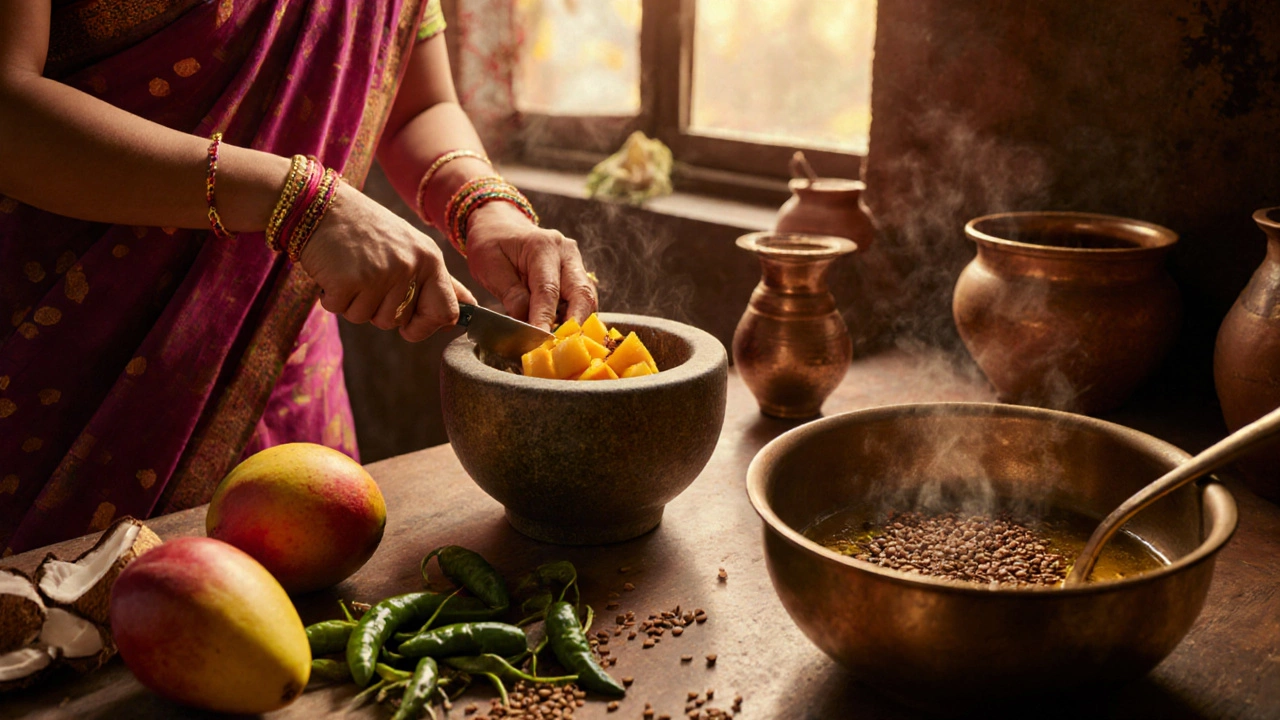
Is Salsa a Chutney? The Real Difference Between Two Popular Condiments
Salsa and chutney look similar but come from different culinary worlds. Learn why they're not interchangeable and what makes each one unique in flavor, ingredients, and tradition.
learn more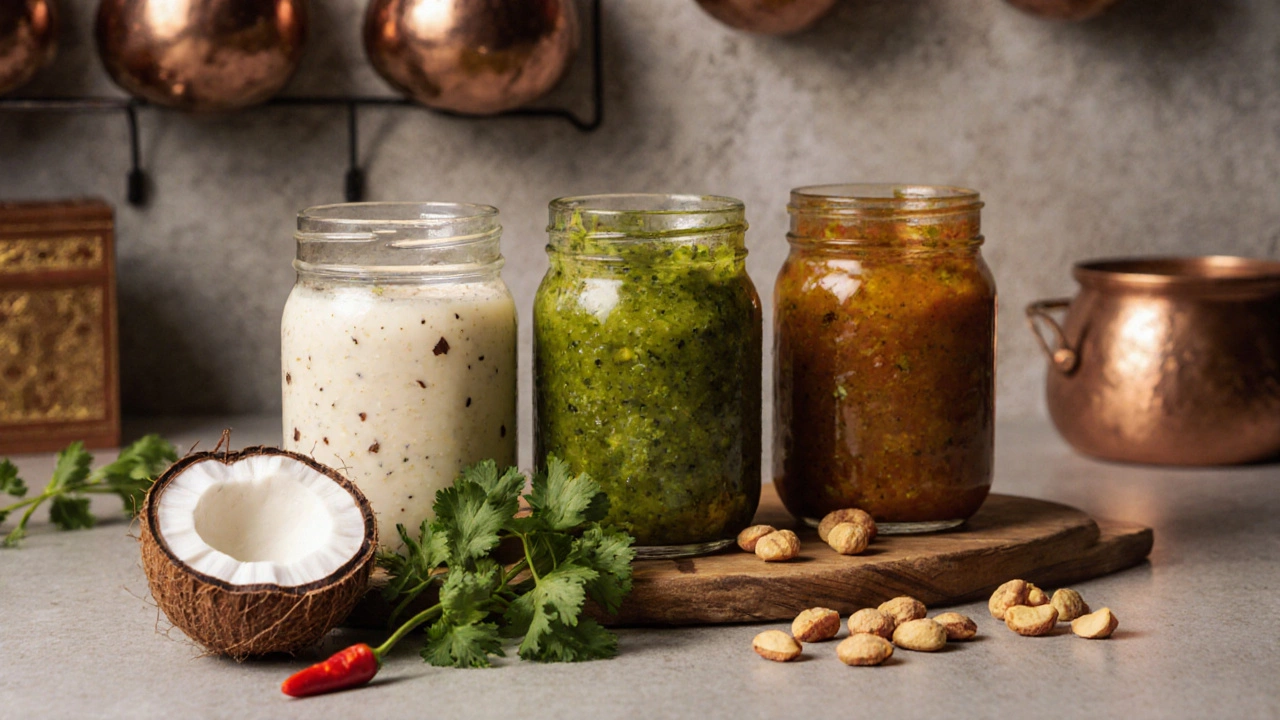
What Foods Do Indians Pair with Chutney? A Complete Guide
Explore the Indian dishes that are traditionally enjoyed with chutney, from South Indian dosas to North Indian samosas, and learn how to serve and pair chutneys at home.
learn more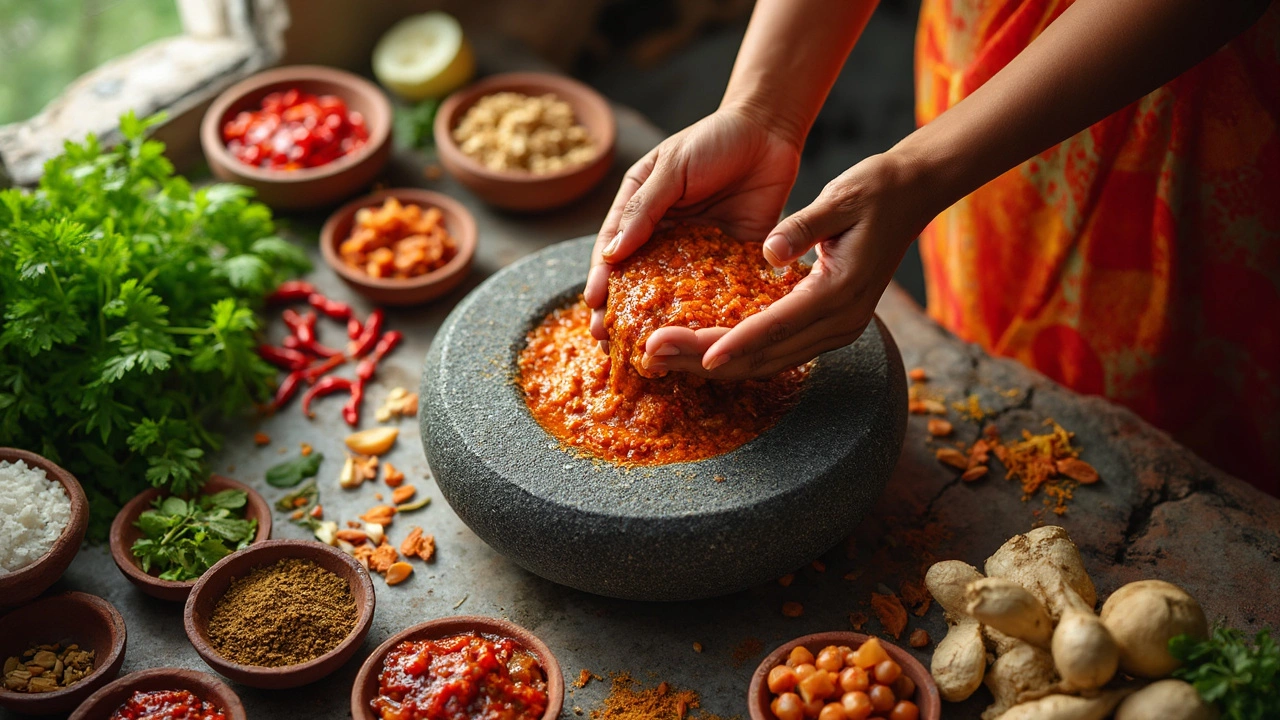
Traditional Chutney: What It's Made Of and How to Make It Right
Ever wondered what's actually in traditional chutney? This article breaks down its core ingredients, how different variations pop up region by region, and the tricks that give chutney its punch. You’ll learn what goes into a basic chutney, what ingredients to skip or substitute, and simple hacks to boost flavor. From tangy tamarind to the right amount of chili, find out which combos make chutney classic. If you love experimenting in the kitchen or just need to know what’s in your jar, this one’s for you.
learn more