Chutney Pairing Calculator
Chutney isn’t just a side dish. It’s the flavor bomb that turns a plain plate into something unforgettable. But if you’ve been putting it only on dosas or samosas, you’re missing out. Chutney can elevate everything from toast to grilled cheese, from roasted veggies to plain rice. The question isn’t what do you eat chutney on? It’s what can’t you eat it on.
Start With the Basics: Chutney and Indian Staples
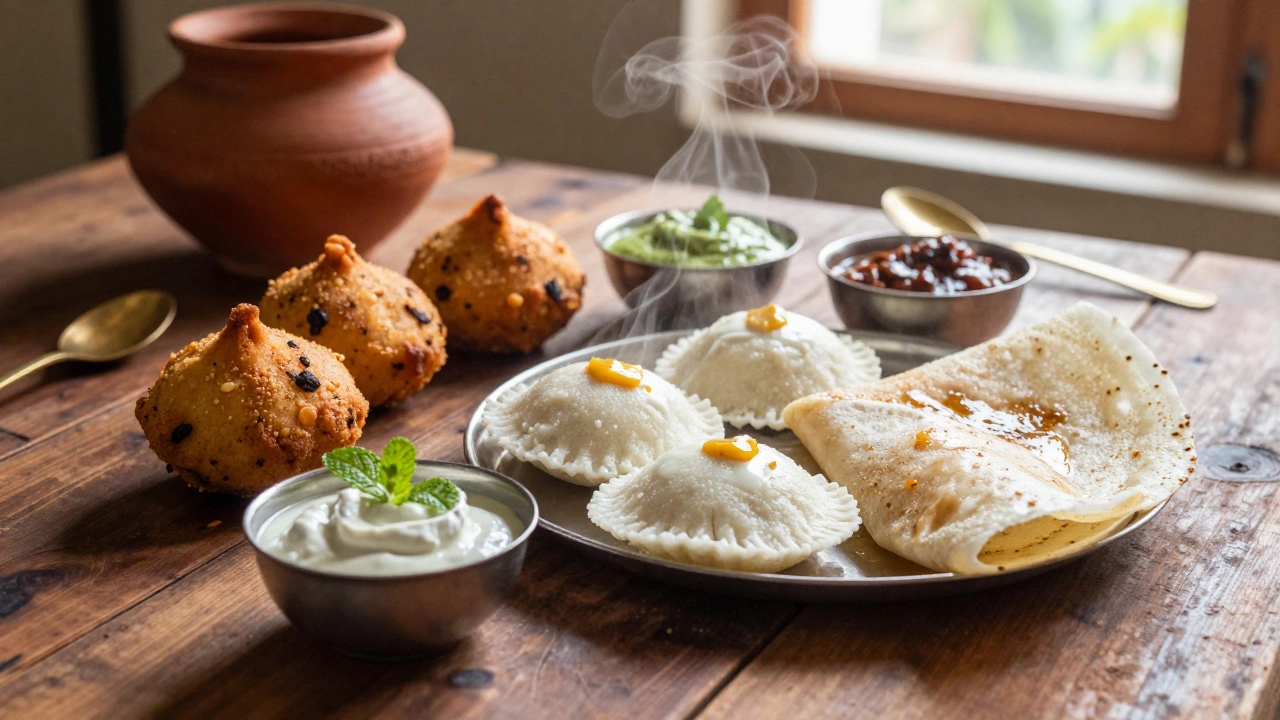
In Indian homes, chutney isn’t an afterthought-it’s built into the meal. Coconut chutney with idlis? That’s a morning ritual. Mint-cilantro chutney on chaat? Non-negotiable. Tamarind chutney on pakoras? That’s how you get the perfect sweet-sour crunch.
But here’s the truth: these pairings aren’t just tradition. They work because of balance. The creaminess of idli or the crispness of vada needs the tang, heat, or sweetness of chutney to pop. A plain dosa is just flatbread. Add a smear of spicy coriander chutney, and suddenly it’s alive.
Don’t limit yourself to just one type. Try mango chutney with plain steamed rice. It’s like adding a fruity, sticky glaze. Or spoon a dollop of roasted red chili chutney over dal. The heat cuts through the earthiness and wakes up the whole dish.
Chutney on Toast? Yes, Really.
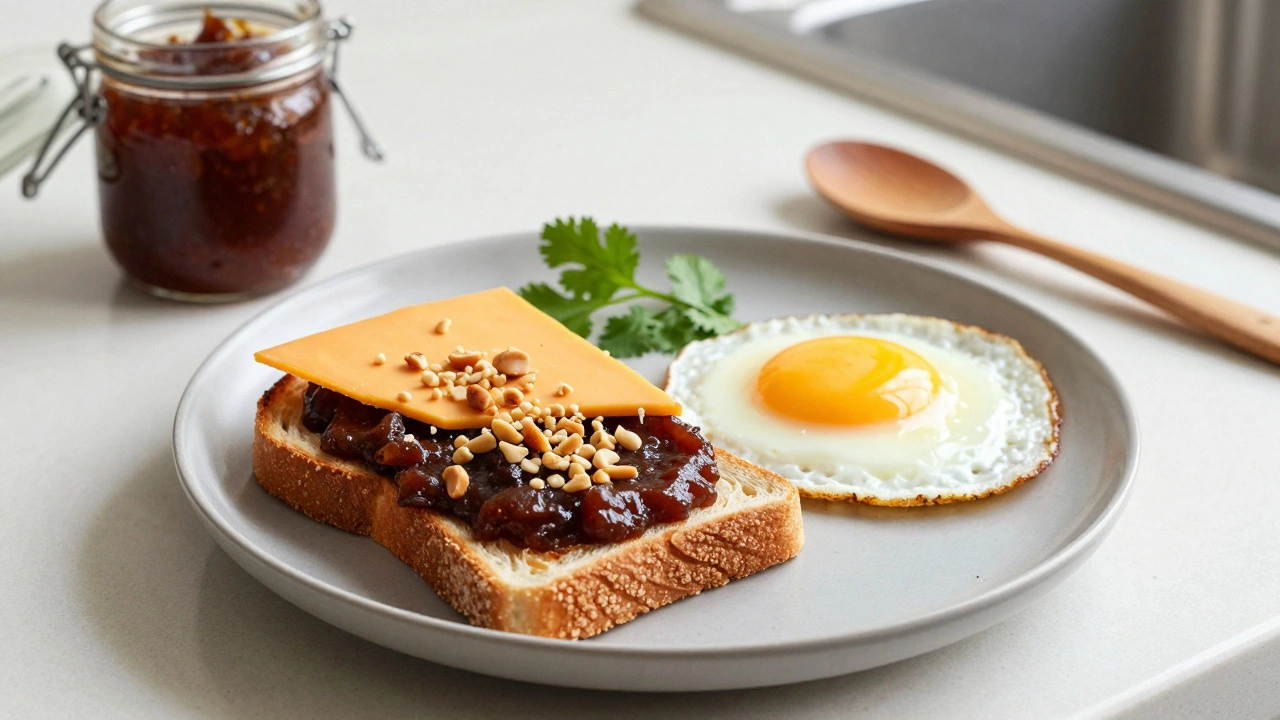
Think chutney only works with Indian food? Try this: toast a slice of sourdough, spread a thick layer of tamarind-date chutney, and top it with a sprinkle of crushed roasted peanuts. Add a slice of sharp cheddar if you want. It’s sweet, tangy, crunchy, and salty-all in one bite.
Coconut chutney on whole grain toast? It’s creamy, slightly nutty, and pairs surprisingly well with a fried egg. Mint chutney on rye? That’s a sandwich upgrade waiting to happen. You don’t need samosas to enjoy chutney. Just bread, butter, and a spoonful of flavor.
Upgrade Your Sandwiches and Wraps
Most sandwiches use mayo, mustard, or hummus. Chutney does all three better. Replace the spread with a spoonful of mint-cilantro chutney in a grilled cheese. The herbs brighten the cheese, and the spice cuts the fat.
For chicken or tofu wraps, use tamarind chutney as the base. It sticks better than mayo, adds depth, and doesn’t make the wrap soggy. Add sliced cucumber, shredded carrots, and a handful of fresh spinach. Wrap it tight, slice it in half, and you’ve got a lunch that tastes like it came from a street cart in Mumbai.
Even turkey sandwiches benefit. Try a thin layer of ginger-chili chutney under the turkey. It adds a zing that cranberry sauce can’t match.
Chutney as a Glaze for Grilled Meats and Veggies
Grill chicken thighs? Brush them with mango chutney in the last 5 minutes. The sugar caramelizes, the vinegar tenderizes, and you get a sticky, glossy finish that’s way more interesting than BBQ sauce.
Roasted sweet potatoes? Drizzle them with coconut chutney after they come out of the oven. The warmth releases the coconut’s aroma, and the slight heat from green chilies balances the sweetness.
Even grilled halloumi gets better with chutney. Skip the lemon. Put a spoonful of mint chutney on top. The saltiness of the cheese and the freshness of the chutney are a match made in grill heaven.
Use Chutney in Bowls and Grain Salads
Quinoa, brown rice, or farro bowls feel boring without flavor. Stir a tablespoon of chutney into the grain while it’s still warm. Let it melt in. Then top with roasted chickpeas, chopped tomatoes, and a sprinkle of cilantro.
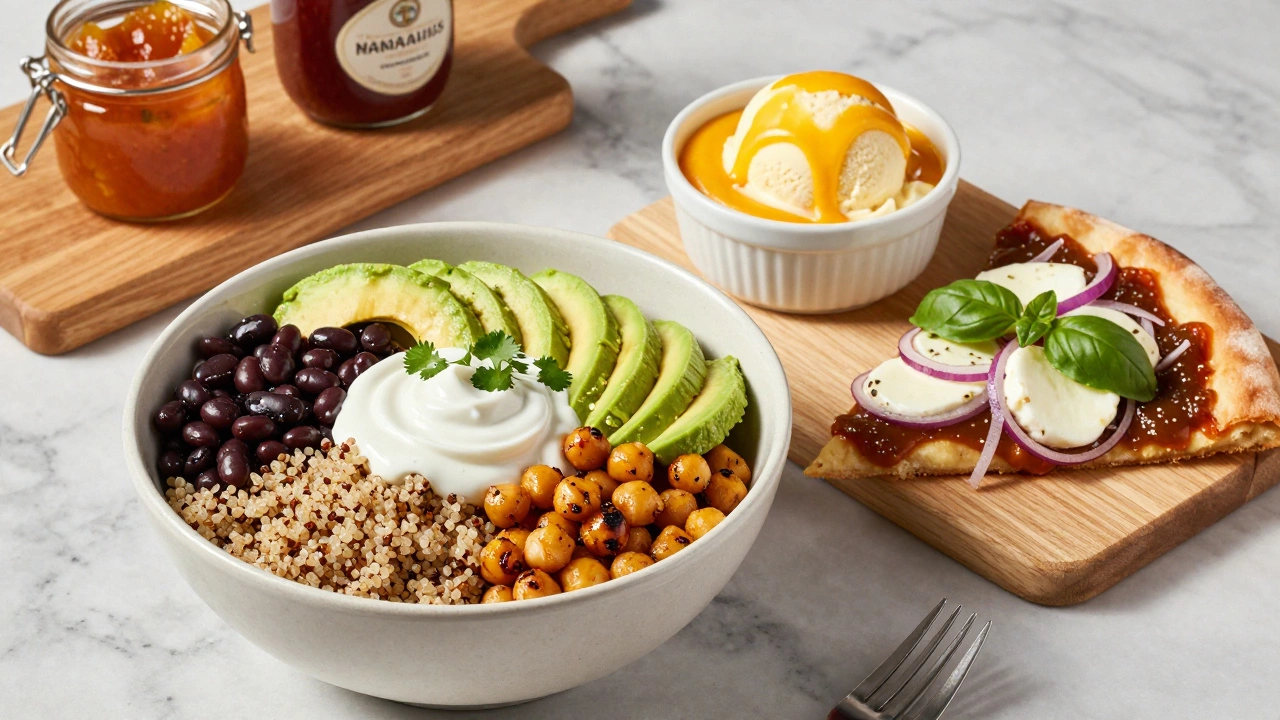
Coconut chutney works great in a grain bowl with black beans and avocado. Tamarind chutney adds punch to a lentil salad with red onion and parsley. Even plain couscous becomes interesting with a swirl of ginger chutney.
It’s not just dressing-it’s flavor infrastructure. You’re not adding a sauce. You’re building a taste foundation.
Chutney in Breakfast Dishes
Breakfast doesn’t have to be pancakes and syrup. Try scrambled eggs with a dollop of spicy tomato chutney. The acidity cuts the richness of the eggs, and the heat wakes you up.
Plain yogurt? Mix in a spoonful of mint chutney. Add a pinch of cumin and some diced cucumber. You’ve got a cooling, spicy raita that’s better than store-bought.
Even oatmeal can use it. Stir in a teaspoon of sweet mango chutney while it’s cooking. Add a splash of almond milk and a few chopped almonds. It’s sweet, tangy, and warm-like breakfast with an Indian twist.
Chutney as a Dip for Snacks
Chips? Yes. But not just any chips. Try it with kettle-cooked potato chips, pita chips, or even baked tortilla chips. The crunch and the tang make a perfect combo.
Try it with roasted nuts. Toss almonds or cashews with a little tamarind chutney, roast them for 10 minutes, and let them cool. They become spicy-sweet snack bites you can’t stop eating.
Even plain crackers get a boost. A thin spread of coconut chutney on a water cracker with a slice of pear? That’s a gourmet moment you didn’t know you needed.
Chutney in Pasta and Pizza
Here’s the wild card: chutney on pizza. Spread a thin layer of tamarind chutney instead of tomato sauce. Top with mozzarella, red onions, and fresh basil. Bake until bubbly. It’s sweet, sour, and savory-all in one slice.
For pasta, skip the marinara. Toss cooked penne with a spoonful of cilantro-mint chutney, a splash of olive oil, and some toasted pine nuts. Add grilled shrimp or chickpeas. You’ve got a cold pasta salad that tastes like summer in India.
Chutney in Soups and Stews
Stir a tablespoon of chutney into lentil soup at the end. It adds brightness without needing lemon juice. Tomato chutney in a vegetable stew? It deepens the flavor and adds natural sweetness.
Even plain chicken noodle soup improves with a swirl of ginger-chili chutney. The heat lifts the whole bowl. It’s not replacing the broth-it’s enhancing it.
Chutney in Desserts
Yes, chutney can be dessert. Mango chutney on vanilla ice cream? Classic in India. Coconut chutney with plain yogurt and a drizzle of honey? It’s a dessert that feels light but satisfying.
Try it on pancakes. Swap syrup for a spoonful of sweet tamarind chutney. Add a sprinkle of crushed pistachios. It’s exotic, not overly sweet, and surprisingly balanced.
How to Store and Keep Chutney Fresh
Homemade chutney lasts 2-3 weeks in the fridge if stored in a clean, airtight jar. Always use a dry spoon-moisture invites mold. For longer storage, freeze in ice cube trays. Once frozen, pop them into a bag. You’ll have single servings ready to thaw when you need a flavor boost.
Oil-based chutneys (like coconut or peanut) separate over time. Just stir before using. Vinegar-based ones (like tamarind) keep longer and get more flavorful as they age.
What Chutney to Use for What
Not all chutneys are the same. Match the flavor to the food:
- Mint-cilantro chutney: Best on grilled meats, sandwiches, wraps, and yogurt.
- Tamarind-date chutney: Great on snacks, pizza, rice bowls, and desserts.
- Coconut chutney: Perfect with rice, toast, roasted veggies, and seafood.
- Mango chutney: Use on chicken, ice cream, cheese, and oatmeal.
- Ginger-chili chutney: Adds heat to soups, eggs, and stir-fries.
Common Mistakes to Avoid
Don’t use chutney as a dip by itself. It’s too strong. Always mix it with something-yogurt, mayo, or even water-to tone it down if needed.
Don’t heat it too long. Chutney loses its fresh flavor if boiled. Add it at the end of cooking, not the beginning.
Don’t assume sweet chutney only goes with savory. It’s the contrast that works. Sweet and salty, sour and creamy-that’s the magic.
Final Tip: Taste, Then Taste Again
Chutney is flexible. The best way to learn what it pairs with? Try it. Put a spoonful on something plain. A boiled egg. A slice of cheese. A spoon of plain rice. Taste it. Then taste it again. You’ll start to notice how it changes the whole experience.
You don’t need a recipe to use chutney. You just need curiosity. And maybe a jar of mint chutney in your fridge.
Can I use chutney instead of salsa?
Yes, and often better. Chutney has more depth than salsa-it’s usually sweeter, spicier, and more complex. Mint-cilantro chutney works as a salsa for tacos, and tamarind chutney can replace pico de gallo on grilled fish. The texture is thicker, so it clings better to food.
Is chutney healthy?
Most homemade chutneys are healthy. They’re made with fresh herbs, spices, fruits, and minimal oil. They’re low in calories and high in antioxidants from ingredients like ginger, garlic, and chili. Store-bought versions can have added sugar or preservatives, so check labels. Homemade is always better.
How do I make chutney last longer?
Store it in a clean, dry glass jar with a tight lid. Keep it refrigerated. Always use a clean spoon-never dip a used spoon back in. For long-term storage, freeze it in ice cube trays. Once frozen, transfer the cubes to a freezer bag. They’ll last up to 6 months.
Can I use chutney in baking?
Yes, but carefully. Sweet chutneys like mango or date can replace jam in scones or muffins. Use half the amount you’d use for jam-they’re more concentrated. Avoid spicy chutneys in sweet baked goods unless you want a surprise heat.
What’s the difference between chutney and relish?
Relish is usually chunkier and made from pickled vegetables like cucumbers or corn. Chutney is smoother, often includes fruit, and is cooked with sugar, vinegar, and spices. Chutney is more aromatic and complex, while relish is sharper and more acidic. They’re cousins, but not the same.