Indian Sweets: Types, Storage, and How They’re Made
When you think of Indian sweets, a wide range of traditional desserts made with milk, sugar, nuts, and spices, often tied to festivals and family gatherings. Also known as mithai, they’re not just treats—they’re a language of love in Indian homes. From the sticky, cardamom-scented gulab jamun to the crisp, layered barfi, these desserts are made with patience, tradition, and a deep understanding of texture and timing. Unlike Western cakes or cookies, most Indian sweets rely on reduced milk, sugar syrup, or lentil flours—not flour and butter—to build their signature richness.
What makes Indian sweets, a wide range of traditional desserts made with milk, sugar, nuts, and spices, often tied to festivals and family gatherings. Also known as mithai, they’re not just treats—they’re a language of love in Indian homes. so different isn’t just the ingredients—it’s how they’re stored and when they’re eaten. Many, like kheer, a creamy rice pudding made with milk, sugar, and cardamom, often served warm during celebrations, are best eaten fresh. Others, like laddoo, round sweets made from gram flour, coconut, or semolina, held together with sugar syrup or ghee, can last weeks if kept dry and cool. The key? Moisture control. Too much humidity, and even the hardest barfi turns sticky. Too much heat, and ghee-based sweets melt into a mess. That’s why so many families keep them in airtight tins, away from the kitchen steam.
There’s also a science behind why some sweets last longer than others. dry sweets, desserts with low moisture content like ladoo, barfi, and chikki, which can be stored at room temperature for weeks survive better than wet ones like rasgulla, soft cheese balls soaked in sugar syrup, best eaten within days. You can’t store them the same way. And if you’ve ever bitten into a sweet that tasted off—not just stale, but sour or weirdly fermented—that’s not just old sugar. It’s spoilage. Milk-based sweets are prone to bacterial growth if left out too long, especially in warm climates. That’s why knowing the shelf life isn’t just about taste—it’s about safety.
People don’t just eat Indian sweets on Diwali or weddings. They’re part of daily rituals—offered to guests, given as gifts, or served after a meal to close it on a sweet note. The best ones are made in small batches, with care, not machines. And while modern versions use condensed milk or preservatives, the classics still rely on slow cooking, hand-rolling, and natural ingredients. Whether you’re making them at home or buying them from a local shop, understanding how they’re built and how they behave tells you more than just how to eat them—it tells you why they matter.
Below, you’ll find real, tested advice on how to store them safely, how to tell if they’ve gone bad, and what makes each type unique. No guesswork. No fluff. Just what works.
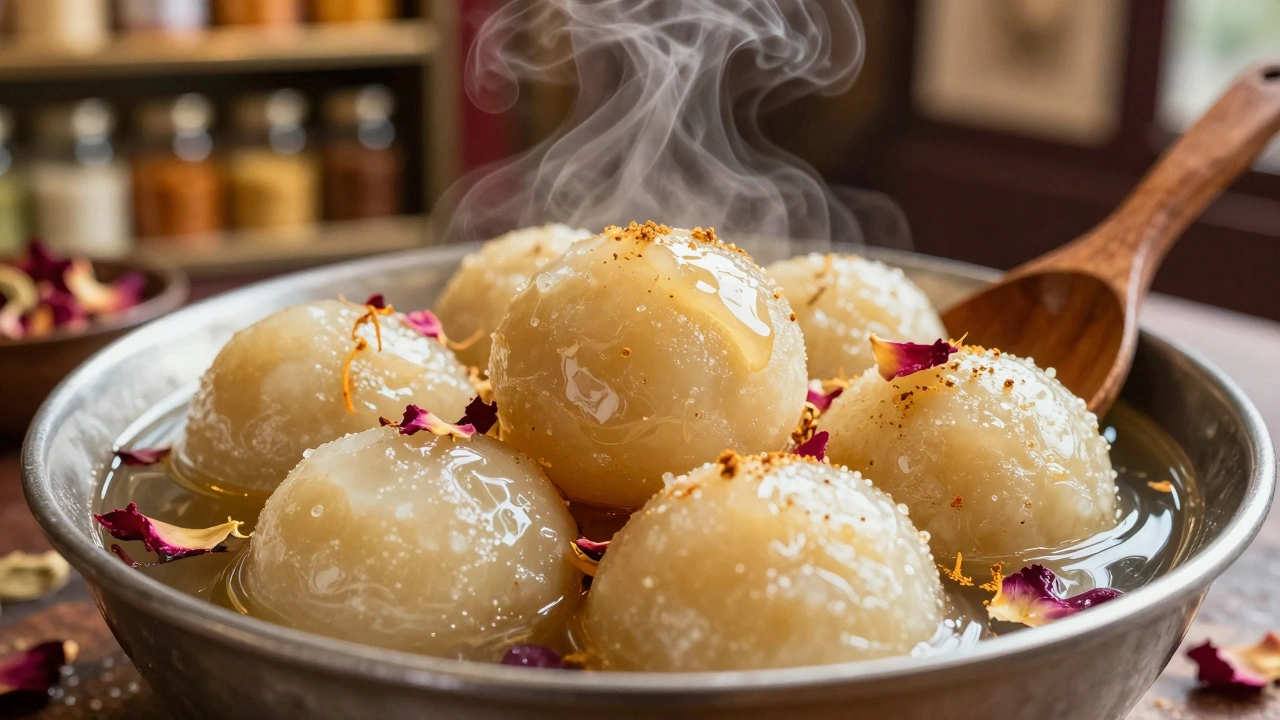
What Is the Queen of Sweets in India? The Iconic Dessert Everyone Loves
Rasgulla is the queen of Indian sweets-soft, syrup-soaked cheese balls made from fresh chhena. Loved across India and beyond, it’s a symbol of tradition, taste, and cultural pride. Learn why it beats all other desserts.
learn more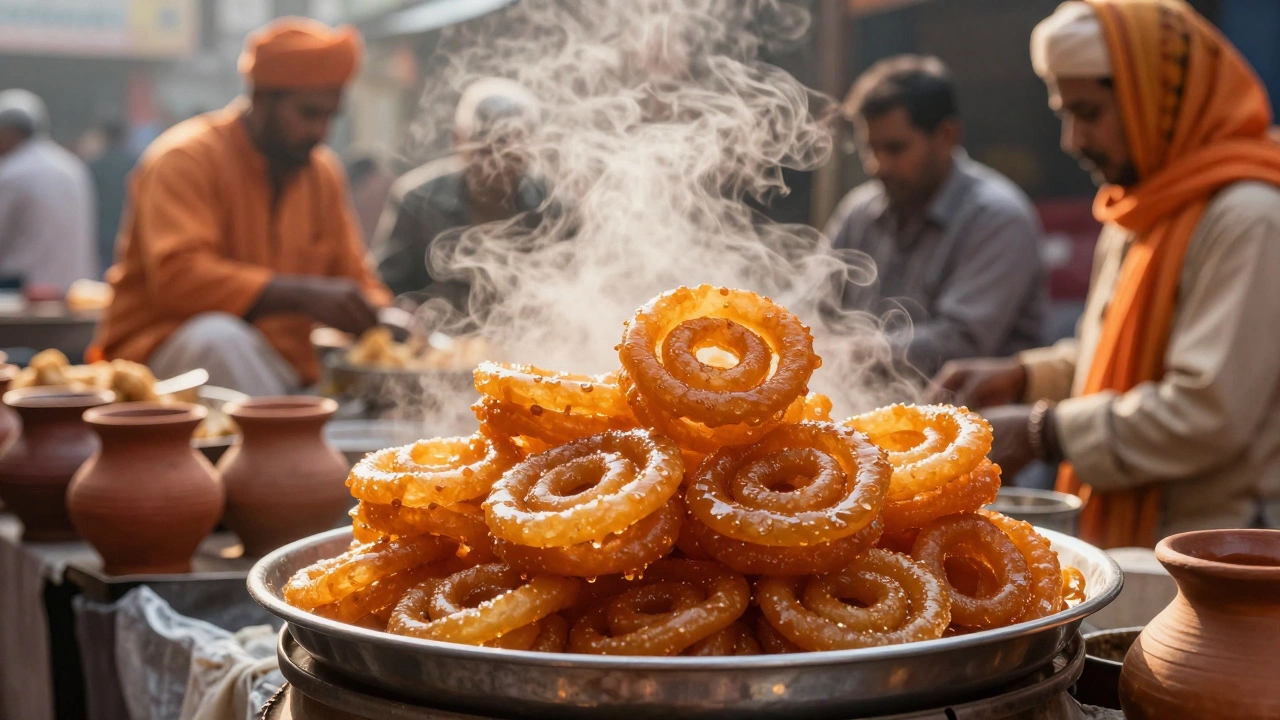
Which Sweet Is Invented in India? Top 5 Traditional Indian Sweets and Their Origins
Discover the top Indian sweets invented in India-from jalebi and gulab jamun to rasgulla and kheer-and learn why they’re more than just desserts. Their origins, ingredients, and cultural meaning make them unique to Indian tradition.
learn more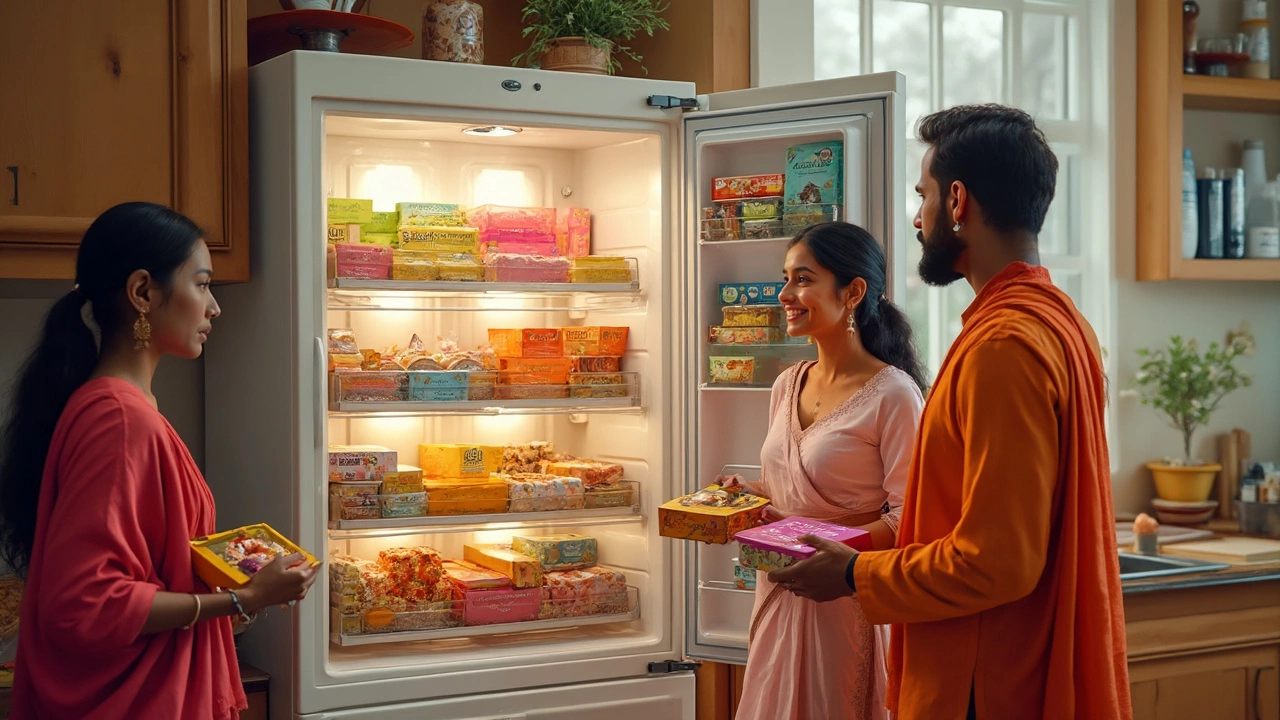
How Long Does Leftover Indian Last in the Fridge? Your Guide to Storing Sweets
Worried about how long your leftover Indian sweets will last in the fridge? Let’s break down the truth about storing Indian desserts, recognizing spoilage, and making the most of your mithai. Find out exactly how long burfi, gulab jamun, and other favorites stay fresh. Plus, get quick tips to stretch their shelf life and ditch the guesswork next time you’re saving treats for later.
learn more
Indian Word for Sweet: What It Means and How to Use It in Your Kitchen
Ever wondered what Indians really call their famous sweet treats? This article explains what the word 'mithai' means and how people use it across India. You'll find out why there are so many types of sweets in Indian culture and get tips on choosing the right dessert for different occasions. Discover fun facts about naming, regional differences, and even handy kitchen tricks for making your own mithai at home. If you love Indian sweets, you'll learn something new and useful.
learn more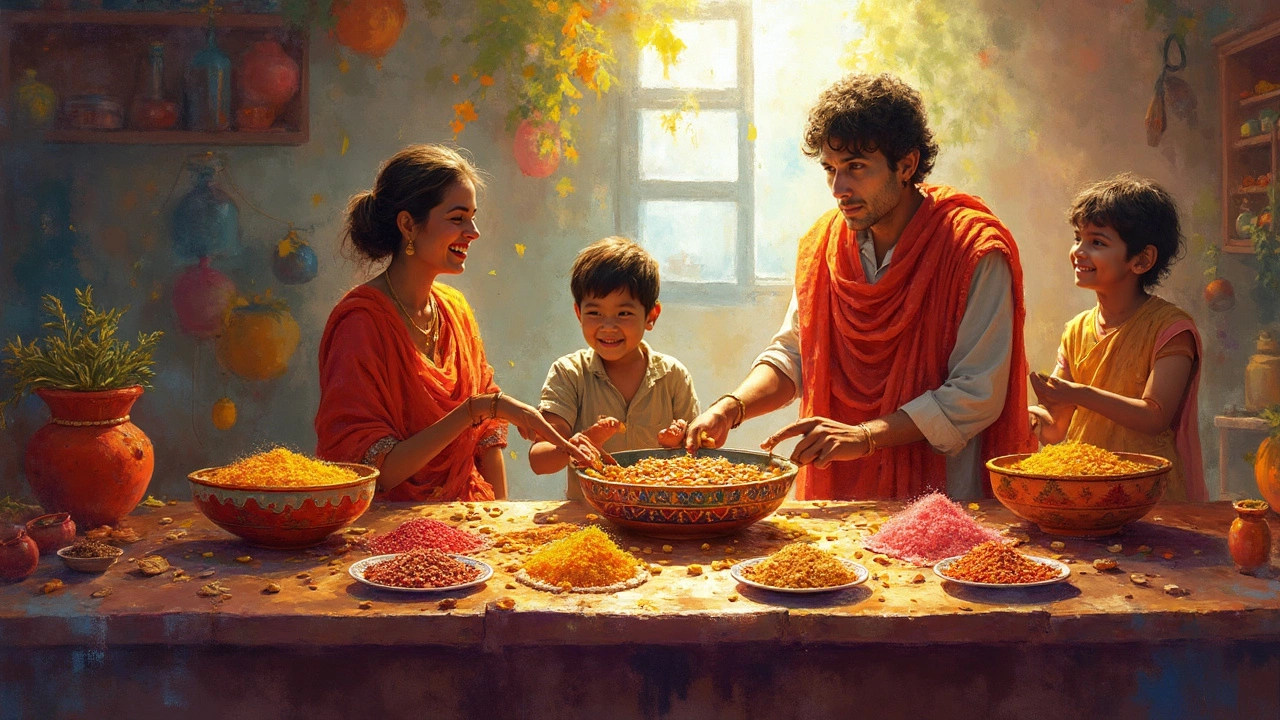
Indian Candy After Dinner: The Delightful World of Mukhwas
Mukhwas, a colorful and flavorful blend, is more than just a candy consumed after Indian meals. It's a delightful combination of seeds, nuts, and sugar-coated ingredients that aids digestion and freshens breath. In this article, learn about the cultural significance and varied recipes of Mukhwas, and discover how to make your own at home using commonly found ingredients. From its vibrant presentation to its health benefits, Mukhwas offers a unique glimpse into Indian culinary traditions.
learn more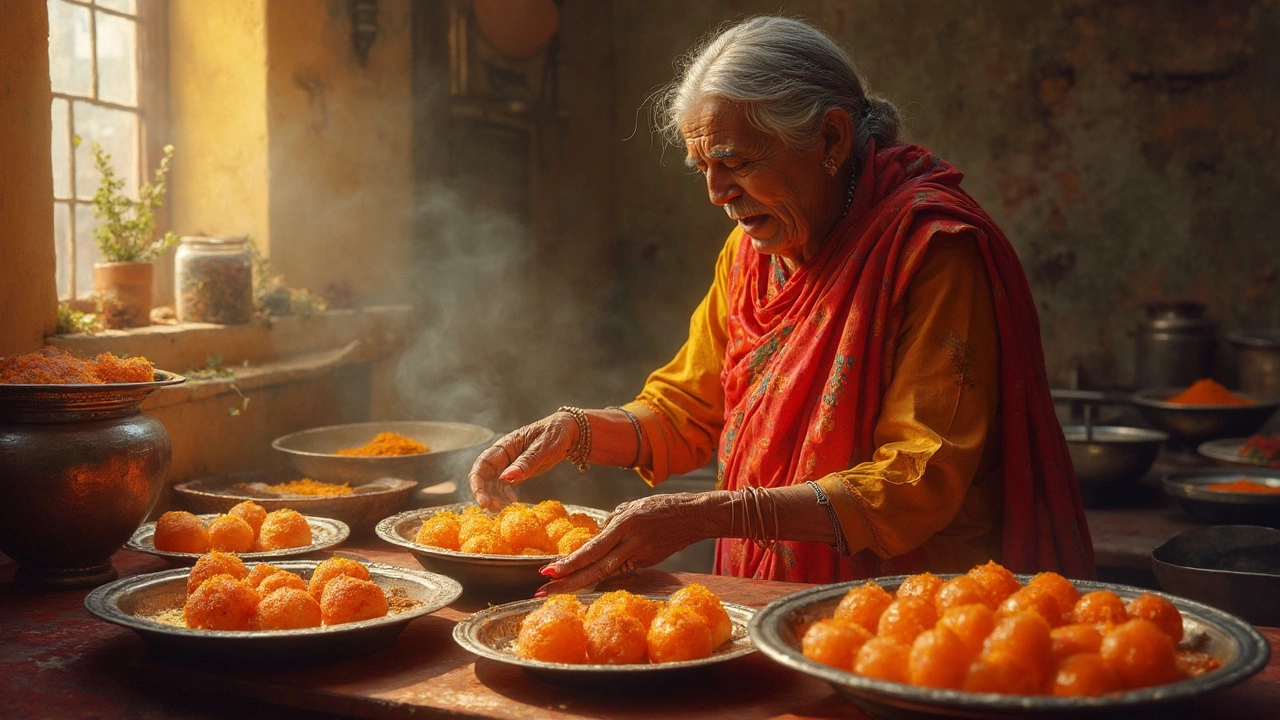
Discovering the Top Sweet in India: Which Holds the Crown?
Indian sweets are known for their rich flavors and vibrant history. Among these, Gulab Jamun often emerges as a favorite. The article delves into why this syrupy delight is adored across India, exploring its ingredients and variations. It also offers tips on making the perfect Gulab Jamun at home.
learn more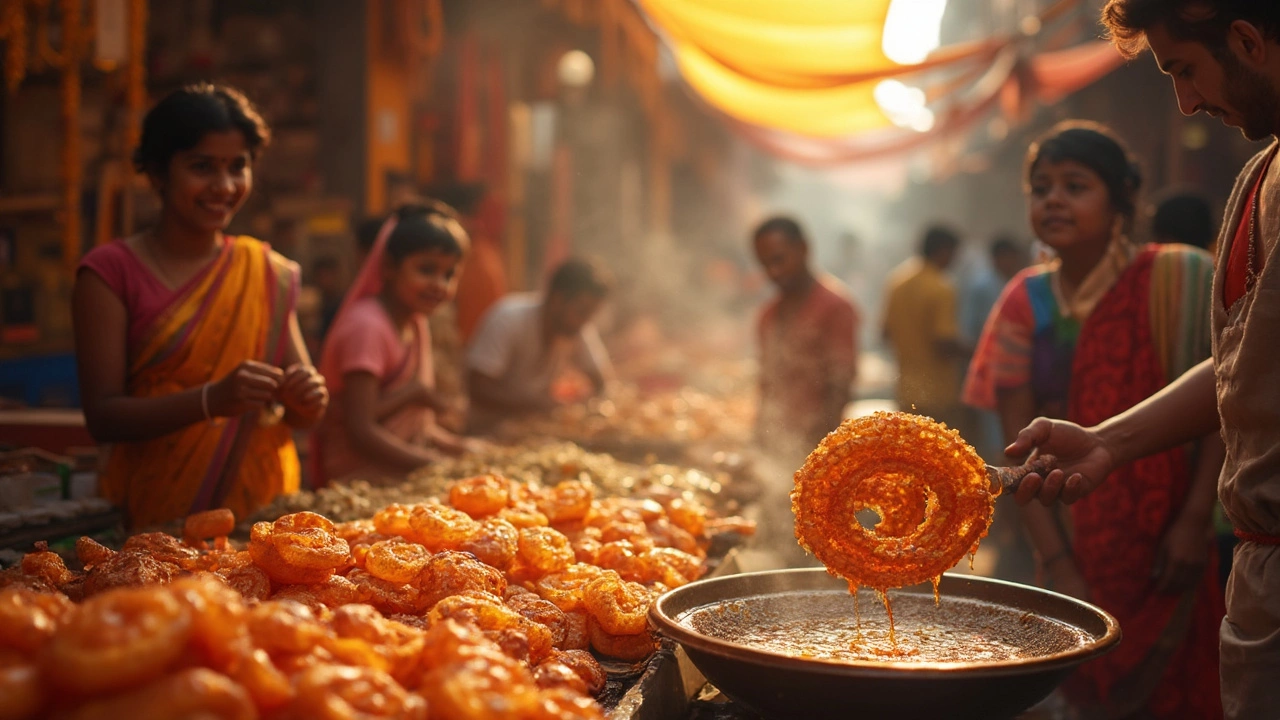
Discover India's National Sweets: A Sweet Journey
Dive into the sweet world of Indian cuisine and explore its national sweets! From the aromatic Jalebi to the creamy goodness of Kheer, learn about the diverse and delightful desserts of India. Each sweet holds a unique story and flavor, reflecting the rich cultural heritage of the nation. Join this flavorful adventure and uncover tips and recipes to try at home. Satisfy your sweet tooth while indulging in tradition.
learn more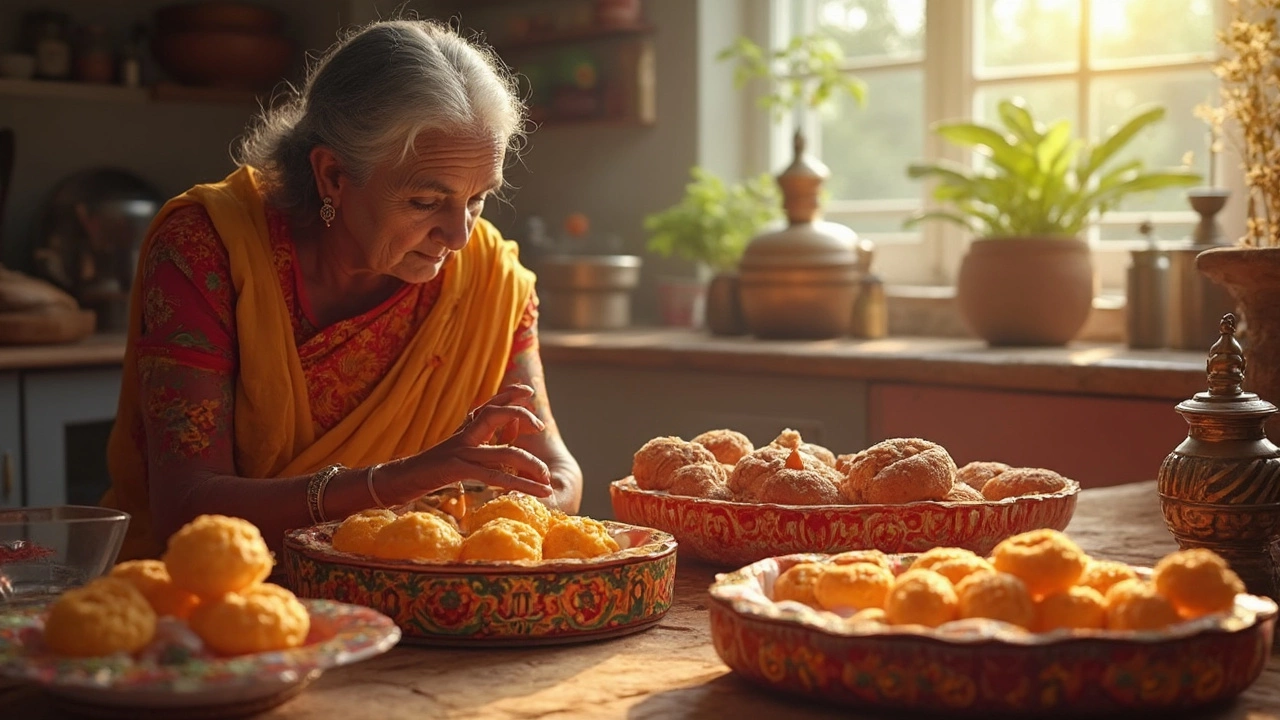
Can You Eat Sweets 2 Years Out of Date? A Look into Expiry Mysteries
Ever wondered what happens if those delicious Indian sweets in the back of your cupboard are still good after their expiry date? This article dives into the specifics of whether sweets can be safely eaten two years out of date. We explore the science behind expiration dates, what signs to watch for in spoiled sweets, and how traditional Indian ingredients affect longevity. Learn useful storage tips that may extend the sweets' shelf life.
learn more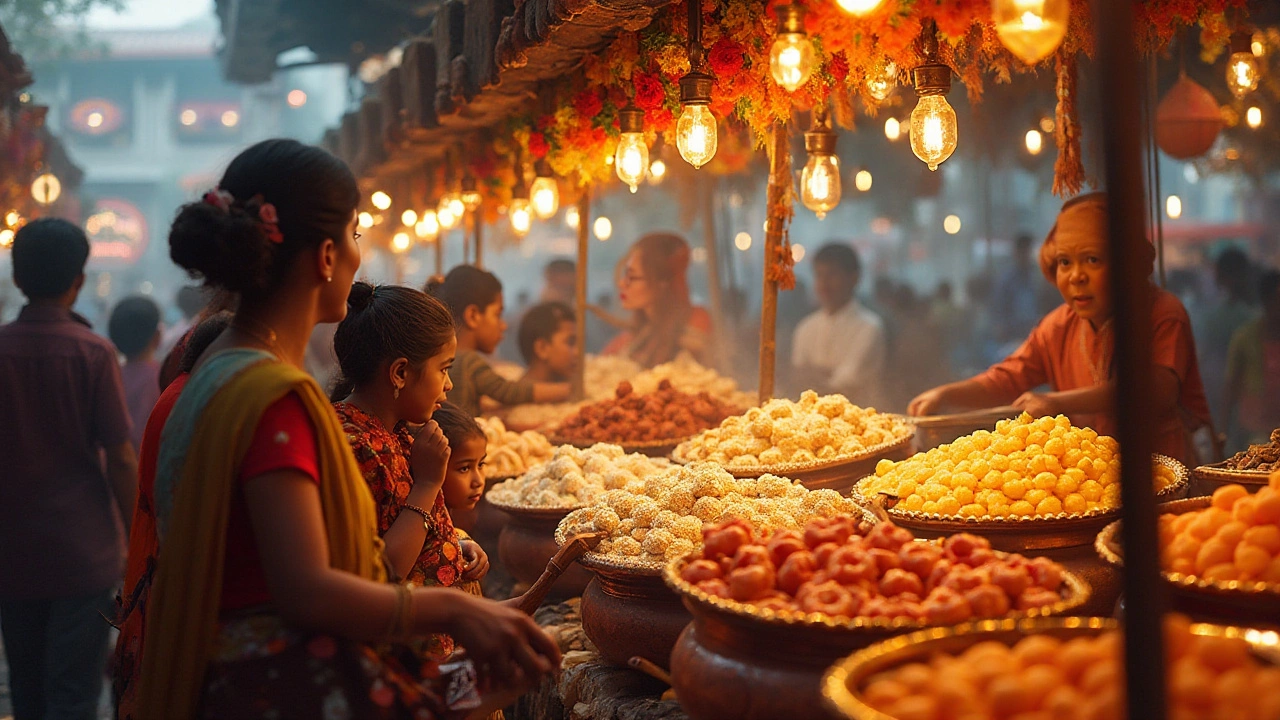
Popular Sweets Loved by Indian People: A Delicious Journey
Indian sweets, also known as 'mithai', are an integral part of Indian culture and cuisine, enjoyed during festive occasions and daily life alike. From the creamy, syrupy Rasgulla to the nutty richness of Kaju Katli, there's a sweet treat for every palate. These confections are not just about sugar; they embody the complexity of flavors and ancient culinary traditions that vary across different regions. Explore how these sweet delights are intricately tied to Indian traditions, with recipes and tips for making them at home.
learn more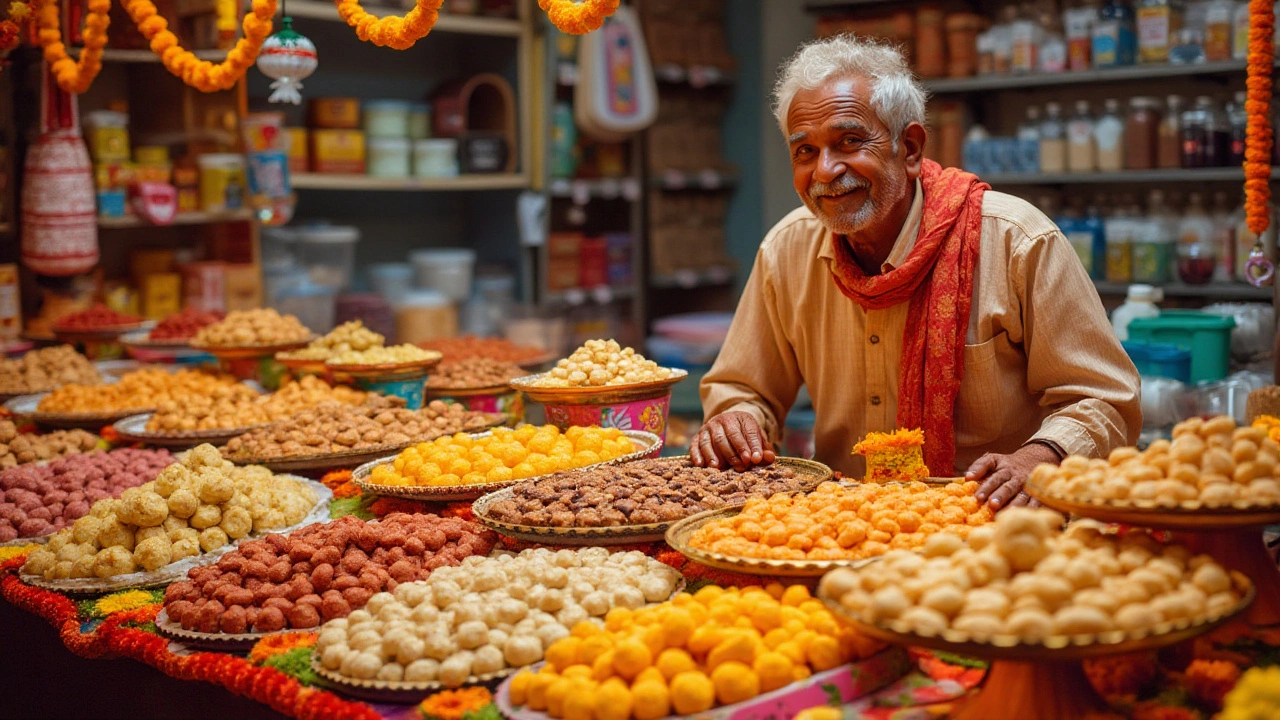
Discovering the Healthiest Indian Sweets for Guilt-Free Indulgence
Exploring the realm of Indian sweets can be both a delightful and overwhelming experience as these sugary delights have been tempting taste buds for centuries. However, for those mindful of their health, not all sweets are created equal. This article enlightens readers about some of the healthier options in the world of Indian desserts, offering insights into their nutritional benefits and ingredients that contribute to better well-being. Dive into the richness of Indian cuisine while keeping an eye on your health with these sweet treats.
learn more