Indian Sweets: The Most Loved Mithai, Their Stories, and How to Enjoy Them Right
When you think of Indian sweets, you’re really thinking of mithai, a broad category of traditional Indian desserts made with sugar, milk, nuts, and spices, often tied to festivals and family gatherings. Also known as Indian desserts, mithai isn’t just sugar—it’s memory, celebration, and culture rolled into one bite. Whether it’s the soft, syrup-soaked Gulab Jamun, deep-fried milk dumplings soaked in sugar syrup, a staple at weddings and Diwali, or the light, cotton-like Phool Jhadi, a rare hand-spun sugar candy that melts like cotton candy, each sweet has a story. These aren’t just snacks—they’re heirlooms passed down through generations, made with techniques unchanged for centuries.
What makes Indian sweets different isn’t just their taste—it’s how they’re used. They’re offered to guests, given as gifts, and served at every major life event: births, weddings, religious holidays. That’s why shelf life matters. Unlike Western cakes, many mithai are made without preservatives, so knowing how to store them—whether in the fridge, airtight containers, or at room temperature—can mean the difference between a fresh treat and a wasted one. Some, like Rasgulla, soft cheese balls in light syrup, popular across eastern India, last just a few days, while others, like dry nut-based Kaju Katli, a diamond-shaped cashew fudge, can sit for weeks. And if you’re watching your health, you’ll be surprised: some sweets, like those made with paneer or jaggery, pack more protein and fewer refined sugars than you’d expect.
There’s no single "best" Indian sweet. It depends on where you are, what time of year it is, and who made it. In the north, you’ll find rich, creamy barfi. In the south, there’s payasam, a rice pudding with cardamom. In the east, rasgulla reigns. And in every home, there’s a version of jalebi—crispy, orange coils soaked in syrup—that’s just a little better than the one next door. This collection dives into all of it: the oldest sweet still made today, the ones that are disappearing, the ones that surprise you with protein, and the ones you eat after dinner to freshen your breath. You’ll learn why Gulab Jamun tops every list, how to tell if your mithai has gone bad, and even what the word "mithai" really means in different parts of India. No fluff. Just real stories, real tips, and real flavors you can bring into your kitchen.
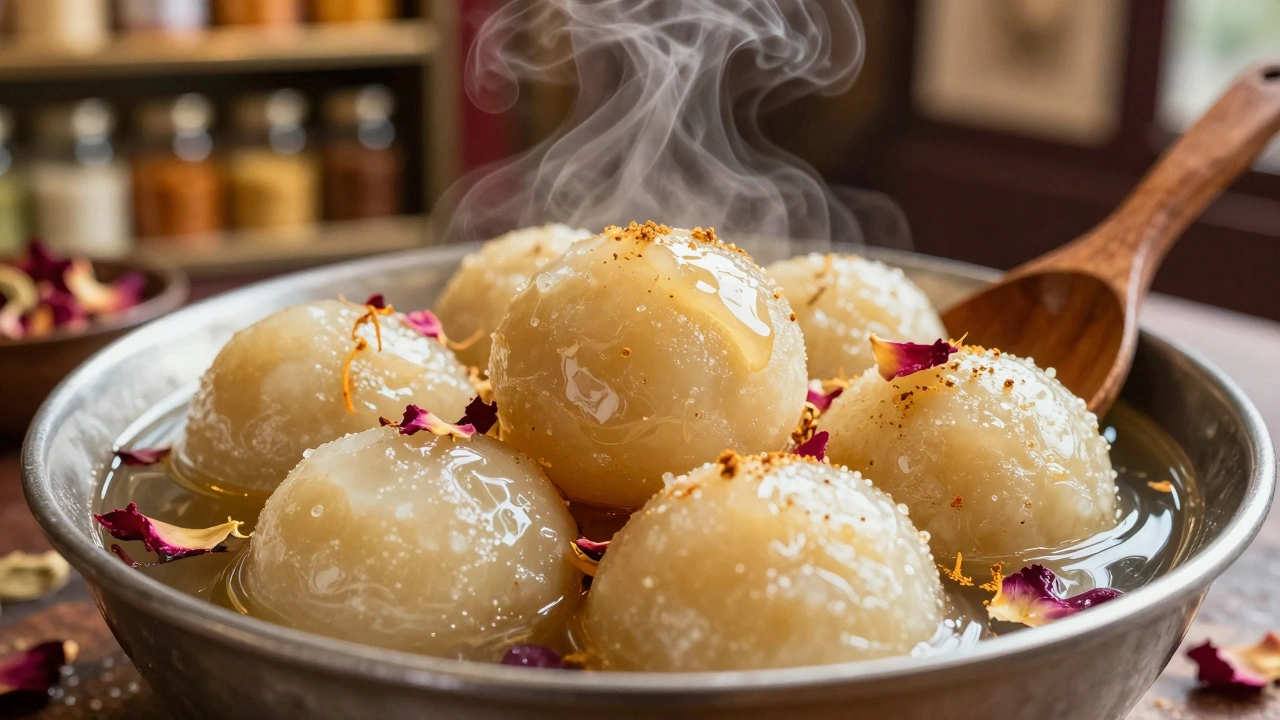
What Is the Queen of Sweets in India? The Iconic Dessert Everyone Loves
Rasgulla is the queen of Indian sweets-soft, syrup-soaked cheese balls made from fresh chhena. Loved across India and beyond, it’s a symbol of tradition, taste, and cultural pride. Learn why it beats all other desserts.
learn more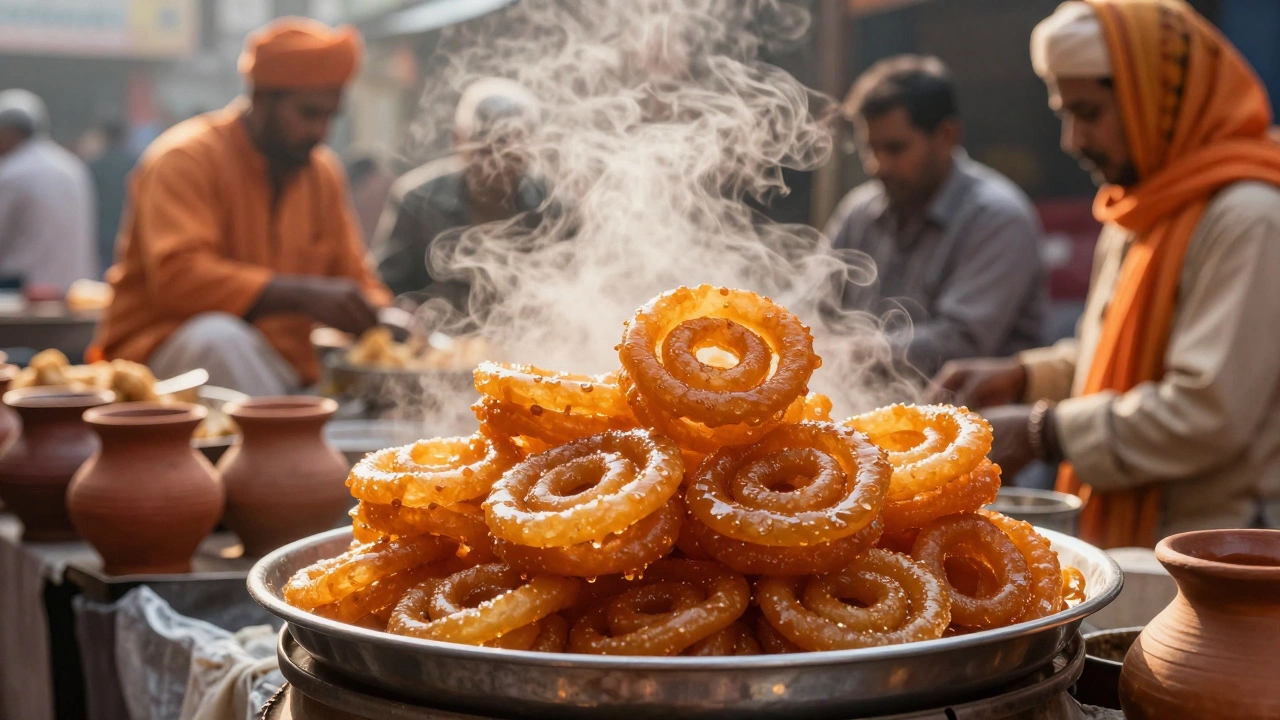
Which Sweet Is Invented in India? Top 5 Traditional Indian Sweets and Their Origins
Discover the top Indian sweets invented in India-from jalebi and gulab jamun to rasgulla and kheer-and learn why they’re more than just desserts. Their origins, ingredients, and cultural meaning make them unique to Indian tradition.
learn more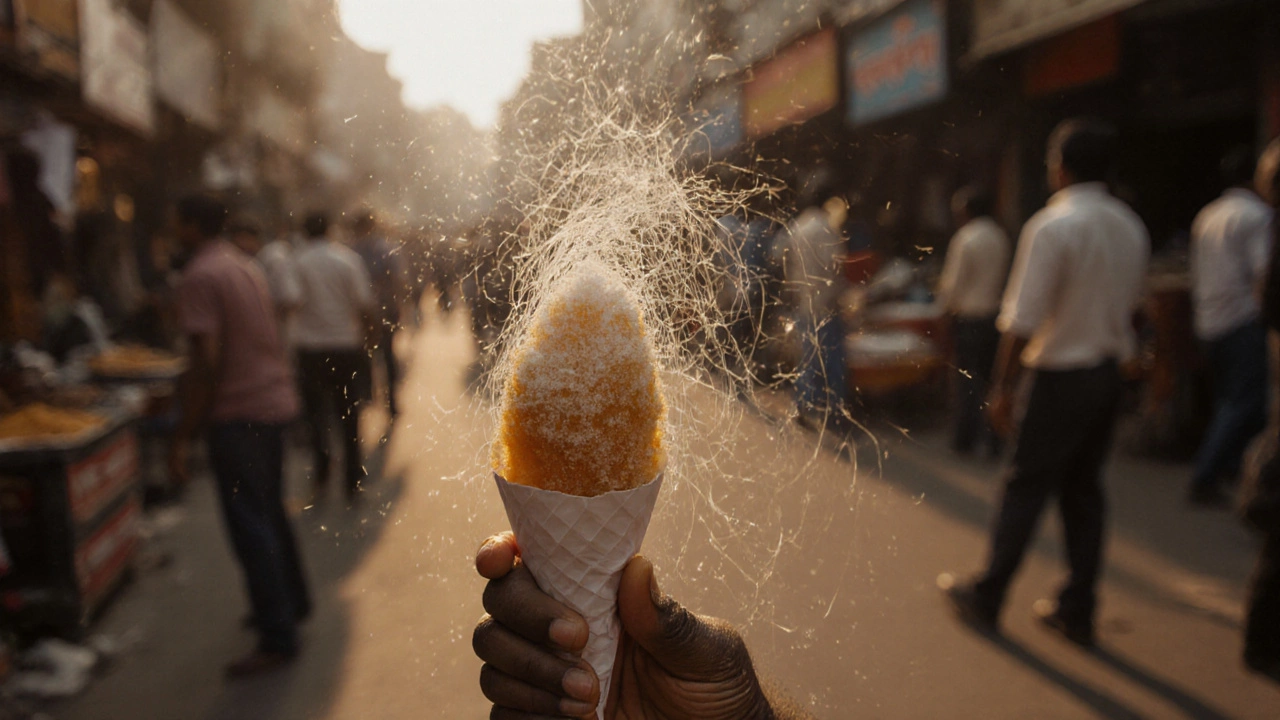
What Is the Indian Sweet That's Like Cotton Candy?
Phool jhadi is the Indian sweet that tastes like cotton candy but is made by hand with sugar, cardamom, and rose water. Discover its history, how it’s made, and why it’s disappearing.
learn more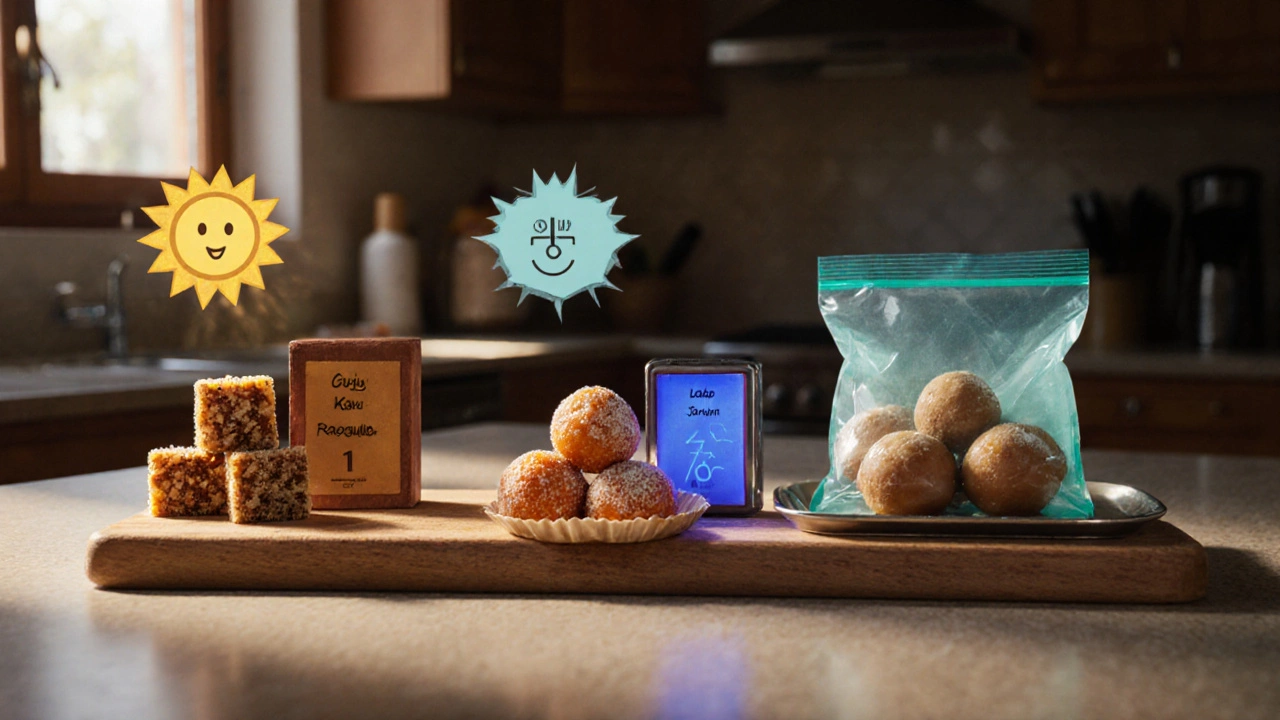
Do Indian Sweets Go Bad? Shelf Life, Storage Tips & Safety Guide
Learn how long Indian sweets last, how to store them safely, and how to tell if they’ve gone bad. Get practical tips, shelf‑life tables, and a FAQ for every sweet lover.
learn more
Tracing the Origins: What is the Oldest Sweet in India?
Explore the fascinating history behind the oldest sweet in India. Learn about ancient sweets, their cultural roots, and their place in modern celebrations.
learn more
High Protein Indian Sweets: Which Sweet Packs the Most Protein?
Craving something sweet without skimping on protein? Explore which Indian sweets are high in protein, how they stack up nutritionally, and smart ways to boost your sweet treat’s protein.
learn more
Most Popular Sweet in India: Rasgulla, Gulab Jamun, or Jalebi?
Curious which sweet rules India's taste buds? Here’s a tasty, deep dive into the most popular Indian sweet—and some colorful stories, facts, and tips for sweet lovers.
learn more
How Long Does Leftover Indian Last in the Fridge? Your Guide to Storing Sweets
Worried about how long your leftover Indian sweets will last in the fridge? Let’s break down the truth about storing Indian desserts, recognizing spoilage, and making the most of your mithai. Find out exactly how long burfi, gulab jamun, and other favorites stay fresh. Plus, get quick tips to stretch their shelf life and ditch the guesswork next time you’re saving treats for later.
learn more
Traditional Indian Sweet Dishes: What You Need to Know
Indian sweet dishes are packed with history, flavor, and cultural meaning. This article takes a look at famous traditional sweets, the stories behind them, what they’re made from, and tips on making them easily at home. Discover what makes these desserts so irresistible and how they became part of every big and small celebration in India. Learn unique facts along the way and get practical advice on buying or prepping these treats yourself. From North to South, get the lowdown on the sweetest side of Indian cuisine.
learn more
Indian Word for Sweet: What It Means and How to Use It in Your Kitchen
Ever wondered what Indians really call their famous sweet treats? This article explains what the word 'mithai' means and how people use it across India. You'll find out why there are so many types of sweets in Indian culture and get tips on choosing the right dessert for different occasions. Discover fun facts about naming, regional differences, and even handy kitchen tricks for making your own mithai at home. If you love Indian sweets, you'll learn something new and useful.
learn more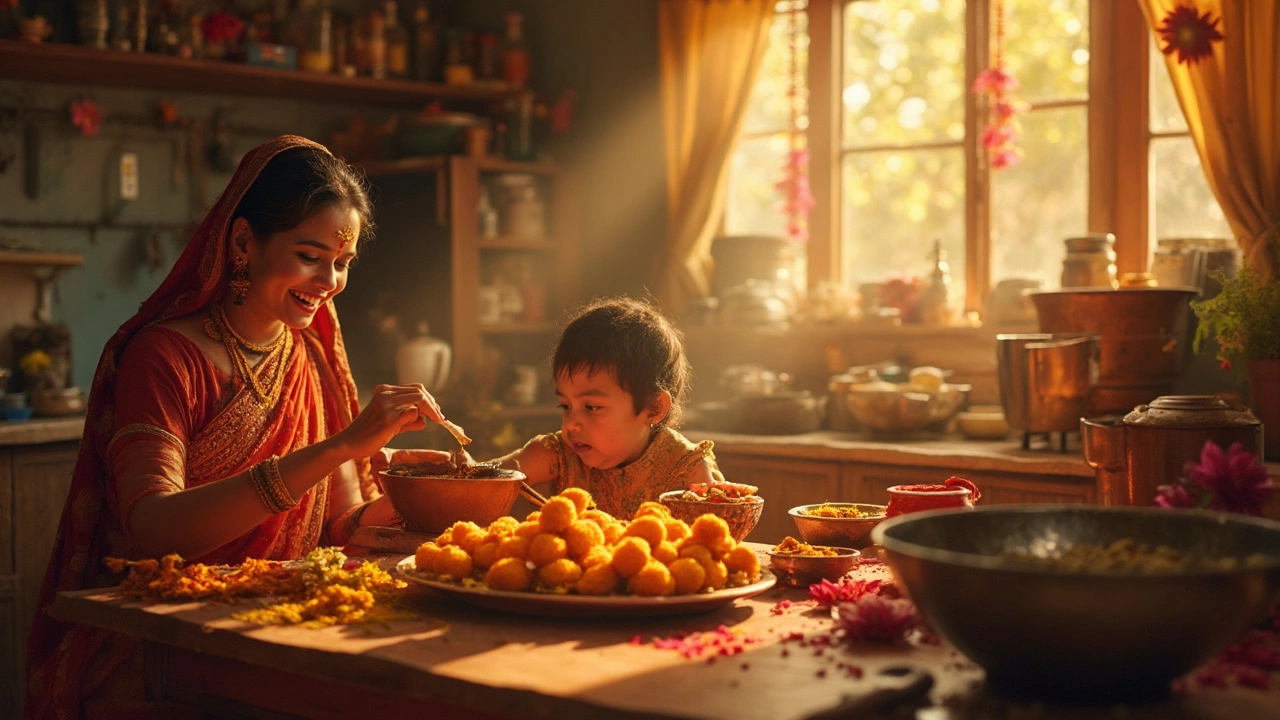
Most Loved Dessert in India: Why Gulab Jamun Tops the List
Gulab Jamun is hailed as the most loved dessert in India, stealing the show at celebrations, family gatherings, and festivals. This article digs into what makes this sweet treat stand out, where it comes from, and why it remains the go-to dessert for millions. Expect tips on perfecting Gulab Jamun in your own kitchen, ways to enjoy it across seasons, and fun facts you probably haven’t heard before. Whether you’re an experienced cook or just want to satisfy your sweet tooth, there’s something useful here for everyone. Discover the story behind Gulab Jamun and get inspired to try it yourself.
learn more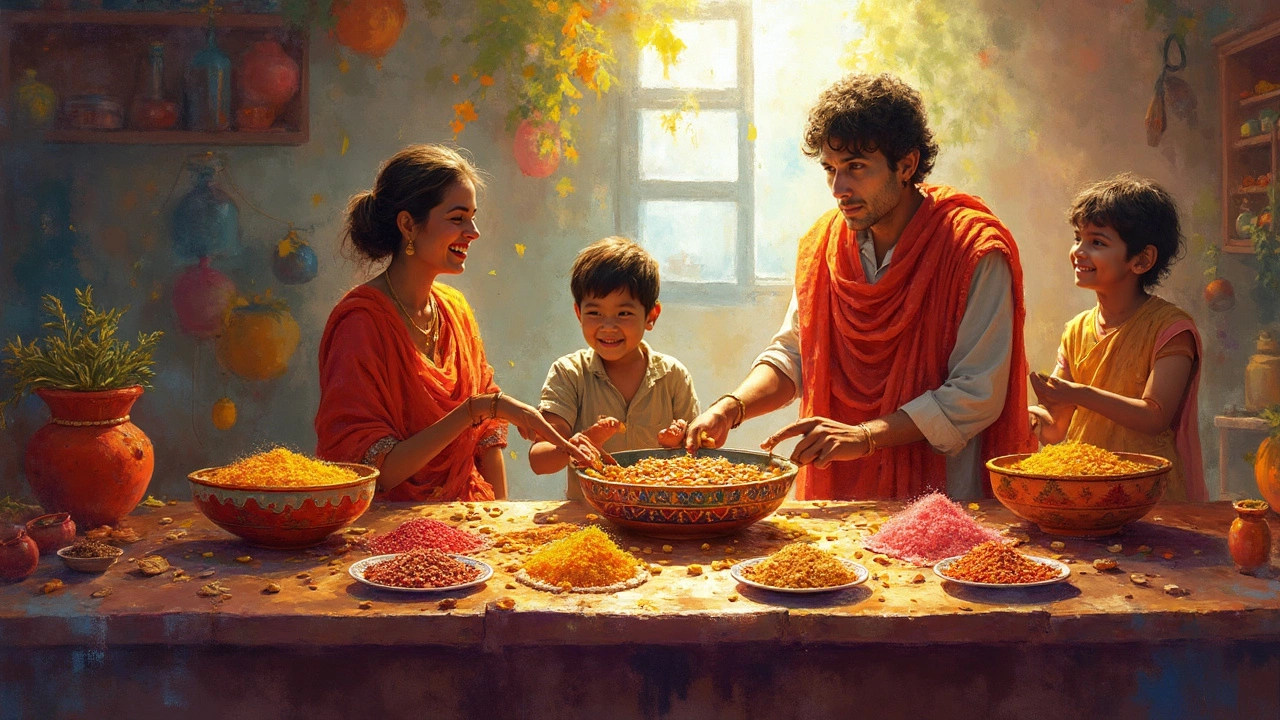
Indian Candy After Dinner: The Delightful World of Mukhwas
Mukhwas, a colorful and flavorful blend, is more than just a candy consumed after Indian meals. It's a delightful combination of seeds, nuts, and sugar-coated ingredients that aids digestion and freshens breath. In this article, learn about the cultural significance and varied recipes of Mukhwas, and discover how to make your own at home using commonly found ingredients. From its vibrant presentation to its health benefits, Mukhwas offers a unique glimpse into Indian culinary traditions.
learn more