Food and Culture in India
When you think about Food and Culture in India, the deep connection between what people eat and how they live, shaped by religion, region, and history. It’s not just about spices—it’s about timing, taboo, and tradition. There’s no single national dish, but khichdi, a humble rice-and-lentil stew eaten from villages to royal courts comes closer than anything else. Meanwhile, chutney, a tangy, spicy condiment that turns a simple snack into a meal isn’t just a side—it’s a cultural anchor, paired differently in Tamil Nadu than in Maharashtra. And then there’s coffee in India, a daily ritual more personal than tea, brewed strong and served in small cups, especially in the south. These aren’t random food choices. They’re inherited habits, passed down through generations, shaped by temples, markets, and family kitchens.
Why does Vrindavan ban non-veg food? Why does cheese barely exist when paneer is everywhere? Why do people in Karnataka eat idli by 7 a.m. while families in Delhi wait until 9 p.m. for dinner? These aren’t quirks—they’re answers to deeper questions about identity, faith, and climate. In Karnataka, breakfast isn’t a meal—it’s a statement of regional pride. In Guyanese-Indian weddings, the seven curries aren’t just food—they’re a living archive of migration and memory. Even garlic, often taken for granted, gets swapped out in some homes—not because it’s bad, but because it’s avoided for spiritual reasons. This isn’t a list of recipes. It’s a map of how food moves through Indian life: who eats it, when, why, and who gets to decide.
What you’ll find below isn’t a textbook. It’s real talk from real kitchens. You’ll learn which state truly has the best breakfast, why paneer won over cheese, what happens when you skip garlic in curry, and how a simple chutney can change the whole flavor of a meal. No theory. No fluff. Just the stories behind the food you’ve seen, tasted, or wondered about.
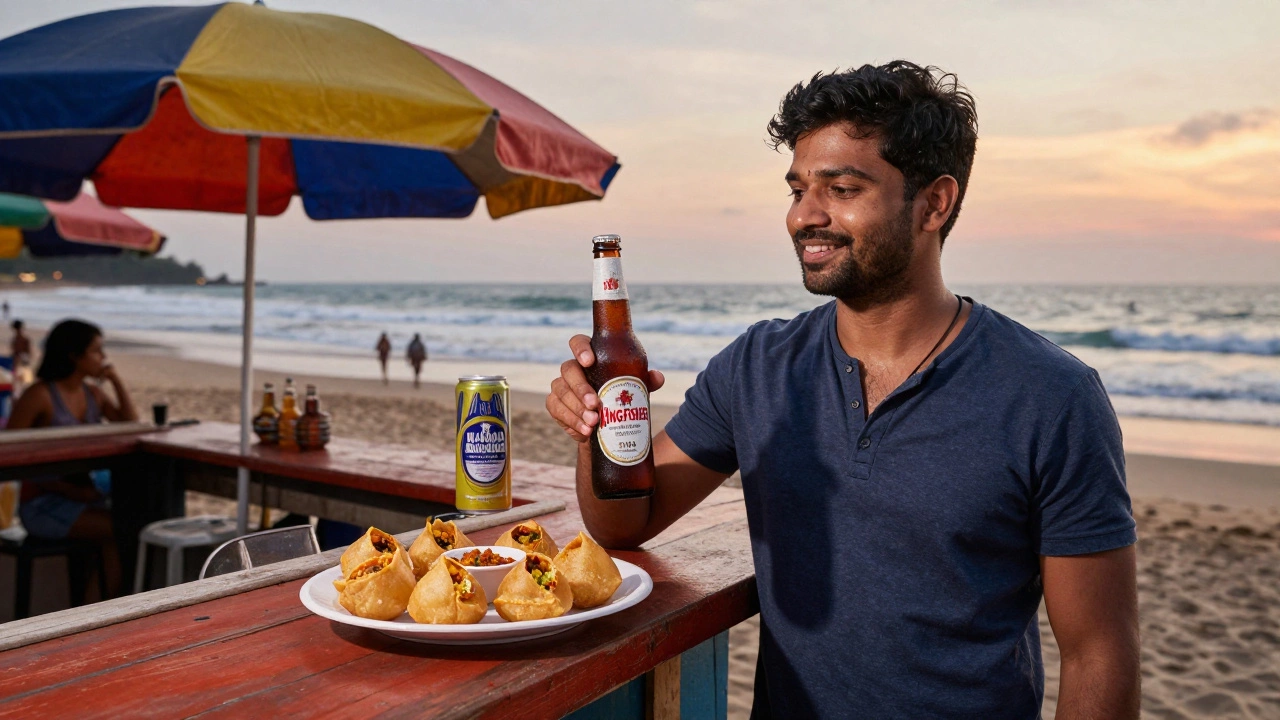
Can Tourists Drink in India? A Practical Guide to Alcohol and Street Food
Can tourists drink in India? Yes - but only in licensed places and depending on the state. Learn where alcohol is allowed, what to avoid, and how to enjoy it safely with street food.
learn more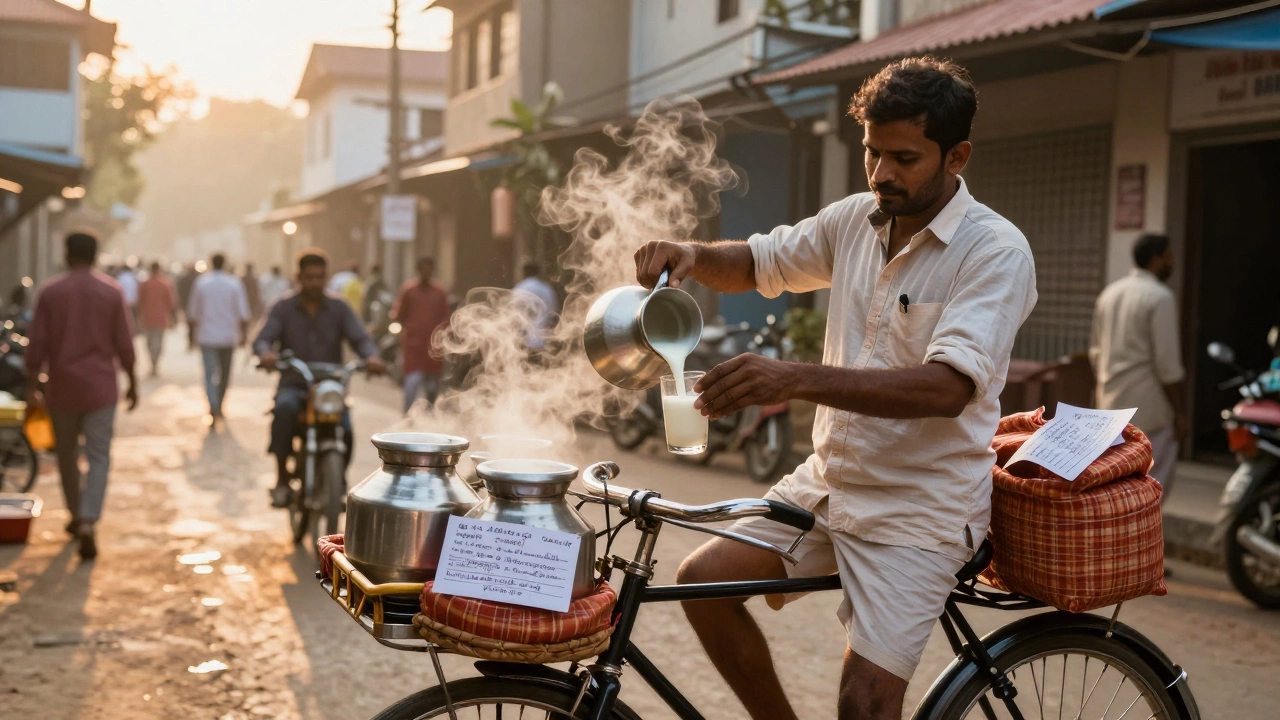
What kind of milk do they drink in India? A guide to everyday dairy habits
In India, buffalo milk is the most common type consumed, used daily in tea, cooking, and sweets. Cow milk is also popular, but raw, whole milk-boiled at home-is the norm across the country.
learn more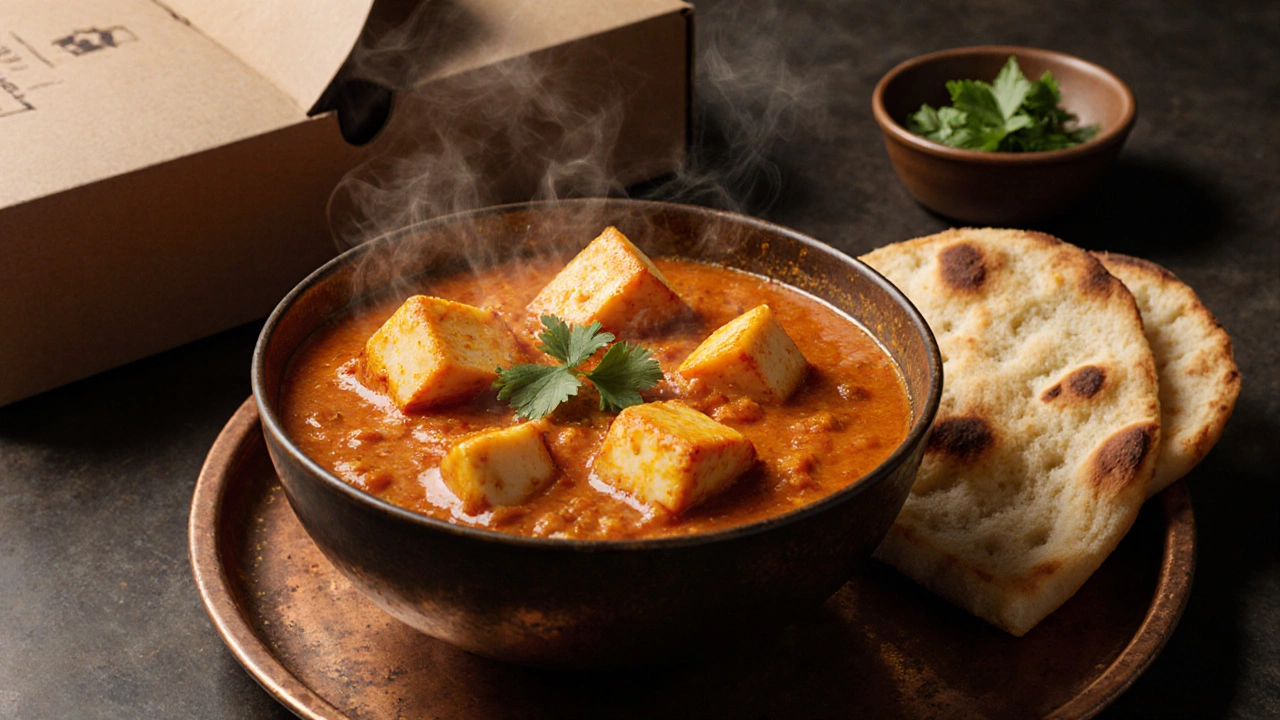
India's Most Ordered Dish: The Top Vegetarian Favorite
Paneer Butter Masala tops India's vegetarian order charts. Discover why it dominates, key ingredients, cooking steps, and how it stacks up against Masala Dosa and Chole Bhature.
learn more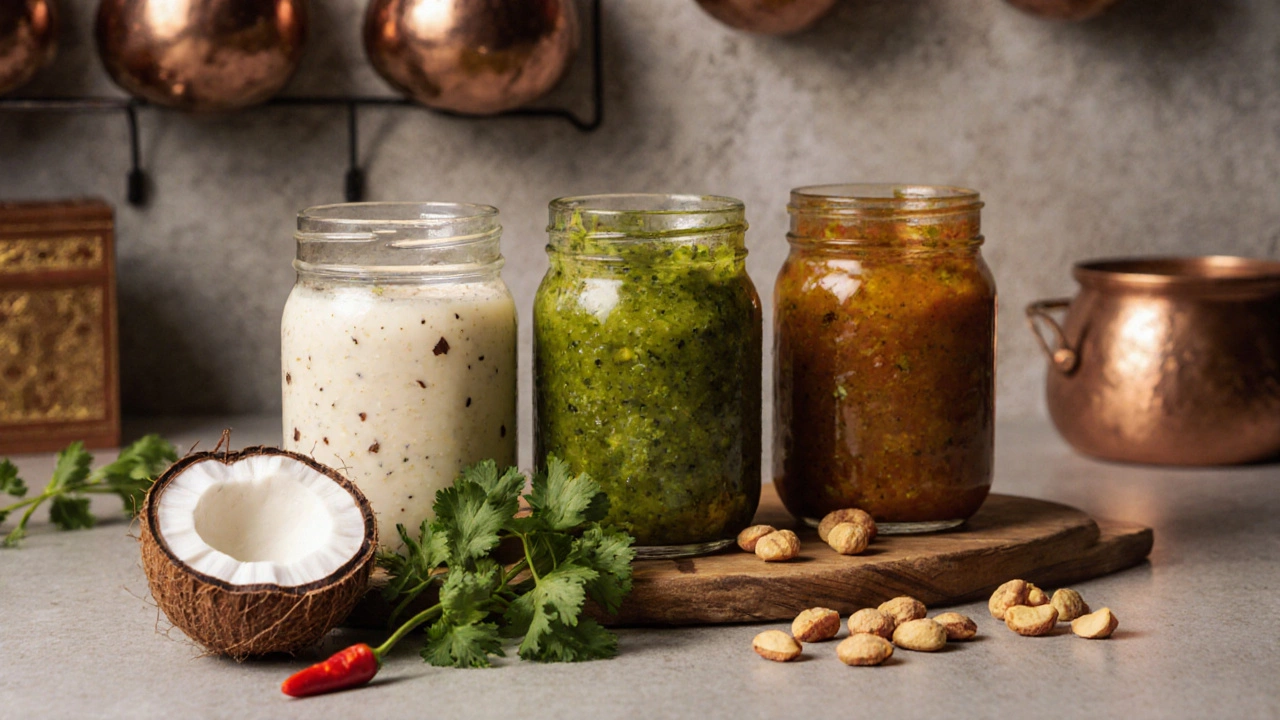
What Foods Do Indians Pair with Chutney? A Complete Guide
Explore the Indian dishes that are traditionally enjoyed with chutney, from South Indian dosas to North Indian samosas, and learn how to serve and pair chutneys at home.
learn more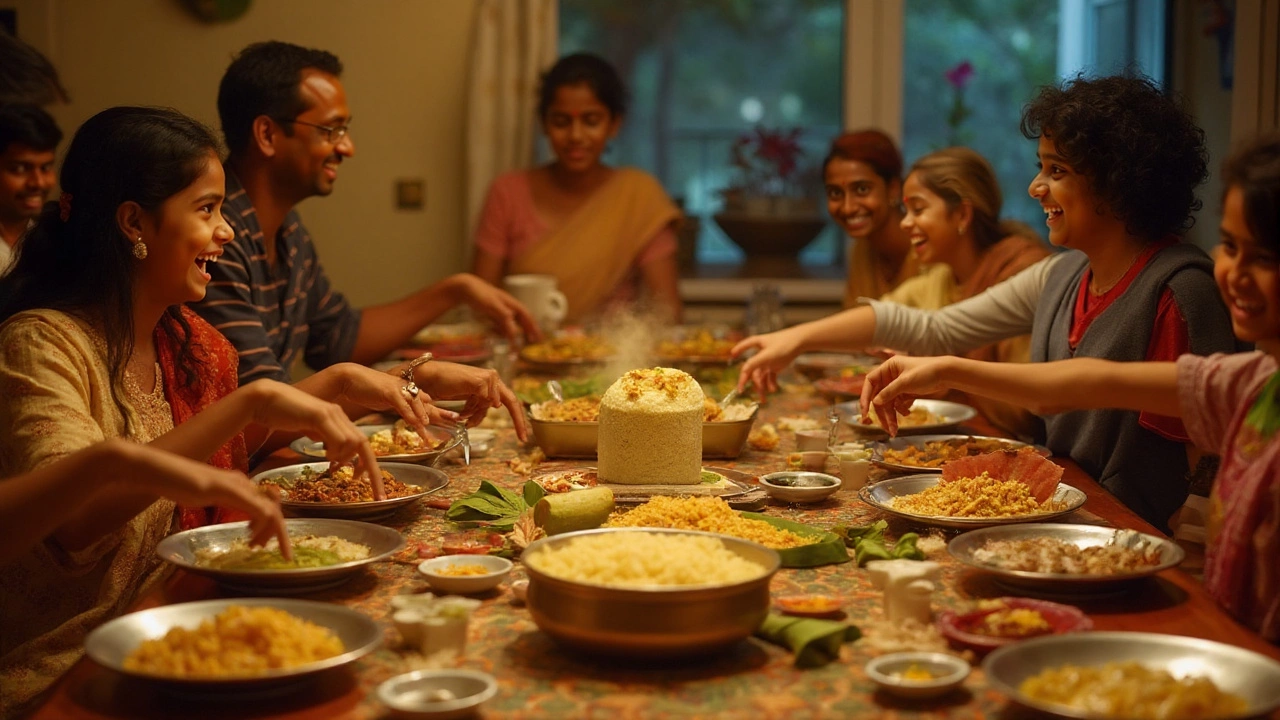
Does India Have a National Dish? The Official Answer + Khichdi, Biryani, Dosa Explained
Is there an official national dish of India? Short answer: no. Here’s why the myth persists (khichdi!), the top contenders, and how to talk about India’s food identity.
learn more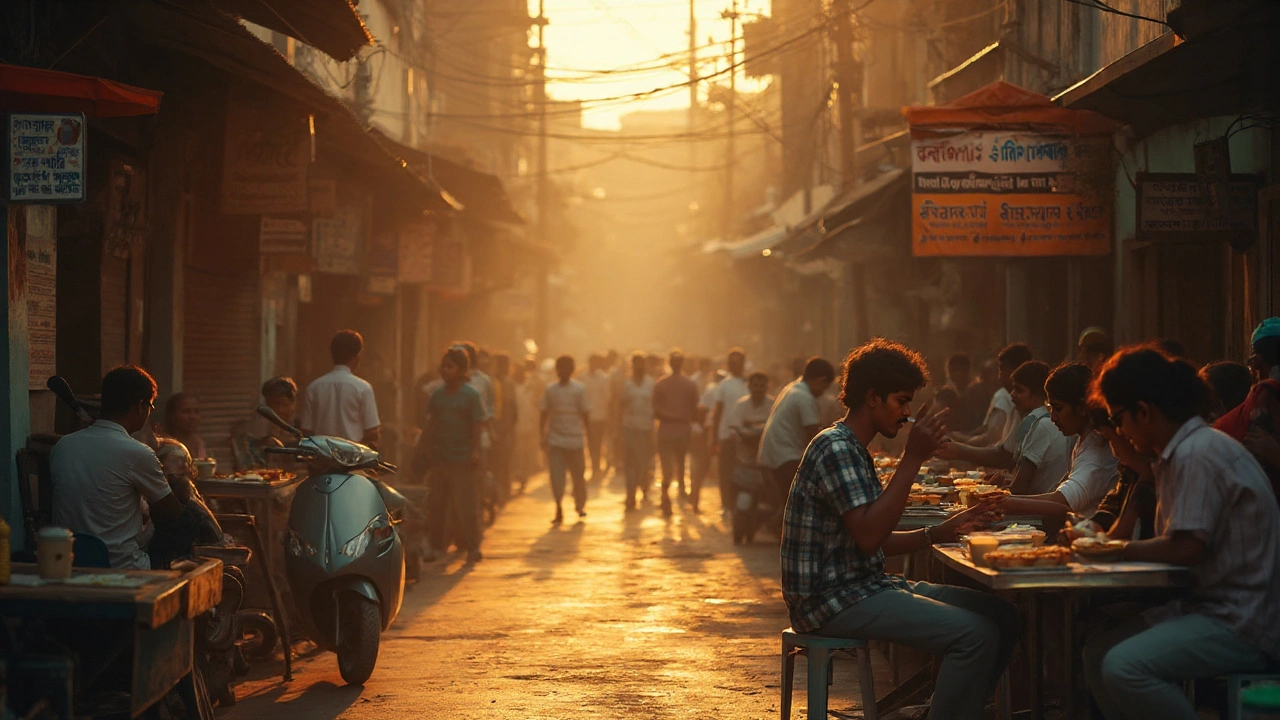
Best Indian Breakfast by State: Tamil Nadu vs Karnataka, Kerala, Maharashtra (2025 Guide)
Which Indian state has the best breakfast? We rank Tamil Nadu, Karnataka, Kerala, Maharashtra and more with criteria, prices, dishes, and smart travel tips.
learn more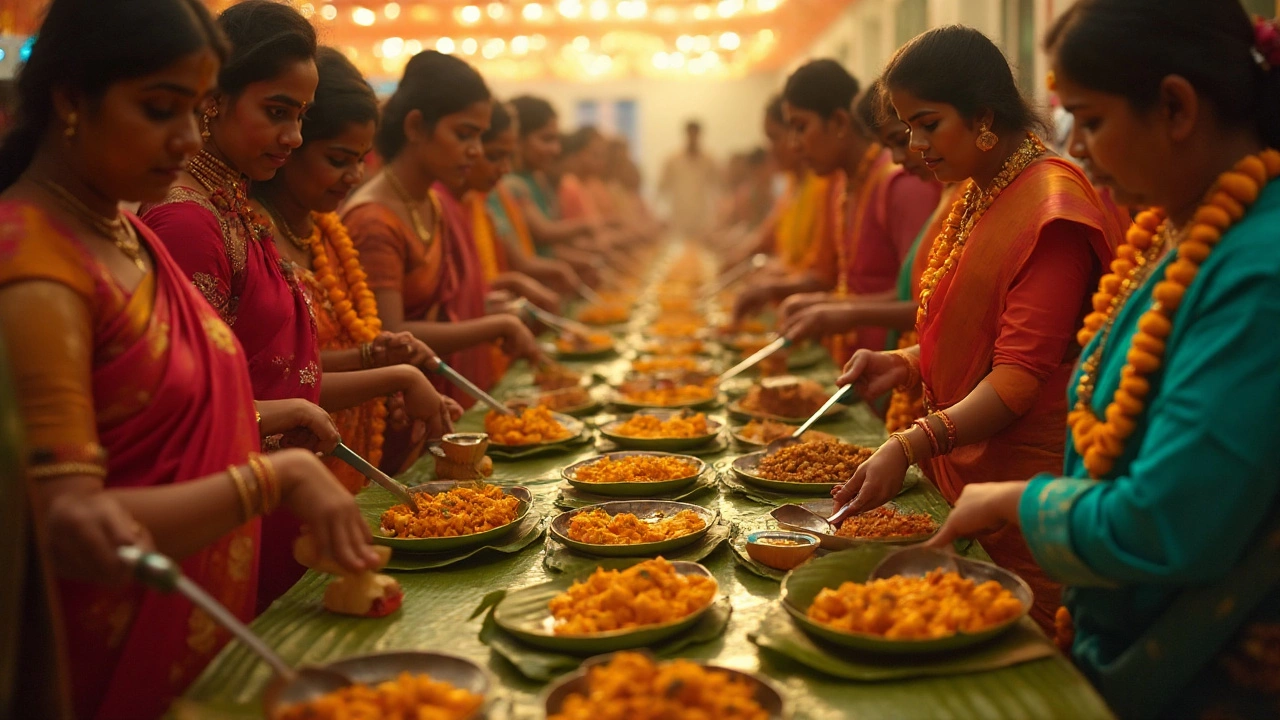
What Are the 7 Curries? The Classic Indo‑Guyanese Seven Curry Explained
Curious about the 7 curries at Indo‑Guyanese weddings? See the classic list, popular swaps, quick cooking playbook, quantities for guests, and serving traditions.
learn more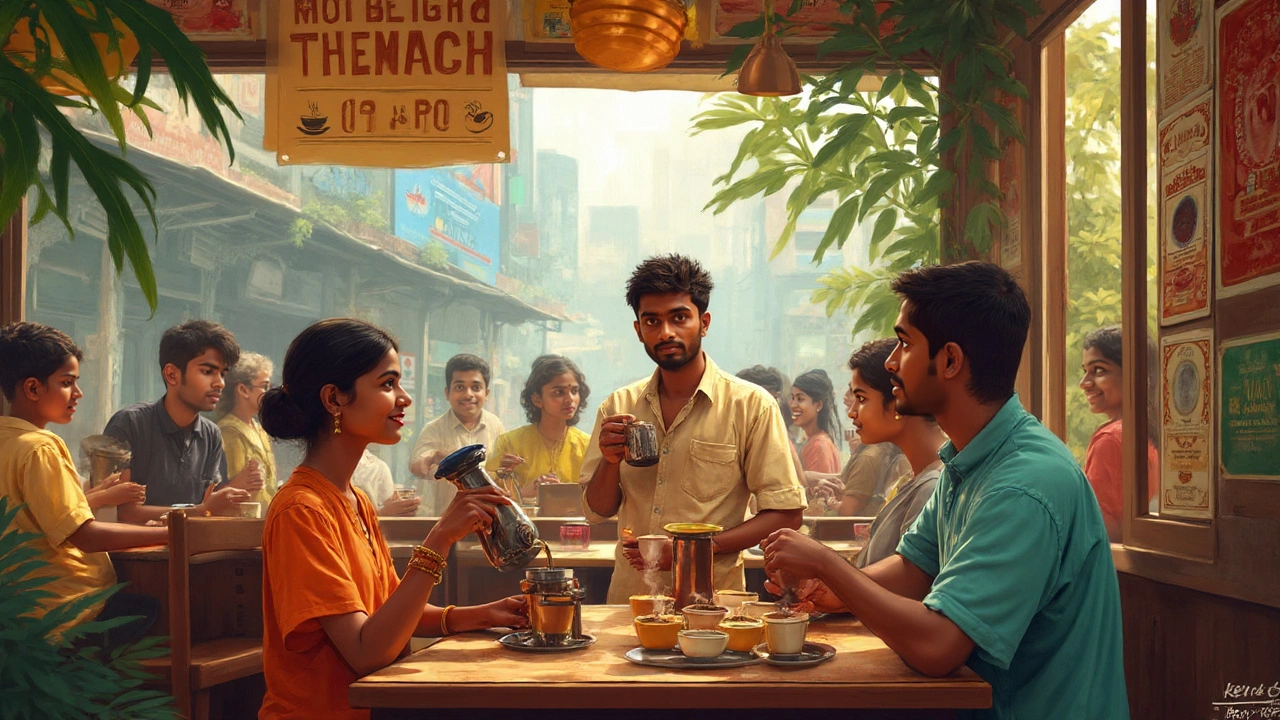
Coffee in India: Can You Drink It, Where, and What to Expect
Thinking about drinking coffee in India? Discover India's surprising coffee culture, best coffee types, safety tips, and unique finds for travelers and locals.
learn more
Why Cheese Isn't Big in India: Cultural, Culinary, and Historical Reasons
Explore why cheese hasn't caught on in India like paneer has—unpack the cultural, culinary, and historical reasons in a relatable, engaging way.
learn more
What Time Do People Eat Dinner in India? A Guide to Indian Dinner Habits
Curious about dinner times in India? Explore when people eat dinner across regions, cultural factors influencing dinner, and how social life shapes Indian eating habits.
learn more
Is Non-Veg Food Banned in Vrindavan? Law, Culture & What Visitors Must Know
Discover if non-veg is actually banned in Vrindavan, the laws behind it, the local culture, and what every traveler should expect. Real talk, straight answers.
learn more
Exploring Garlic Substitutes in Indian Chicken Curry Recipes
Indian cuisine, known for its rich tapestry of flavors, often relies on garlic to provide depth to chicken curry dishes. However, there are occasions when garlic is avoided due to dietary, cultural, or health reasons. This article explores the intriguing world of garlic substitutes in Indian cooking. It offers insights into various spices and ingredients that can provide a similar aromatic profile, ensuring that your chicken curry remains flavorful and fragrant without the use of garlic.
learn more