Yeast in Indian Cooking: How It Powers Fermented Breads and Dosa Batter
When you think of yeast, a living microorganism that ferments sugars to produce carbon dioxide and alcohol. Also known as fermenting agent, it's often linked to sourdough loaves and beer—but in Indian kitchens, it’s the silent force behind some of the most beloved breakfasts. You don’t always see it in the ingredient list, but yeast is what turns a thick paste of rice and urad dal into light, airy dosa batter. It’s not always added directly like in Western baking. Often, wild yeast from the air and natural bacteria do the work, but store-bought yeast can speed things up when time is short.
What most people don’t realize is that fermentation, the natural process where microorganisms break down sugars to create gas and flavor isn’t just about making food rise—it’s about unlocking nutrition and digestibility. Fermented foods like idli, dosa, and appam are easier on the stomach because the process breaks down starches and phytic acid. That’s why millions eat these daily, even in hot climates where food spoils fast. The same fermentation that gives sourdough its tang also gives dosa its crisp edge and idli its soft fluff. And while traditional methods rely on ambient yeast, many home cooks now use a pinch of commercial yeast to guarantee results, especially in cold or dry weather.
But yeast isn’t the only player. urad dal, a split black gram legume rich in proteins that feed fermentation is just as vital. It’s the protein powerhouse that gives batter structure and helps trap the gas bubbles created by yeast. Without enough urad dal, even the most active yeast won’t make your dosa fluffy. And if you’re out of yeast? Traditional recipes don’t panic—they use leftover batter from a previous batch as a starter, or let the mix sit longer under a warm cloth. Some even add a bit of ground fenugreek seeds, which naturally encourage microbial growth.
So why does your batter sometimes fail? It’s rarely the yeast. More often, it’s the water temperature, the soaking time, or the ratio of rice to dal. Cold kitchens slow fermentation. Too much water makes batter too thin to hold gas. And skipping the overnight rest? That’s like baking bread without letting it rise. The science is simple: yeast needs warmth, food, and time. Get those right, and you’ll never need a recipe again.
Below, you’ll find real fixes from real kitchens—how to rescue a flat dosa batter, when to use yeast versus natural fermentation, and what to do when your idlis turn out dense. These aren’t theory-heavy guides. They’re the tricks passed down, tested, and trusted by cooks who make these dishes every single day.
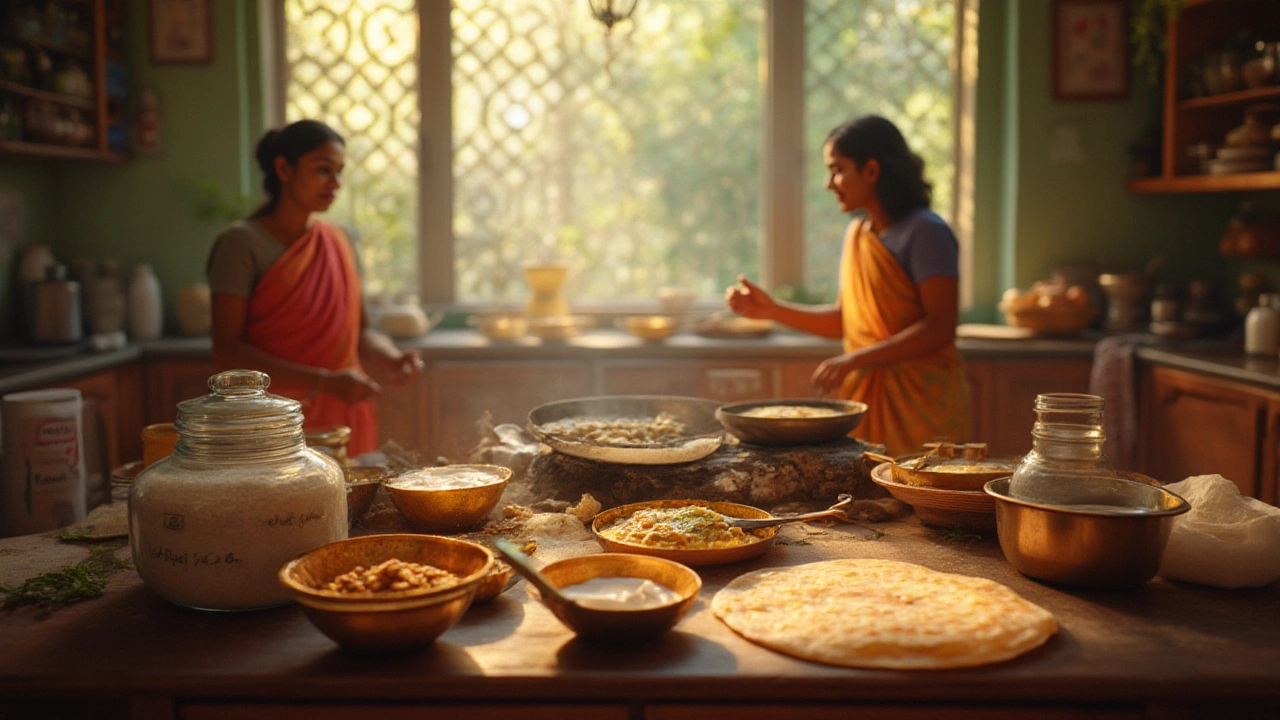
Baking Soda vs Yeast: The Truth About Perfectly Fermented Dosa Batter
Debating between baking soda and yeast for dosa batter? Learn the science, pros, cons, and expert tips to achieve fluffy, flavorful dosas every time.
learn more