Soft Roti: How to Make the Perfect Fluffy Indian Flatbread
When you think of soft roti, a simple, everyday Indian flatbread made from whole wheat flour, water, and a pinch of salt. Also known as chapati, it’s the backbone of meals across India—from breakfast dal and vegetables to dinner curries. It’s not fancy, but get it right, and it becomes the best part of the meal. Get it wrong, and it turns into a tough, dry disk that no sauce can save.
What makes soft roti different from the stiff ones? It’s not just the flour. It’s the water temperature, how long you rest the dough, the heat on the tawa, and how you press it. Many people skip resting the dough, thinking it’s just waiting. But that 30-minute pause lets the gluten relax and the flour fully hydrate—no more crumbly, cracked rotis. And the tawa? It needs to be hot, but not smoking. A drop of water should sizzle and vanish in a second. Too cold, and the roti soaks up oil and turns gummy. Too hot, and it burns before it puffs.
Whole wheat roti, the most common type used in South Indian homes, doesn’t need oil in the dough, but a light brush after cooking keeps it pliable. Some add a spoon of yogurt or ghee for extra softness—Mysore households often do. And don’t roll it thin like paper. A little thickness, about 3-4 mm, gives you that tender chew. The puff? That’s the sign of steam trapped inside. If it doesn’t puff, your dough was too dry or the tawa wasn’t hot enough.
You’ll find roti in nearly every post here—paired with dal, served with chutney, or eaten with biryani. People ask why their dosa batter won’t ferment, or why their curry turns watery, but the real daily hero is the roti. It’s what holds the meal together. It’s what you tear off with your fingers to scoop up lentils. It’s what your grandmother made every morning, and what you’ll make for your kids.
There’s no magic spice. No secret ingredient. Just patience, practice, and knowing when the dough is ready. The posts below show you exactly how to fix common roti problems—dry edges, uneven puffing, sticking to the pan—and how to adapt the recipe for softer, fluffier results. Whether you’re using a gas stove, electric coil, or induction, you’ll find the right trick here. No theory. No fluff. Just what works.
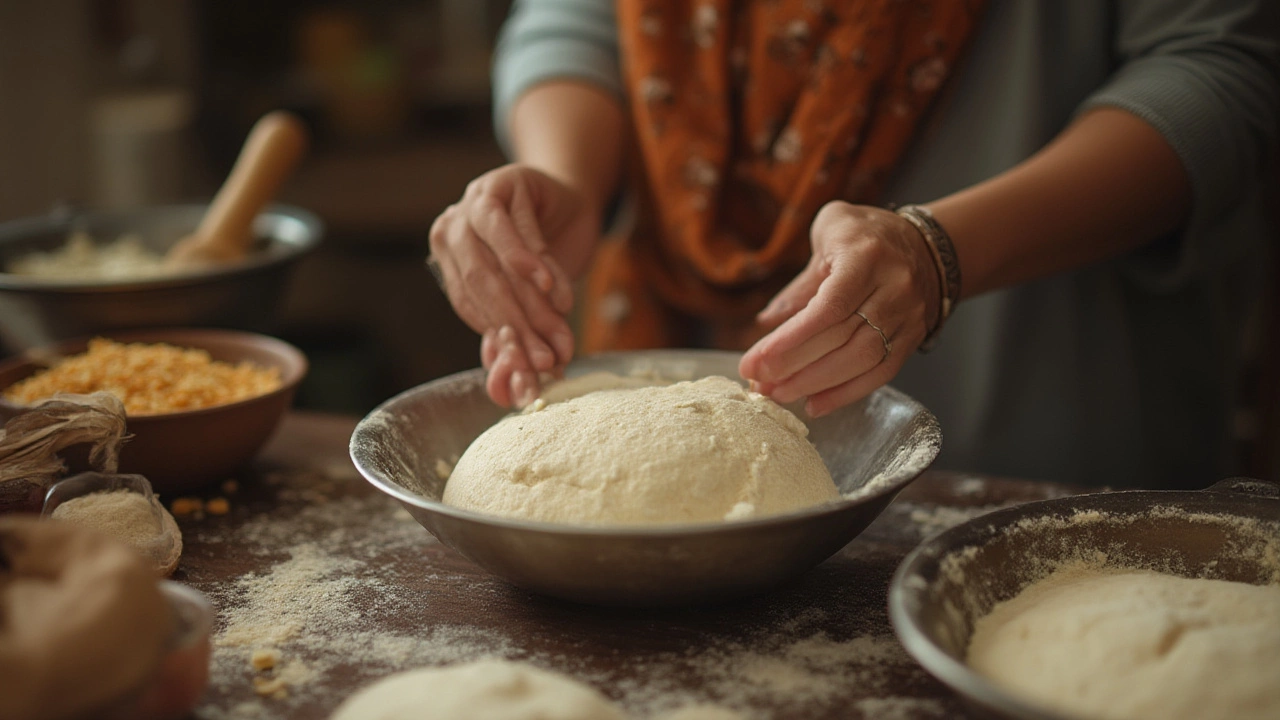
Why Your Roti Isn’t Puffing: Solutions & Secrets for Perfect Phulka
Roti not puffing? Uncover all the real reasons, with hands-on tips, fixes, and easy secrets for soft, puffy phulka every time. Troubleshoot like a pro, next meal.
learn more
Does Baking Soda Make Roti Soft? What Actually Works (And What Doesn’t)
Ever wondered if adding baking soda to your roti dough makes them softer? This article pulls apart the truth, looking at how baking soda interacts with dough, real tips from Indian home cooks, and what to watch out for. You'll also learn simple tweaks that work for soft rotis every time, with advice that skips the myths and keeps things practical. Forget guessing—find out what actually works and what to avoid in the quest for perfect rotis.
learn more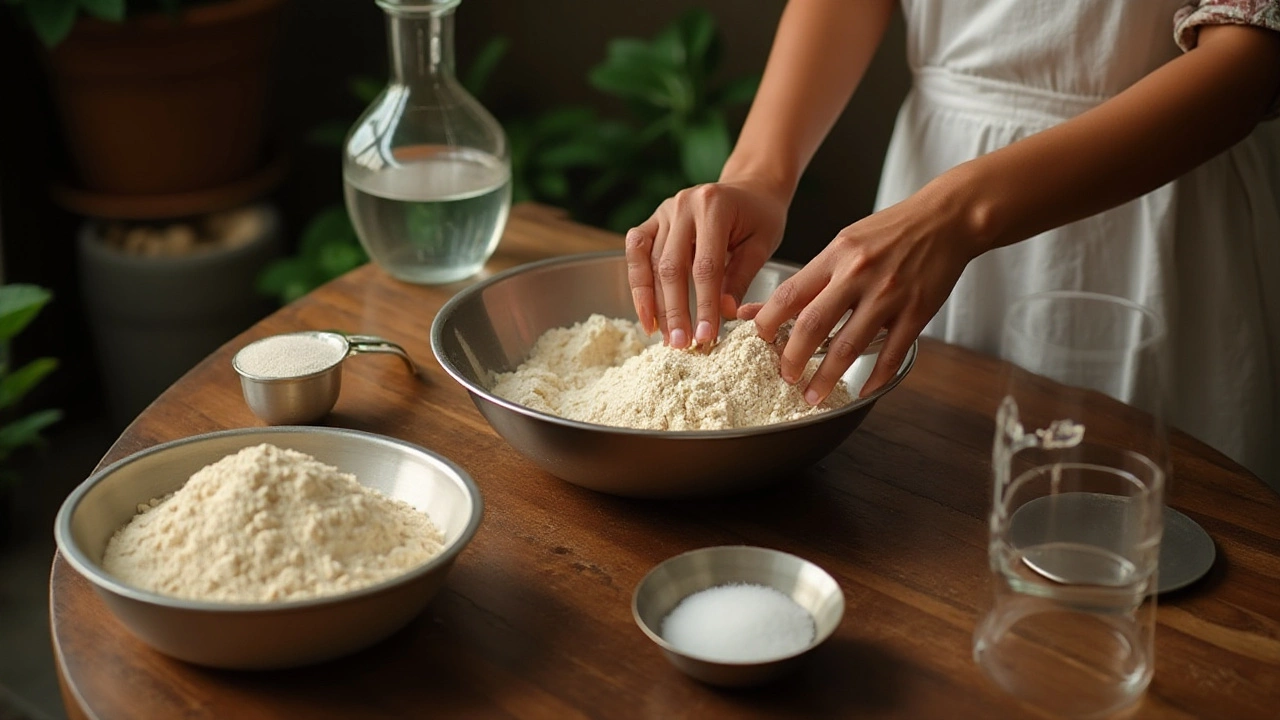
Master the Art of Making Soft Rotis: Expert Tips and Secrets
Crafting the perfect soft roti is an art that many home cooks strive to master. This article delves into the secrets of making fluffy and tender rotis with ease. You'll explore the importance of selecting the right flour, how hydration plays a crucial role, and the adding techniques that yield consistently soft results. Learn insightful tips and tricks shared by expert chefs and seasoned home cooks alike, ensuring that every roti you roll out is a testament to your culinary prowess.
learn more