Roti Making Tips: Simple Tricks for Soft, Fluffy Roti Every Time
When you make roti, a traditional Indian flatbread made from whole wheat flour, water, and salt. Also known as chapati, it’s the daily bread for millions across India—simple, nourishing, and deeply tied to home cooking. But getting it right isn’t just about mixing flour and water. It’s about touch, timing, and temperature. Too much flour on the board? Your roti turns dry. Pan too hot? It burns before it puffs. Too cold? It stays stiff and lifeless.
The secret isn’t in fancy tools or exotic ingredients. It’s in the roti dough, a simple mix of whole wheat flour, water, and a pinch of salt, kneaded until smooth and elastic. You want it to feel like your earlobe—soft but not sticky. Let it rest for at least 20 minutes. That’s not just waiting—it’s letting the gluten relax so the roti stretches without tearing. And don’t skip the oil. A light coat on the dough ball keeps it moist as it rests. When you roll it out, use as little dry flour as possible. Too much flour makes the roti gritty and tough. A damp cloth under the rolled roti helps it stay pliable.
Your cooking surface, whether it’s a tawa, cast iron skillet, or gas stove griddle. matters more than you think. It needs to be evenly heated—not smoking hot, not lukewarm. Test it with a drop of water: if it sizzles and dances, you’re good. Place the roti down, wait for bubbles to form, flip it, and press gently with a cloth. That’s when it puffs up like a balloon. If it doesn’t puff, it’s not the dough—it’s the heat. Keep the flame medium. High heat charred the outside before the inside could cook. Low heat makes it chewy. And never flip it too soon. Let it breathe.
People think roti is easy because it’s basic. But that’s exactly why it’s hard. There’s no room for error. A tiny mistake in dough, rolling, or heat ruins it. That’s why the best roti makers don’t follow recipes—they follow feel. You learn by doing. By watching the dough change, by listening to the sizzle, by smelling the toast. That’s why the posts below aren’t just instructions. They’re lessons from people who’ve burned roti, torn dough, and finally cracked the code. You’ll find fixes for dry roti, tips for rolling evenly, why resting time isn’t optional, and how to keep them soft for hours. No fluff. No theory. Just what works, day after day, in kitchens from Mysore to Mumbai.

Does Baking Soda Make Roti Soft? What Actually Works (And What Doesn’t)
Ever wondered if adding baking soda to your roti dough makes them softer? This article pulls apart the truth, looking at how baking soda interacts with dough, real tips from Indian home cooks, and what to watch out for. You'll also learn simple tweaks that work for soft rotis every time, with advice that skips the myths and keeps things practical. Forget guessing—find out what actually works and what to avoid in the quest for perfect rotis.
learn more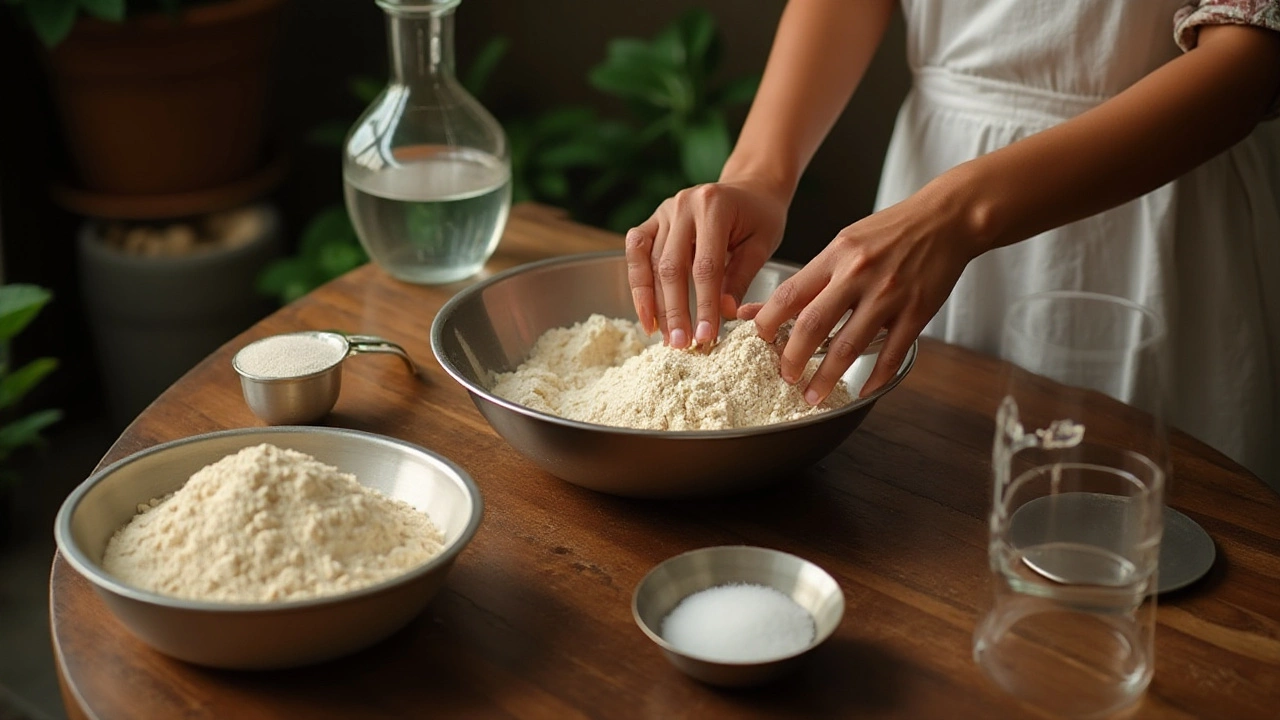
Master the Art of Making Soft Rotis: Expert Tips and Secrets
Crafting the perfect soft roti is an art that many home cooks strive to master. This article delves into the secrets of making fluffy and tender rotis with ease. You'll explore the importance of selecting the right flour, how hydration plays a crucial role, and the adding techniques that yield consistently soft results. Learn insightful tips and tricks shared by expert chefs and seasoned home cooks alike, ensuring that every roti you roll out is a testament to your culinary prowess.
learn more