Roti Dough: How to Make Perfect Flatbread Dough Every Time
When you make roti dough, a simple mix of whole wheat flour, water, and a pinch of salt used to make soft, stretchy Indian flatbreads. Also known as chapati dough, it’s the foundation of millions of meals across India—eaten with dal, curry, or just ghee. It’s not fancy, but get it wrong and your roti turns hard, cracks, or sticks to the pan. Get it right, and it puffs up like magic on the tava.
Roti dough isn’t just flour and water. It’s about whole wheat flour, the coarse, nutty flour called atta that holds moisture and gives roti its chew. You can’t substitute all-purpose flour and expect the same result—it lacks the gluten structure and fiber that make roti pliable. Then there’s dosa batter, a fermented mix of rice and urad dal used for crispy South Indian pancakes. People often confuse the two, but while dosa batter needs yeast-like fermentation and a thin pourable texture, roti dough is kneaded, rested, and rolled thick. One’s airy and crisp, the other soft and foldable. Both rely on hydration, but roti dough needs less water than you think—about 60% of the flour weight. Too much, and it’s sticky. Too little, and it’s tough.
Resting matters. Letting the dough sit for 20 to 30 minutes lets the gluten relax and the flour absorb water fully. Skip this, and your roti won’t roll smoothly. A little oil or ghee in the dough? Optional, but it helps with softness and shelf life. And don’t skip the kneading—10 minutes of firm, rhythmic pushing and folding is what turns lumpy dough into something that stretches without tearing. It’s the same principle behind bread, but simpler. No yeast, no oven. Just heat, pressure, and patience.
You’ll find roti dough in nearly every Indian kitchen, paired with dishes like curry, dal, or even chutney. It’s the utensil you don’t think about until you try eating biryani with a fork. And while some posts here talk about fixing soft dosa or balancing biryani spice, the real hero is often the humble dough you roll out before the meal even starts. Below, you’ll find real fixes, real tips, and real stories from people who’ve cracked the code on roti dough—no fluff, no theory, just what works.
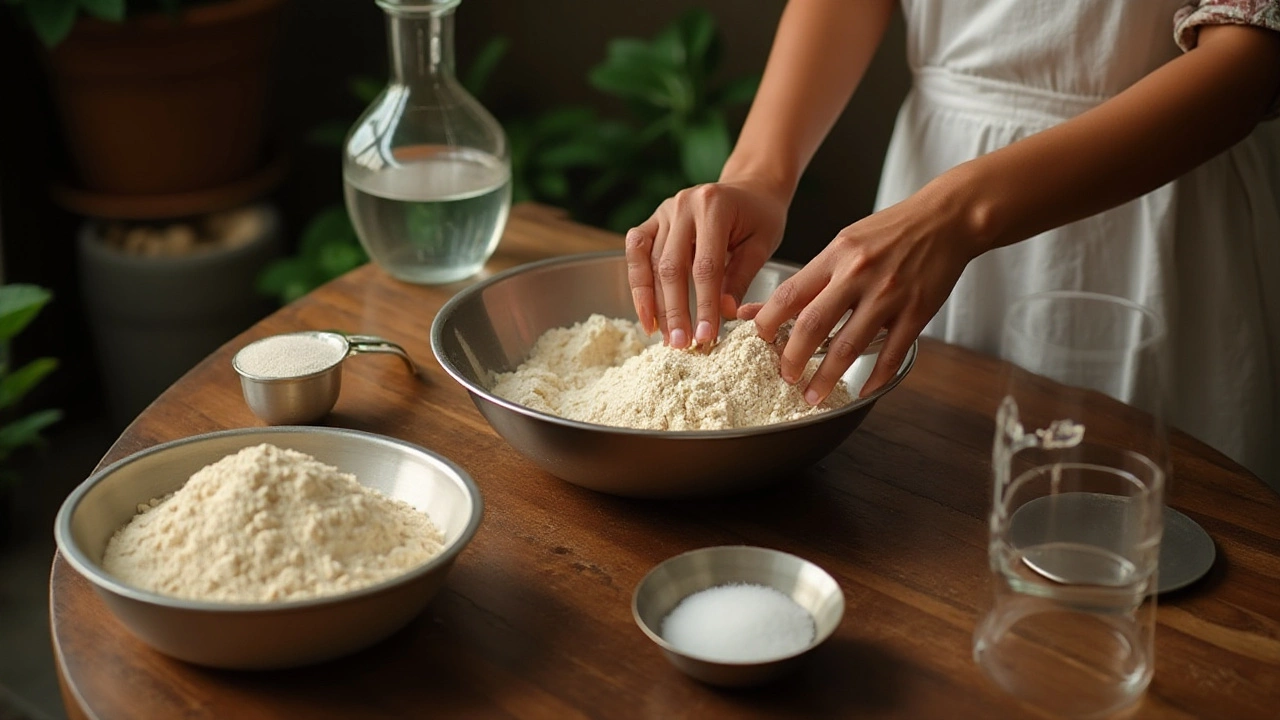
Master the Art of Making Soft Rotis: Expert Tips and Secrets
Crafting the perfect soft roti is an art that many home cooks strive to master. This article delves into the secrets of making fluffy and tender rotis with ease. You'll explore the importance of selecting the right flour, how hydration plays a crucial role, and the adding techniques that yield consistently soft results. Learn insightful tips and tricks shared by expert chefs and seasoned home cooks alike, ensuring that every roti you roll out is a testament to your culinary prowess.
learn more