Red Color in Indian Cooking: Why It Matters in Spices, Food, and Tradition
When you see a rich red color, a vibrant hue in Indian dishes that comes from natural spices, not artificial dyes. Also known as deep crimson or fiery orange-red, it’s not just decoration—it’s the fingerprint of flavor. That red you see in your biryani, tandoori chicken, or chutney doesn’t come from a bottle. It’s from chili powder, ground dried red chilies that bring heat and color to countless Indian recipes, or from turmeric, a golden-yellow spice that sometimes blends into reddish tones when mixed with other ingredients. These aren’t random choices. They’re centuries-old decisions rooted in taste, preservation, and even Ayurvedic belief.
Why does red matter? Because it tells you something’s working. A bright red tandoori marinade means the chili powder is fresh and the yogurt is doing its job—tenderizing while carrying the color deep into the meat. A red chutney made with dried red chilies or tomatoes isn’t just spicy—it’s layered. The red isn’t added after cooking; it’s built into the base. In South Indian breakfasts like idli with coconut chutney, a dash of red chili paste isn’t optional—it’s the spark. Even in sweets like certain laddoos or jalebis, a touch of red food coloring (often from lac or beet) signals celebration, not just sweetness. The red color in Indian food is a language. It says: this dish has depth, it’s been made with care, and it’s meant to be bold.
But here’s the catch: not all red is equal. Store-bought red food coloring doesn’t have the same health benefits or flavor complexity as real chili or paprika. That’s why the best Indian kitchens rely on what grows, what’s dried, and what’s ground fresh. You’ll find this in the posts below—how to get that perfect red without artificial help, why some recipes avoid it entirely, and how the color changes when you swap one spice for another. Whether you’re fixing a dull curry, making dosa batter that looks right, or wondering why your biryani isn’t glowing, the answers are all tied to the same thing: the real source of red in Indian cooking. Below, you’ll find practical fixes, ingredient swaps, and the science behind why color isn’t just skin deep—it’s soul deep.
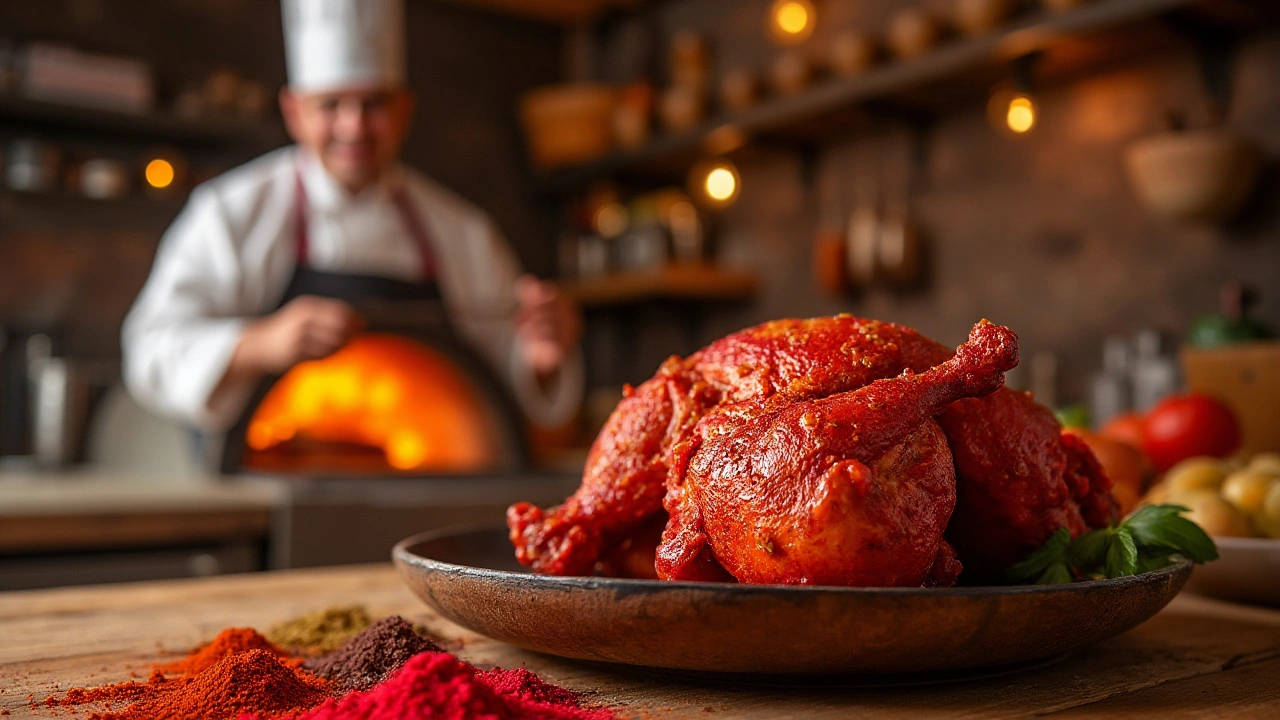
Mastering the Perfect Red Hue in Tandoori Chicken
Achieving the vibrant red hue in tandoori chicken is a blend of traditional seasoning and modern techniques. This guide explores the role of spices, natural food colors, and cooking methods that enhance the chicken's appearance and taste. Learn how saffron, paprika, and beetroot can offer a healthier alternative to synthetic dyes. Discover tips to balance flavor without compromising the authenticity of this classic dish. Perfecting this colorful dish could elevate your culinary skills to a new level.
learn more