Recipe Troubleshooting: Fix Common Cooking Mistakes in Indian Kitchen
When your recipe troubleshooting, the process of identifying and fixing errors in cooking methods that lead to failed dishes. Also known as cooking problem-solving, it’s what turns frustrating meals into perfect ones. isn’t just about following a recipe—it’s about understanding why things go wrong. You followed the steps, but your dosa came out soft. Your biryani rice turned mushy. Your tandoori chicken stuck to the pan. These aren’t random failures. They’re predictable mistakes rooted in small, fixable errors.
Take dosa batter, a fermented mix of rice and urad dal used to make crispy South Indian pancakes. Also known as dosa batter mix, it’s finicky because fermentation depends on temperature, time, and the right ratio of ingredients. Most people use a 1:2 ratio of rice to urad dal. But the secret? It’s 1:3. Too little urad dal, and your batter won’t puff. Too much, and it turns sticky. And if you skip soaking the dal overnight or use cold water, fermentation stalls. Your dosa won’t crisp up—not because you’re bad at cooking, but because the science of fermentation wasn’t respected.
biryani rice, parboiled basmati rice layered with spices and meat for a slow-cooked layered dish. Also known as biryani rice prep, it’s another area where timing makes or breaks the dish. Boil it too long, and it turns to mush under the dum. Boil it too short, and it stays hard in the center. The sweet spot? 7 to 8 minutes. That’s it. Not more, not less. And don’t skip the lemon juice—it’s not just for flavor. It stops the grains from sticking and keeps them separate. Same with tandoori chicken marinade, a yogurt-based mix with spices that tenderizes and flavors chicken before grilling. Also known as chicken marinade for tandoori, it fails when you use metal bowls (they react with yogurt), too much oil (it blocks spice absorption), or sugar (it burns before the chicken cooks through). Even something as simple as curry ingredients, the core spices and aromatics that build flavor in Indian curries. Also known as curry base spices, it’s not about dumping curry powder into a pot. Real flavor comes from toasting cumin seeds, frying garlic and onions until golden, then adding turmeric and coriander. Skip the layering, and your curry tastes flat—even if you used every spice in your cabinet.
These aren’t random tips. They’re the fixes real cooks use after years of trial and error. You’ll find them all here—clear, direct, no fluff. No theory. Just what works. Whether you’re fixing a soggy dosa, rescuing an over-spiced biryani, or making your tandoori chicken actually tender, the solutions are simple. You just need to know where to look.
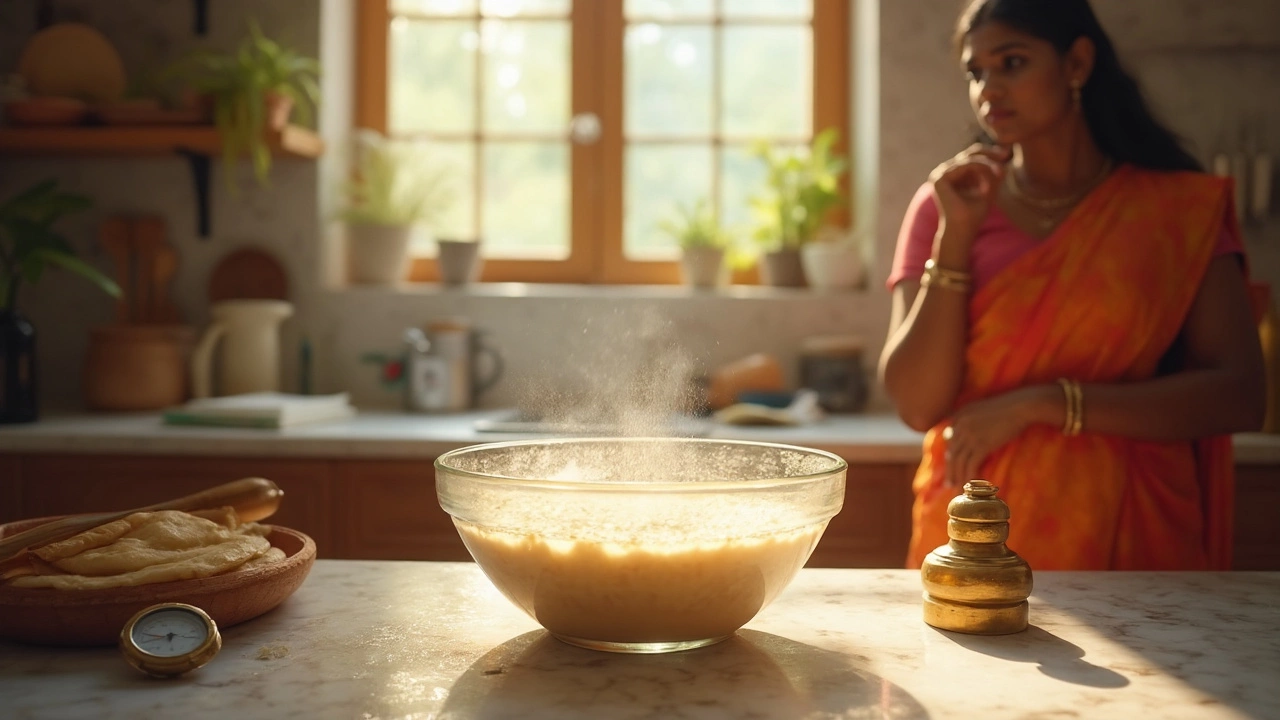
Dosa Batter: Why It Turns Sour and How to Prevent It
Ever wondered why dosa batter sometimes ends up too sour? This article breaks down the exact reasons behind sourness in dosa batter, driven by fermentation, temperature, and storage choices. You’ll pick up real tips for controlling batter flavor, extending its shelf life, and avoiding common mistakes. Get answers with concrete advice to keep your dosas tasting just right every time. Discover how to tweak your process for perfect results, every batch.
learn more