Poha in Dosa Batter: Why It Works and How to Use It
When you add poha, a flattened rice product commonly used in Indian breakfasts. Also known as aval, it to dosa batter, you’re not just throwing in a random ingredient—you’re tapping into a decades-old trick from South Indian kitchens. Poha isn’t just a breakfast on its own; it’s a secret weapon for better fermentation and texture in dosa batter. This simple addition helps break down starches faster, softens the rice grains, and gives your dosas that crisp edge and airy center without needing extra urad dal or longer soaking times.
Why does this work? Dosa batter relies on a balance between rice and urad dal. Too much rice, and the batter stays dense. Too little fermentation, and the dosa turns out soggy. Poha acts like a natural accelerator. It absorbs water quickly, loosens the rice structure, and gives the good bacteria more surface area to work on. The result? Faster fermentation—sometimes as little as 6 to 8 hours—and a batter that spreads thinner and fries up crispier. This trick is especially useful if you live in a cooler climate where fermentation slows down. You don’t need fancy equipment. Just rinse half a cup of poha, soak it with your rice for 4 to 6 hours, then grind it all together with the urad dal. It’s that simple.
People who make dosas regularly know this: the batter’s texture is everything. If your dosa sticks, tears, or stays soft, the problem isn’t your pan—it’s the batter. Many think you need more urad dal or longer soaking. But adding poha is often the missing piece. It’s not a replacement for the rice-urad dal ratio (that should still be 1:3), but a helper. Think of it like yeast in bread dough—it doesn’t change the flour, but makes the rise better. You’ll notice the batter becomes smoother, lighter, and more forgiving when you pour it. And the dosas? They crisp up faster, hold their shape, and don’t turn rubbery.
Some cooks even add a pinch of fenugreek seeds with the poha to boost fermentation and add a subtle sweetness. Others skip the seeds and just stick with poha. Both work. The key is consistency—use the same amount each time. Start with half a cup of poha for every 2 cups of rice. Try it once, and you’ll wonder why no one told you sooner. This isn’t a trendy hack. It’s a quiet, practical method passed down in households across Karnataka and Tamil Nadu. And now it’s yours to use.
Below, you’ll find real recipes and fixes from people who’ve tested this trick again and again. Some show how to adjust the water when using poha. Others explain why your batter still didn’t ferment—even with poha. You’ll see what happens when you skip soaking the poha, or when you use roasted instead of raw. There’s no guesswork here. Just clear, tested steps that turn a soft dosa into a perfect one.
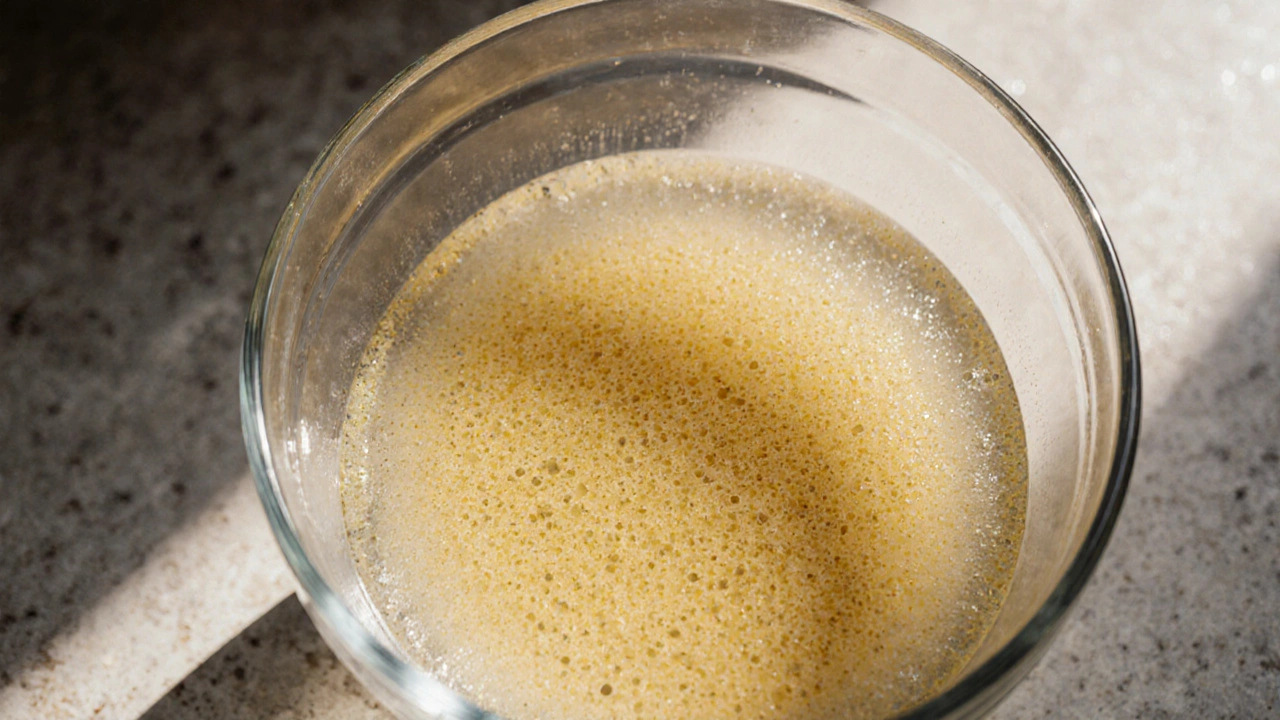
Why Add Poha to Dosa Batter? Benefits, Technique & Tips
Discover why poha is added to dosa batter, how it boosts fermentation, creates crisp texture, and learn a step‑by‑step method with tips and troubleshooting.
learn more