Poha Benefits: Why This Simple Breakfast Is a Nutritional Powerhouse
When you think of poha, a flattened rice dish popular across India, especially in Mysore and Maharashtra. Also known as flattened rice, it's one of the most common morning meals in Indian households—simple, fast, and packed with quiet nutrition. It’s not fancy, but it’s one of the few foods that actually delivers on energy without weighing you down. Unlike heavy breads or sugary cereals, poha digests easily, keeps you full longer, and gives your body the kind of clean fuel it needs to start the day right.
What makes poha stand out isn’t just how quick it is to cook—it’s what’s inside. A single cup of cooked poha delivers about 150 calories, mostly from complex carbs that release energy slowly. It’s naturally low in fat, contains no cholesterol, and is often made without oil if you’re watching your intake. Add a handful of peanuts, some curry leaves, turmeric, and a squeeze of lemon, and you’ve got a meal that’s anti-inflammatory, gut-friendly, and rich in plant-based protein. The turmeric in poha isn’t just for color—it’s a natural anti-inflammatory, and the lemon boosts iron absorption from the rice and peanuts. This isn’t just breakfast; it’s a smart, traditional health hack passed down for generations.
People who eat poha regularly often notice better digestion, fewer energy crashes, and even improved skin tone. It’s a favorite among those managing diabetes because it has a low glycemic index, meaning it won’t spike your blood sugar. Athletes and busy parents love it because it’s light but sustaining. Even if you’re trying to lose weight, poha can fit in—just skip the fried snacks and use minimal oil. It’s the kind of food that doesn’t ask for much but gives back a lot.
You’ll find poha in homes, street stalls, and even hospitals in South India—not because it’s trendy, but because it works. The recipes in this collection show you how to make it crispy, creamy, spicy, or sweet—depending on your mood or need. Whether you’re looking for a quick morning meal, a post-workout snack, or a gentle food for sensitive stomachs, the right poha recipe is waiting for you. No fancy ingredients. No long prep. Just real food that’s been feeding India for centuries.
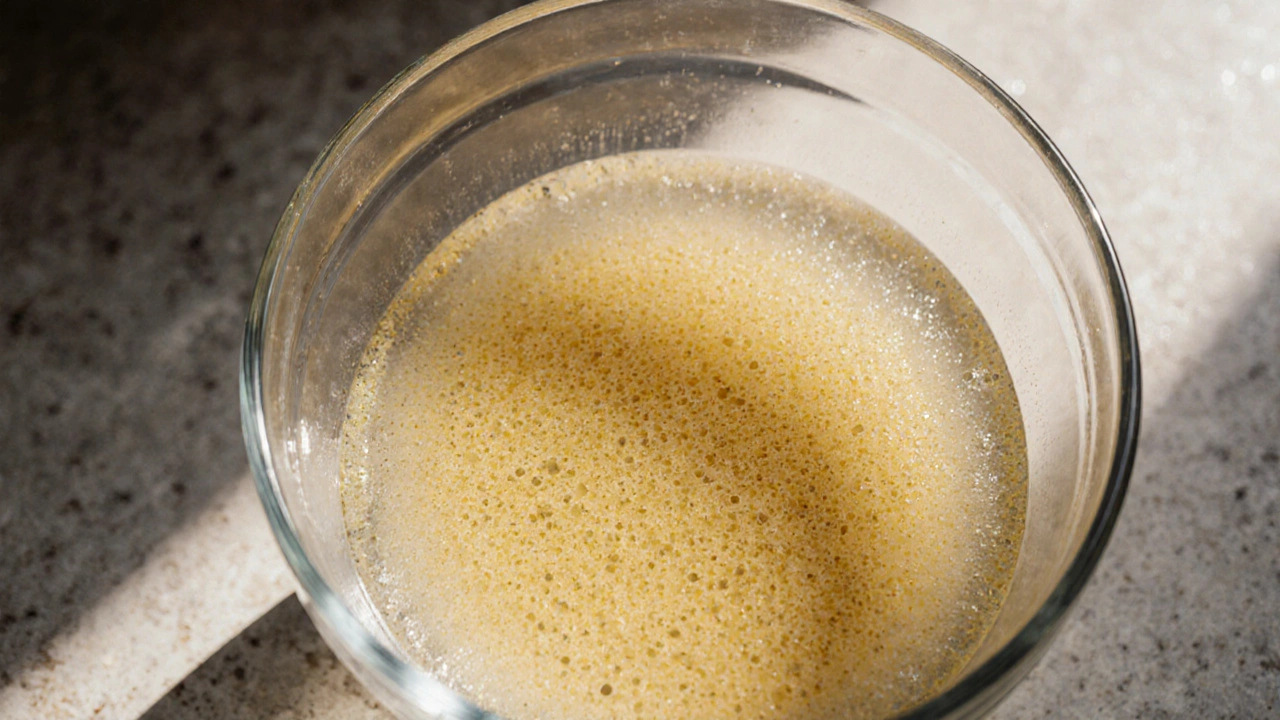
Why Add Poha to Dosa Batter? Benefits, Technique & Tips
Discover why poha is added to dosa batter, how it boosts fermentation, creates crisp texture, and learn a step‑by‑step method with tips and troubleshooting.
learn more