Mumbai Street Food: Authentic Snacks, Bold Flavors, and Where to Find Them
When you think of Mumbai street food, a vibrant, fast-paced culinary scene centered around affordable, flavorful snacks sold on sidewalks and carts across the city. Also known as Bombay street food, it’s not just about eating—it’s about experience, rhythm, and taste that hits you before you even sit down. This isn’t fancy dining. It’s hot vada pav wrapped in paper, pani puri bursting with tamarind water, and bhel puri tossed fresh in front of you—each bite packed with crunch, spice, and soul.
What makes Mumbai street food different? It’s the mix of ingredients and techniques passed down through generations. Vada pav, a spicy potato fritter sandwiched in a bun with chutneys is the city’s unofficial sandwich, eaten by office workers and students alike. Pani puri, tiny crispy shells filled with spiced water, potatoes, and chickpeas turns eating into a game—you pop, sip, chew, and repeat. And bhel puri, a tangy, crunchy mix of puffed rice, sev, onions, and chutneys? It’s the snack that changes with every vendor, but always delivers the same thrill.
You won’t find these dishes in cookbooks labeled "traditional Indian." They’re alive in the chaos of Chowpatty, the early morning stalls of Dadar, and the late-night carts near Marine Drive. The magic isn’t in fancy tools—it’s in fresh ingredients, quick prep, and the right balance of sweet, sour, spicy, and salty. You don’t need a stove to make them taste right—just the right hands, the right timing, and the right hunger.
Below, you’ll find real recipes and tips from people who’ve cooked these snacks for years. Whether you’re trying to recreate pani puri at home, fix a soggy vada pav, or understand why chutney makes all the difference, the posts here cut through the noise. No fluff. Just what works.
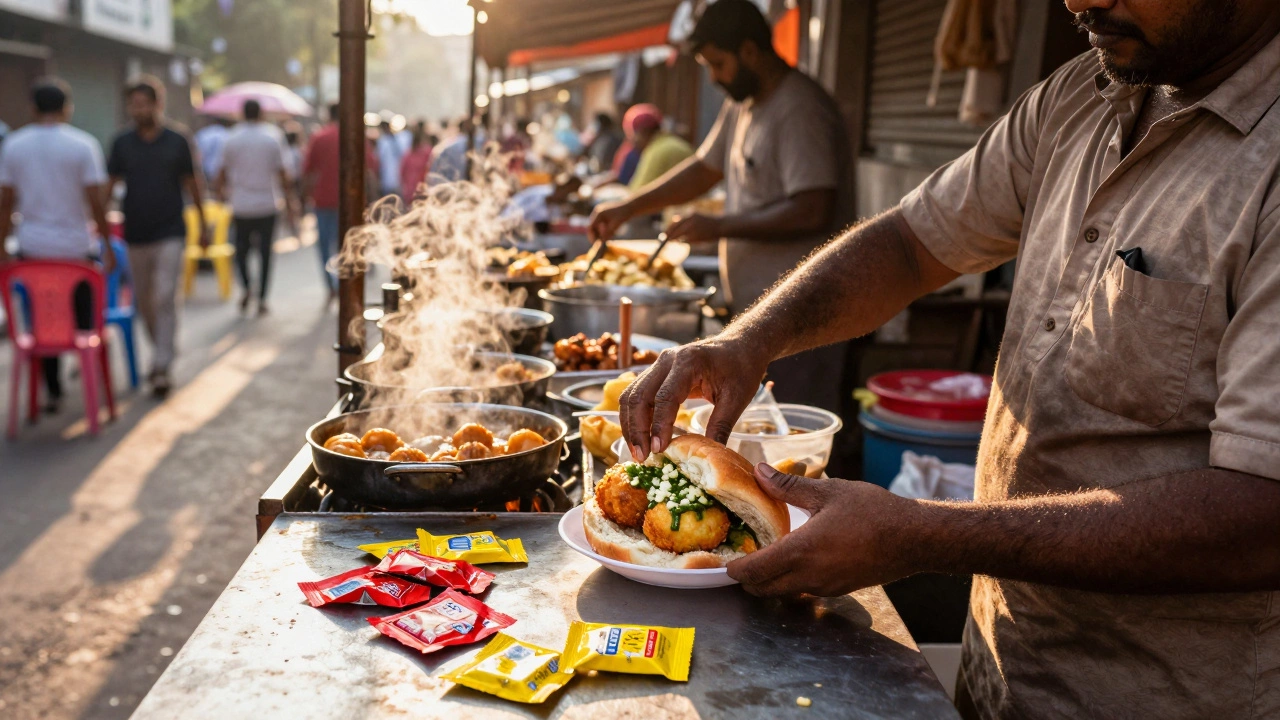
Which Indian State Has the Best Street Food? Top Contenders and What Makes Them Stand Out
Discover which Indian state has the best street food with a detailed guide to Mumbai, Delhi, Kolkata, Tamil Nadu, and Uttar Pradesh. Learn what makes each city’s snacks unique and how to eat like a local.
learn more