Street Food State Comparison Tool
Which Indian State Has the Best Street Food?
Compare Maharashtra, Delhi, West Bengal, Tamil Nadu, and Uttar Pradesh based on the five key criteria that define great street food: speed, consistency, affordability, local pride, and atmosphere.
Signature Dishes:
Key Criteria
How It Compares
Overall Winner:
Key Insight:
Ask ten people which Indian state has the best street food, and you’ll get ten different answers. That’s because street food in India isn’t just about eating-it’s about culture, memory, and the rhythm of daily life. From the early morning chai stalls in Varanasi to the late-night kebabs in Hyderabad, every city has its own signature bite. But if you’re looking for the state that truly leads the pack, the answer isn’t just about taste. It’s about variety, accessibility, history, and sheer volume of options that turn eating on the street into an art form.
Maharashtra: Mumbai’s Street Food Empire
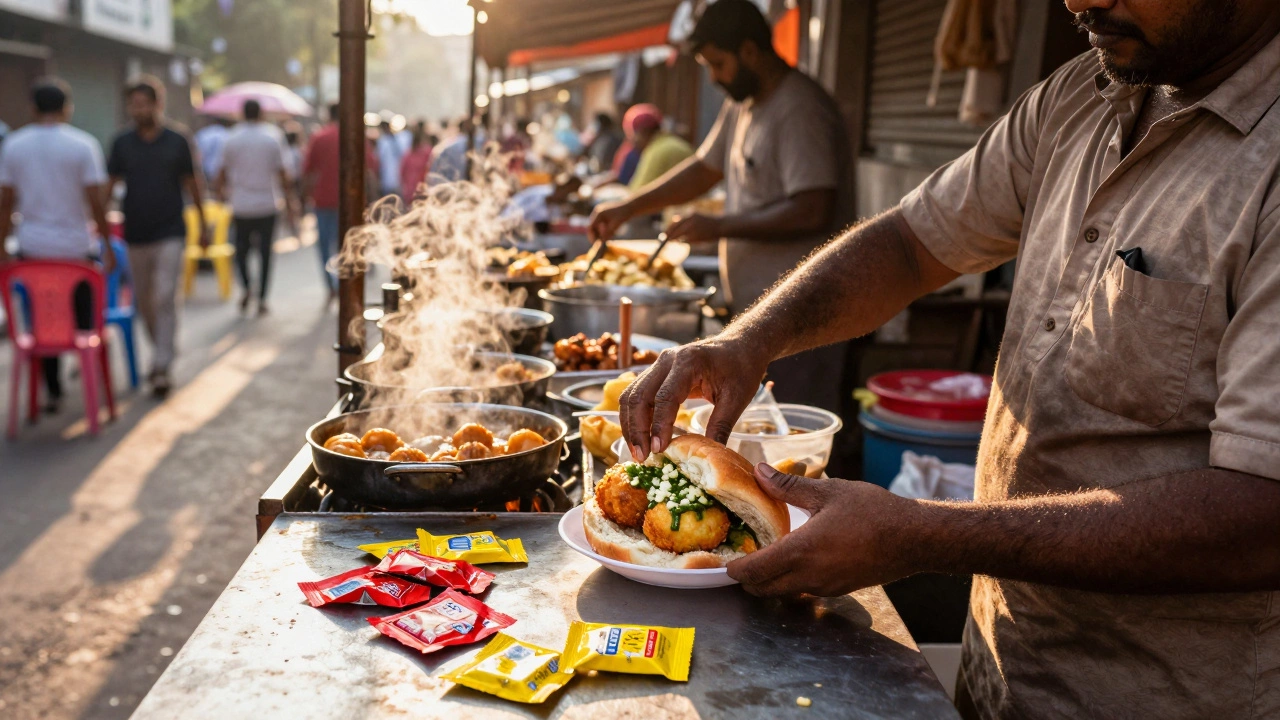
Mumbai doesn’t just have street food-it owns it. The city’s streets are lined with vendors who’ve been serving the same dishes for generations. The vada pav, often called India’s burger, started here. A crispy fried potato fritter stuffed in a soft bread roll, topped with green chutney and spicy garlic paste, costs less than 20 rupees and fuels millions of commuters every day. You’ll find it in every neighborhood, from Bandra to Andheri.
Then there’s pav bhaji, a buttery, spicy mash of vegetables served with toasted bread. It’s messy, hearty, and impossible to eat without licking your fingers. Mumbai’s original pav bhaji joints, like Sardar Hotel in Dadar, have been open since the 1950s. The secret? Slow-cooked vegetables, a touch of tomato paste, and a generous smear of butter that melts into every bite.
Don’t forget sev puri-crisp flatbread topped with potatoes, onions, chutneys, and a shower of crunchy sev. Or pani puri, the ultimate street snack: hollow puris filled with spiced water, tamarind chutney, potato, and chickpeas. Eat one, and you’ll understand why Mumbai’s street food scene draws food tourists from across the world.
Delhi: Layers of History in Every Bite
Delhi’s street food tells the story of centuries. Mughal influence runs deep here. In Old Delhi’s Chandni Chowk, you’ll find kebabs grilled over charcoal, marinated in spices like saffron, cardamom, and rose water. The shami kebab, made with minced meat and lentils, is tender enough to melt on your tongue.
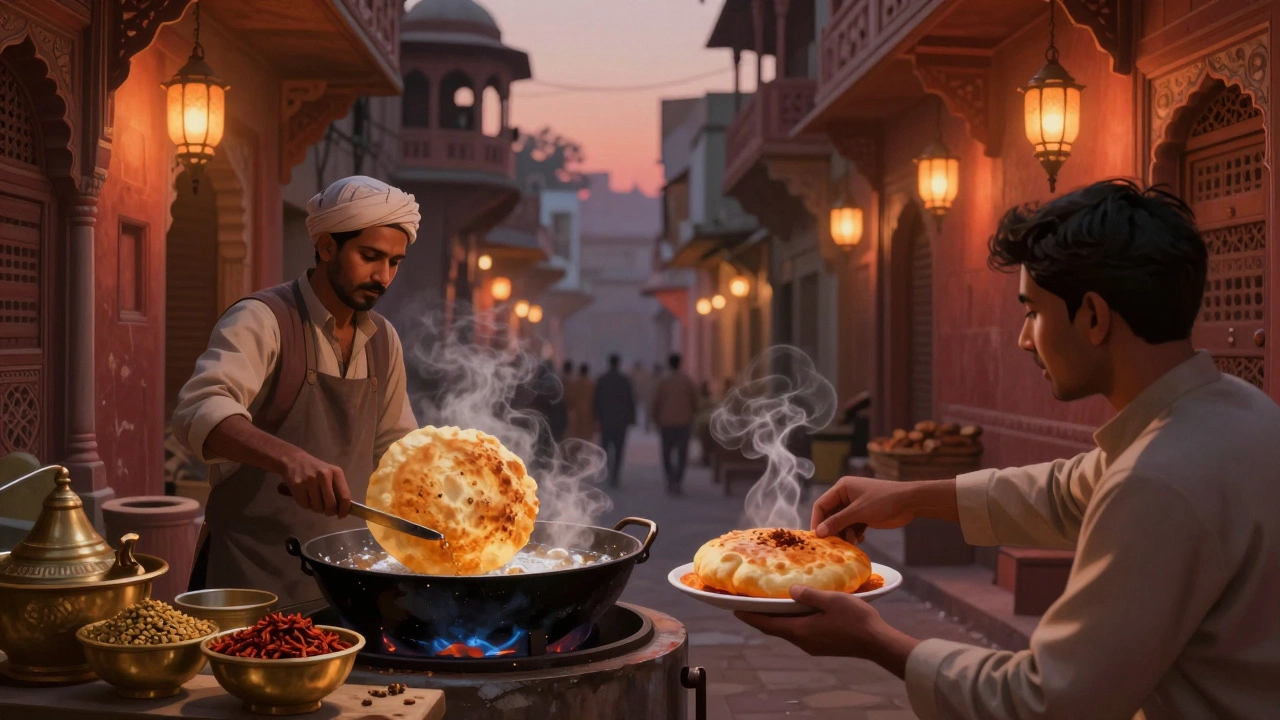
Then there’s chole bhature-spicy chickpeas paired with deep-fried, fluffy bread. It’s a breakfast staple, but you’ll find it served at 10 p.m. too. Vendors here don’t just cook; they perform. Watch as they stretch the bhature dough, fry it in bubbling oil, and serve it steaming hot with a side of pickled onions and yogurt.
And let’s not forget parathas. At Paranthe Wali Gali, you’ll find over 30 types of stuffed parathas-aloo, paneer, dal, even mango. Each one is cooked fresh on a griddle and served with a dollop of butter and a side of sweet-and-sour chutney. Delhi’s street food doesn’t just satisfy hunger-it tells stories.
West Bengal: Kolkata’s Sweet and Savory Soul
Kolkata’s street food is quieter, but no less powerful. It’s where sweet meets savory in surprising ways. The phuchka (what Kolkata calls pani puri) is different here-the water is tangier, the potato filling is lighter, and the sev is finer. Locals swear it’s the best version in the country.
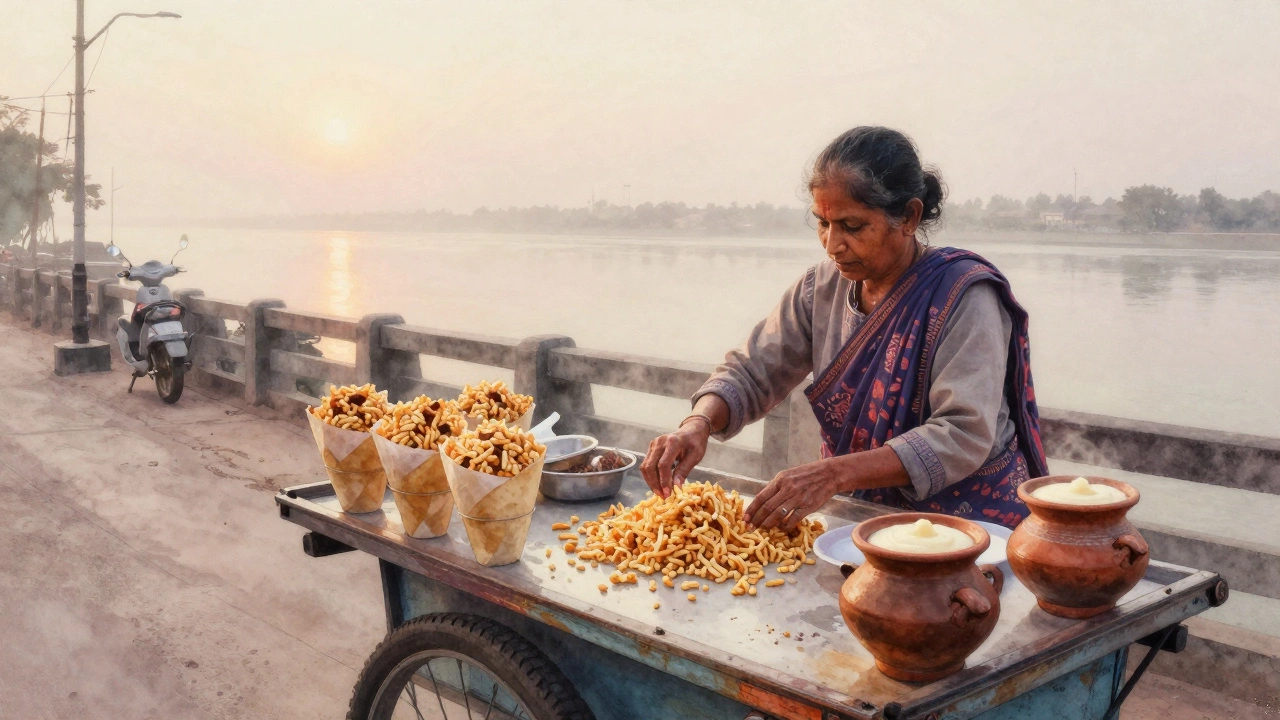
Then there’s jhal muri, a crunchy snack made with puffed rice, mustard oil, chopped onions, chili, and roasted peanuts. It’s eaten straight from a paper cone, often while walking to work. You won’t find this snack anywhere else in India with the same consistency or flavor balance.
And let’s talk about mishti doi. This sweet yogurt, caramelized with jaggery and set in earthen pots, is sold from carts near temples and bus stops. It’s not fancy, but it’s the perfect end to any street food meal. Kolkata’s street food doesn’t shout-it whispers, and you lean in to listen.
Tamil Nadu: South India’s Spice-Driven Streets
Chennai and Madurai don’t compete with Mumbai or Delhi in volume, but they win on authenticity. Here, street food is rooted in tradition. The medu vada-a doughnut-shaped fritter made from lentils-is served with coconut chutney and sambar. It’s crispy outside, soft inside, and eaten with your hands.
Idli-sambar isn’t just breakfast here-it’s a daily ritual. Steamed rice cakes, soft as clouds, dipped in a tangy lentil broth flavored with tamarind and curry leaves. Vendors serve them on banana leaves, and you’ll see office workers, students, and grandmothers all eating the same thing at 7 a.m.
And then there’s bonda-a spiced potato ball coated in chickpea batter and fried. It’s cheap, filling, and sold by women who’ve been making them since they were teenagers. In Tamil Nadu, street food isn’t a trend. It’s a lifeline.
Uttar Pradesh: The Heartland of Flavors
Varanasi and Lucknow might not have the crowds of Mumbai, but their street food is deeply emotional. In Varanasi, the kaali dal (black lentils) served with boiled rice and a side of spicy chutney is eaten at dawn by pilgrims. It’s simple, but the flavor lingers.
Then there’s galouti kebab from Lucknow. Made with tenderized meat, cardamom, and rose petals, these kebabs are so soft they melt without chewing. Legend says they were created for a king who lost his teeth but still wanted to enjoy meat. Today, they’re served on small buns with mint chutney and sliced onions.
And don’t miss chaat in Varanasi-especially the bhel puri made with fresh puffed rice, sev, tamarind, and green chutney. The vendor adds a splash of lemon and a pinch of roasted cumin powder. It’s the kind of snack that makes you close your eyes and smile.
Why Maharashtra Takes the Crown
So which state has the best street food? If you’re judging by sheer variety, accessibility, and cultural impact, Maharashtra wins. Mumbai’s street food scene is the most diverse in India. You can eat a vada pav at 7 a.m., a pani puri at noon, a kebab roll at 5 p.m., and mishti doi at midnight-all within a 10-kilometer radius.
It’s not just about the food. It’s about the system. Mumbai’s street vendors operate under a loose but functional network. They know their regulars, their peak hours, their spice levels. They’ve perfected efficiency without sacrificing flavor. And they’ve done it without formal training, expensive equipment, or marketing.
Other states have signature dishes. But only Maharashtra turns street food into a daily, city-wide celebration. No other place in India offers 50+ types of street snacks that are all affordable, fresh, and made in front of you-every single day.
What Makes a Great Street Food Experience?
It’s not just about taste. Here’s what separates good street food from great:
- Speed-You get your food in under 90 seconds, even during rush hour.
- Consistency-The same taste, same texture, same spice level, every time.
- Affordability-Most items cost under 50 rupees ($0.60 USD).
- Local pride-Vendors don’t change recipes to please tourists.
- Atmosphere-The smell, the noise, the clatter of plates-it’s part of the meal.
If you’re visiting India for the first time, skip the fancy restaurants. Head straight to the street. Eat where the locals eat. You’ll taste India better there than anywhere else.
Is street food in India safe to eat?
Yes, if you follow basic rules. Choose stalls with high turnover-food is fresh and hot. Look for vendors who use clean utensils and wear gloves or use tongs. Avoid ice in drinks unless you’re sure it’s made from filtered water. Most street vendors in major cities like Mumbai and Delhi follow hygiene standards out of necessity-bad food means no customers.
What’s the cheapest street food in India?
Pani puri and sev puri are usually the cheapest, often costing 10-15 rupees ($0.12-$0.18 USD) per piece. In smaller towns, a simple vada pav can be as low as 12 rupees. These snacks are designed to be affordable for daily workers, students, and families.
Which Indian state has the spiciest street food?
Andhra Pradesh and Telangana are known for the fiercest heat, especially in dishes like gutti vankaya curry and spicy biryani. But Mumbai’s pani puri and Kolkata’s jhal muri can pack a punch too. Spice levels vary by vendor-always ask for "less spicy" if you’re not used to it.
Can vegetarians find good street food in India?
Absolutely. Over 80% of Indian street food is vegetarian. Vada pav, pani puri, bhel puri, dosa, idli, chole bhature, and sev puri are all plant-based. Even kebabs often have vegetarian versions made with paneer or potatoes. You’ll rarely struggle to find something that fits your diet.
When is the best time to try street food in India?
Late afternoon to evening is ideal. That’s when most stalls are fully stocked, and the food is at its freshest. In Mumbai, 6 p.m. to 10 p.m. is peak street food time. In Delhi, Chandni Chowk comes alive after 7 p.m. Avoid eating too early-some stalls don’t open until mid-morning.
Next Steps: Where to Start Your Street Food Journey
If you’re planning a trip to India and want to taste the best street food, start in Mumbai. Walk through Juhu Beach at sunset, grab a vada pav, then head to Chowpatty for pani puri. From there, take a train to Delhi and explore Chandni Chowk. Then fly to Kolkata and try jhal muri from a street cart near Park Street. You’ll have tasted three of India’s greatest street food cultures in one trip.
Don’t rush. Eat slowly. Talk to the vendors. Ask what’s their favorite item. You’ll not only taste better food-you’ll remember it longer.