Milk Yield: What Affects Dairy Production in Indian Cooking and Home Kitchens
When you think about milk yield, the amount of milk produced by a cow or buffalo over a given period. Also known as dairy output, it’s not just a number on a farm ledger—it’s the foundation of countless Indian dishes, from creamy kheer to soft paneer and rich curd. In homes across South India, especially in places like Mysore, milk yield directly shapes what ends up on your plate. If the daily milk supply is low, families adjust—using less ghee, stretching curd with water, or swapping fresh milk for powdered alternatives. It’s not about luxury; it’s about survival, tradition, and flavor.
What drives milk yield? It’s not magic. It’s the cow breed, specific types like Sahiwal or Gir, known for high milk production in Indian climates. It’s the feed quality, how much green fodder, jowar, or coconut husk the animal gets daily. And it’s the milking routine, whether the cow is milked twice a day, at consistent times, with clean hands and proper technique. In rural Karnataka, where many of these recipes originated, families still hand-milk their cows at dawn and dusk. That rhythm affects everything—the thickness of the cream, how long the curd takes to set, even how well the milk froths for chai.
Modern kitchens might use packaged milk, but the old ways still matter. If your milk doesn’t foam well, it’s not your pot—it’s the yield. Low-yield milk is thinner, less fat-rich, and ferments slower. That’s why traditional dosa batter made with home-milk often rises better than store-bought. That’s why homemade paneer from village milk holds its shape without falling apart. And that’s why recipes from Mysore don’t just list ingredients—they assume you know where your milk came from.
Below, you’ll find real cooking tips tied to this reality—how to adjust recipes when milk is scarce, how to tell if your milk is from a high-yield source, and how to make the most of every drop. No fluff. Just what works, based on decades of home kitchens and local dairies.
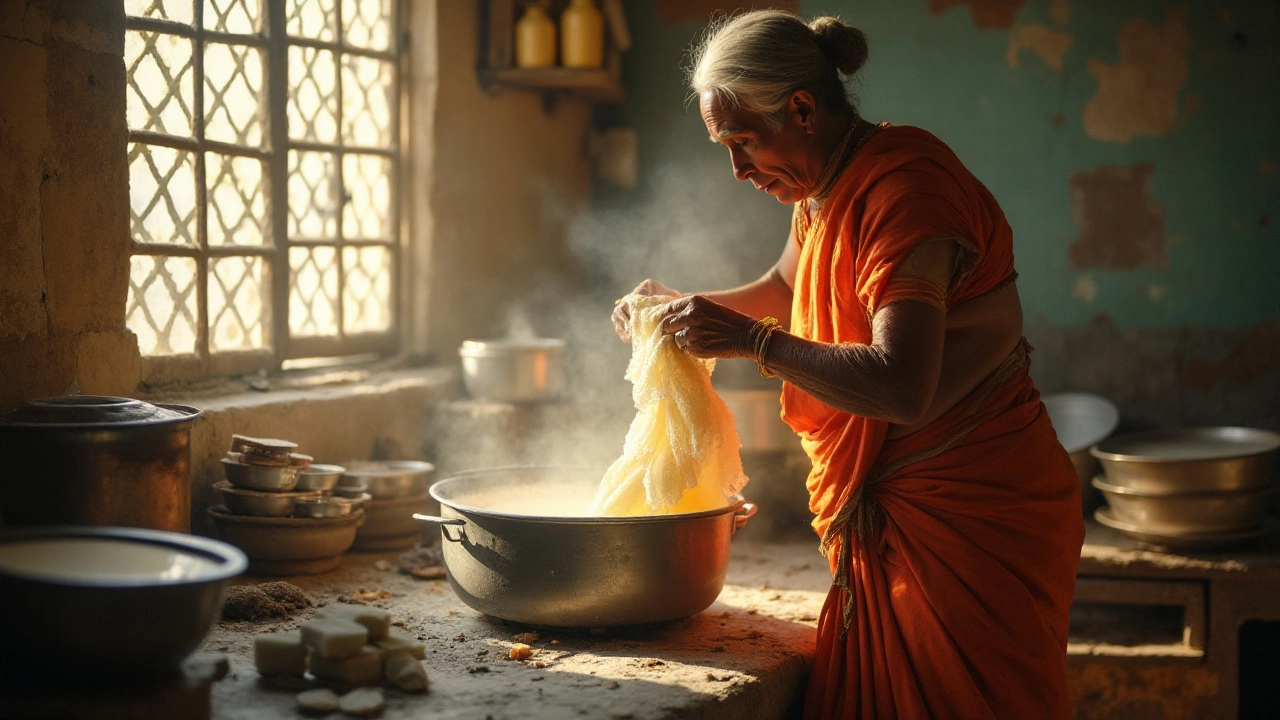
How Much Paneer Can You Get from One Gallon of Milk: A Detailed Guide
Paneer, the soft and delightful Indian cheese, is a popular staple in various cuisines. Discover the fascinating process of turning a gallon of milk into paneer, understanding yield variations and key factors that influence it. Learn helpful tips and practical insights for making perfect paneer at home. Embrace your culinary curiosity as we explore the intersection of science and tradition in cheese-making.
learn more