Indian Recipes: Authentic Flavors, Simple Steps, Real Results
When you think of Indian recipes, traditional home-cooked meals from across India, especially from the South, centered on rice, lentils, spices, and fresh ingredients. Also known as South Indian cuisine, it’s not about complicated techniques—it’s about layers of flavor built slowly, with care. These aren’t restaurant dishes you order. These are the meals your grandmother made, the ones that fill homes in Mysore every morning: idli steaming in a pot, dosa sizzling on a hot griddle, dal simmering with turmeric and curry leaves.
What makes these recipes work isn’t secret ingredients—it’s understanding the dosa batter, a fermented mix of rice and urad dal that turns airy and crisp when cooked right. It’s knowing why you add biryani spice, a blend of whole and ground spices like cardamom, cloves, and cumin, layered into rice and meat for slow-cooked depth. And it’s realizing that chutney pairings, the tangy, spicy, or sweet condiments that lift simple meals like dosa, samosa, or even plain rice aren’t optional—they’re the soul of the plate. Skip the chutney, and you miss half the story.
You won’t find here a list of generic curry powders or bottled sauces. Every recipe here comes from real kitchens, tested over years, adjusted for home cooks who don’t have a tandoor but still want that smoky, spicy, aromatic bite. Whether you’re fixing a soft dosa, balancing biryani heat, or learning how to stop lentils from gassing you up, you’re not just following steps—you’re learning why things work. The science is simple: fermentation lifts batter, lemon brightens rice, coconut milk needs gentle heat, and onions blend into a base that holds everything together.
These are the recipes that feed families, not just Instagram feeds. They’re the ones you’ll make again and again—not because they’re trendy, but because they taste right. Below, you’ll find real fixes, real answers, and real food. No fluff. No filler. Just what works.
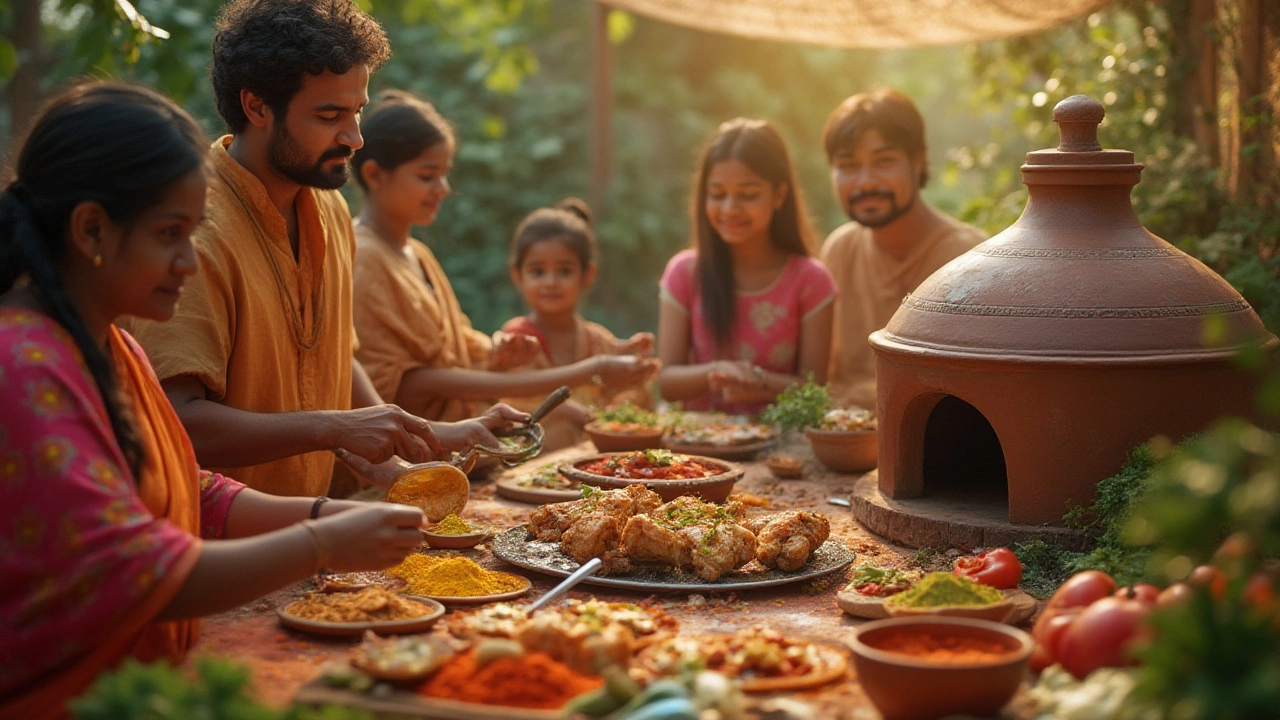
Is Tandoori Chicken Healthy? Nutrition, Taste, and Cooking Tips
Is tandoori chicken really healthy or not? See what makes it good, what to watch out for, and get smart tips for cooking and enjoying this famous Indian dish.
learn more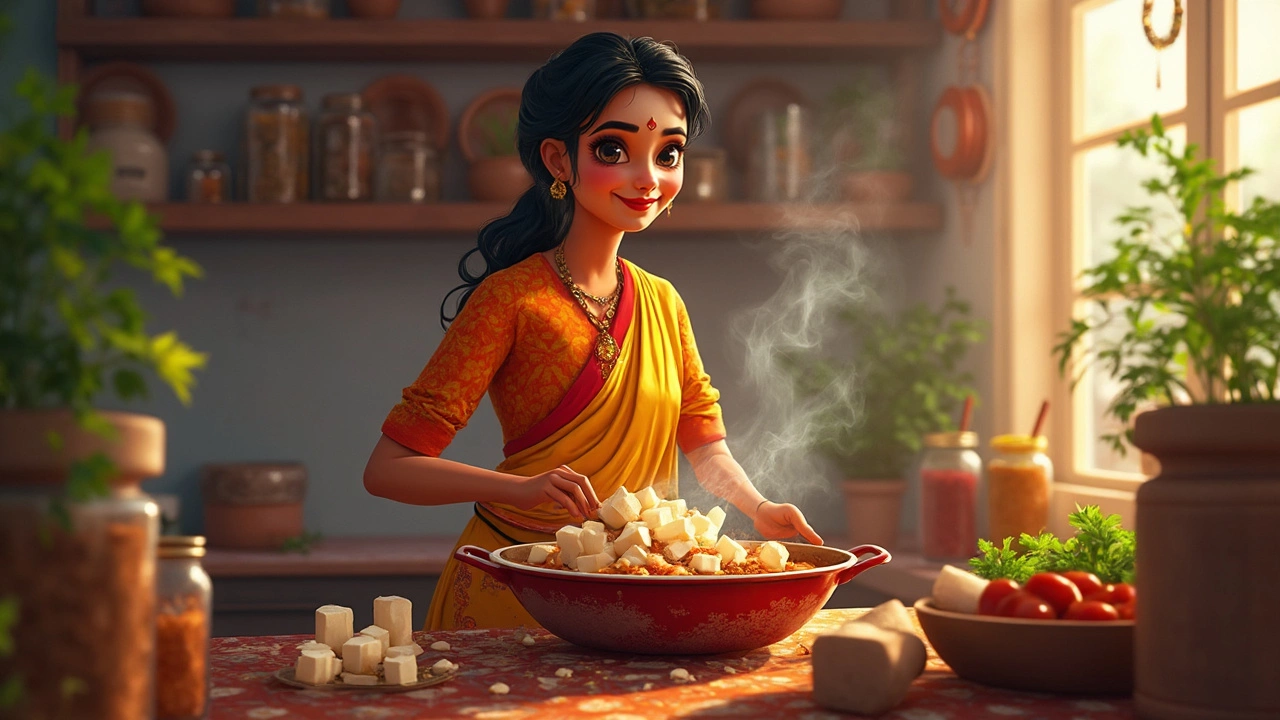
Can You Add Paneer Straight to Curry? Homemade Paneer Tips You Need
Ever wondered if you can add paneer directly to your curry? This article covers everything you need to know about using homemade paneer in curries—from when to toss it in to how to keep it from falling apart. You'll learn useful tricks that make paneer taste even better and avoid the typical rookie mistakes that ruin its texture. Save time in the kitchen and get the most flavor out of your homemade paneer.
learn more
Least Spicy Indian Dish: What to Try If You Can't Handle Heat
Not all Indian food is fiery and loaded with chili. There are plenty of mild and delicious Indian dishes that anyone can enjoy, even if you have zero spice tolerance. This article breaks down the least spicy Indian options and shares practical tips to keep your meal mild. Get familiar with classic recipes and ingredients that are gentle on your taste buds. You'll also learn how to adjust spice levels at home, and what to watch out for when eating out. Perfect for anyone wanting to enjoy Indian flavors without burning their mouth.
learn more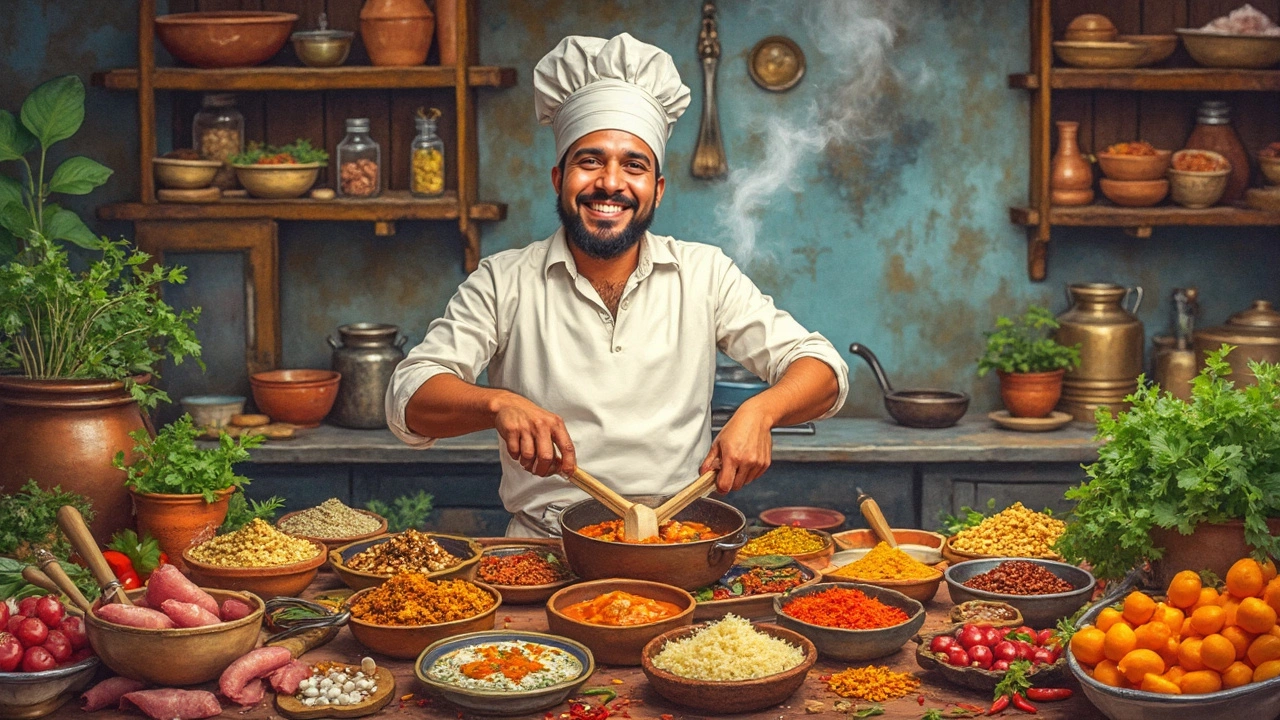
Tastiest Indian Curry: Unveiling the Flavors
Indian curries are a delightful explosion of flavors, each with its own unique twist. While opinions vary, a few curry recipes stand out as particularly scrumptious. Whether it's creamy, spicy, or full of aromatic herbs, the tastiest Indian curry is one that tantalizes your taste buds. This article explores some of the most beloved curries and offers tips to recreate these mouth-watering dishes at home.
learn more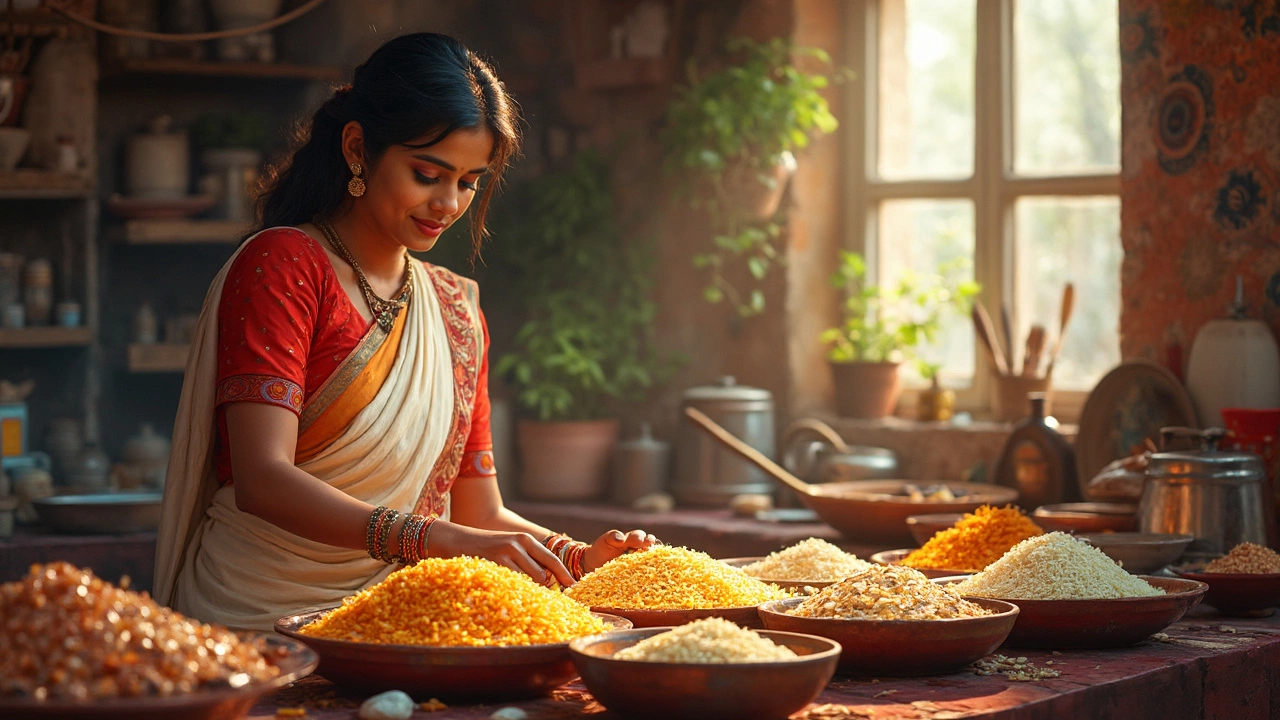
Choosing the Right Rice for Dosa Batter in the USA
Picking the right rice for dosa batter can make all the difference in your dosa-making experience. This article explores various types of rice available in the USA that are perfect for dosa batter. You'll also find handy tips and some fascinating insights into the dosa-making tradition. Whether you're a seasoned dosa maker or a beginner, this guide will help you perfect your batter.
learn more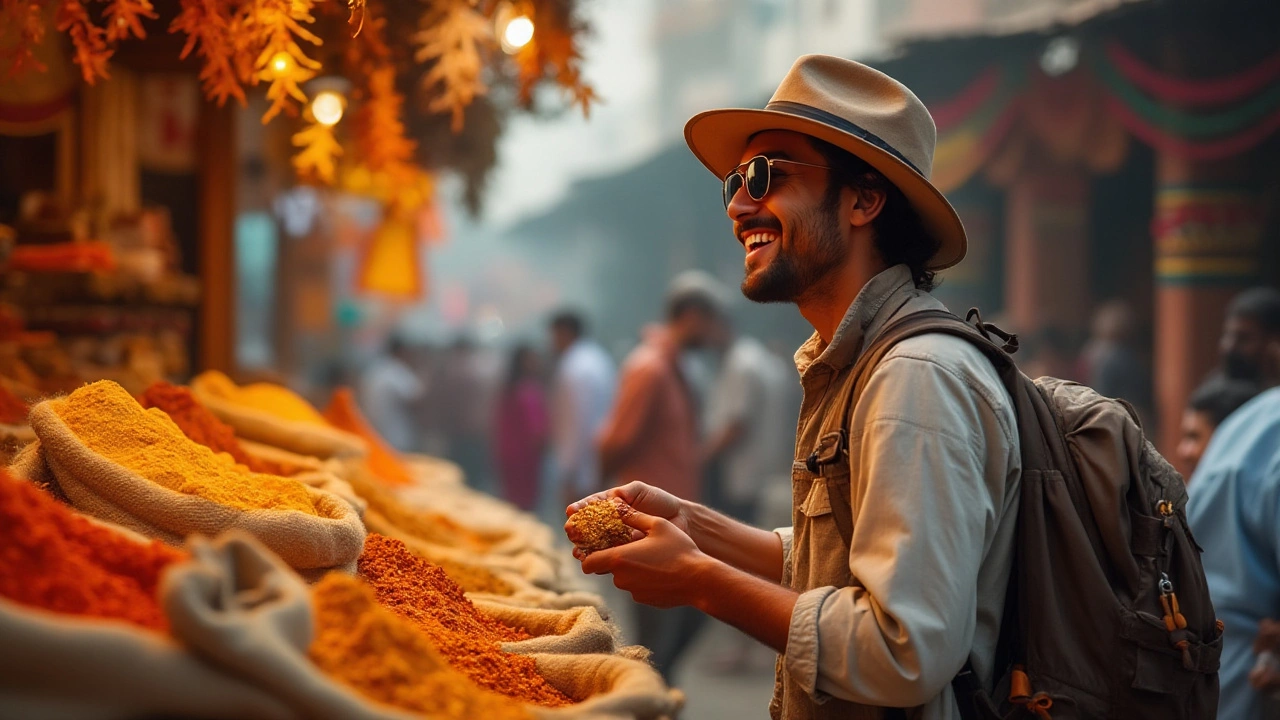
Essential Indian Dishes for American Travelers
Discover a guide crafted for American travelers seeking to savor India's flavors while staying within the realm of simple and approachable recipes. Featuring delectable dishes that encapsulate the essence of Indian cuisine, these suggestions ensure a culinary exploration that suits diverse palates. Learn about staple ingredients, regional specialties, and tasty spices that enhance each dish. Whether you're tasting street food or attempting to cook local favorites at home, these tips will help you navigate India's culinary scene with confidence. Delve into a world rich with taste and tradition, and elevate your dining experience while abroad.
learn more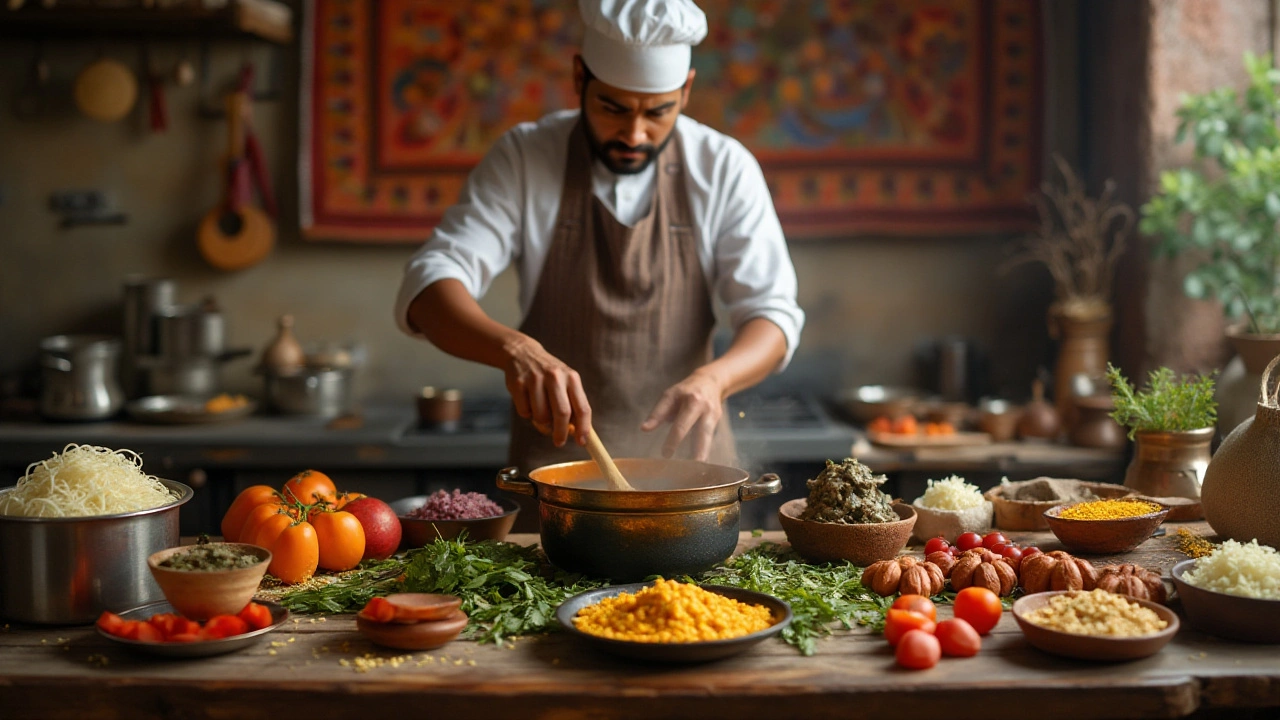
Exploring Egg Cuisine in India: Easy Recipes for Everyone
Eggs play a unique role in Indian cuisine, often bridging traditional vegetarian and modern culinary practices. While some regions avoid eggs due to cultural or religious reasons, others embrace them wholeheartedly. Delve into the diverse world of Indian egg dishes, complemented by quick and tasty recipes that you can recreate at home. Whether you're a novice or an experienced cook, there's something egg-citing in Indian cuisine for you.
learn more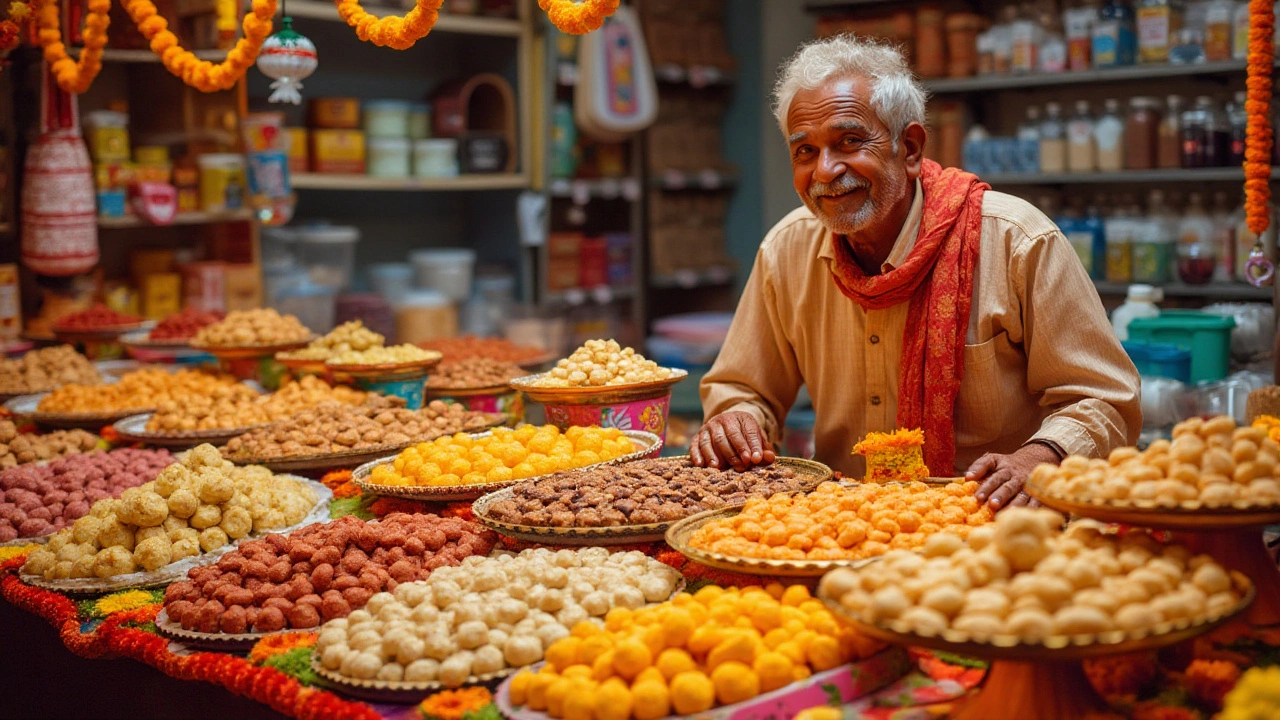
Discovering the Healthiest Indian Sweets for Guilt-Free Indulgence
Exploring the realm of Indian sweets can be both a delightful and overwhelming experience as these sugary delights have been tempting taste buds for centuries. However, for those mindful of their health, not all sweets are created equal. This article enlightens readers about some of the healthier options in the world of Indian desserts, offering insights into their nutritional benefits and ingredients that contribute to better well-being. Dive into the richness of Indian cuisine while keeping an eye on your health with these sweet treats.
learn more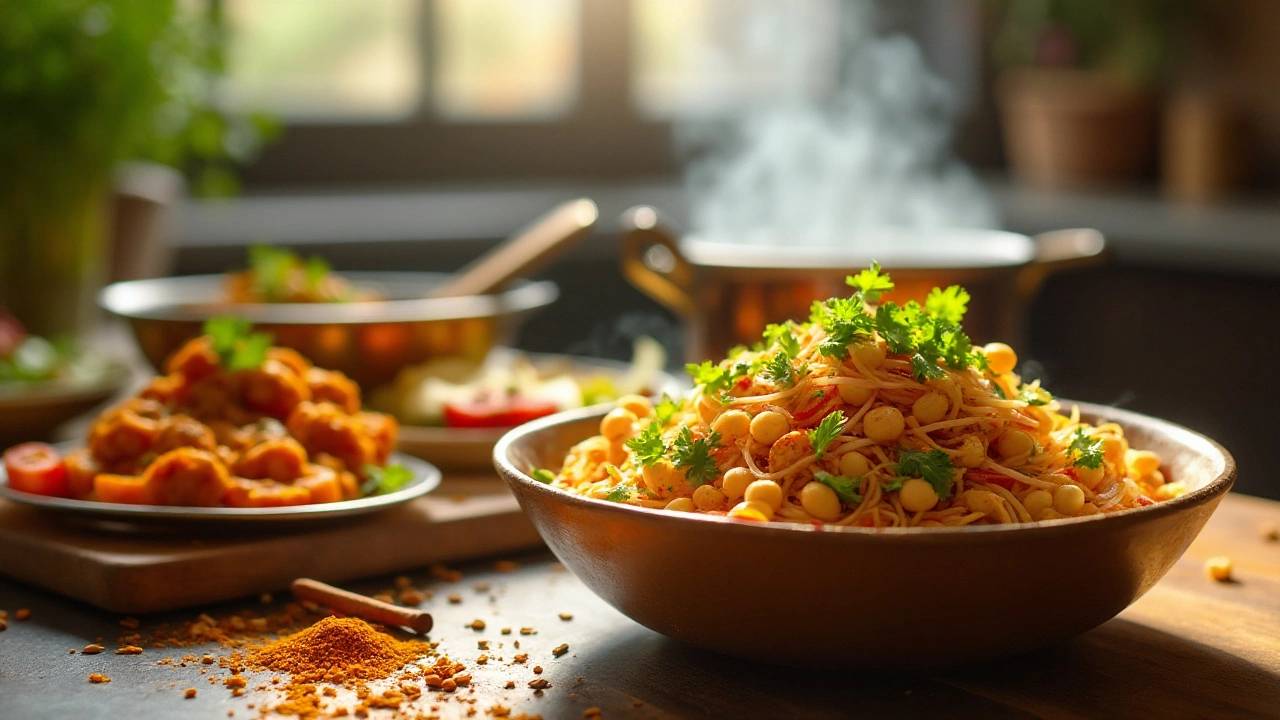
Discovering the Healthiest Indian Dishes in the World: A Culinary Exploration
Indian cuisine is renowned for its diverse flavors and use of spices. When it comes to healthy eating, certain dishes stand out for their nutritious ingredients and balanced flavors. The article delves into the top healthiest Indian foods, explaining why they are beneficial and how they can be integrated into everyday meals. Tips for preparing these dishes in a simple yet authentic way are also provided.
learn more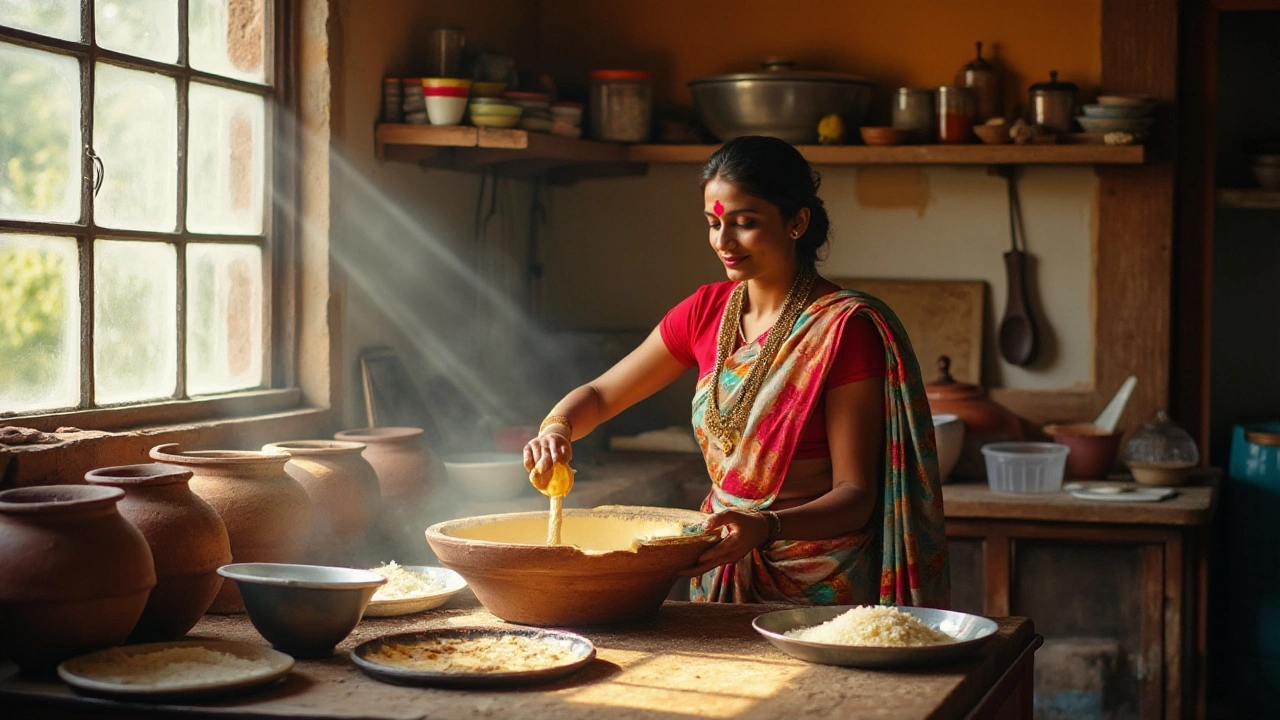
Perfect Soaking Time for Dosa Batter: Tips and Techniques
To create the perfect dosa, a popular South Indian dish, it's essential to understand the proper soaking technique for rice used in the batter. This article provides insights on how long rice should be soaked to achieve the right texture and flavor. It also offers tips on the types of rice to use, the benefits of soaking, and useful practices to ensure your dosa is crispy and delicious every time.
learn more