Indian Breakfast Tips: Simple Ways to Get Perfect South Indian Mornings
When it comes to Indian breakfast, a diverse, regionally rooted collection of daily meals centered around fermented batters, steamed rice cakes, and spiced grain porridges. Also known as South Indian breakfast, it’s not just food—it’s a ritual that starts the day with energy, flavor, and tradition. Unlike Western breakfasts that lean on toast or cereal, Indian mornings are built on textures you can feel: the crisp crackle of a dosa, the soft fluff of an idli, the warm comfort of poha. And while these dishes look simple, getting them right takes more than just following a recipe—it needs the right dosa batter, a balanced mix of urad dal and rice, properly soaked and fermented to create lift and crunch, the right idli fermentation, a warm, consistent environment that lets natural bacteria do their work, and a few key tricks most people skip.
Most people blame their pan or stove when their dosa turns soft, but the real issue is usually the batter. Under-fermented batter? That’s the #1 reason. It doesn’t rise enough, so the dosa stays sticky instead of crisp. Too much water? Then it spreads too thin and burns before it sets. And if you’re using cold oil or a cold tawa, you’re fighting an uphill battle. The same goes for idli—skip the overnight soak, and your batter won’t puff. Add too much salt before fermentation? It kills the good bacteria. These aren’t myths—they’re facts backed by thousands of home kitchens across Karnataka and Tamil Nadu. Even the smallest detail, like using filtered water instead of tap, can change how your batter behaves. And don’t forget the role of South Indian breakfast, a category that includes not just dosa and idli, but also upma, poha, and vada—each with its own timing, technique, and texture rules. They’re not interchangeable. You can’t make poha the same way you make upma, and you can’t rush fermentation without paying the price.
What you’ll find below isn’t a list of recipes. It’s a collection of real fixes—tested by home cooks, not chefs with Michelin stars. You’ll learn why your dosa won’t crisp up, how to fix a failed batch of idli batter in 10 minutes, and what to do when your upma turns gummy. These aren’t fancy tips. They’re the kind of advice your grandmother would whisper over the stove. No equipment needed. No special ingredients. Just clarity. Whether you’re making breakfast for one or feeding a family of five, these tips will turn your mornings from frustrating to flawless.
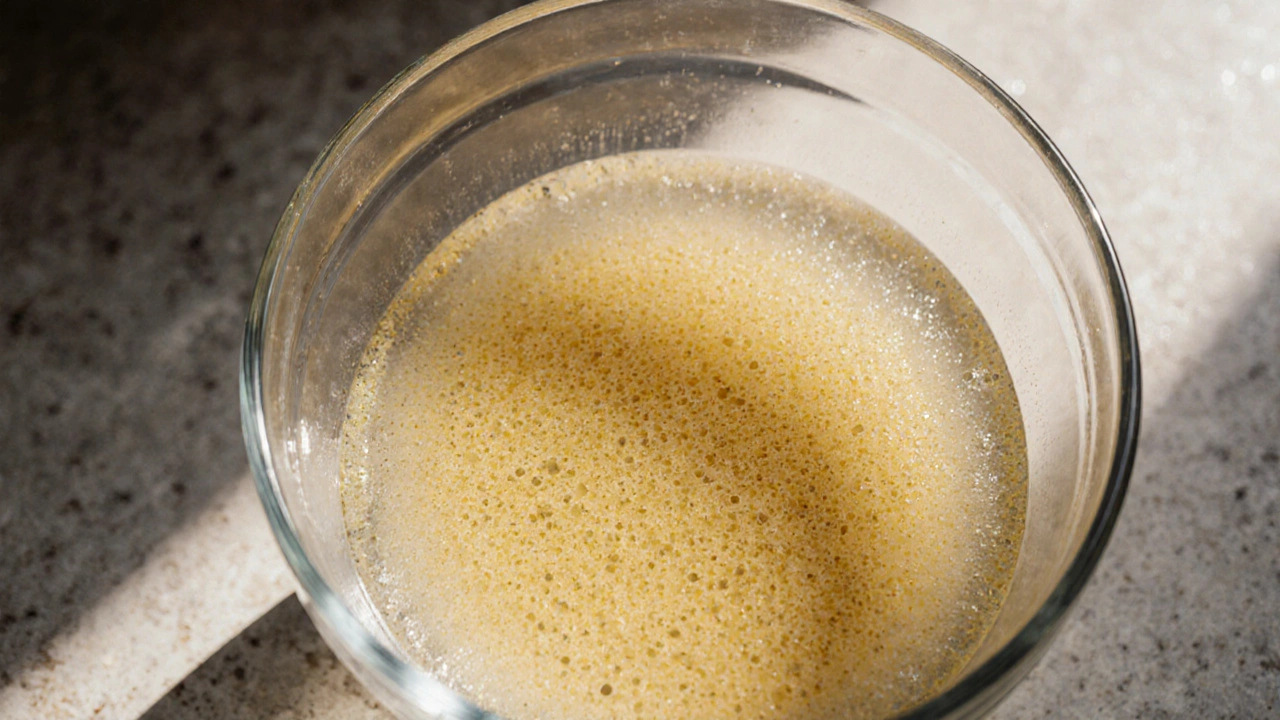
Why Add Poha to Dosa Batter? Benefits, Technique & Tips
Discover why poha is added to dosa batter, how it boosts fermentation, creates crisp texture, and learn a step‑by‑step method with tips and troubleshooting.
learn more