Homemade Chena: How to Make Fresh Paneer at Home
When you make homemade chena, a soft, fresh curdled milk product used as the base for paneer and many Indian sweets. Also known as chhana, it's the unsung hero behind dishes like paneer tikka, rasgulla, and chena poda. Unlike store-bought paneer, homemade chena is tender, moist, and full of natural dairy flavor—no additives, no preservatives. You don’t need fancy equipment. Just milk, an acid like lemon juice or vinegar, and a little patience.
Chena is made by heating milk and then adding acid to separate the curds from the whey. The curds are then strained and pressed lightly to form a solid block—paneer. But if you skip the pressing, you get soft chena, perfect for sweets. Many people confuse chena with paneer, but they’re the same thing at different stages. Paneer is pressed chena. That’s it. The real magic happens in the milk. Whole milk gives you the richest chena. Skim milk? You’ll get dry, crumbly results. And never use ultra-pasteurized milk—it won’t curdle right. Most Indian households make chena weekly. It’s cheaper than buying paneer, and it tastes better. You’ll find it in homes from Mysore to Mumbai, used in everything from savory snacks to desserts that melt in your mouth.
Related to chena are paneer, the pressed form of chena used in curries and grills, and rasgulla, a syrupy sweet made from chena balls. You can’t make rasgulla without fresh chena. You can’t make palak paneer without paneer. And you can’t make paneer without chena. It’s a chain. The same chena that goes into your breakfast poha might end up in your evening dessert. It’s the quiet connector between meals.
When you look through the posts here, you’ll notice chena isn’t named directly in most titles—but it’s hiding in plain sight. In dosa batter, you’ll find fermented rice and urad dal, but chena? It’s the dairy cousin. In biryani, you’ll see spices and rice, but chena is the base of paneer butter masala, one of India’s most ordered dishes. In chutney pairings, you’ll find it served alongside samosas. Even when recipes don’t say "chena," they’re using it. This collection is full of recipes that start with milk and end with something delicious. You’ll find how to fix soft dosas, how to balance biryani spice, how to stop coconut milk from curdling—all connected by the same kitchen logic. And if you’ve ever wondered why your paneer turned out rubbery, it’s because your chena wasn’t fresh enough. The fix? Make it yourself. That’s what these posts are here for.
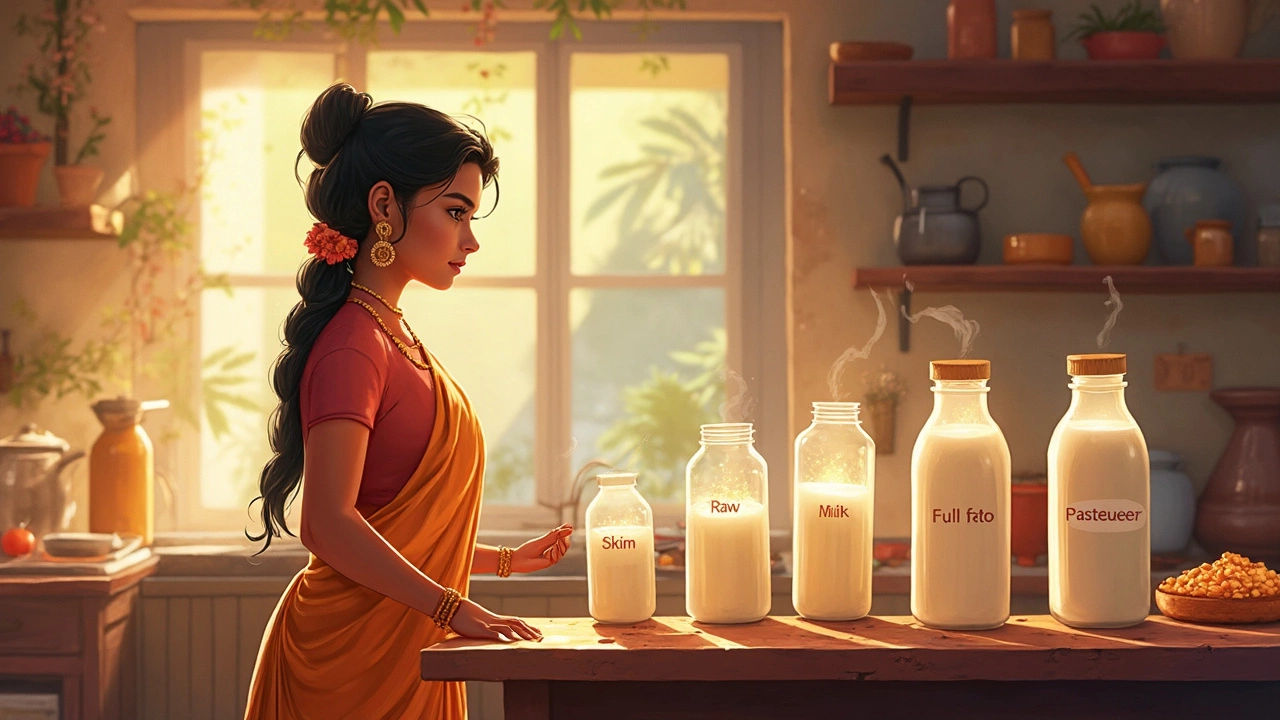
Best Milk for Chena: Choosing the Right Type for Homemade Paneer
Making chena, or homemade paneer, begins with choosing the right milk. The choice largely impacts the taste, texture, and yield of your paneer. Understanding which type of milk—full-fat, skim, raw, or pasteurized—works best for paneer can elevate your cooking. Discover interesting facts and practical tips on selecting the ideal milk for making the softest, creamiest chena.
learn more